
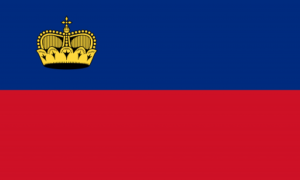
Liechtenstein
Western Europe
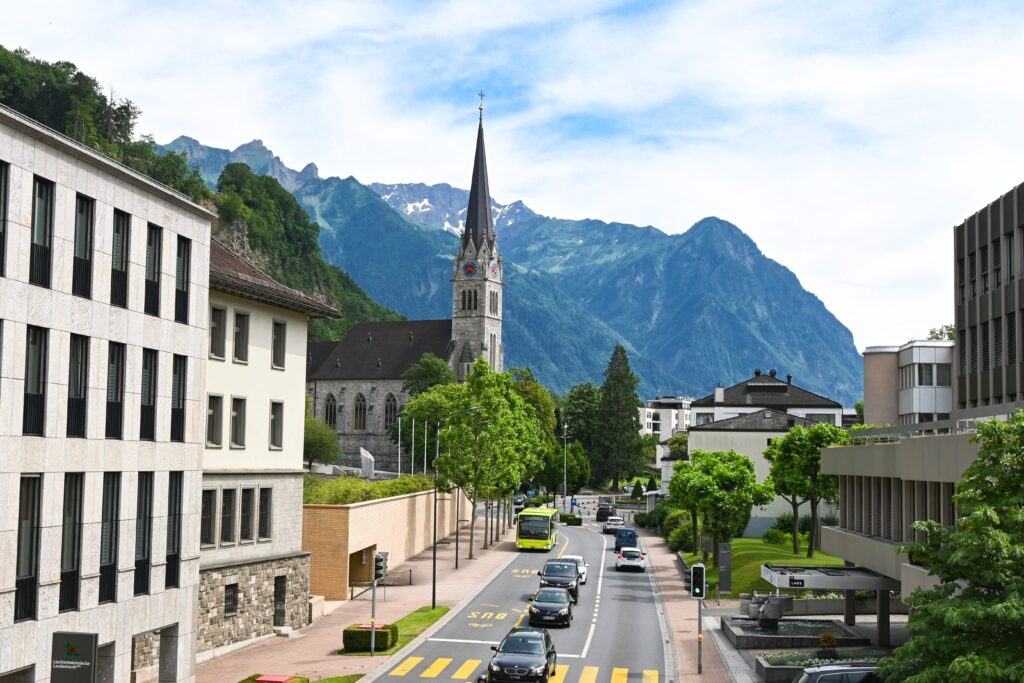
Liechtenstein is a country in Western Europe, home to 40,000 people, with an area of 160 km². Its capital is Vaduz.
- Capital
- Vaduz
- Population
- 40,000
- Area
- 160 km²
- Region
- Western Europe
- Density
- 250 / km²
- Status
- Sovereign state
Population: UN World Population Prospects, 2024 revision. Area: CIA World Factbook.
What Liechtenstein is known for
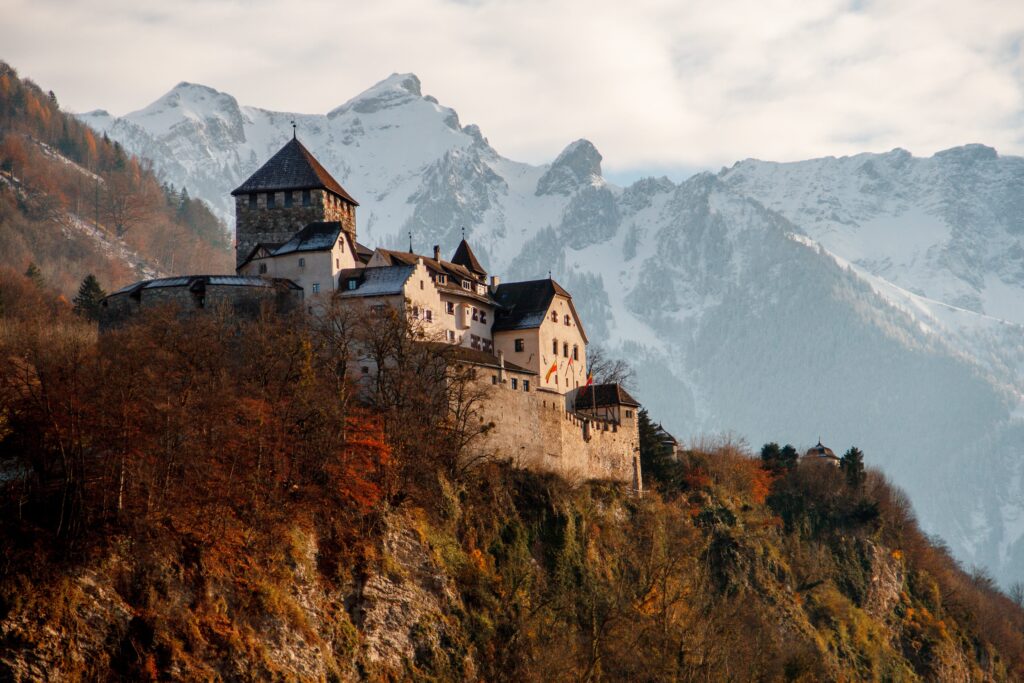
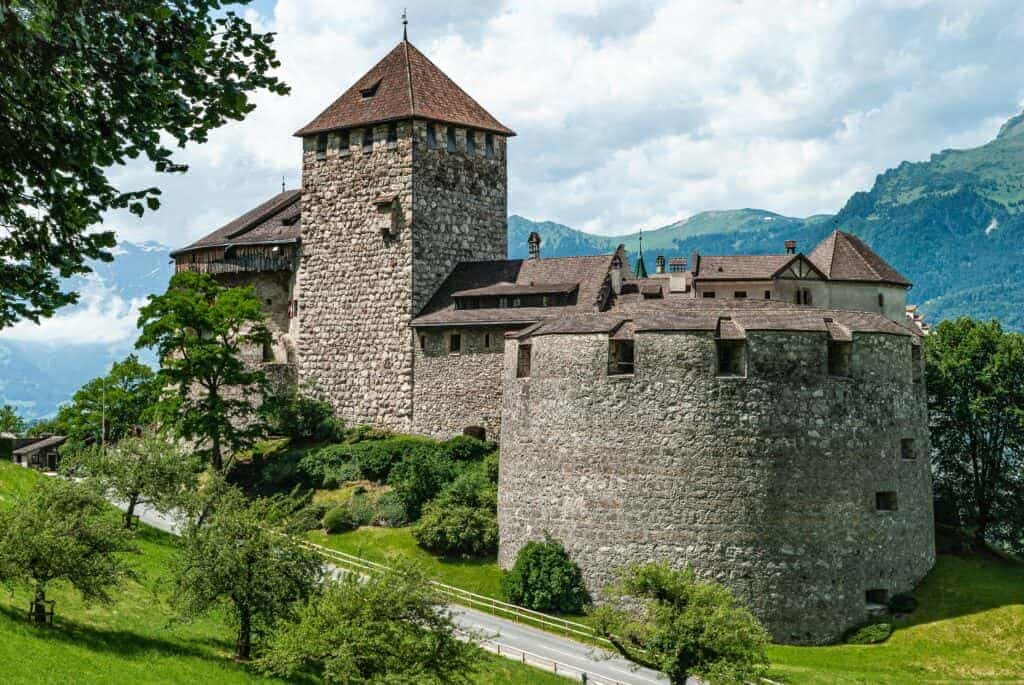
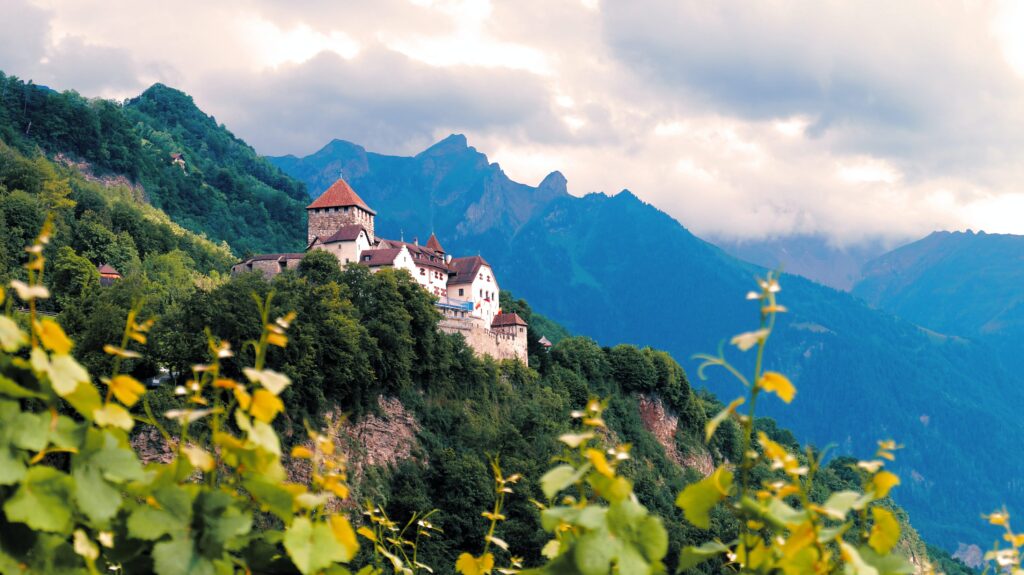
Liechtenstein is best known for Vaduz Castle, Liechtenstein National Museum and Gutenberg Castle.
Liechtenstein is a small landlocked country located in Central Europe. It is bordered by Switzerland to the west and south and Austria to the east. Despite its small size, Liechtenstein has a highly developed economy and is known for its low taxes and strong banking sector.
Liechtenstein at a glance
- Language
- German is the official language, but English is widely spoken
- Currency
- Swiss Franc (CHF)
- Religion
- Christianity is the predominant religion in Liechtenstein, with Roman Catholicism being the most common
- National dish
- Käsknöpfle (a type of cheese dumplings)
- Climate
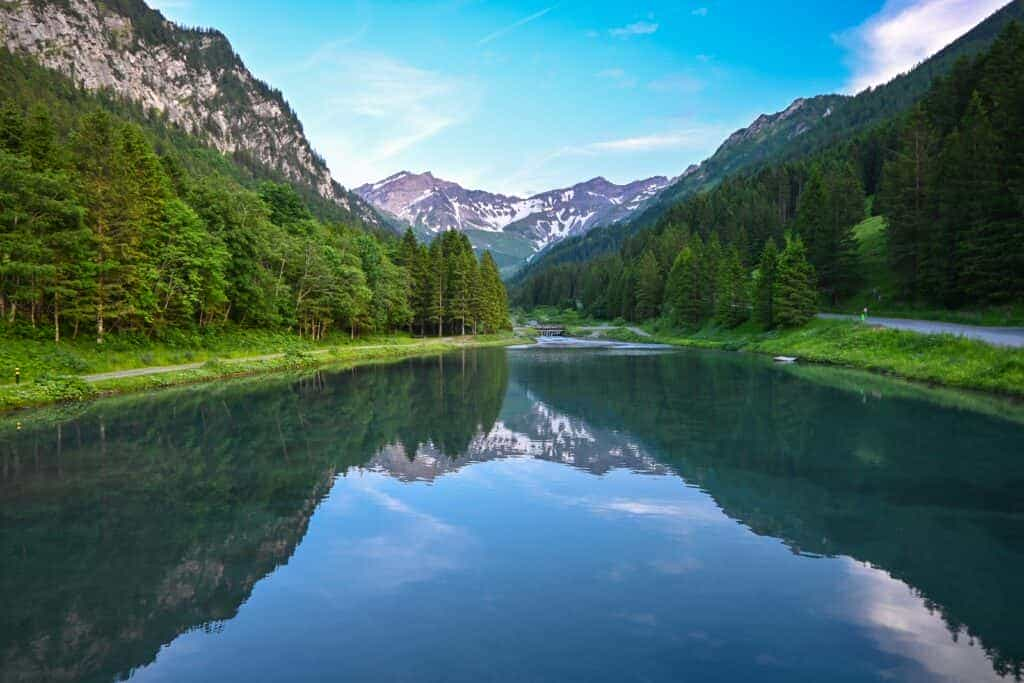
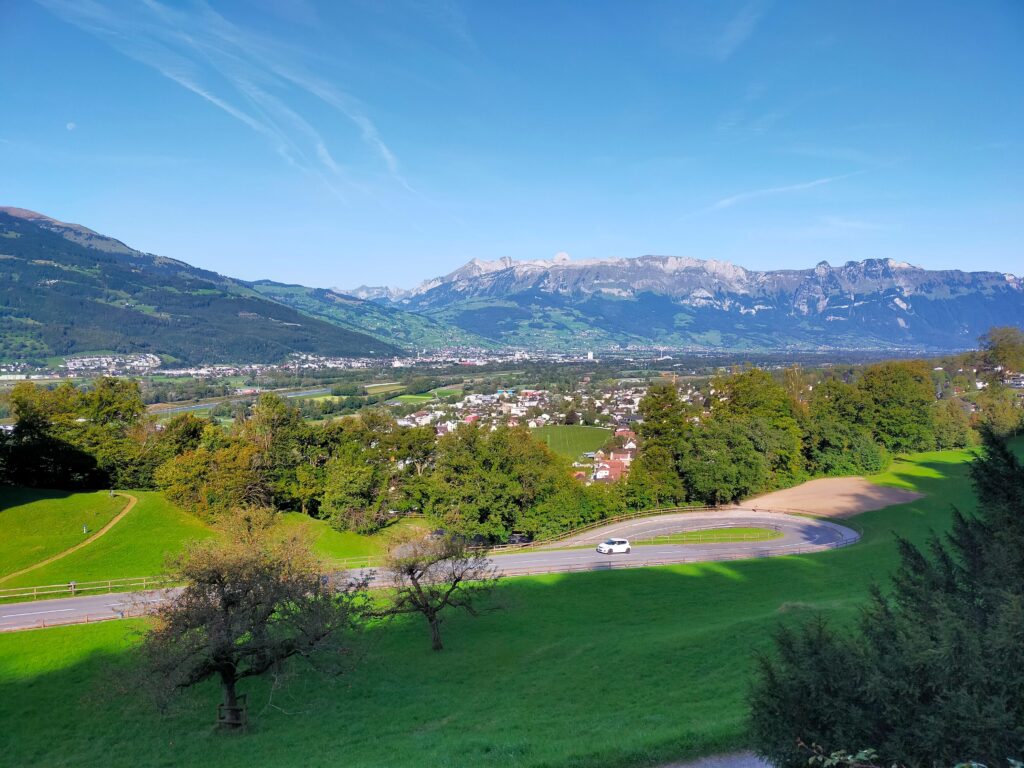
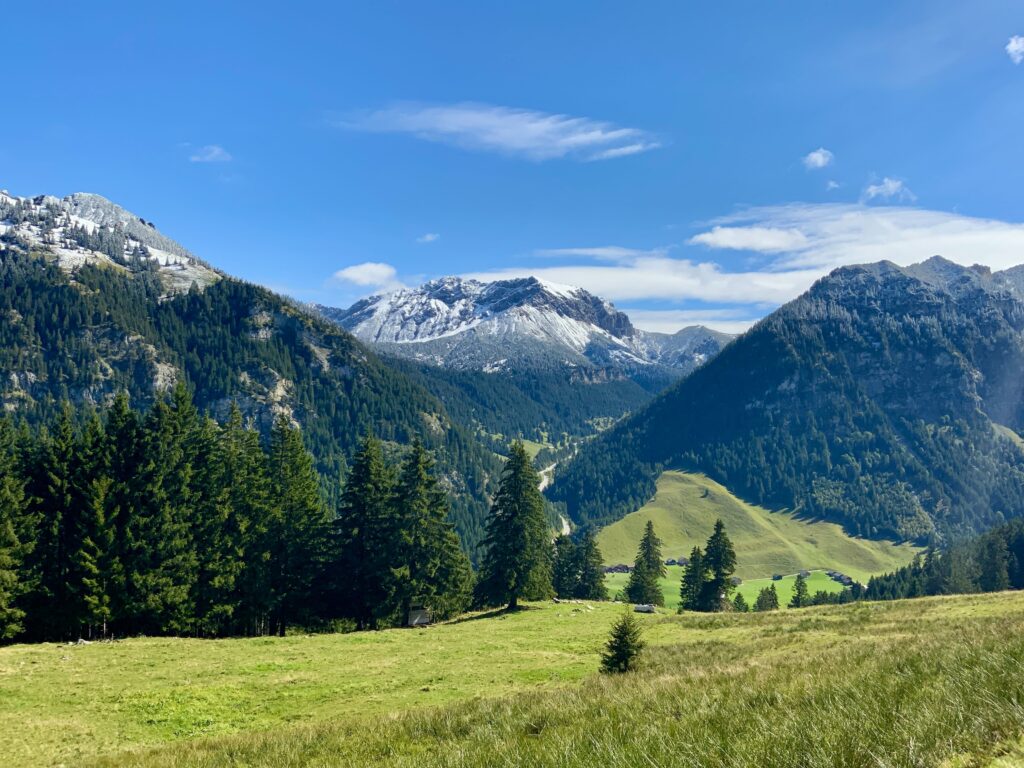
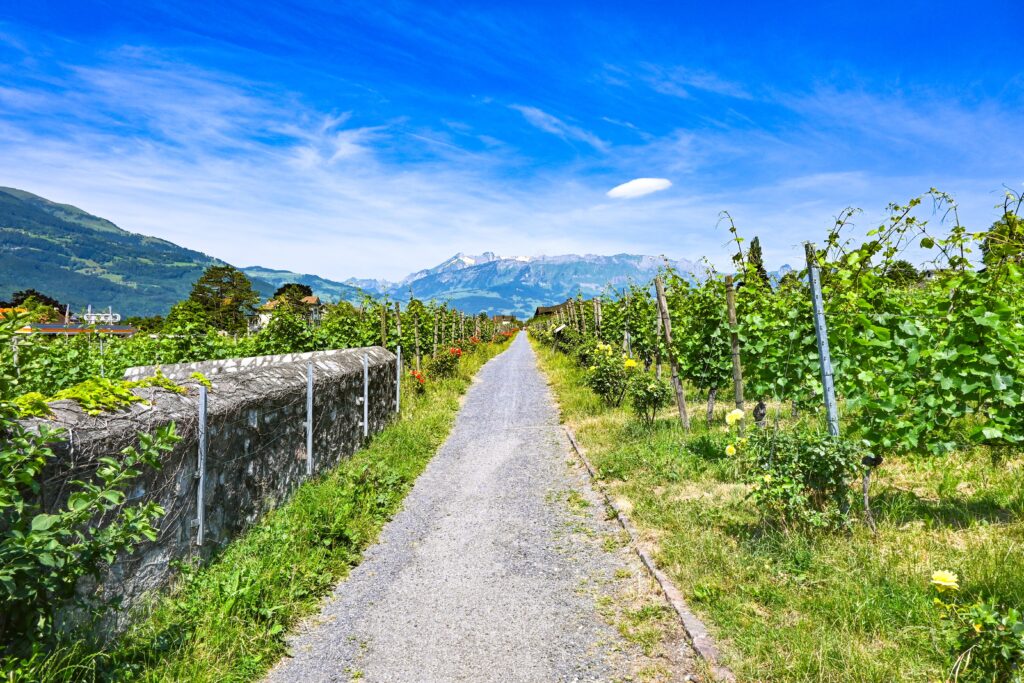
- Liechtenstein has a temperate continental climate with warm summers and cold winters. The country is known for its stunning mountain landscapes and outdoor activities such as hiking and skiing
- Main industries
- Financial services, manufacturing, and tourism
- GDP
- $6.6 billion (nominal, 2021 estimate)
- Development
- Liechtenstein is considered one of the most developed countries in the world, with a human development index (HDI) ranking of 18 out of 189 countries (2020)
Things to do in Liechtenstein
Some of the main tourist attractions in Liechtenstein include:
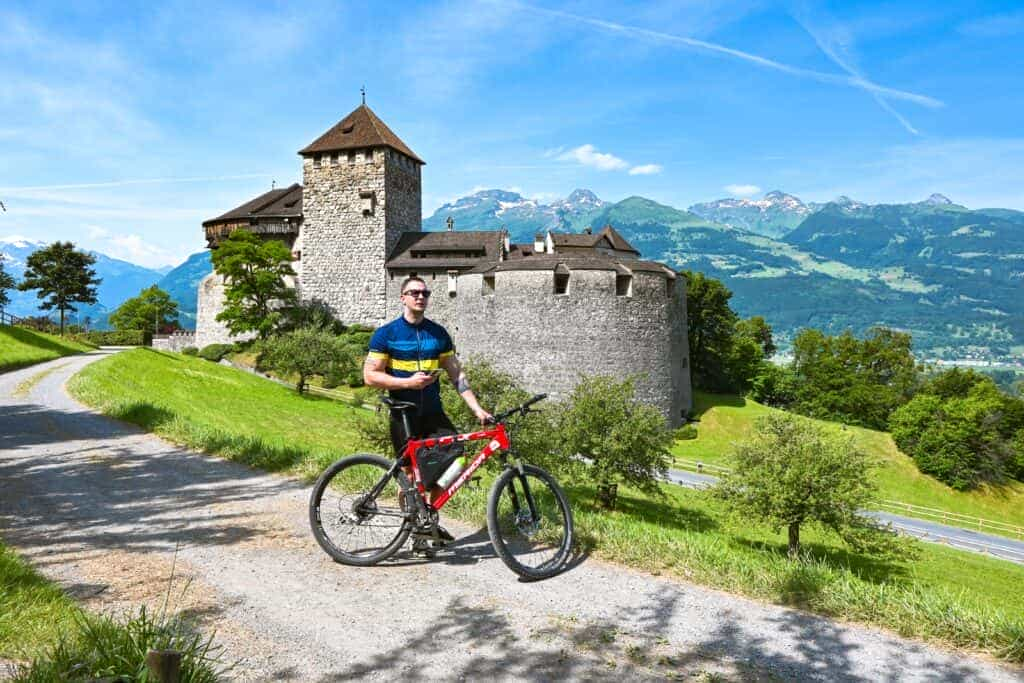
- Vaduz Castle a medieval castle that is the official residence of the Prince of Liechtenstein and is situated on a hill overlooking the capital city.
- Liechtenstein National Museum a museum in Vaduz that showcases the country's history and culture.
- Gutenberg Castle a 12th-century castle located in the town of Balzers that houses a museum of local history.
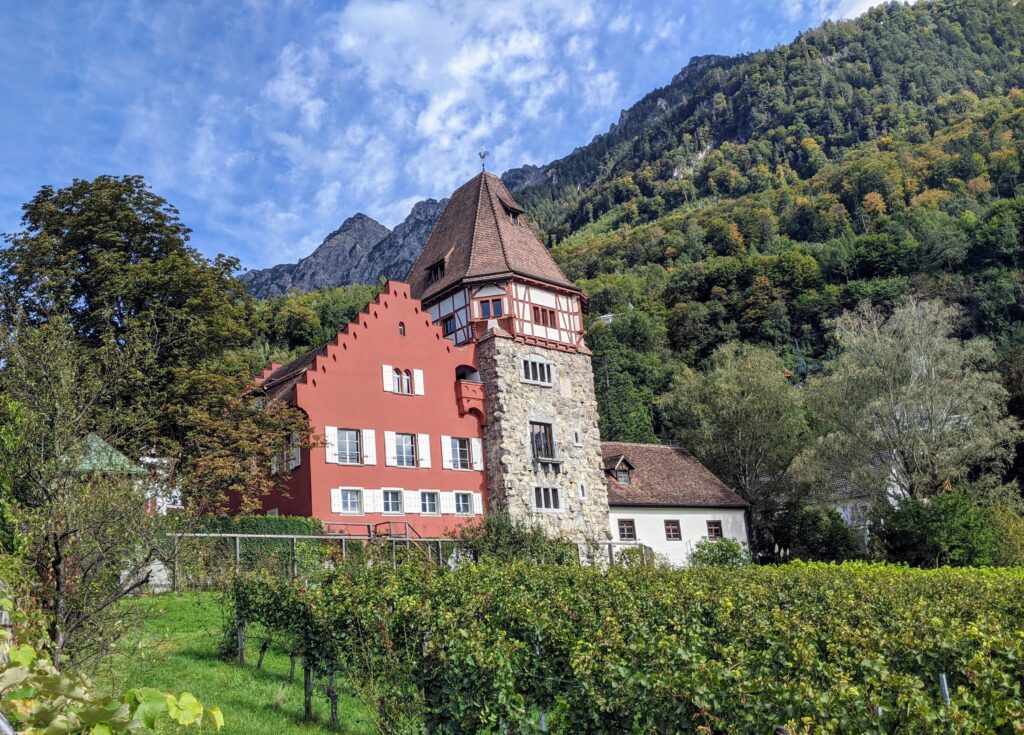
- The Red House a historic building in the town of Schellenberg that is now a museum of rural life and customs.
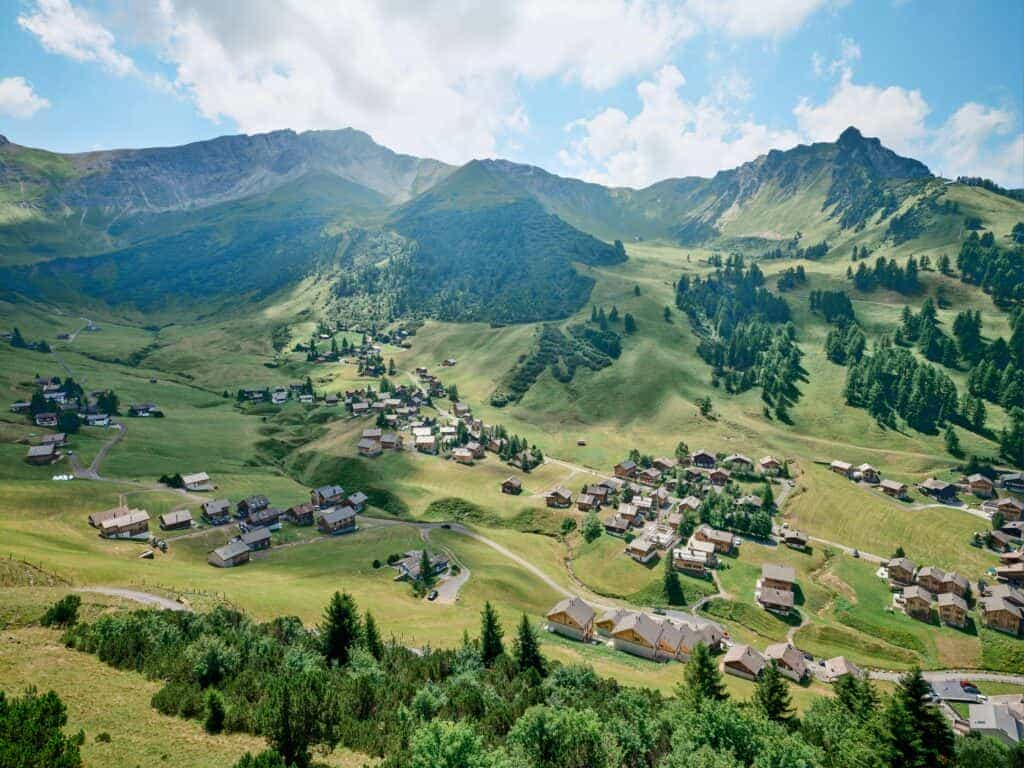
- Malbun a ski resort located in the mountains that offers skiing and snowboarding in the winter and hiking in the summer.
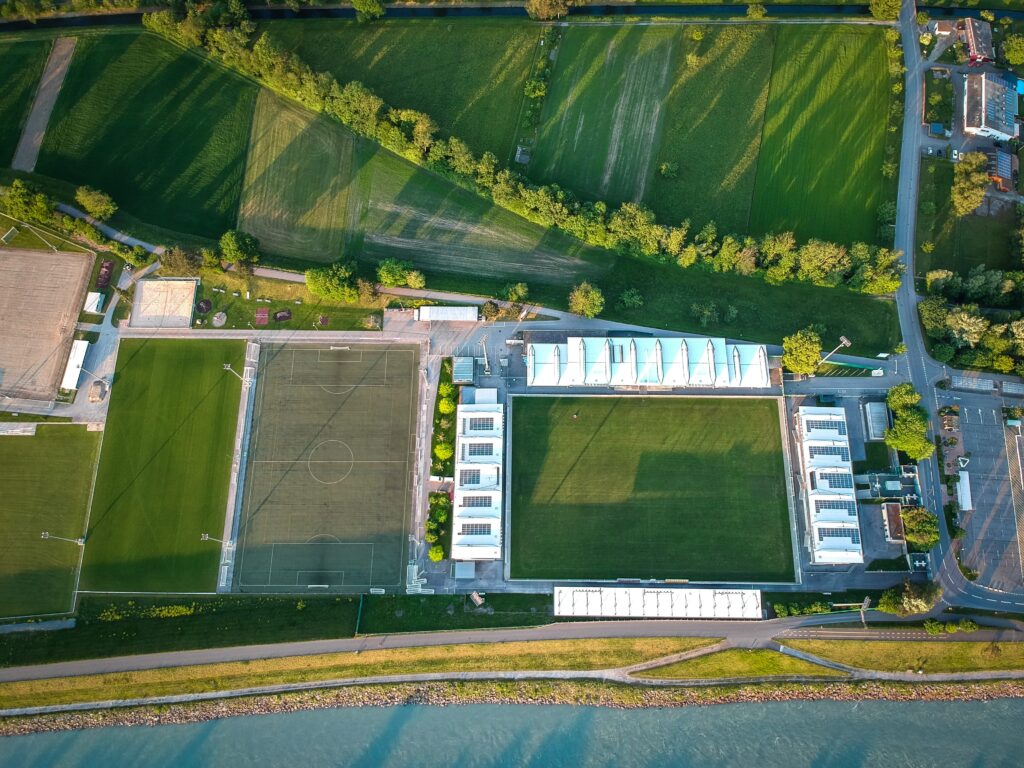
- The Rhine River the Rhine River forms the western border of Liechtenstein and offers scenic boat tours.
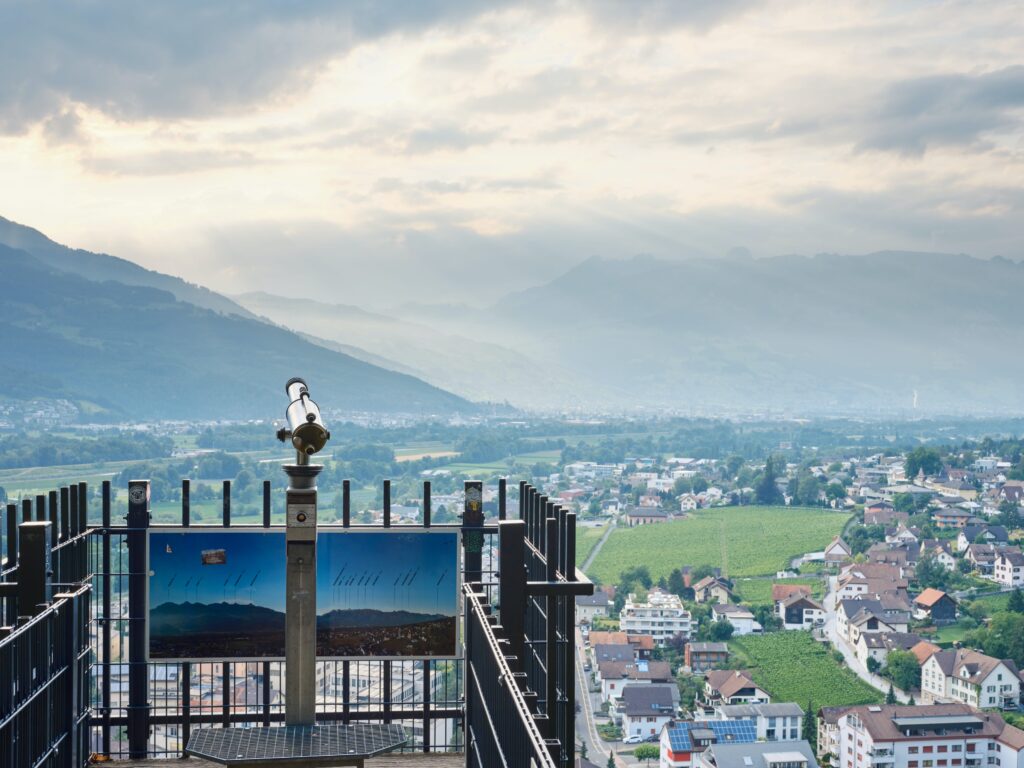
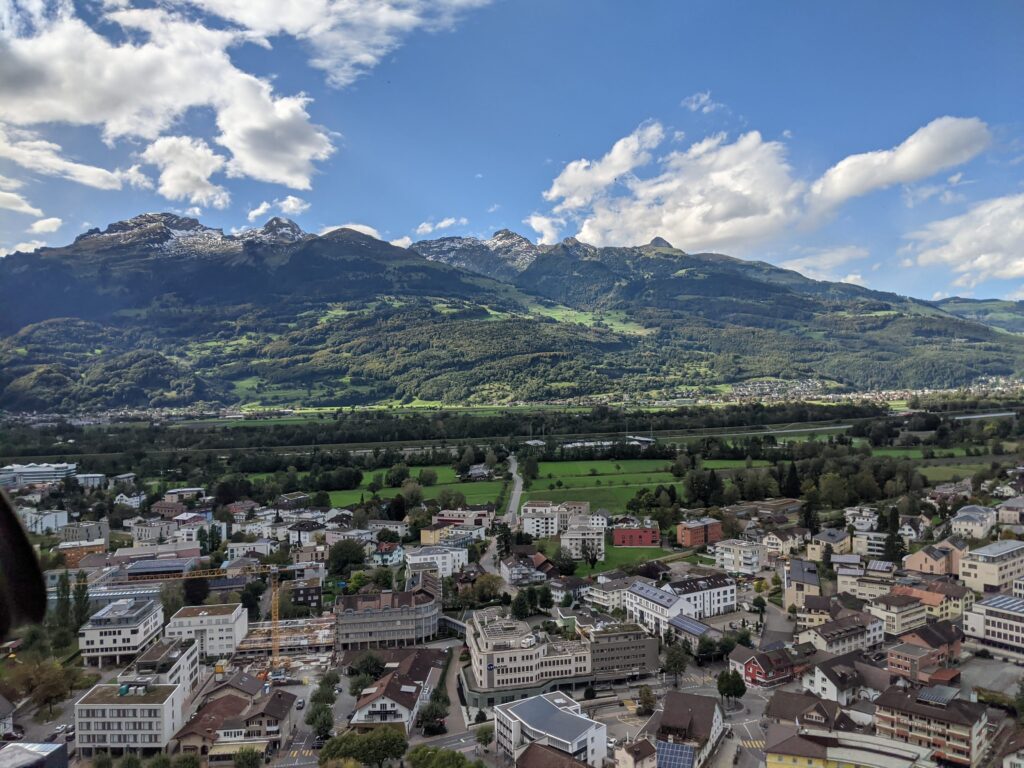
These are just a few examples of the many attractions that Liechtenstein has to offer. The country is also known for its beautiful nature and pristine Alpine environment.
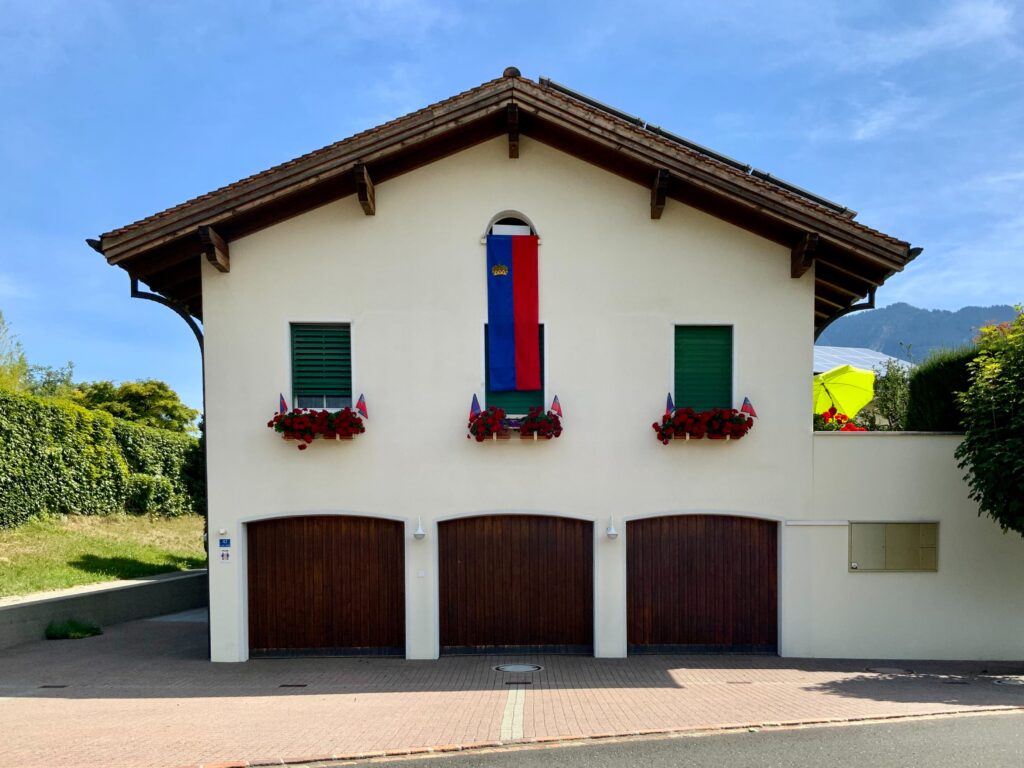
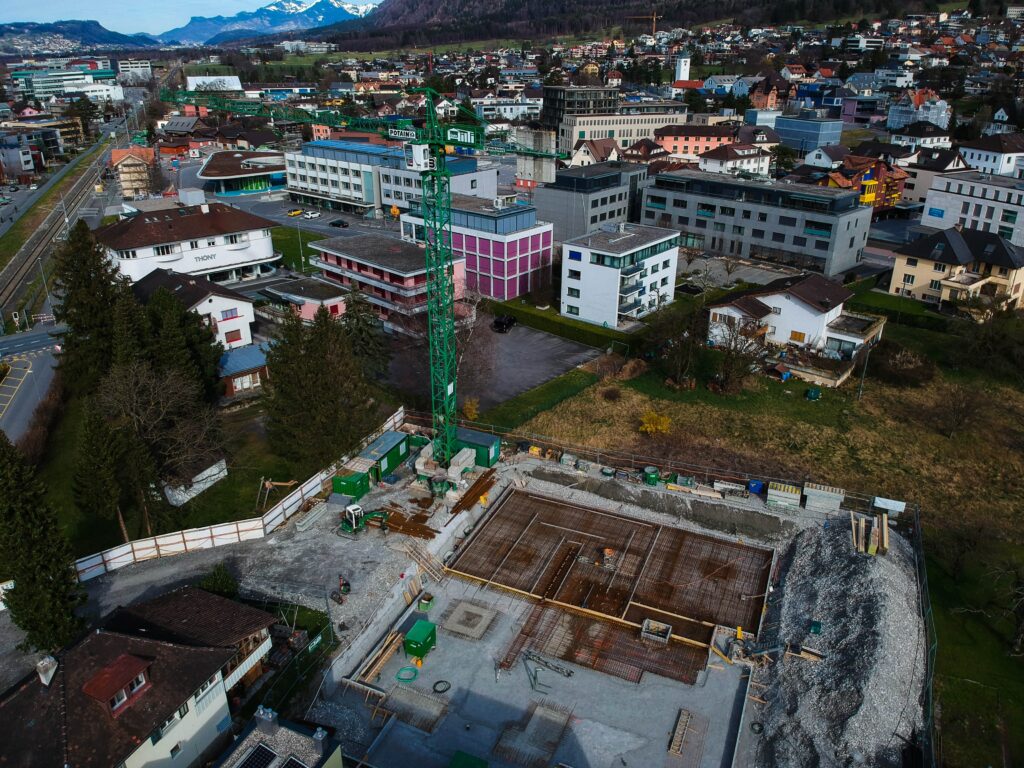
Liechtenstein in pictures
Liechtenstein on video
The player loads when you press play — nothing is requested from the video host before that.
Liechtenstein compared with its neighbours
How it sits against the other countries of Western Europe.
| Country | Population | Area | Capital |
|---|---|---|---|
 Switzerland | 8.9 million | 41,285 km² | Bern |
 Luxembourg | 670,000 | 2,586 km² | Luxembourg City |
| Liechtenstein | 40,000 | 160 km² | Vaduz |
 Monaco | 39,000 | 2.08 km² | Monaco |
Ranked 188th of 195 countries by population and 190th by area.
Questions about Liechtenstein
What is the capital of Liechtenstein?
The capital of Liechtenstein is Vaduz.
How many people live in Liechtenstein?
About 40,000 people. Ranked 188th of 195 countries by population and 190th by area.
How big is Liechtenstein?
Liechtenstein covers 160 km², in Western Europe.
What is Liechtenstein known for?
Liechtenstein is best known for Vaduz Castle, Liechtenstein National Museum and Gutenberg Castle.
What language is spoken in Liechtenstein?
German is the official language, but English is widely spoken.
What currency is used in Liechtenstein?
Swiss Franc (CHF).
Is Liechtenstein a country?
Yes. Liechtenstein is a sovereign state and is counted among the 195 countries this generator draws from.