
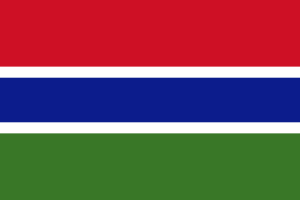
The Gambia
West Africa
The Gambia is a country in West Africa, home to 2.8 million people, with an area of 11,295 km². Its capital is Banjul.
- Capital
- Banjul
- Population
- 2.8 million
- Area
- 11,295 km²
- Region
- West Africa
- Density
- 248 / km²
- Status
- Sovereign state
Population: UN World Population Prospects, 2024 revision. Area: CIA World Factbook.
What The Gambia is known for
The Gambia is best known for The River Gambia, Kunta Kinte Island and Abuko Nature Reserve.
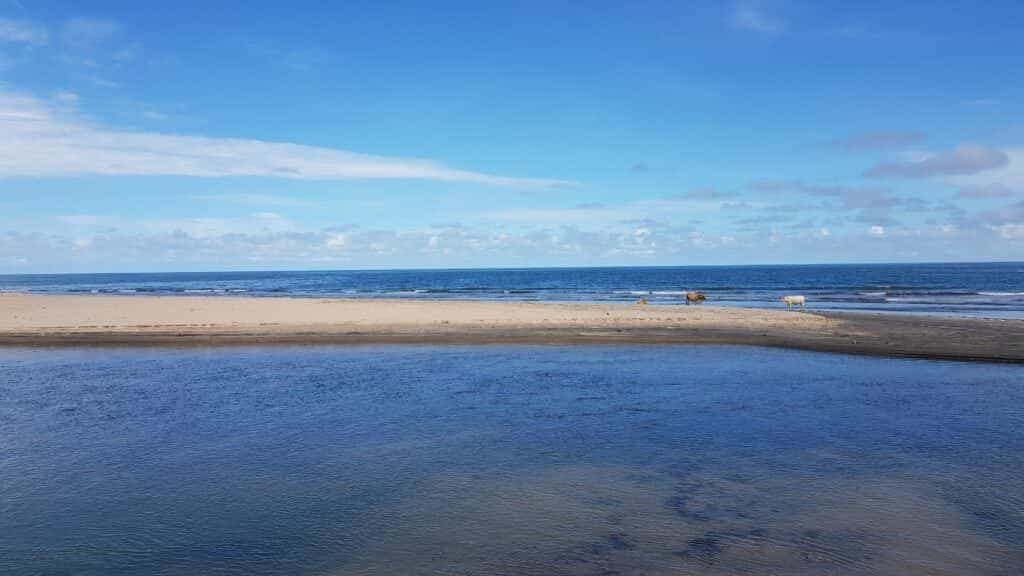
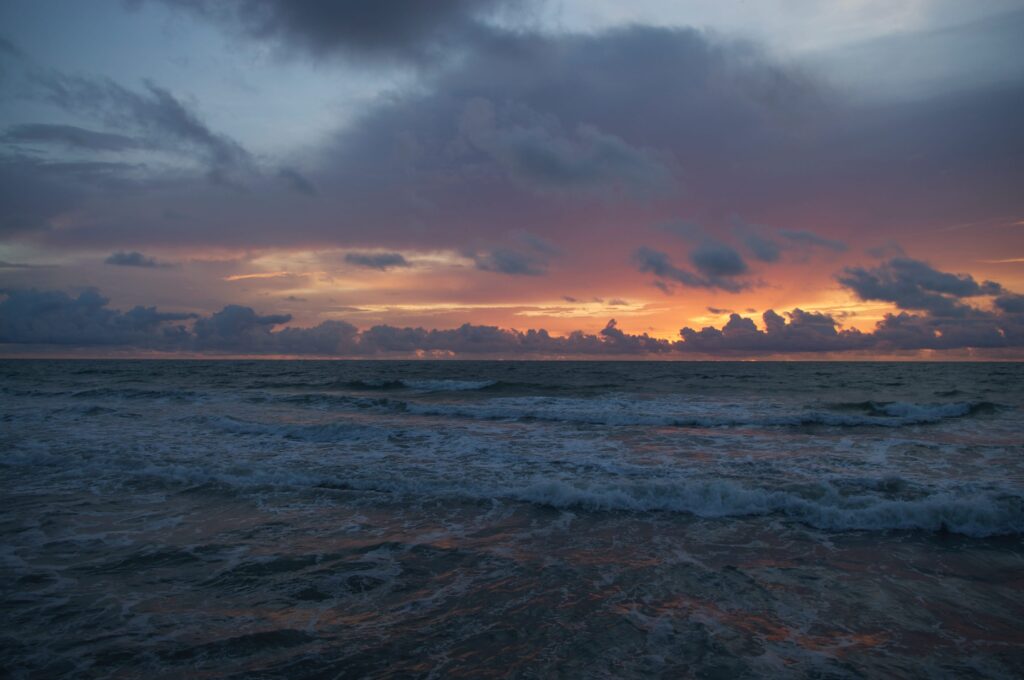
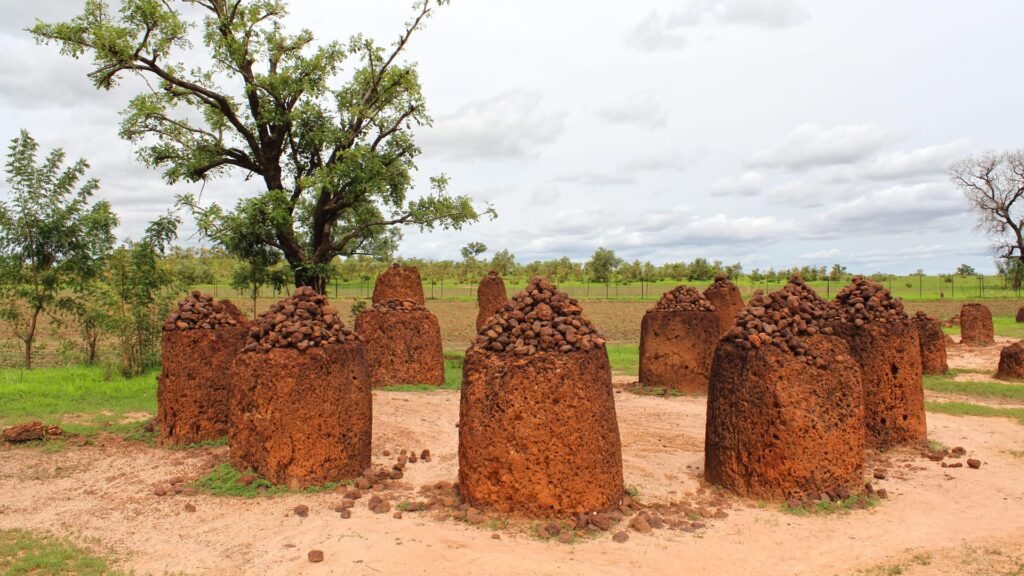
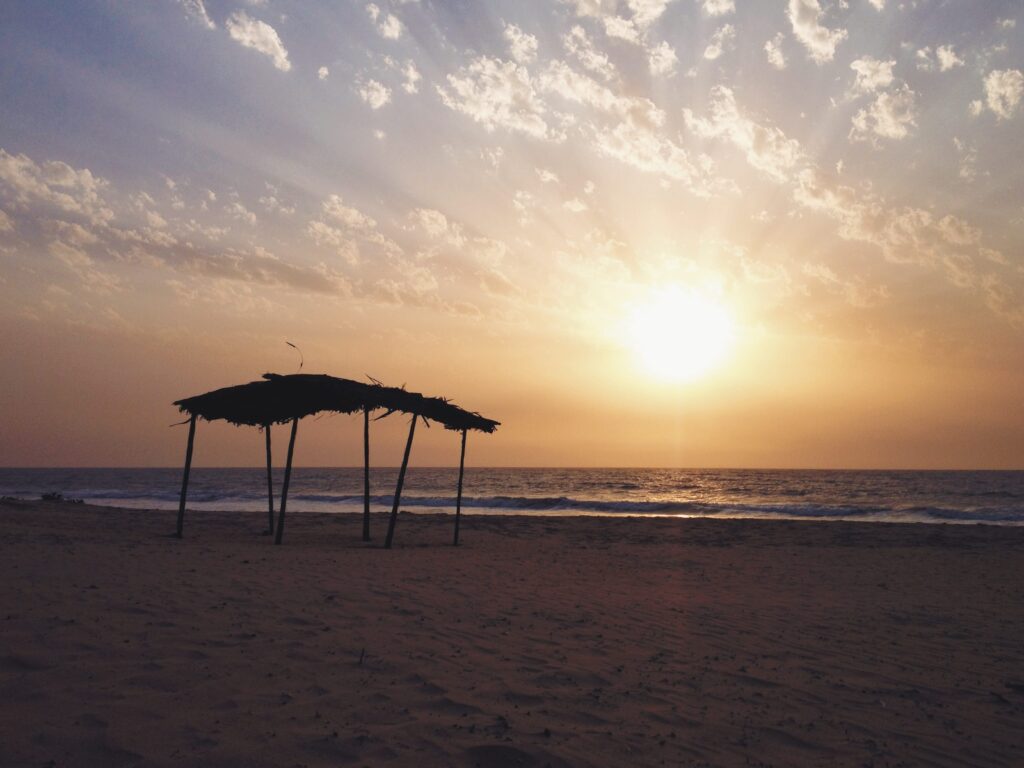
The Gambia is a small West African country known for its long, narrow shape and beautiful beaches. The Gambia is one of the smallest countries on the African continent, but it has a rich cultural heritage and diverse wildlife, including a large number of bird species.
The Gambia at a glance
- Language
- English is the official language, but several indigenous languages are also spoken
- Currency
- Gambian dalasi
- Religion
- Islam is the predominant religion in The Gambia, with a significant Christian minority
- National dish
- Benachin (a rice dish made with vegetables, meat, and spices)
- Climate
- The Gambia has a tropical climate, with a hot and dry season from November to May, and a rainy season from June to October
- Main industries
- Agriculture, including peanut production and fishing, and tourism
- GDP
- $1.8 billion (nominal, 2019 estimate)
- Development
- The Gambia is considered a low-income country, with a human development index (HDI) ranking of 174 out of 189 countries (2020)
Things to do in The Gambia
Some of the main tourist attractions in The Gambia include:
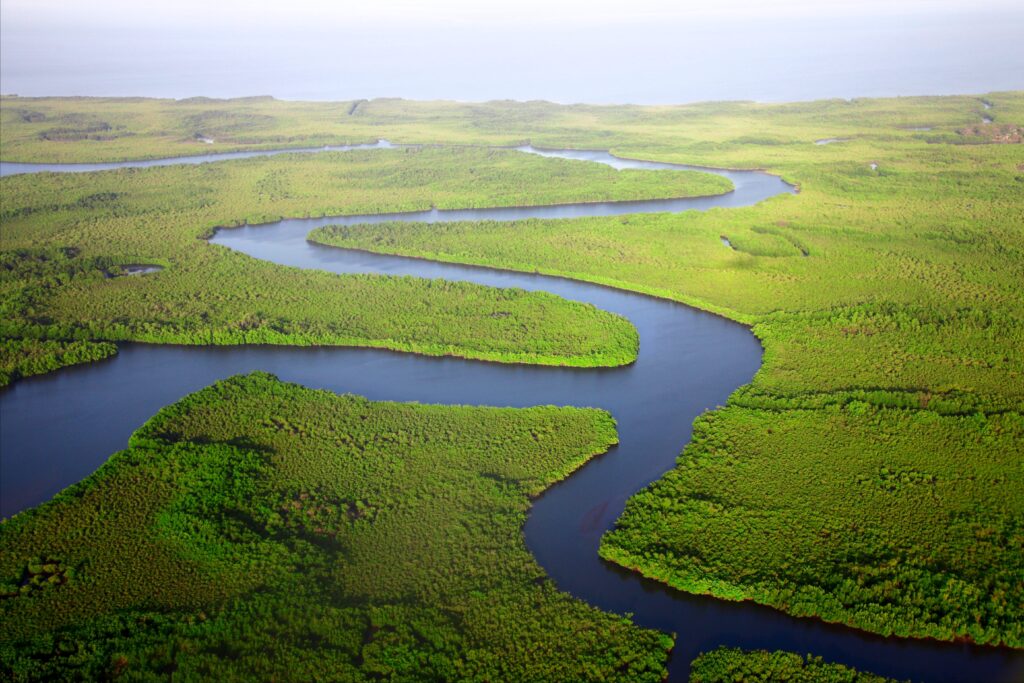
- The River Gambia the country's main waterway, which is home to a variety of bird and wildlife species, including hippos and crocodiles.
- Kunta Kinte Island an island in the River Gambia that is said to be the birthplace of Alex Haley's ancestor, Kunta Kinte, who was brought to America as a slave.
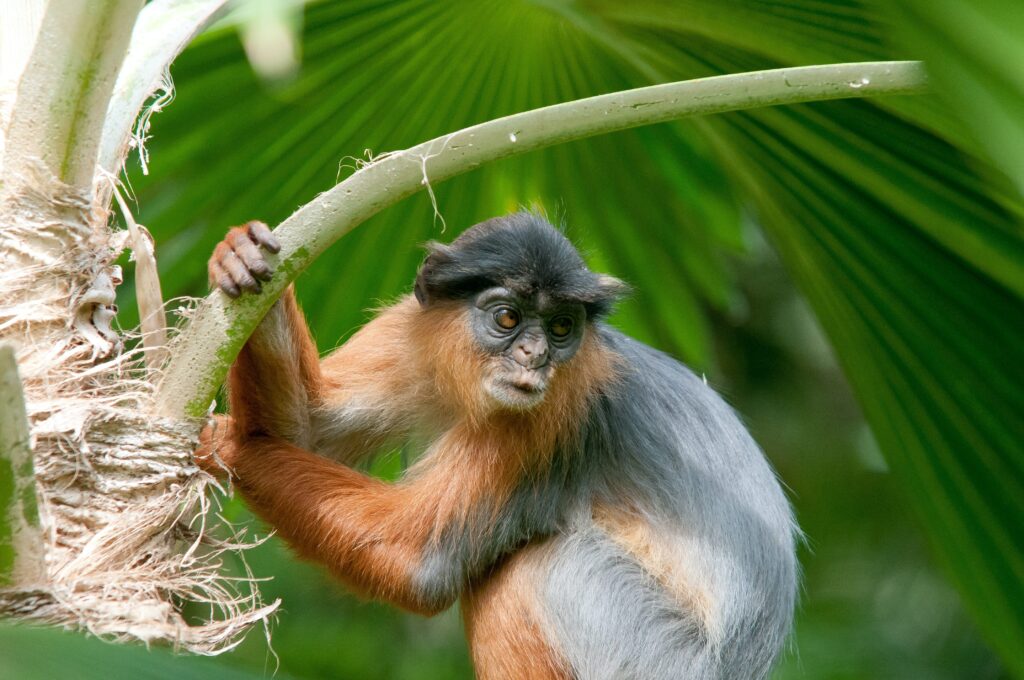
- Abuko Nature Reserve a nature reserve located near Banjul, known for its diverse wildlife, including monkeys, crocodiles, and a wide variety of bird species.
- Bijilo Forest Park a forest reserve located near the coast, known for its scenic walking trails and abundant birdlife.
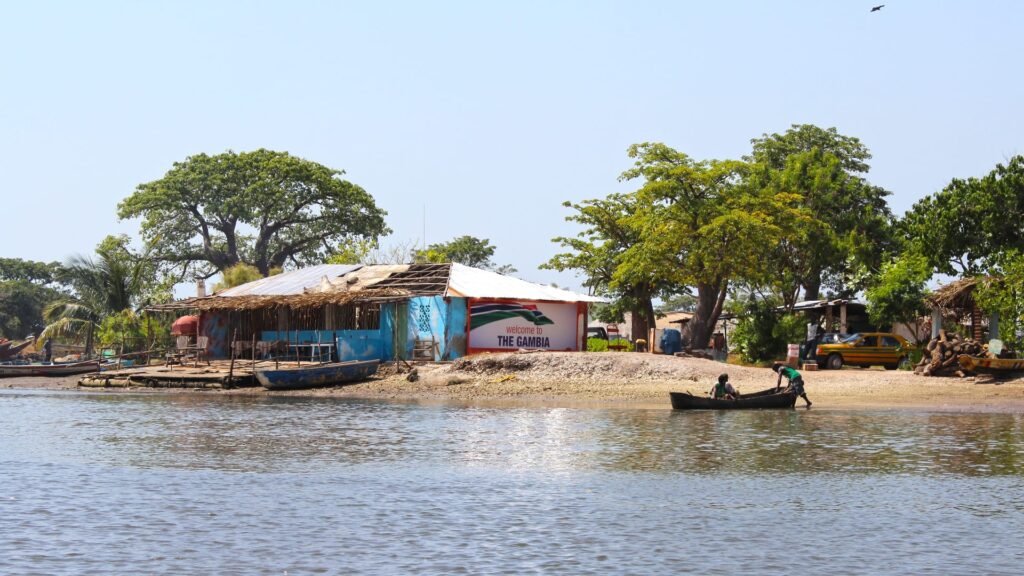
- Tanji Fishing Village a picturesque fishing village located on the coast, where visitors can watch the traditional fishing boats come in and buy fresh seafood from the local market.
- James Island an island located in the River Gambia that was once a major center of the transatlantic slave trade, and is now a UNESCO World Heritage site.
These are just a few examples of the many attractions that The Gambia has to offer. The country's unique cultural heritage, beautiful beaches, and diverse wildlife make it a must-see destination for travelers who are looking for an authentic African experience.
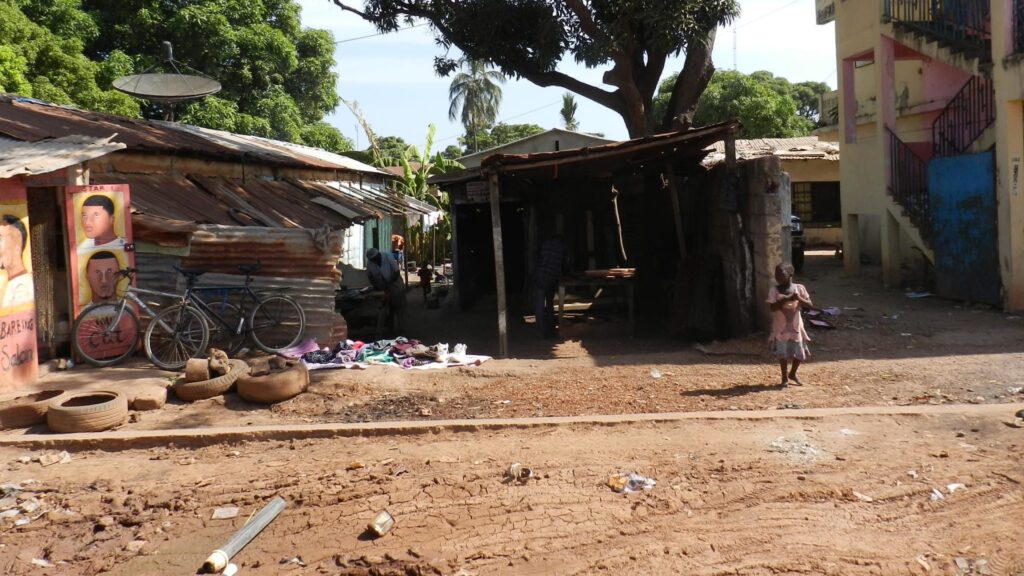
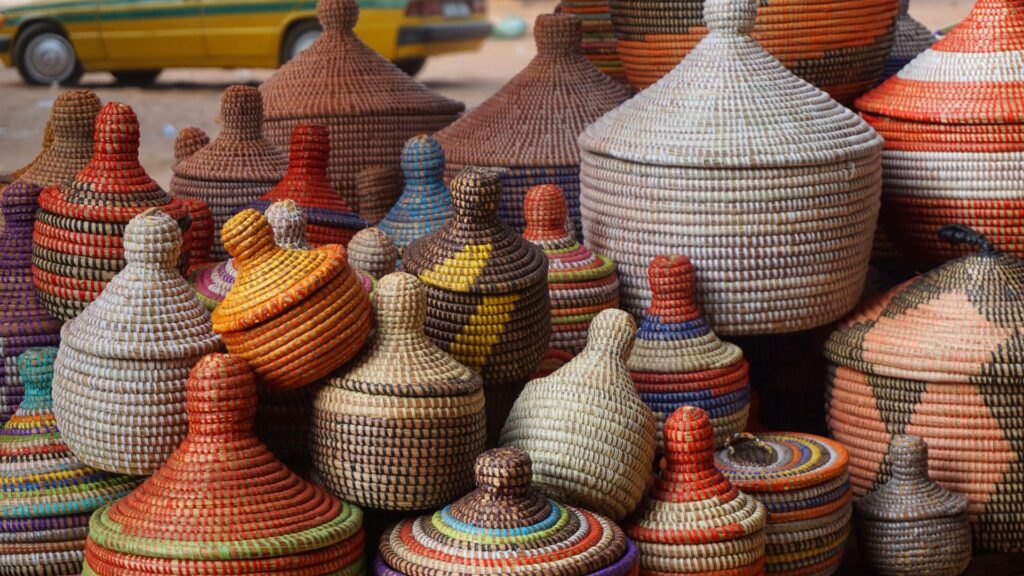
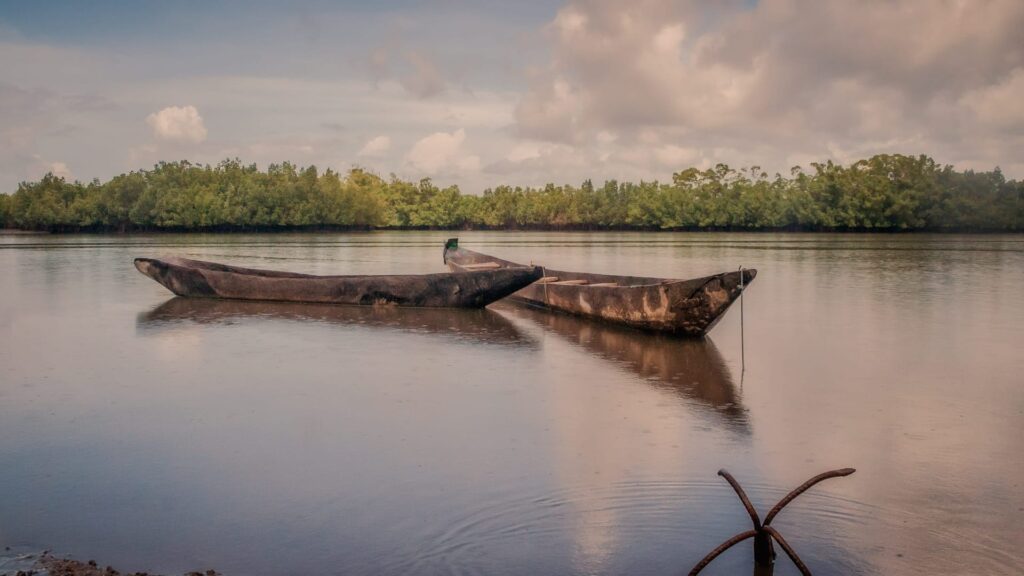
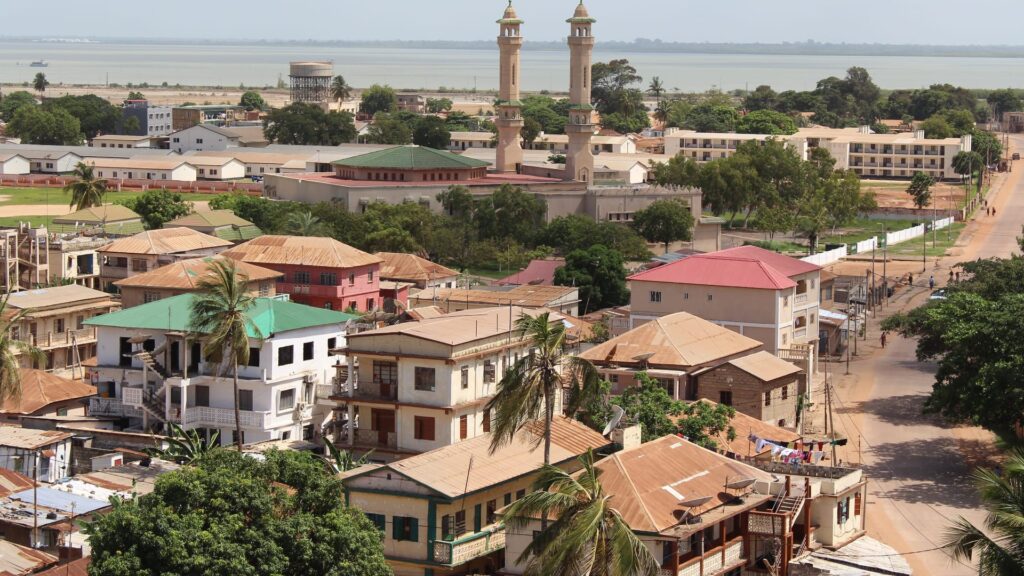
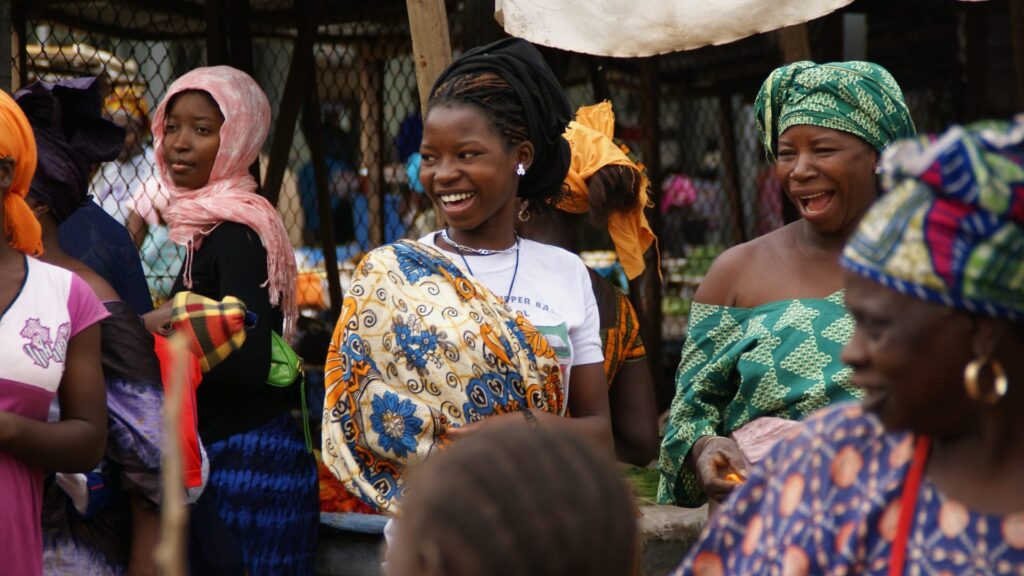
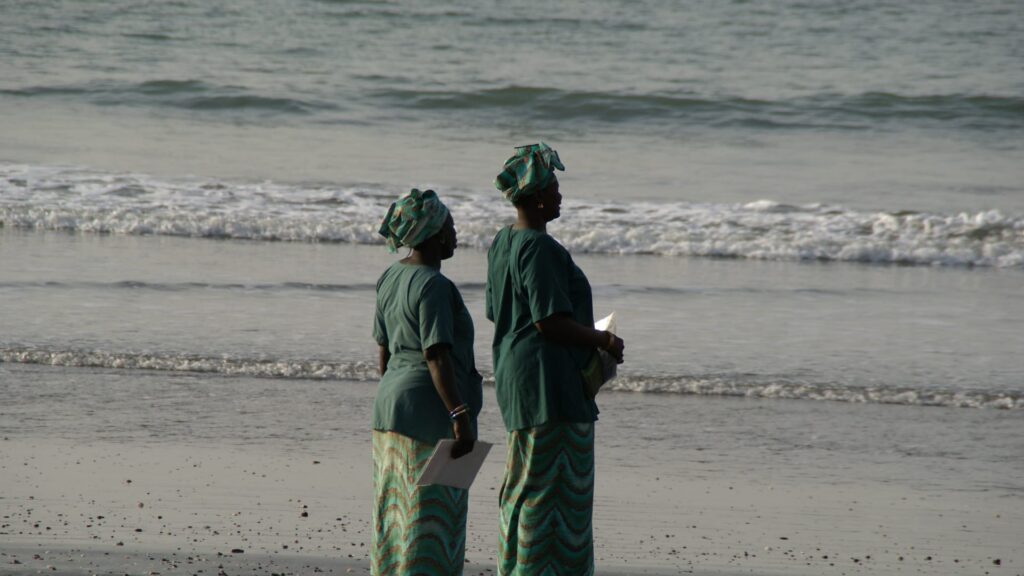
The Gambia in pictures
The Gambia on video
The player loads when you press play — nothing is requested from the video host before that.
The Gambia compared with its neighbours
How it sits against the other countries of West Africa.
| Country | Population | Area | Capital |
|---|---|---|---|
 Mauritania | 5.1 million | 1,030,700 km² | Nouakchott |
| The Gambia | 2.8 million | 11,295 km² | Banjul |
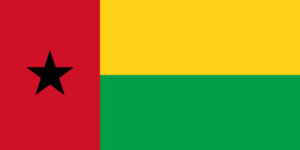 Guinea-Bissau | 2.2 million | 36,125 km² | Bissau |
 Cape Verde | 525,000 | 4,033 km² | Praia |
Ranked 140th of 195 countries by population and 159th by area.
Questions about The Gambia
What is the capital of The Gambia?
The capital of The Gambia is Banjul.
How many people live in The Gambia?
About 2.8 million people. Ranked 140th of 195 countries by population and 159th by area.
How big is The Gambia?
The Gambia covers 11,295 km², in West Africa.
What is The Gambia known for?
The Gambia is best known for The River Gambia, Kunta Kinte Island and Abuko Nature Reserve.
What language is spoken in The Gambia?
English is the official language, but several indigenous languages are also spoken.
What currency is used in The Gambia?
Gambian dalasi.
Is The Gambia a country?
Yes. The Gambia is a sovereign state and is counted among the 195 countries this generator draws from.