

Croatia
Southern Europe
Croatia is a country in Southern Europe, home to 3.9 million people, with an area of 56,594 km². Its capital is Zagreb.
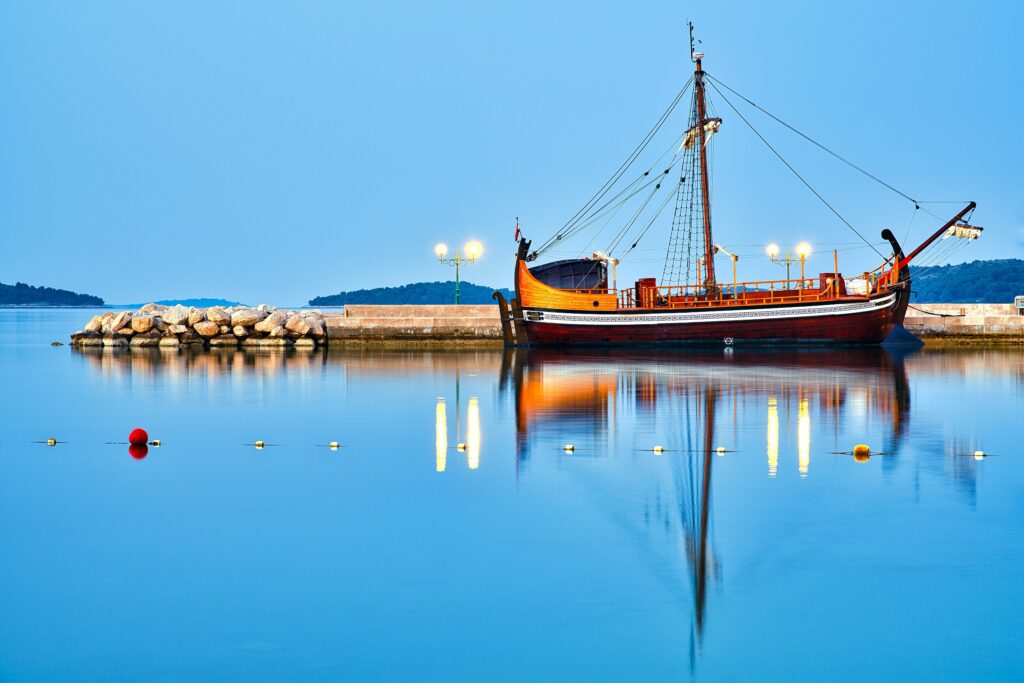
- Capital
- Zagreb
- Population
- 3.9 million
- Area
- 56,594 km²
- Region
- Southern Europe
- Density
- 68.0 / km²
- Status
- Sovereign state
Population: UN World Population Prospects, 2024 revision. Area: CIA World Factbook.
What Croatia is known for
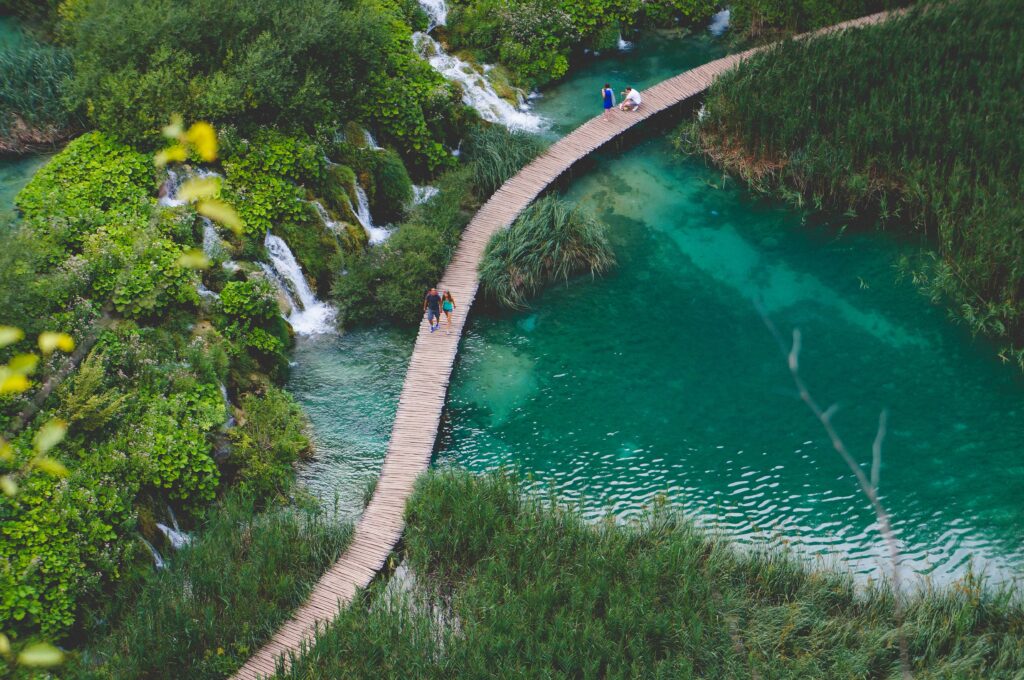
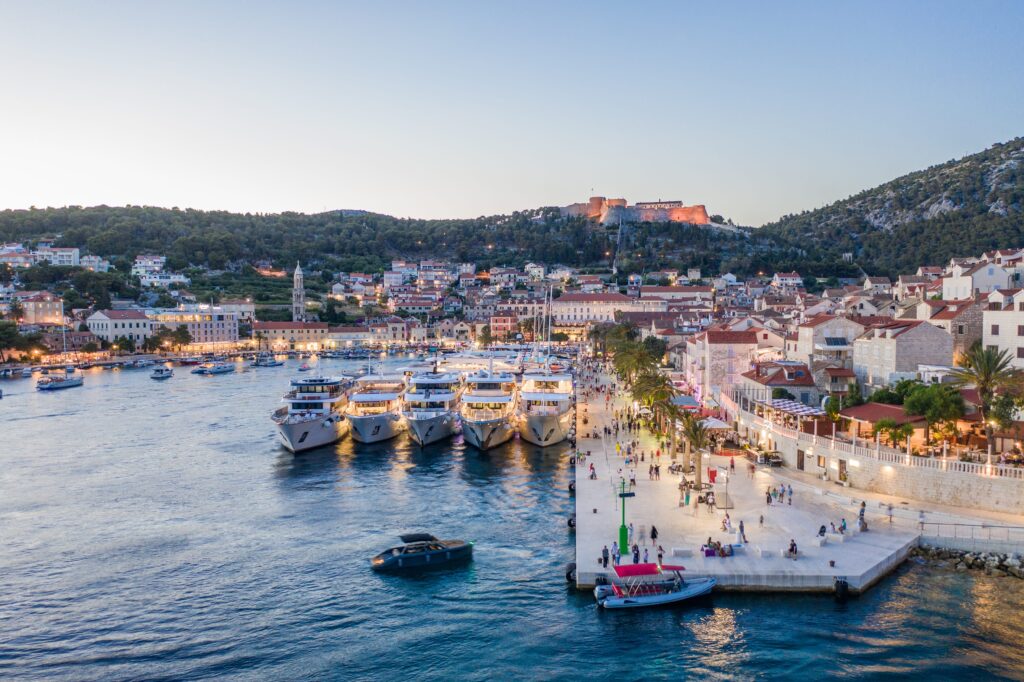
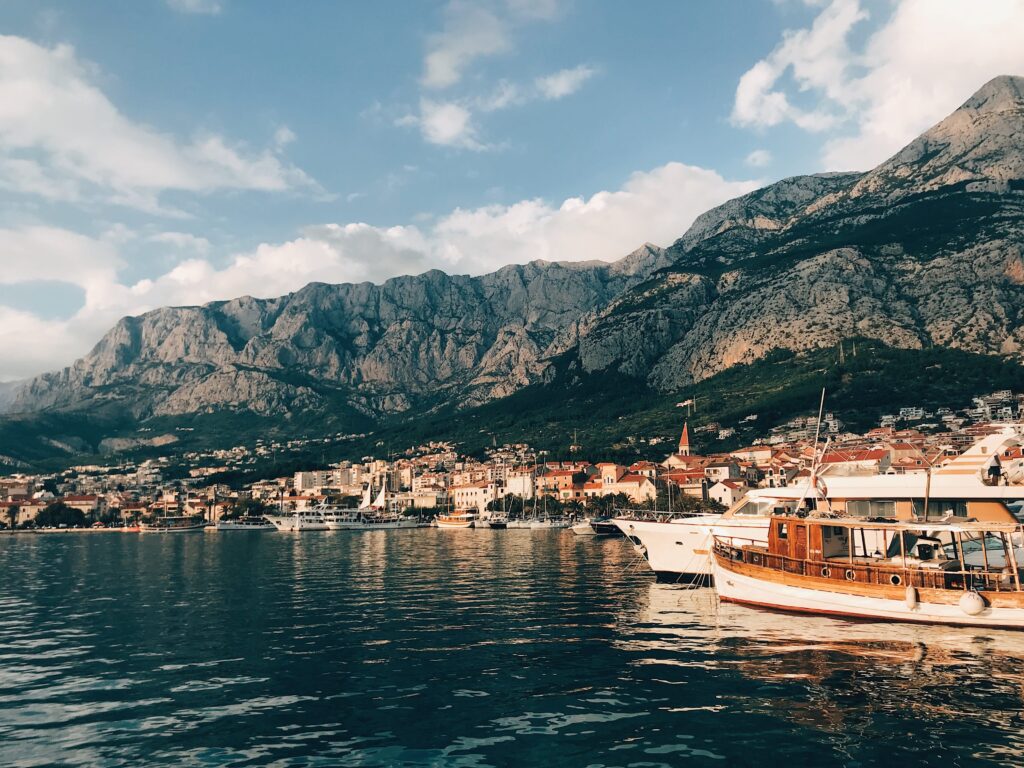
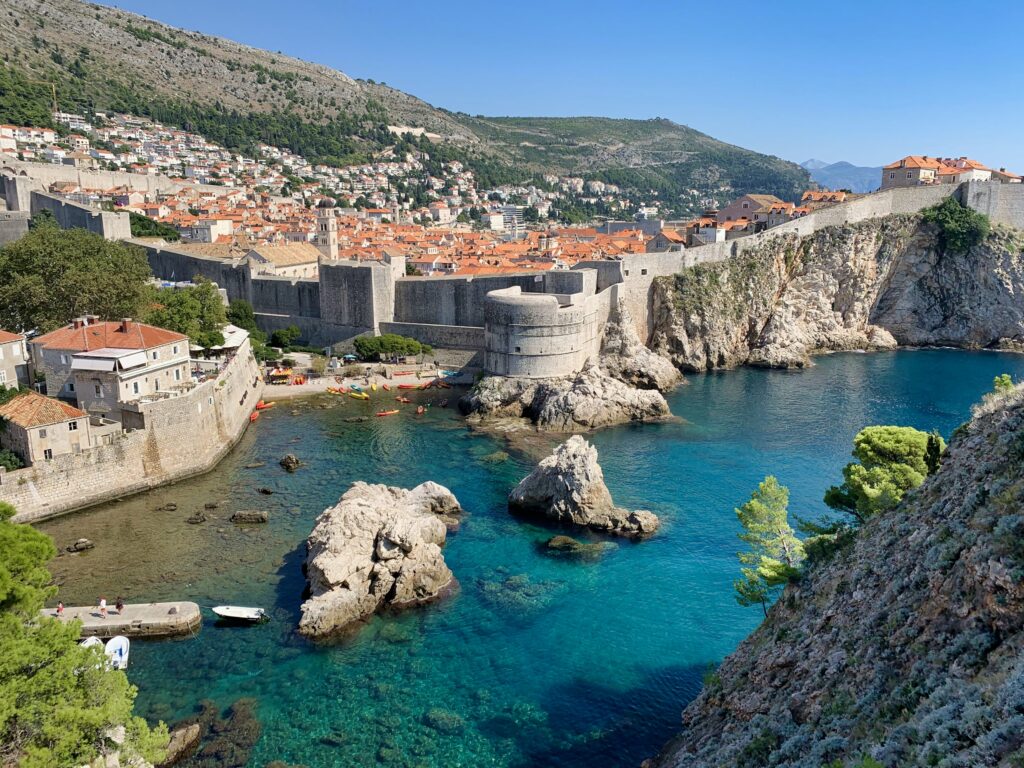
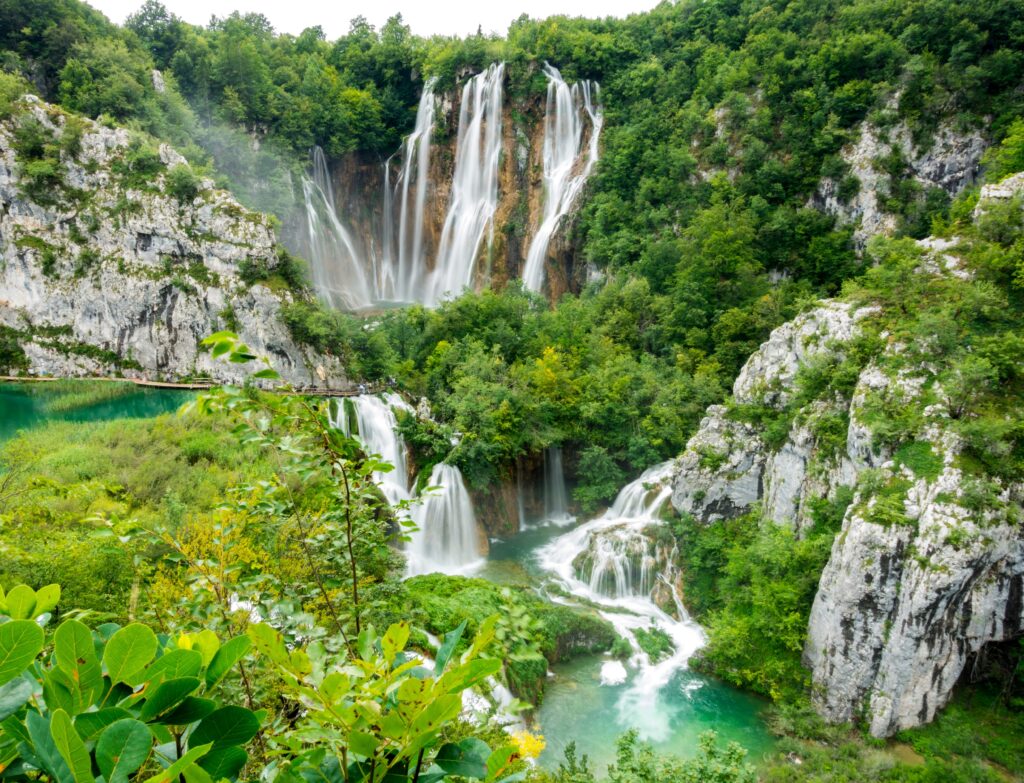
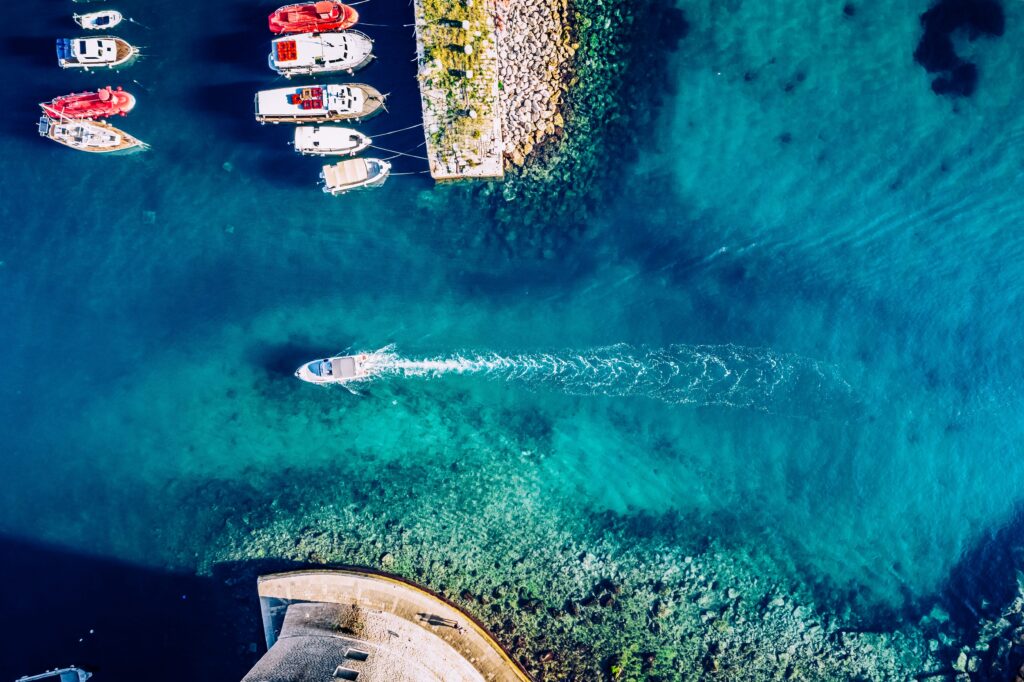
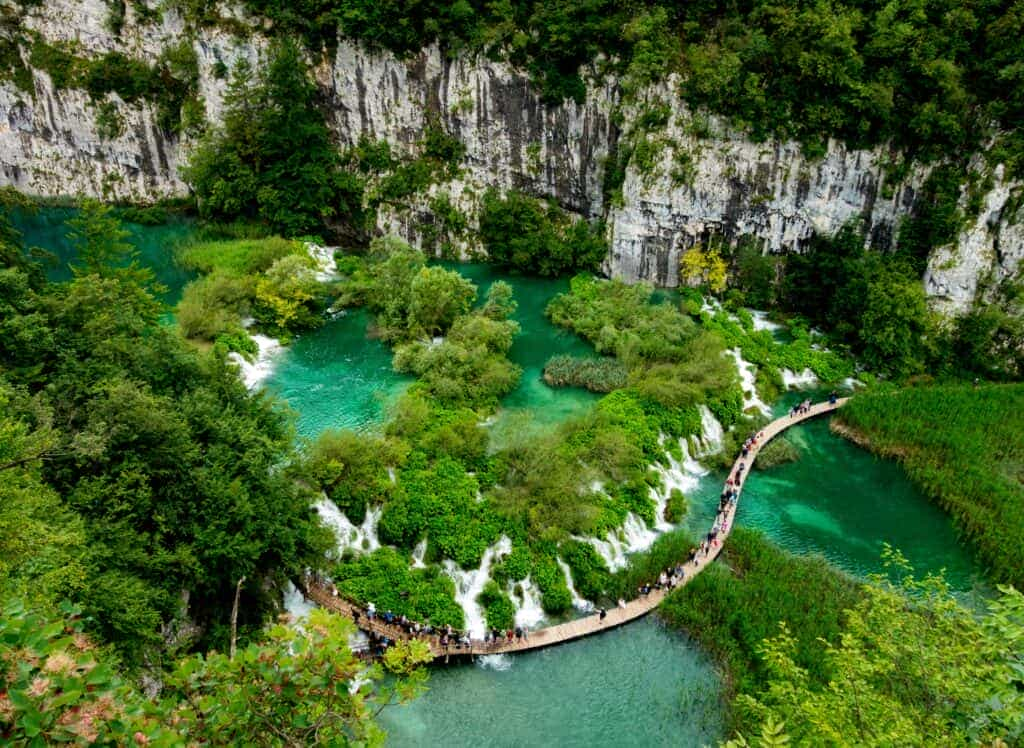
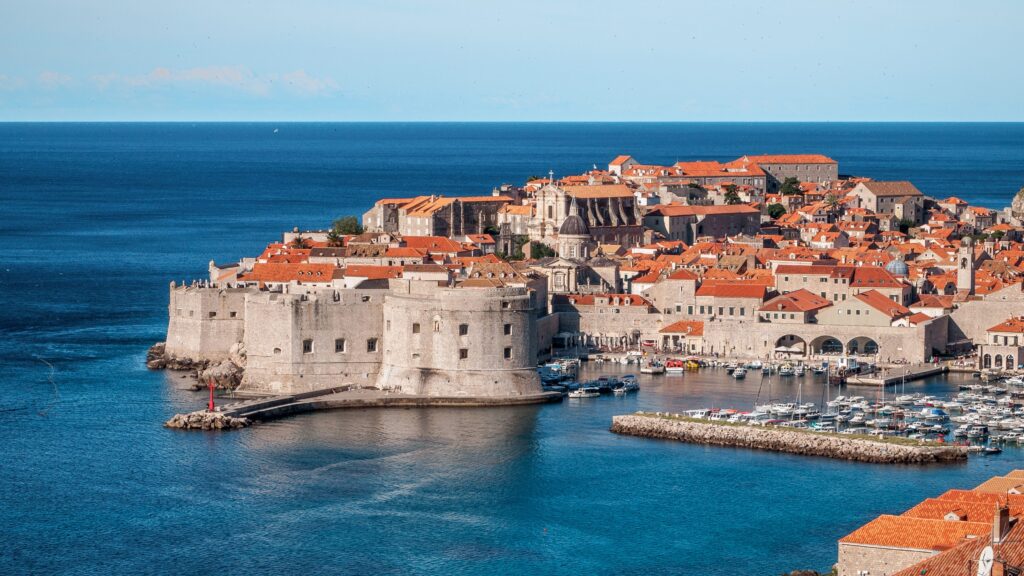
Croatia is best known for Dubrovnik, Plitvice Lakes National Park and Hvar.
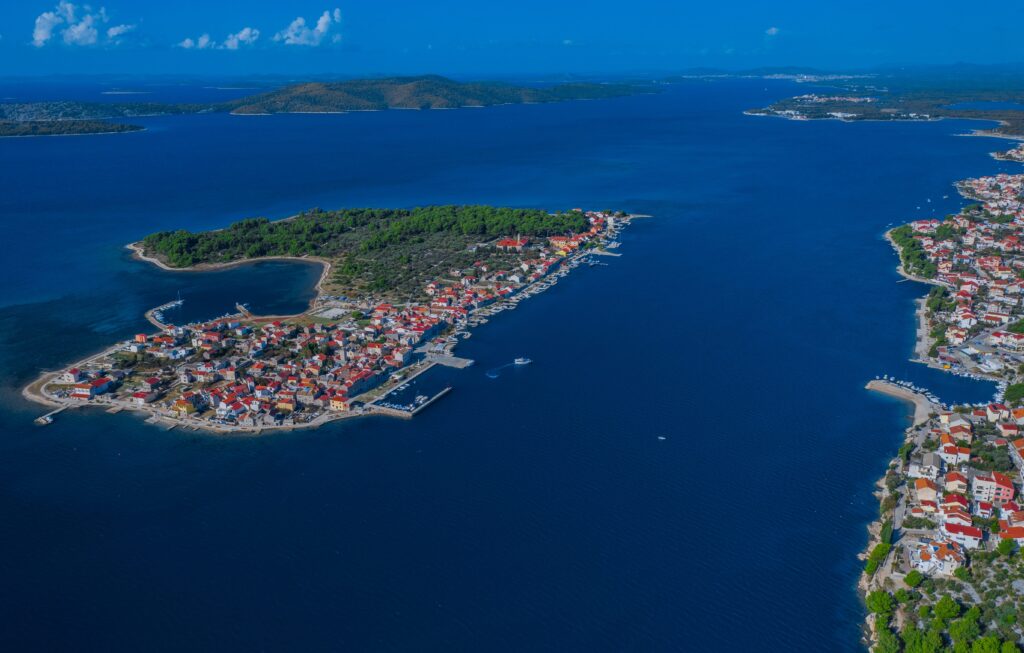
Croatia is a country located in Southeast Europe on the Adriatic Sea. It is bordered by Slovenia to the northwest, Hungary to the northeast, Serbia to the east, Bosnia and Herzegovina to the southeast, Montenegro to the south, and the Adriatic Sea to the west.
Croatia at a glance
- Language
- Croatian is the official language, with Italian, Hungarian, Czech, Slovak, and Serbian recognized as regional languages
- Currency
- Croatian kuna
- Religion
- Roman Catholicism is the predominant religion, followed by Eastern Orthodoxy and Islam
- National dish
- Ćevapi (grilled minced meat served in a flatbread)
- Climate
- Croatia has a Mediterranean climate along the coast, with mild, wet winters and hot, dry summers. The interior has a continental climate with colder winters and hotter summers
- Main industries
- Tourism, shipbuilding, food processing, chemicals, and pharmaceuticals
- GDP
- $65.9 billion (2019 estimate)
- Development
- Croatia is considered a high-income economy and is a member of the European Union and the United Nations
Things to do in Croatia
Some of the main tourist attractions in Croatia include:
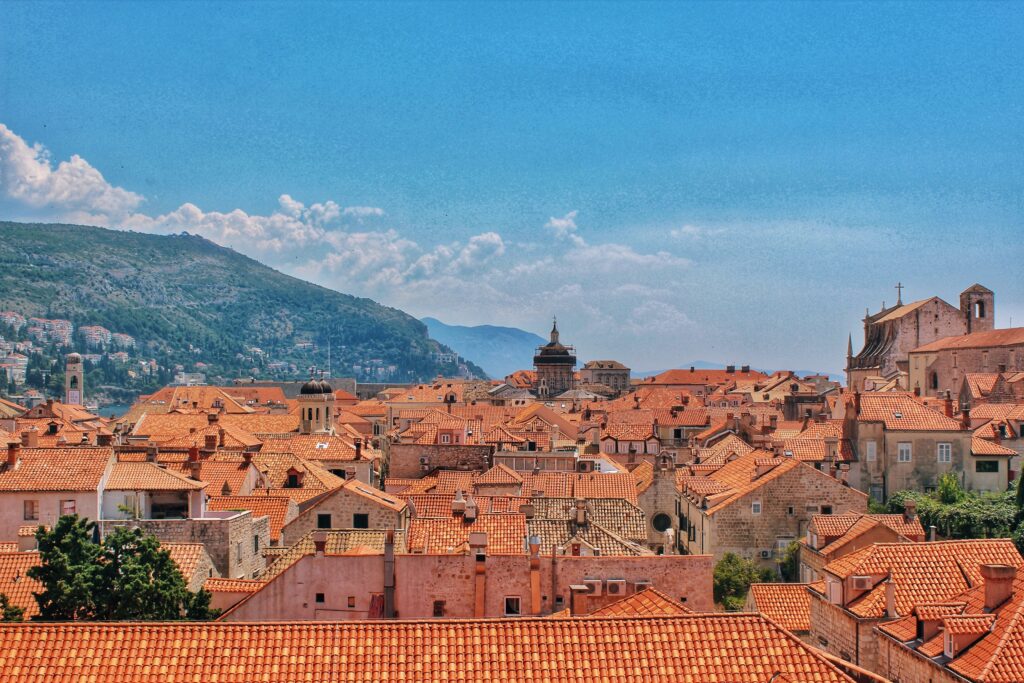
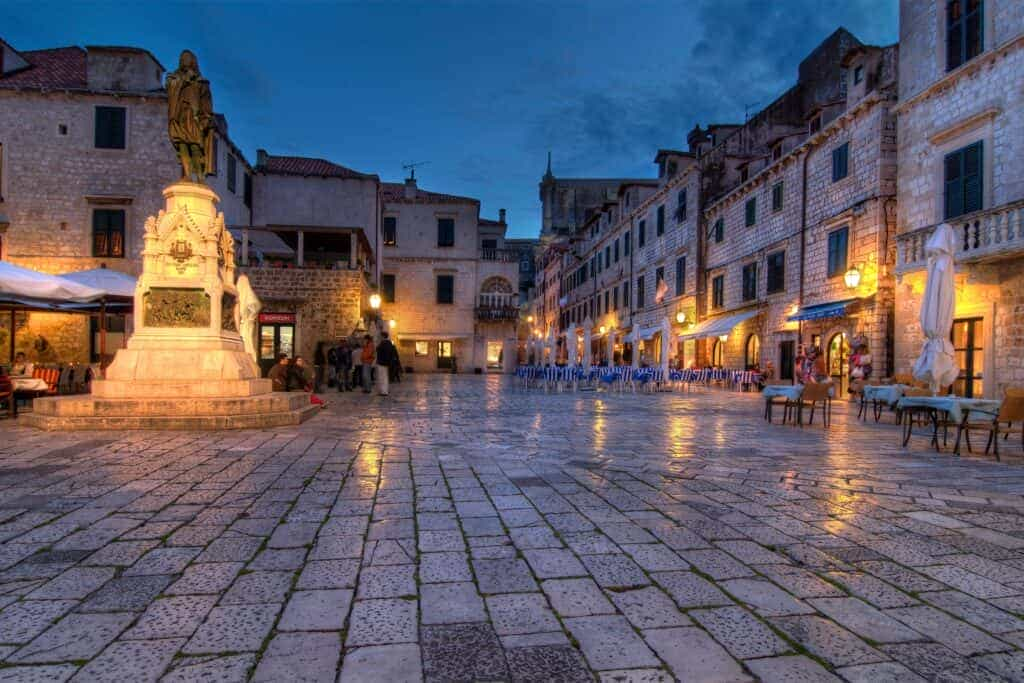
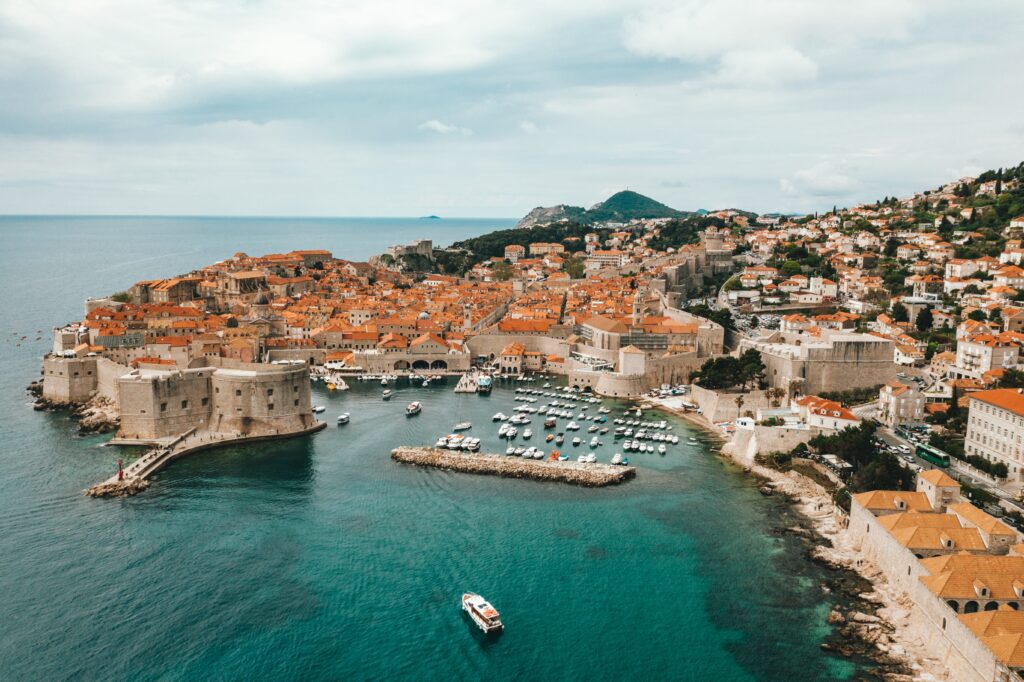
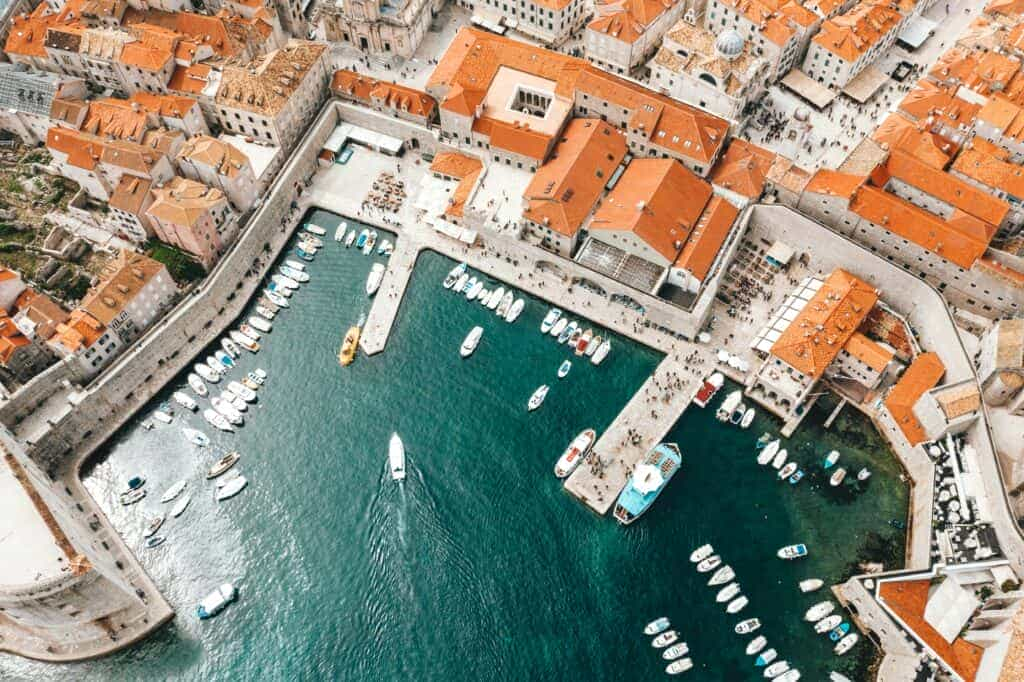
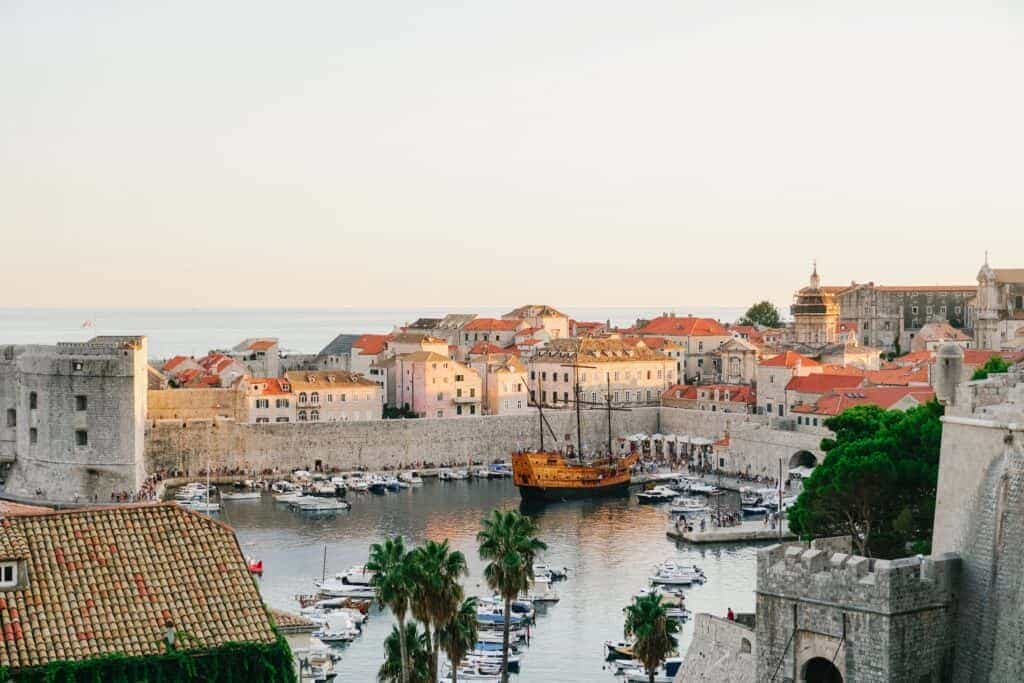
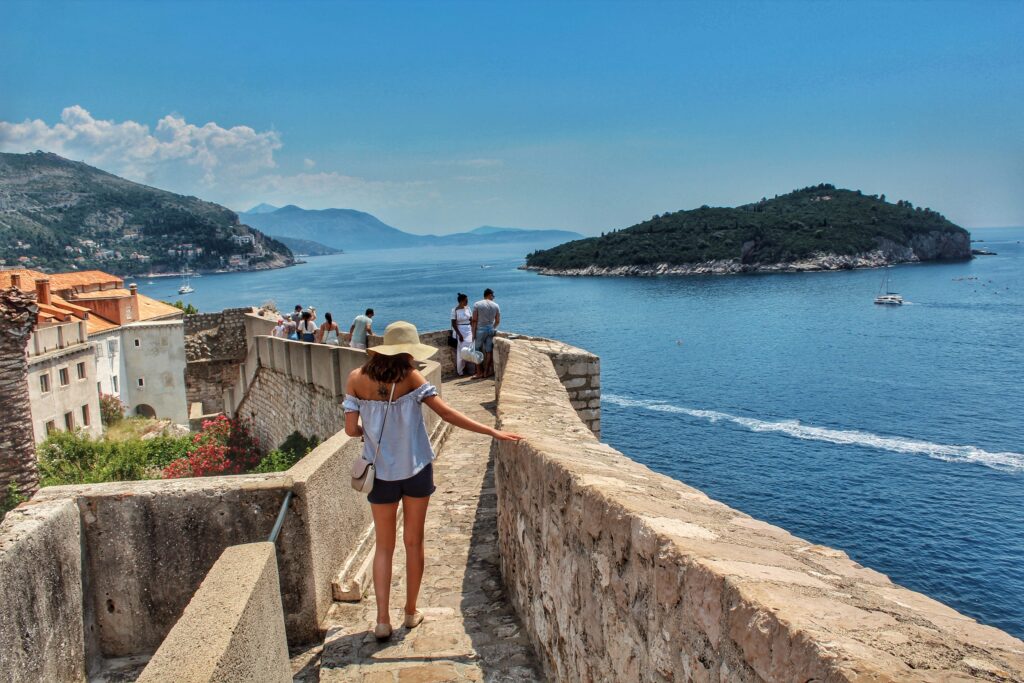
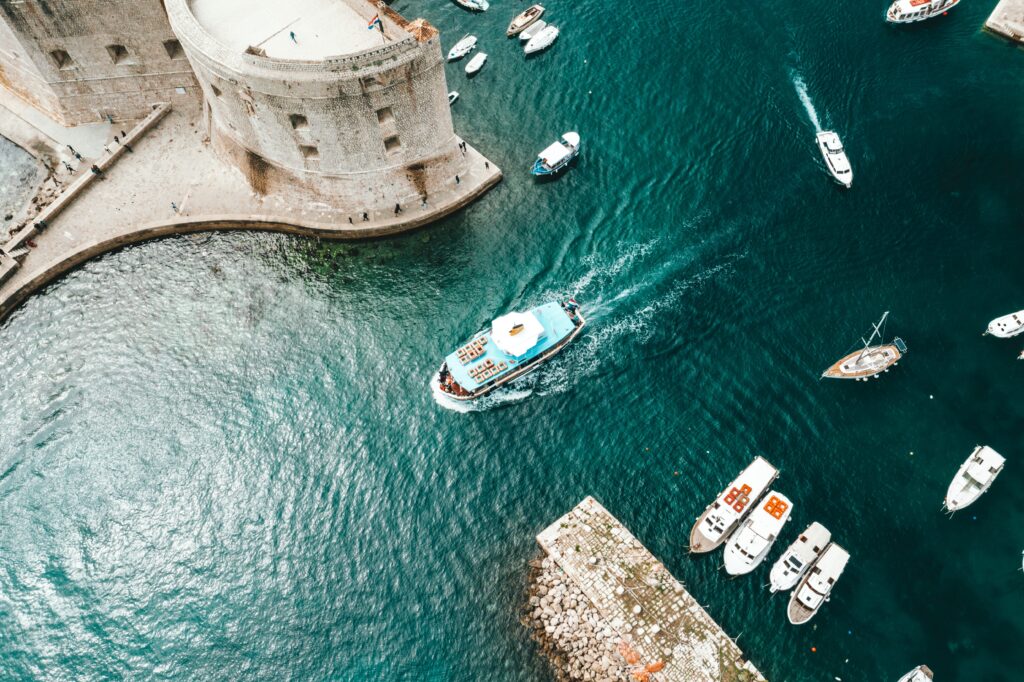
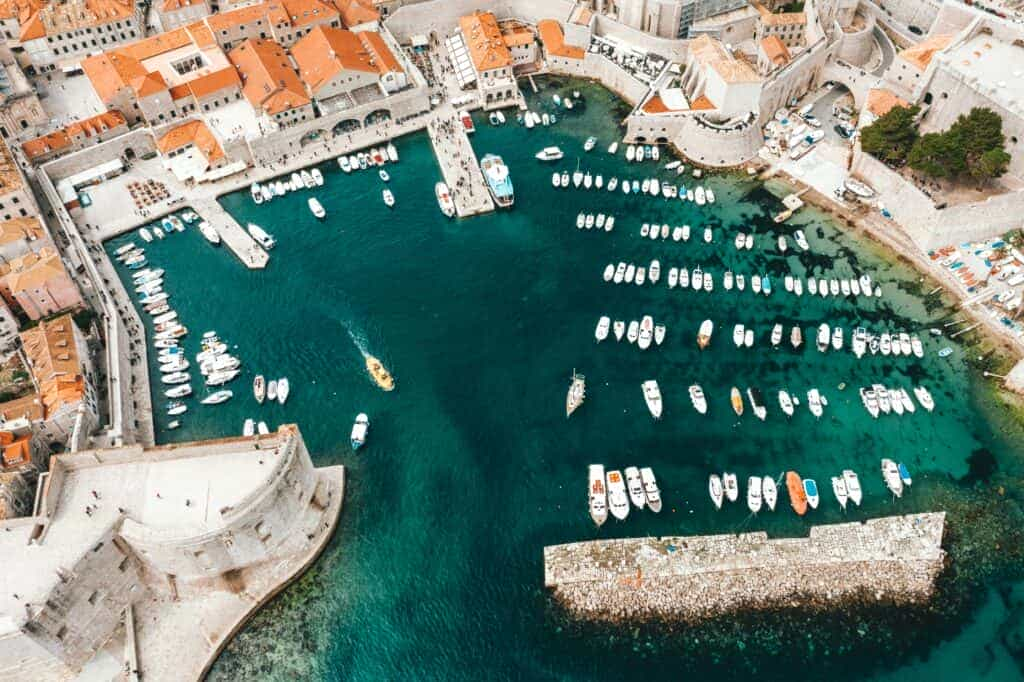
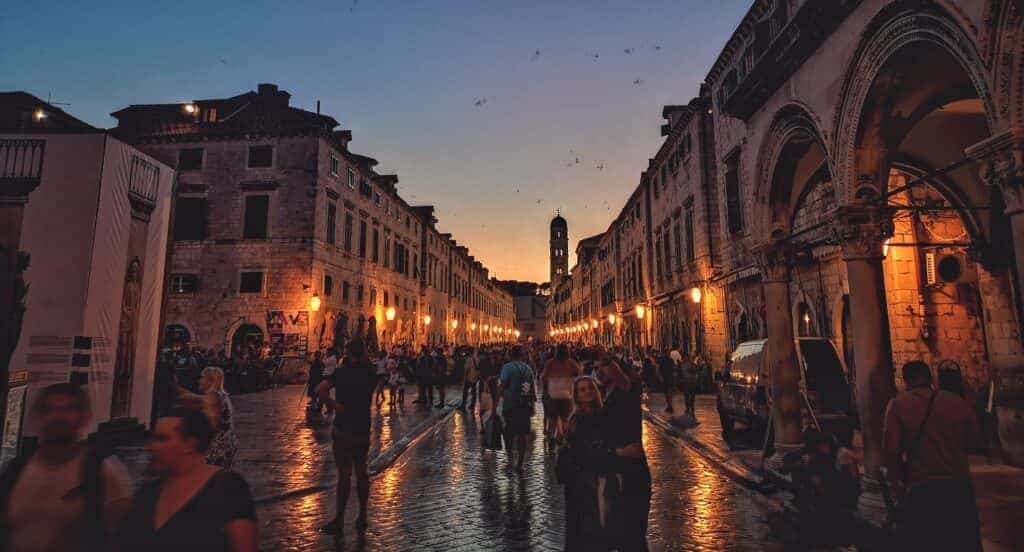
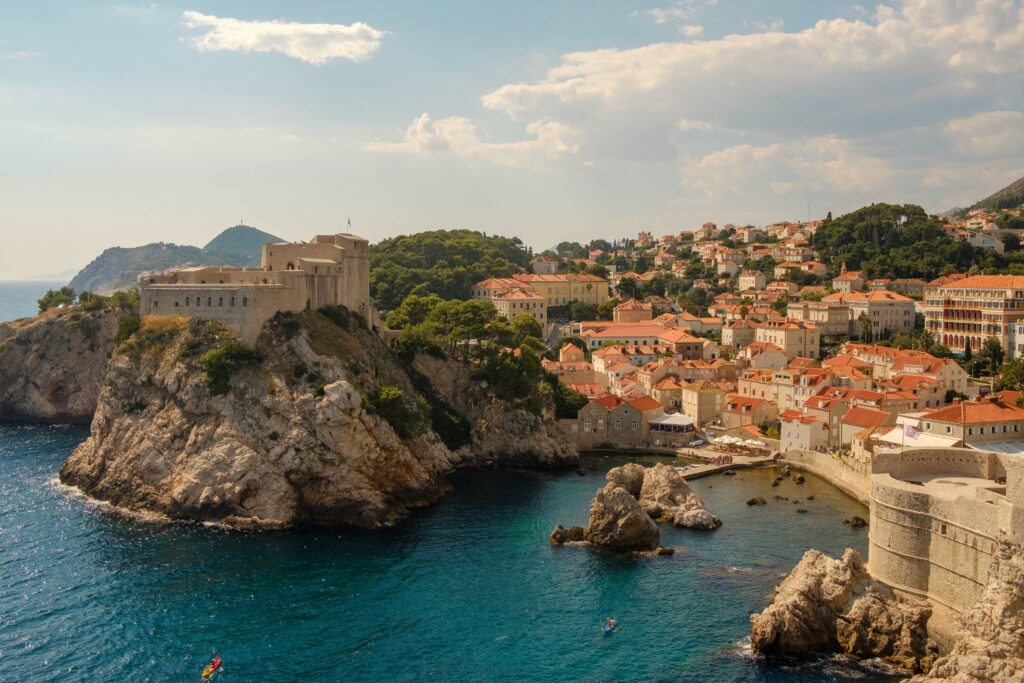
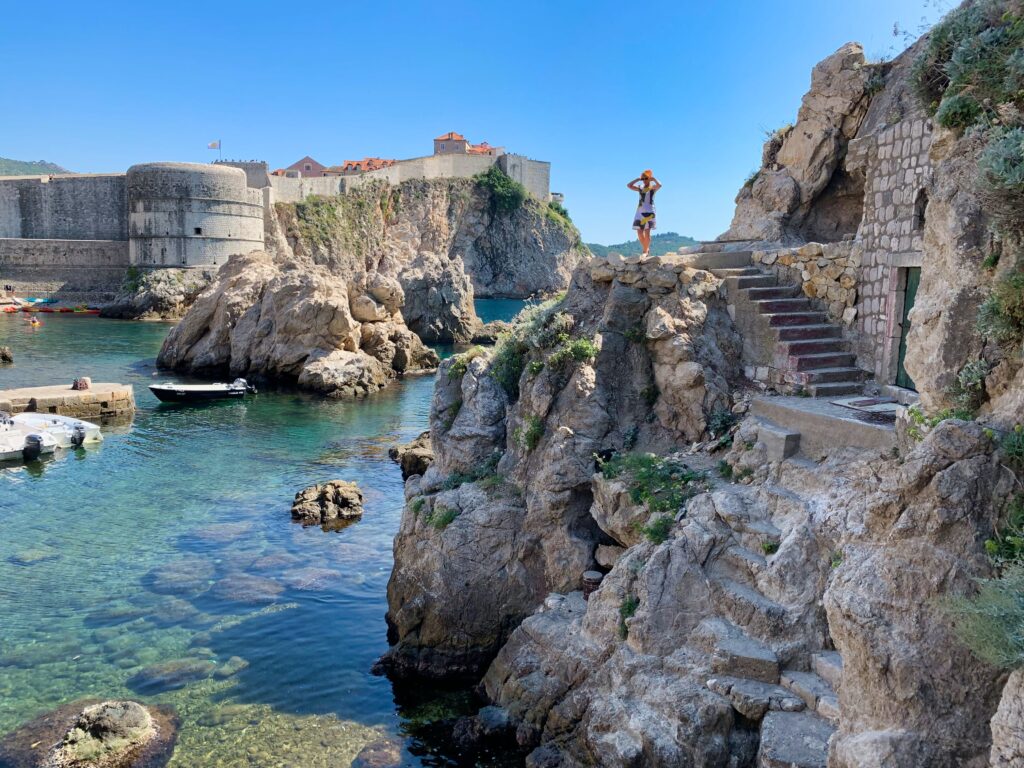
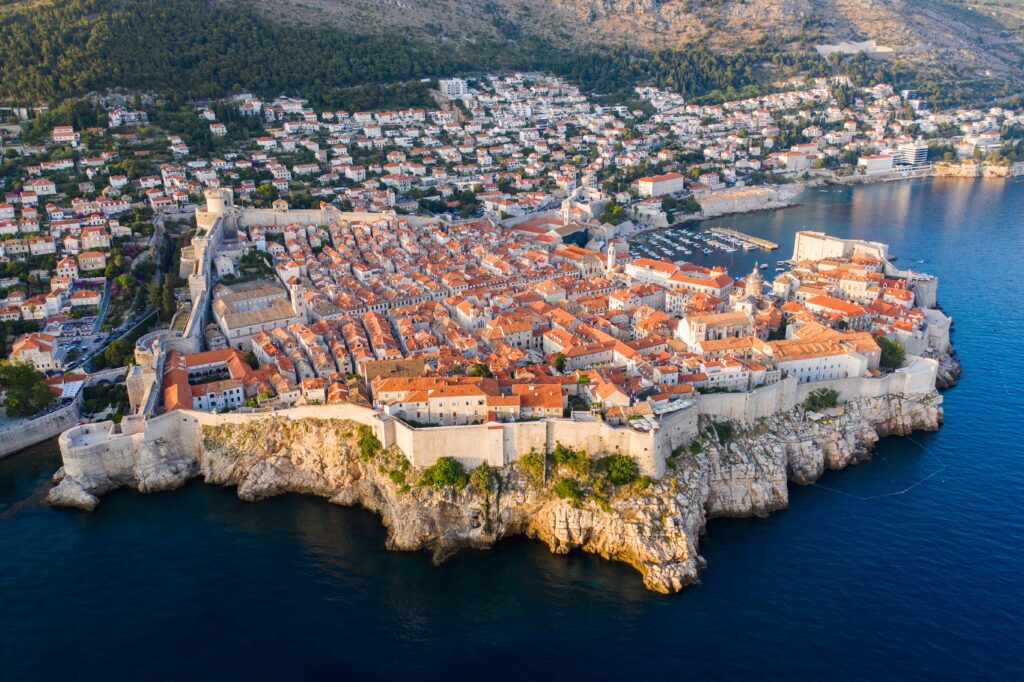
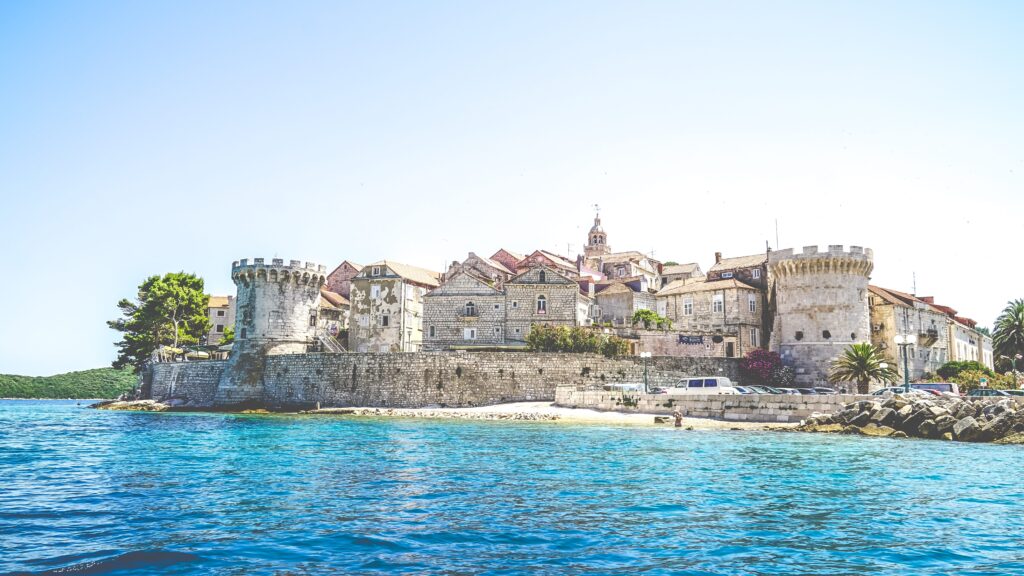
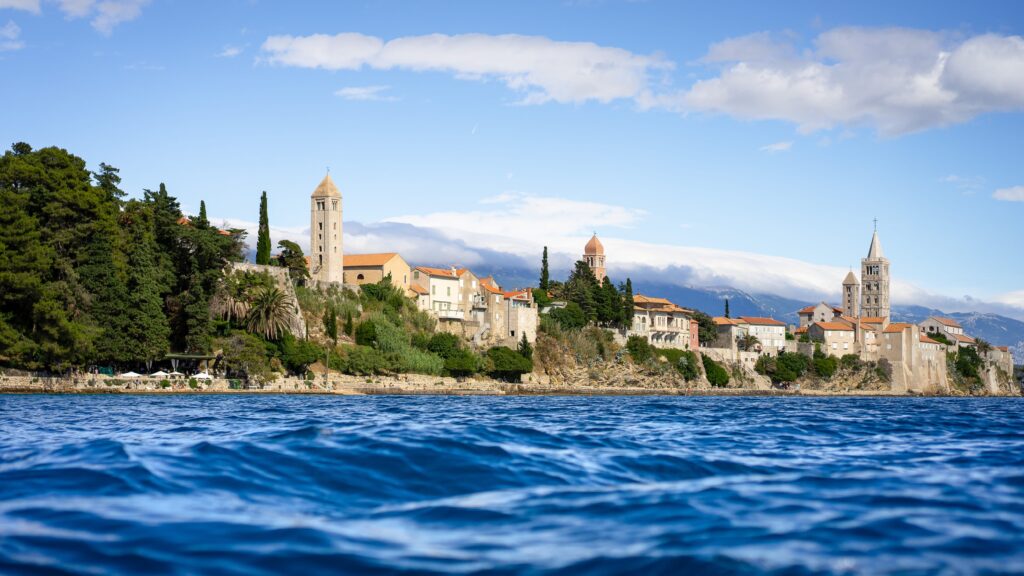
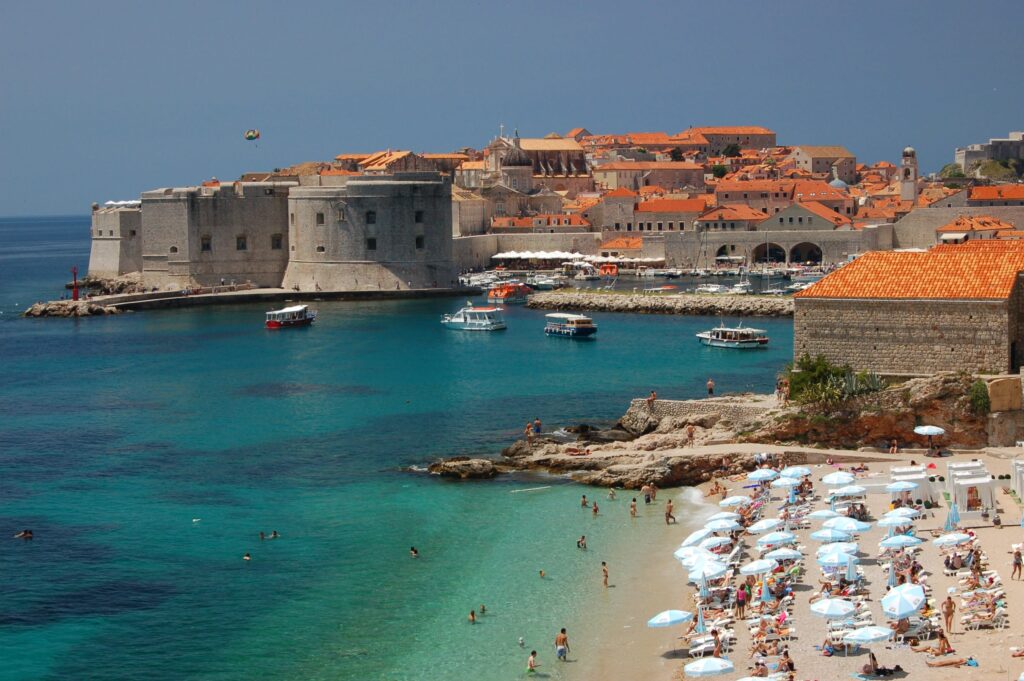
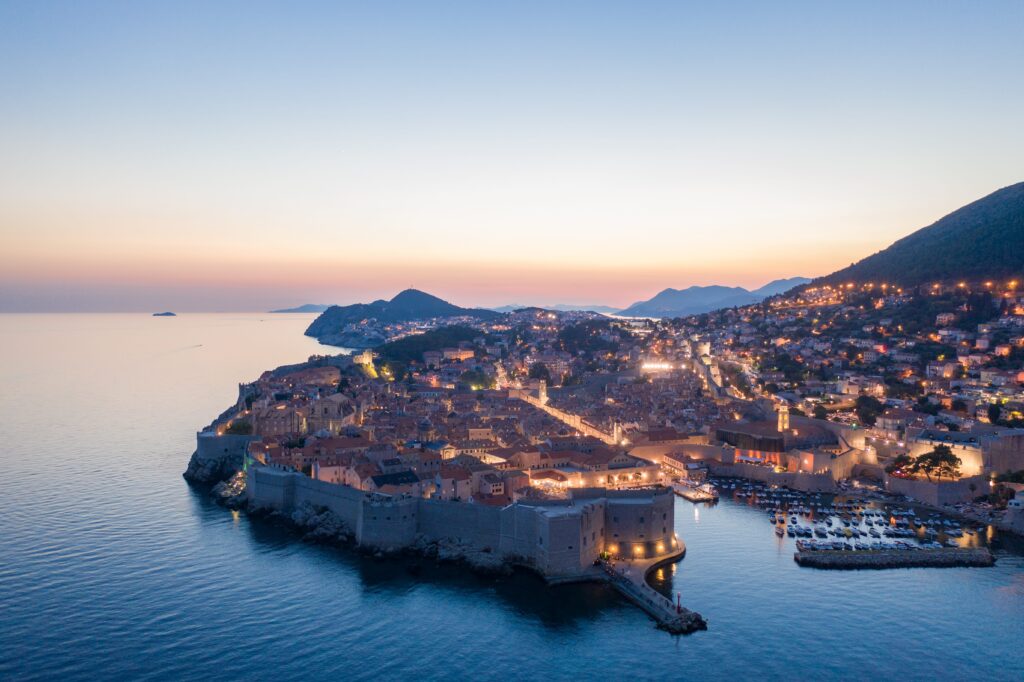
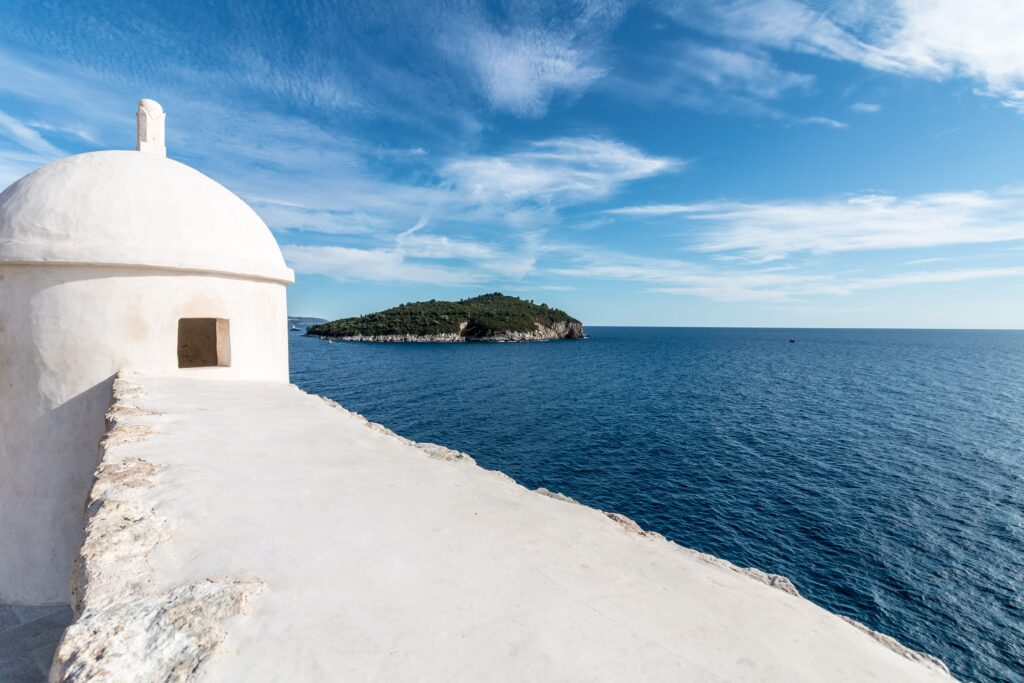
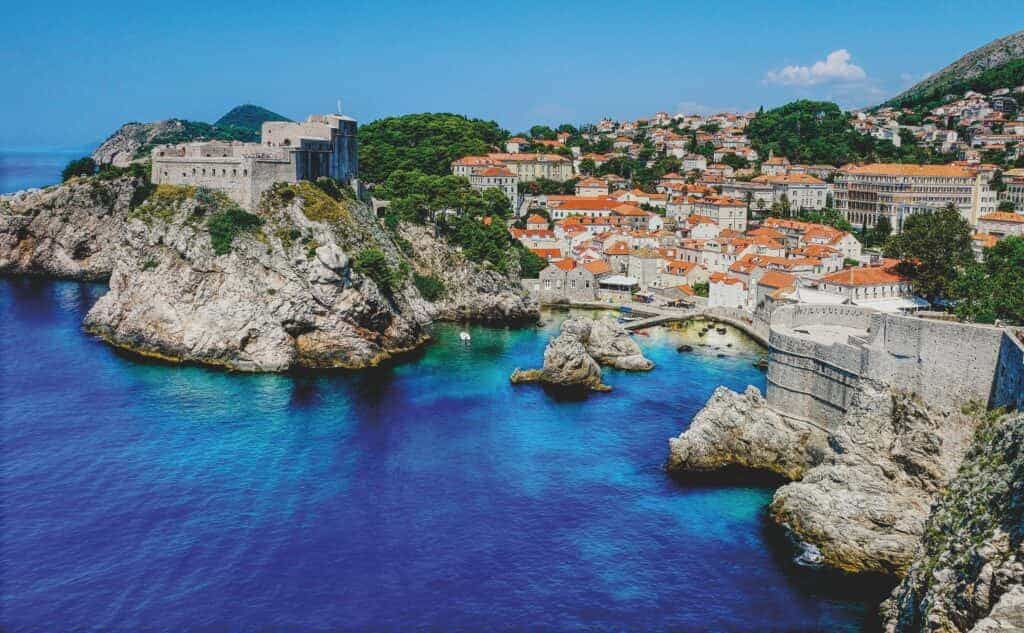
- Dubrovnik a medieval walled city on the Adriatic Sea that is known for its historic Old Town and stunning views.
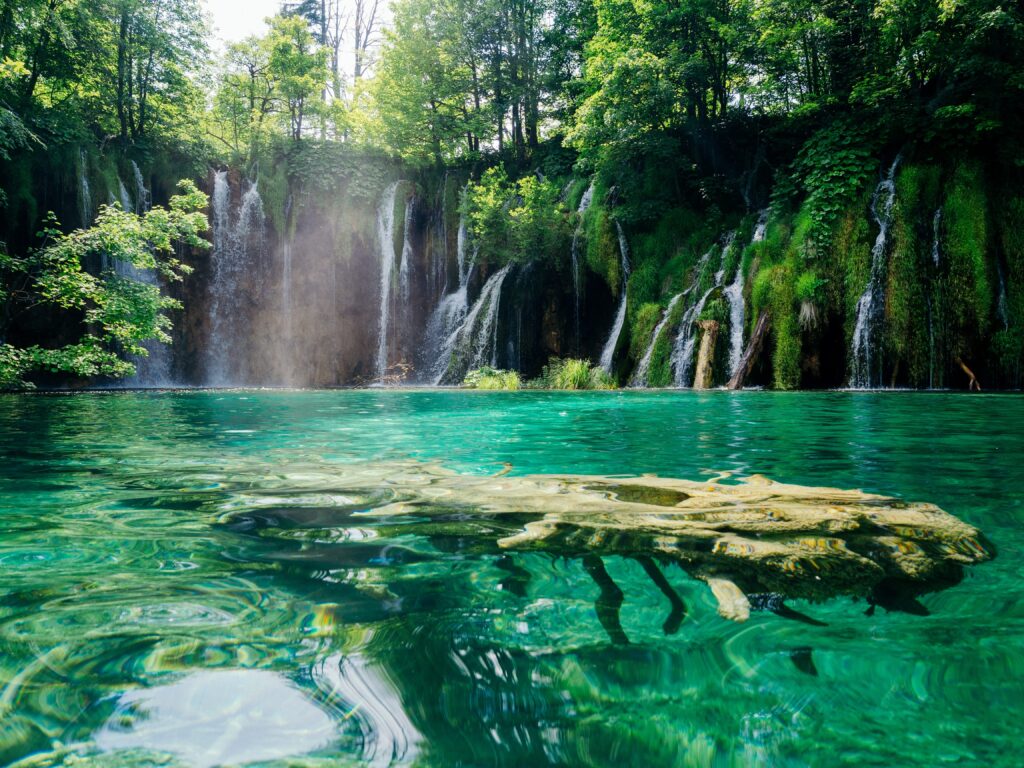
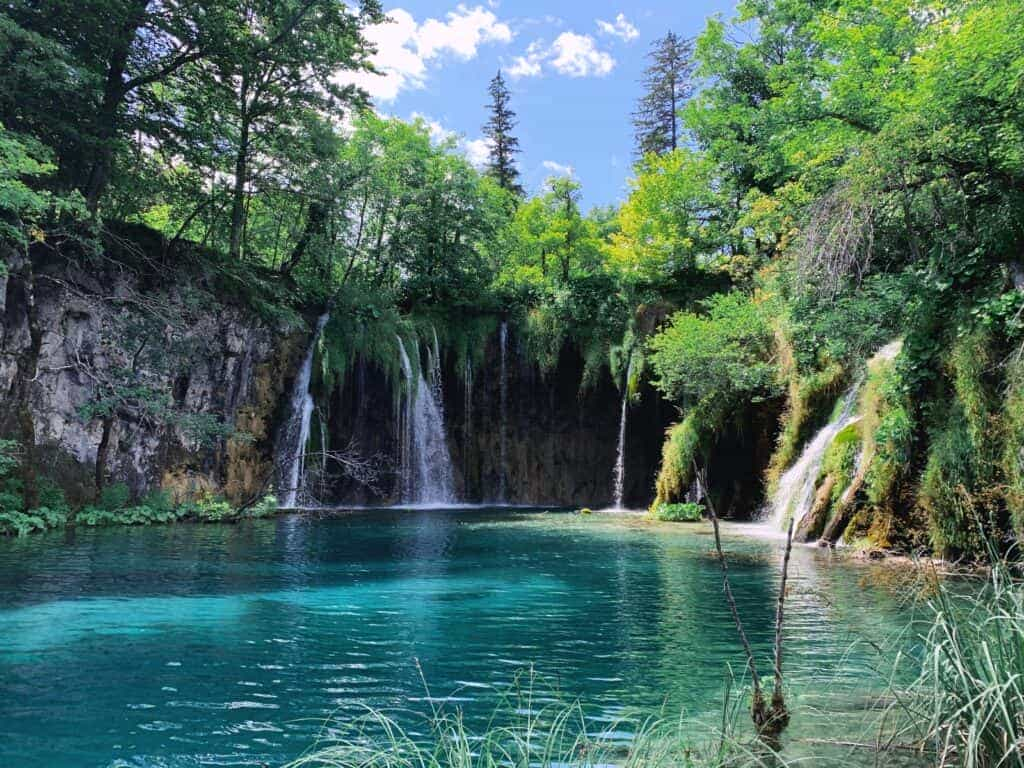
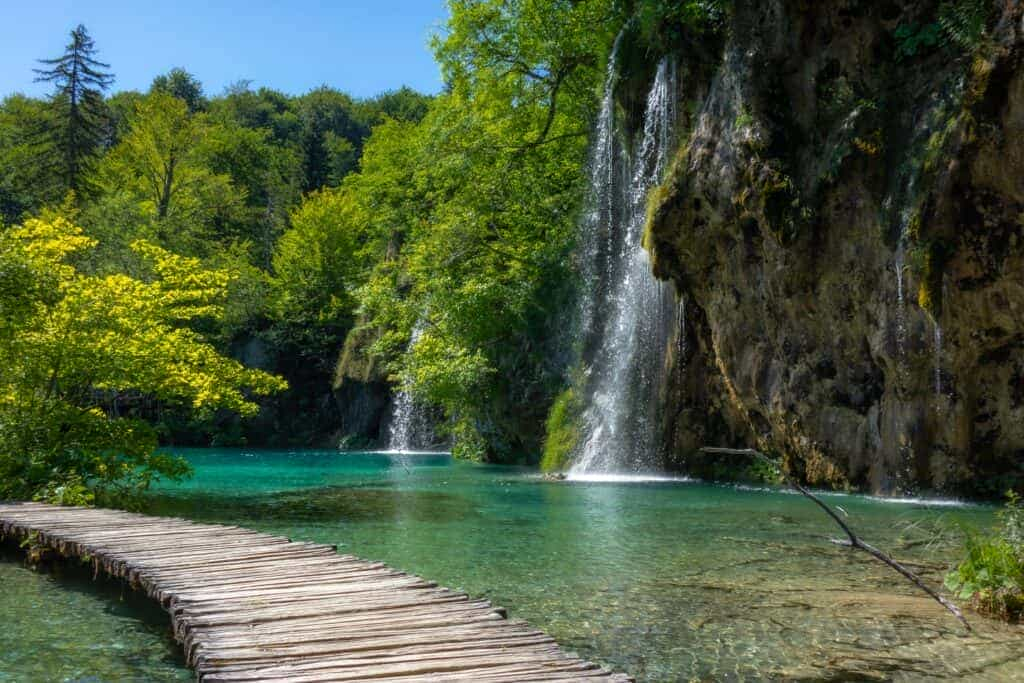
- Plitvice Lakes National Park a UNESCO World Heritage Site that is home to a series of interconnected lakes and waterfalls.
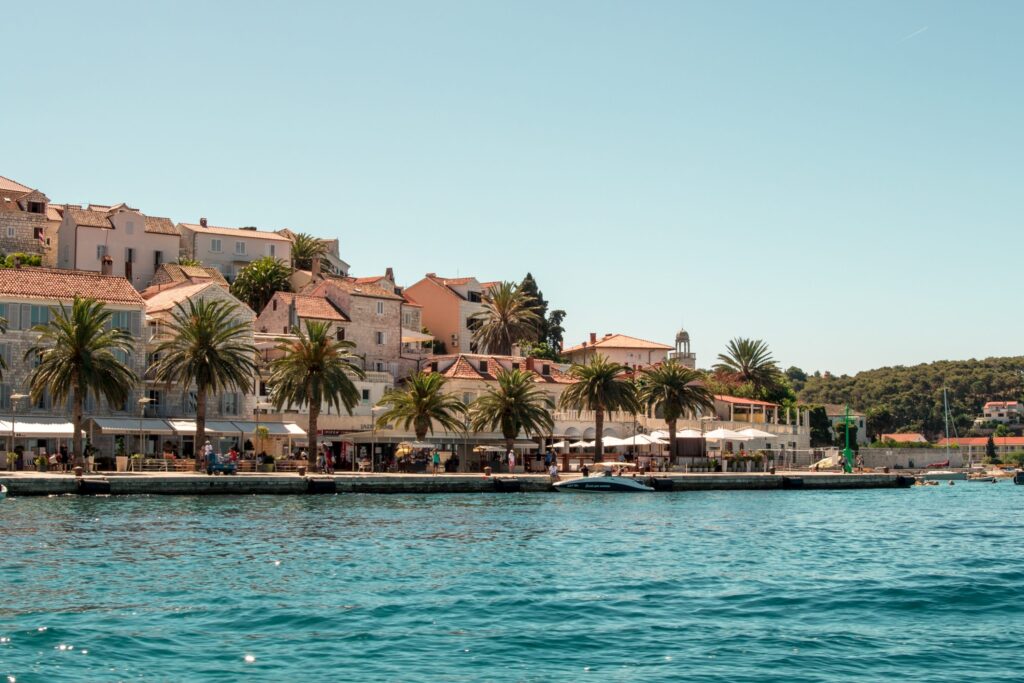
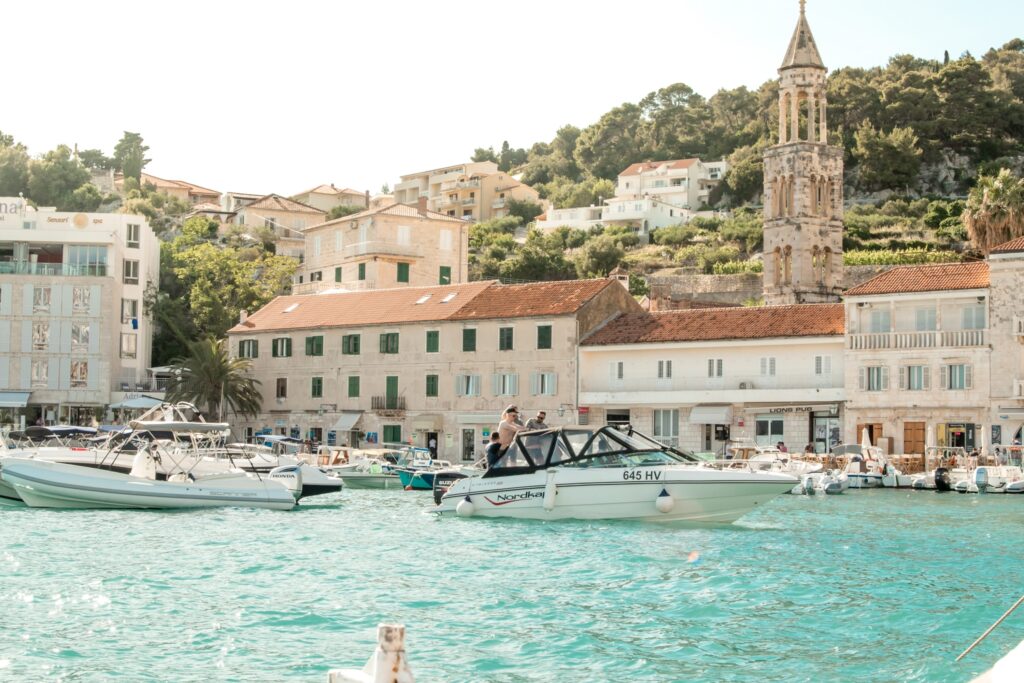
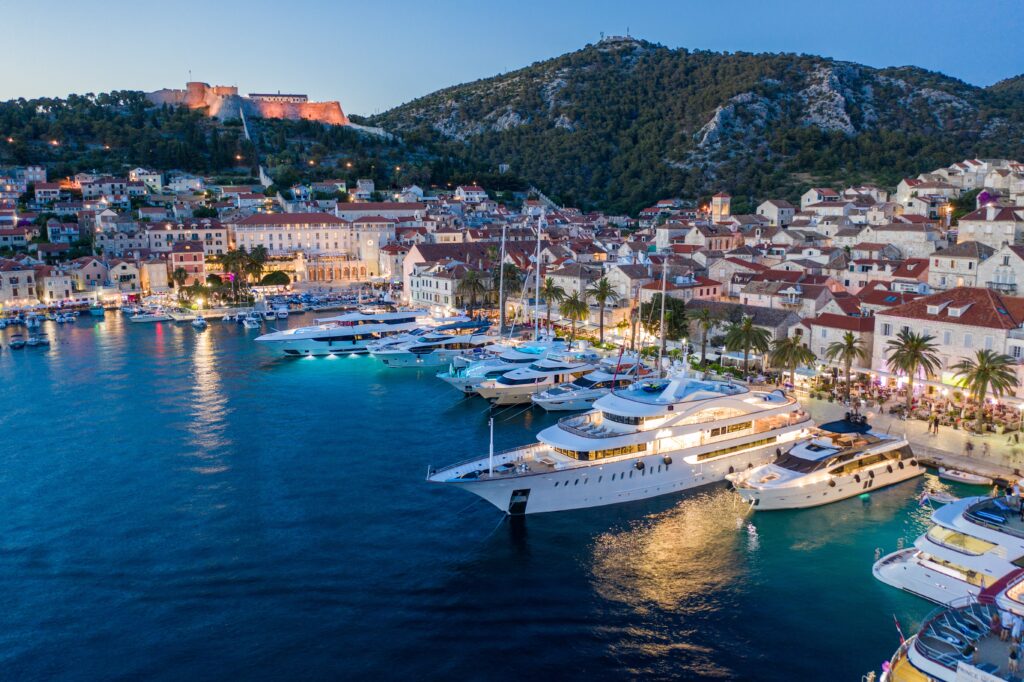
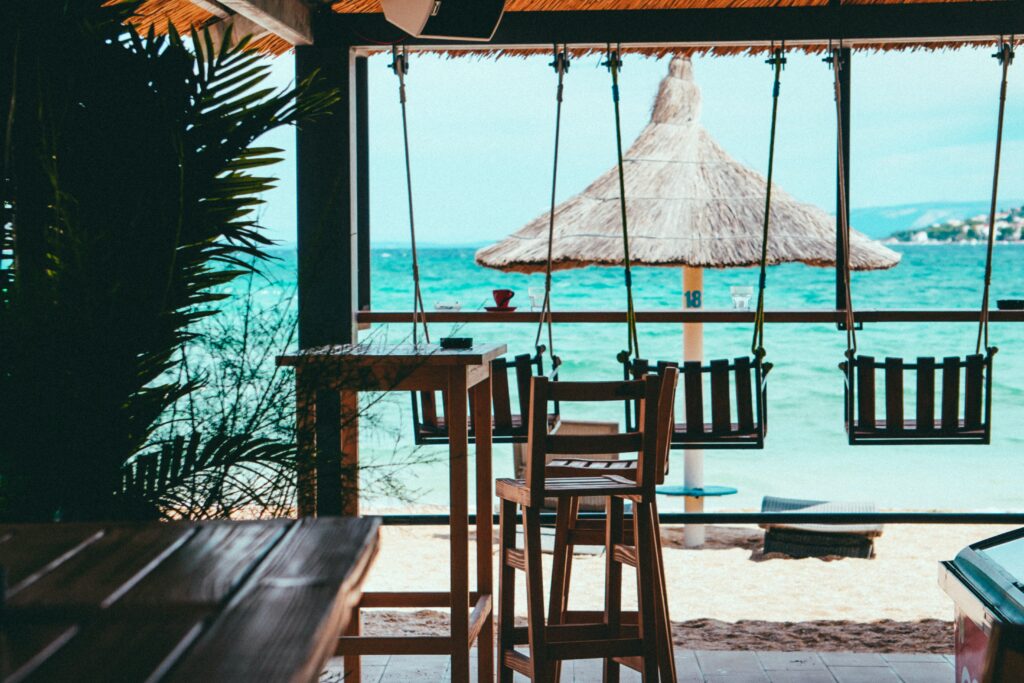
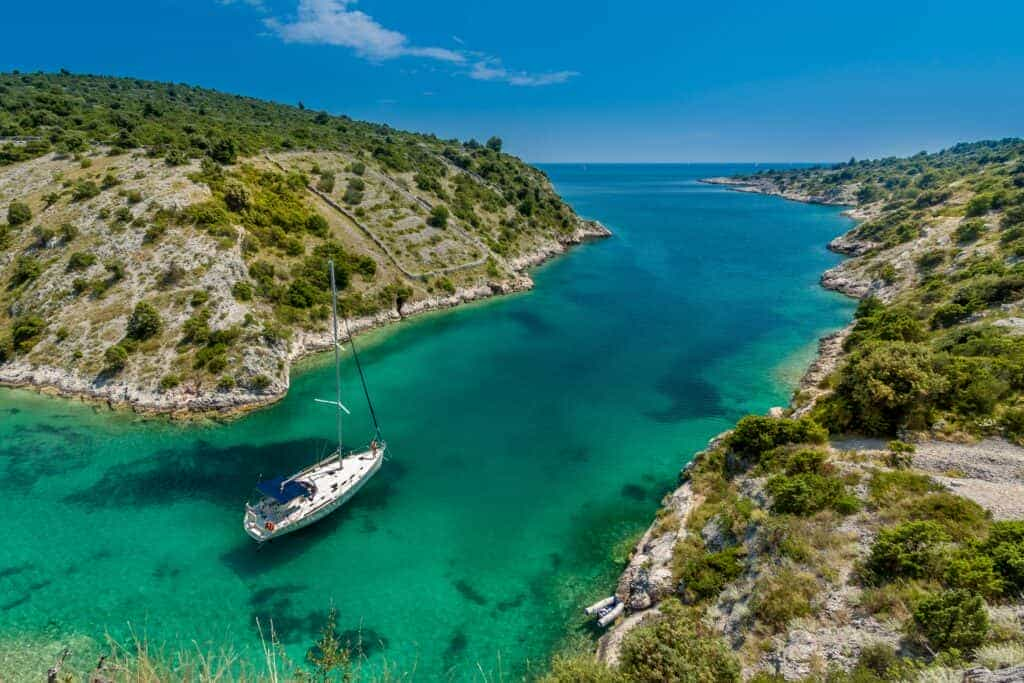
- Hvar a popular island in the Adriatic Sea that is known for its beaches, nightlife, and lavender fields.
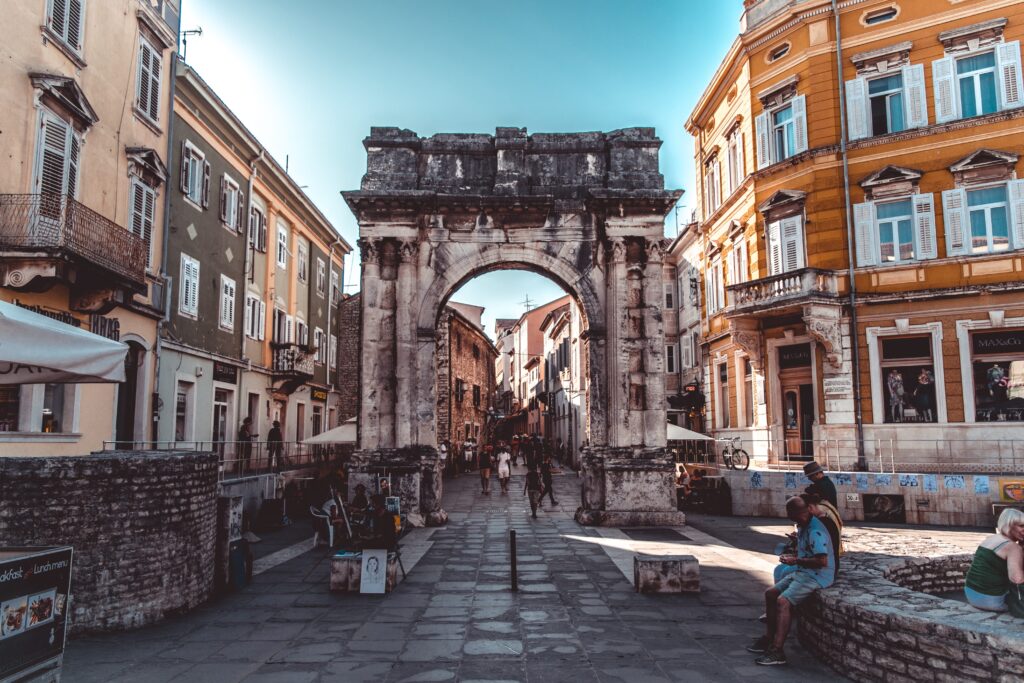
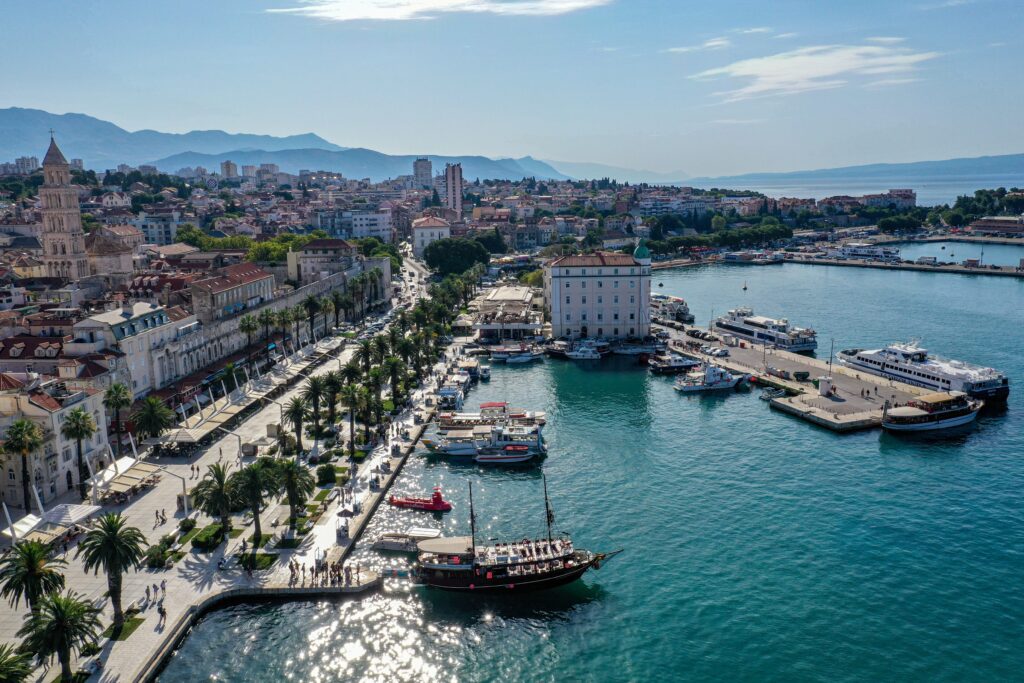
- Diocletian's Palace a well-preserved Roman palace in Split that is now a UNESCO World Heritage Site.
- Rovinj a picturesque fishing town on the Istrian Peninsula that is known for its colorful houses and narrow streets.
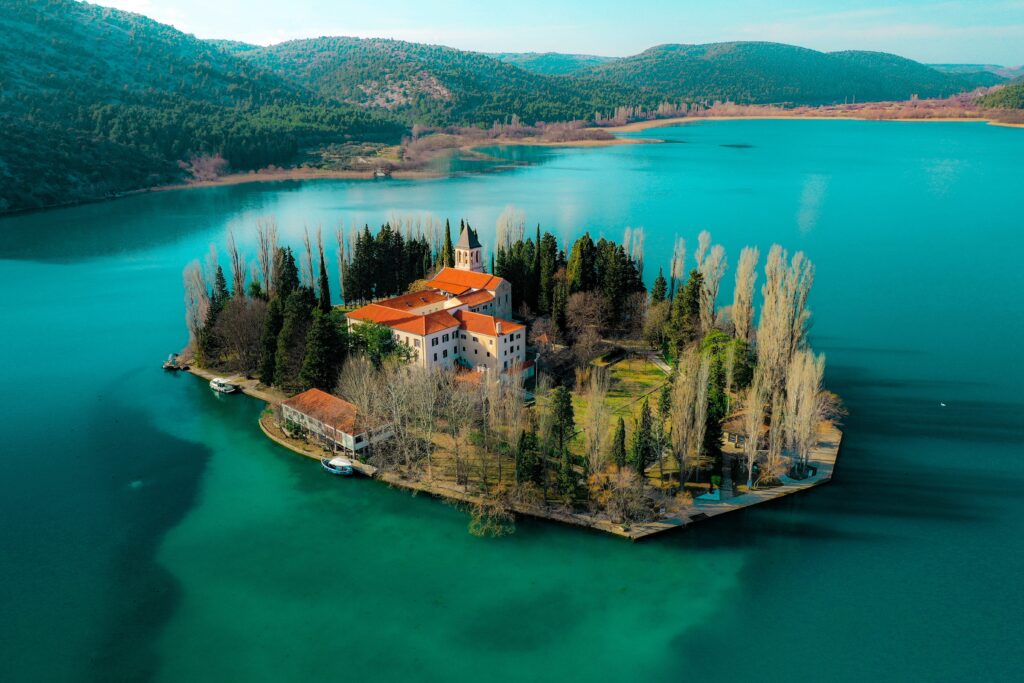
- Krka National Park another park with stunning waterfalls, located along the Krka River.
These are just a few examples of the many attractions that Croatia has to offer.
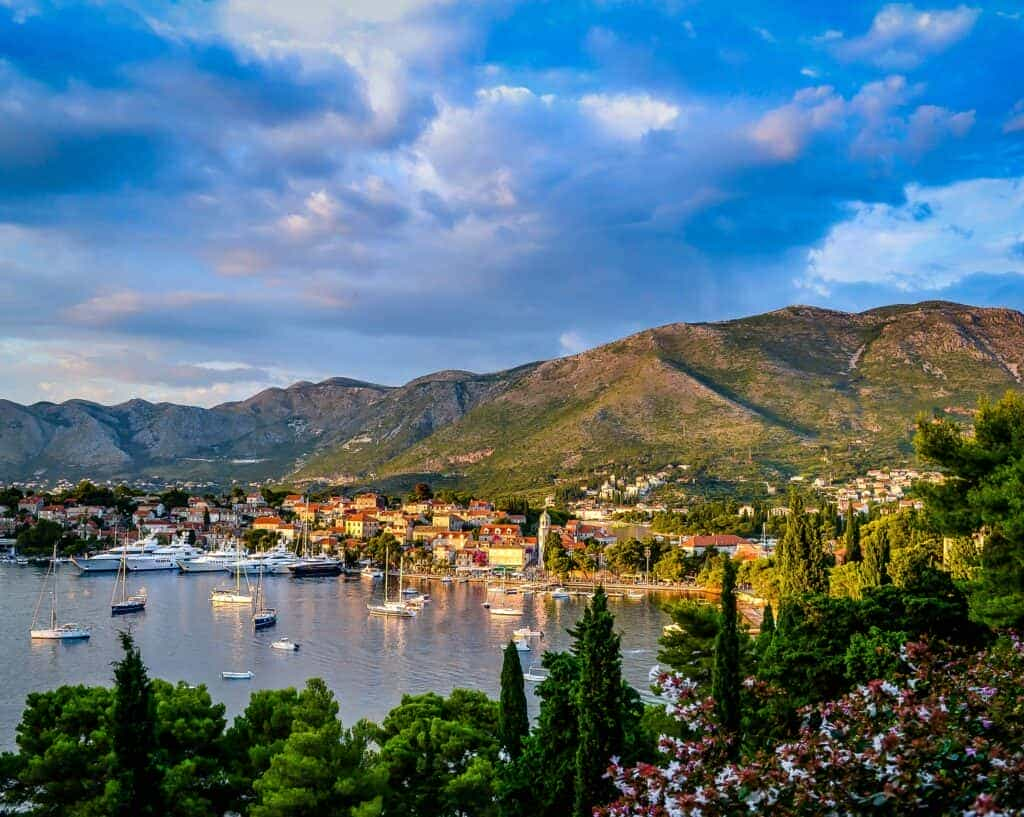
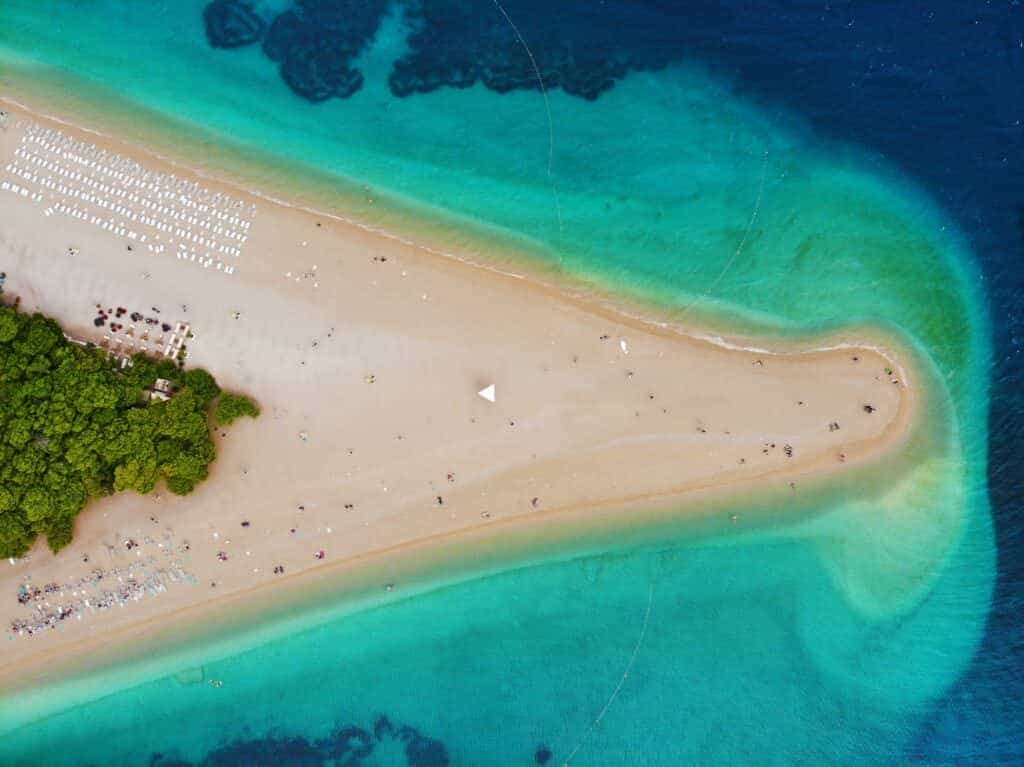
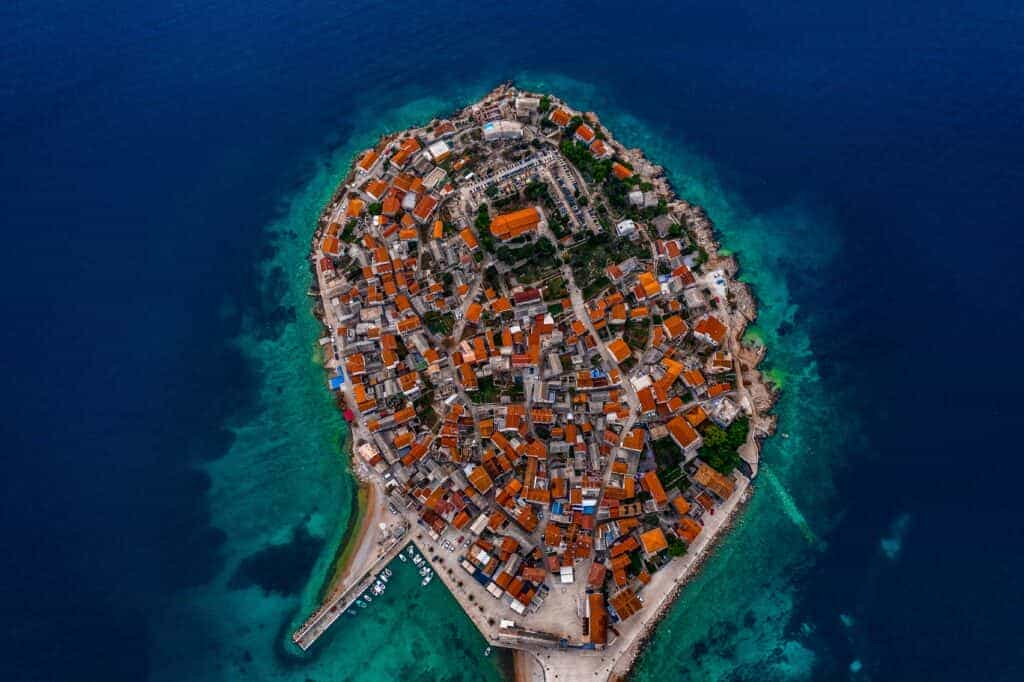
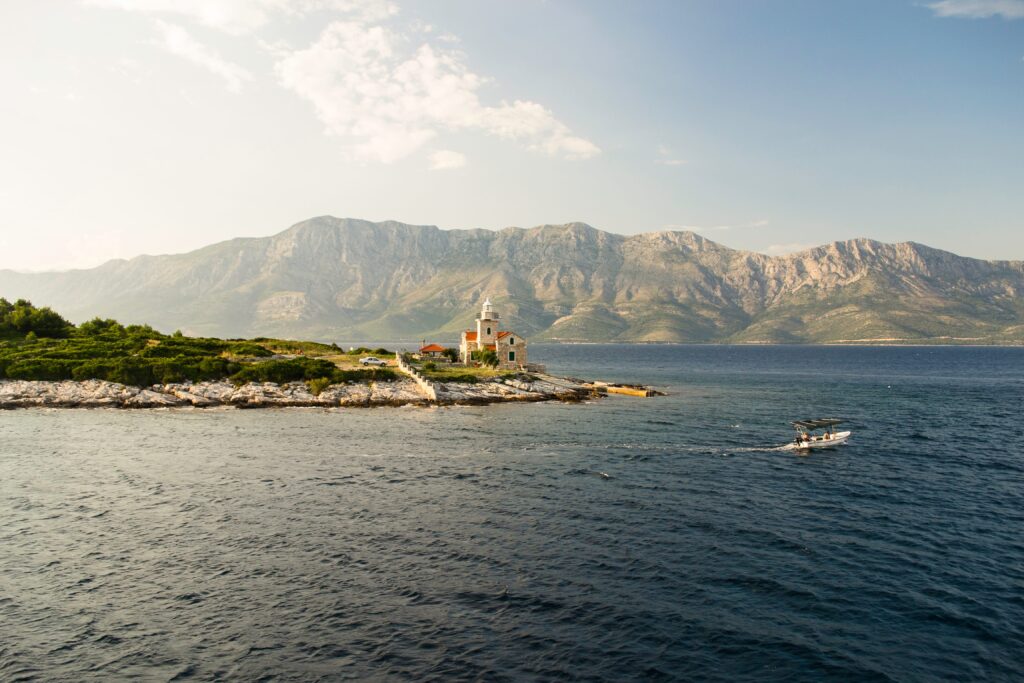
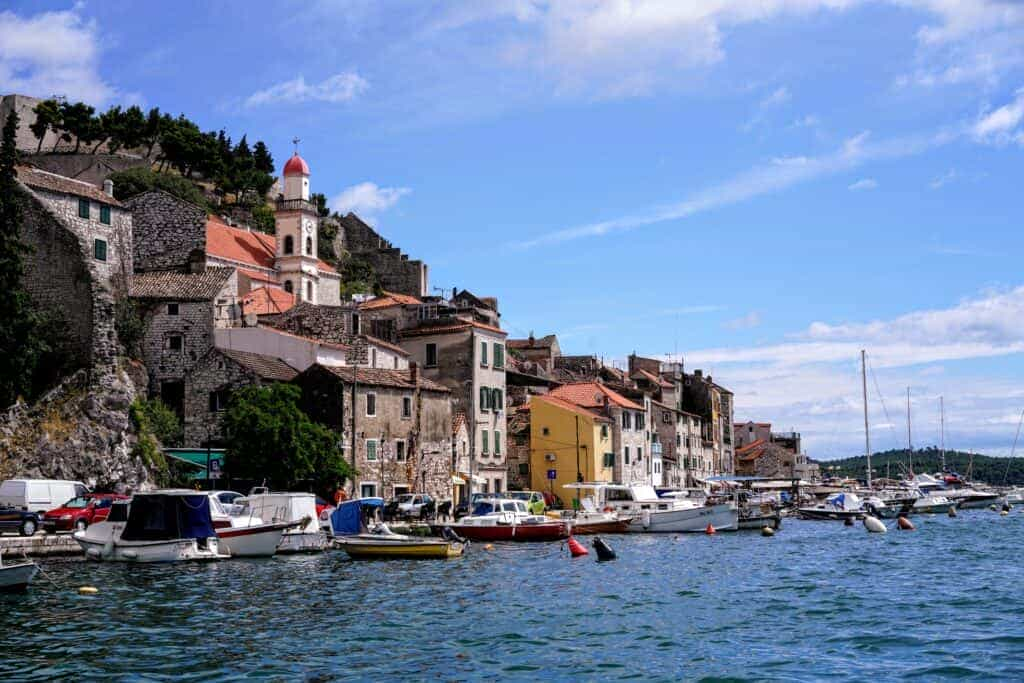
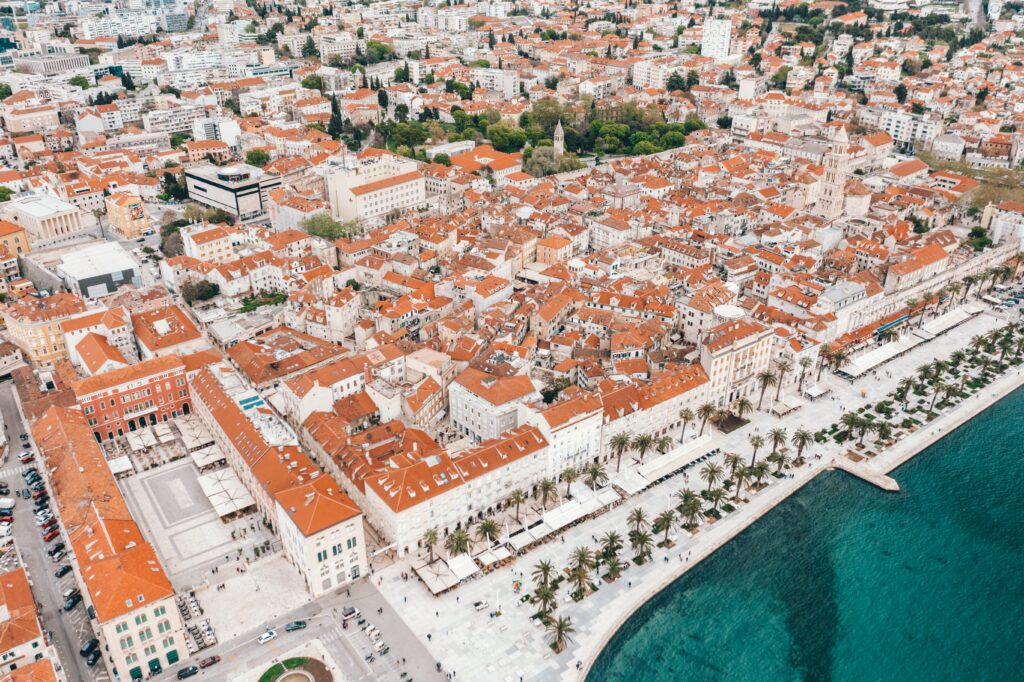
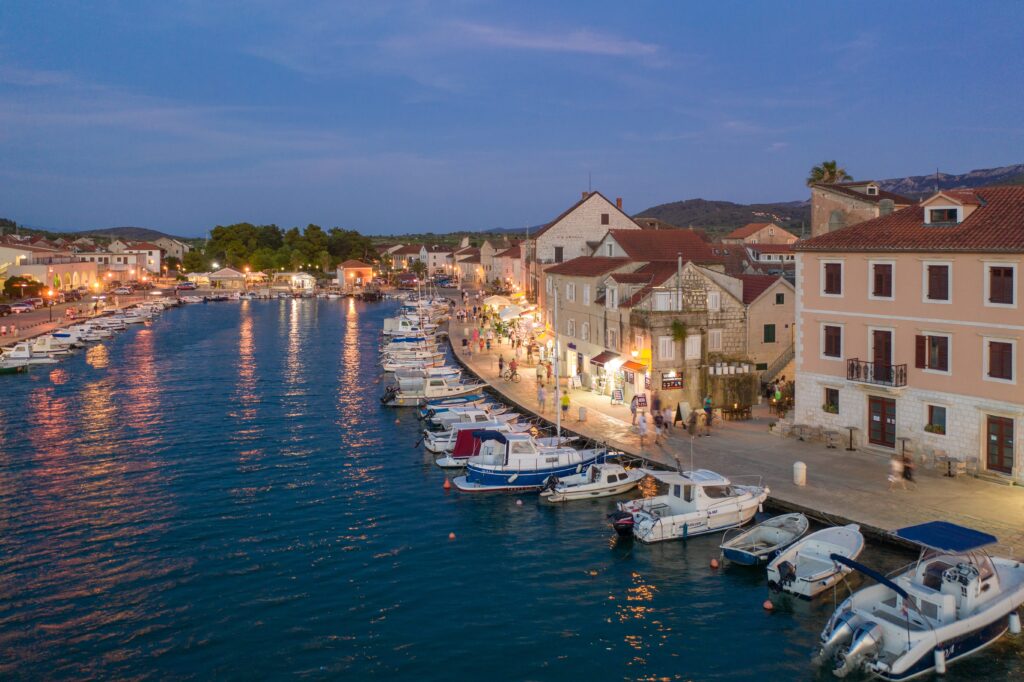
Croatia in pictures
Croatia on video
The player loads when you press play — nothing is requested from the video host before that.
Croatia compared with its neighbours
How it sits against the other countries of Southern Europe.
| Country | Population | Area | Capital |
|---|---|---|---|
| Croatia | 3.9 million | 56,594 km² | Zagreb |
 Bosnia and Herzegovina | 3.2 million | 51,197 km² | Sarajevo |
 Albania | 2.8 million | 28,748 km² | Tirana |
 Slovenia | 2.1 million | 20,273 km² | Ljubljana |
Ranked 128th of 195 countries by population and 124th by area.
Questions about Croatia
What is the capital of Croatia?
The capital of Croatia is Zagreb.
How many people live in Croatia?
About 3.9 million people. Ranked 128th of 195 countries by population and 124th by area.
How big is Croatia?
Croatia covers 56,594 km², in Southern Europe.
What is Croatia known for?
Croatia is best known for Dubrovnik, Plitvice Lakes National Park and Hvar.
What language is spoken in Croatia?
Croatian is the official language, with Italian, Hungarian, Czech, Slovak, and Serbian recognized as regional languages.
What currency is used in Croatia?
Croatian kuna.
Is Croatia a country?
Yes. Croatia is a sovereign state and is counted among the 195 countries this generator draws from.