
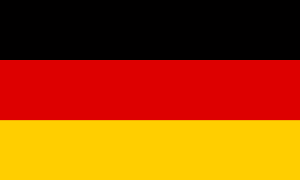
Germany
Western Europe
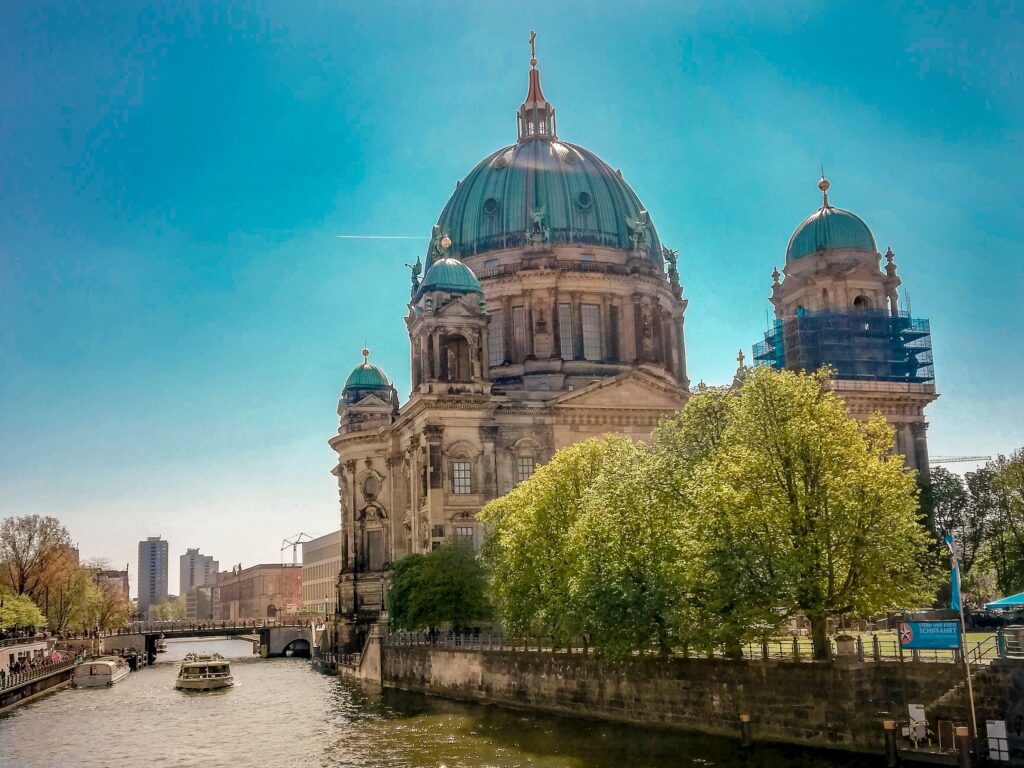
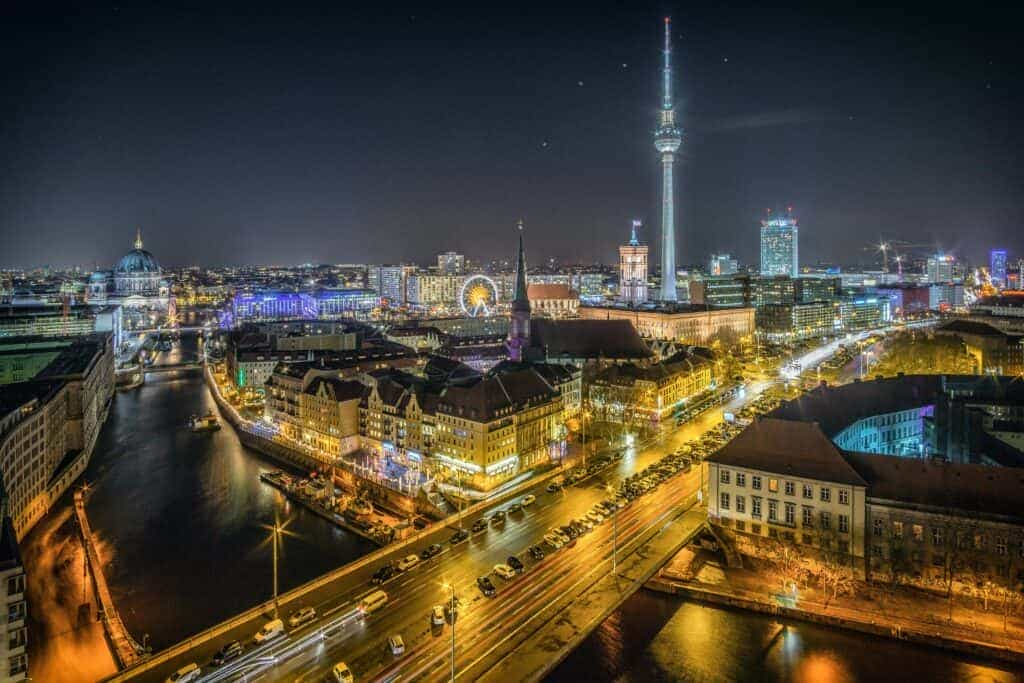
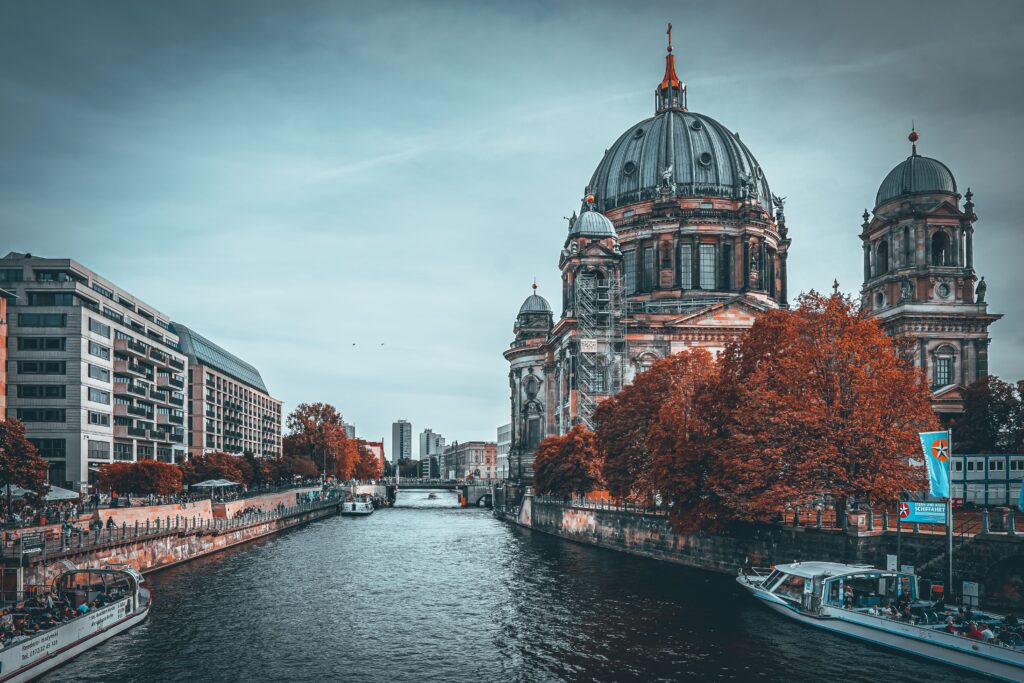
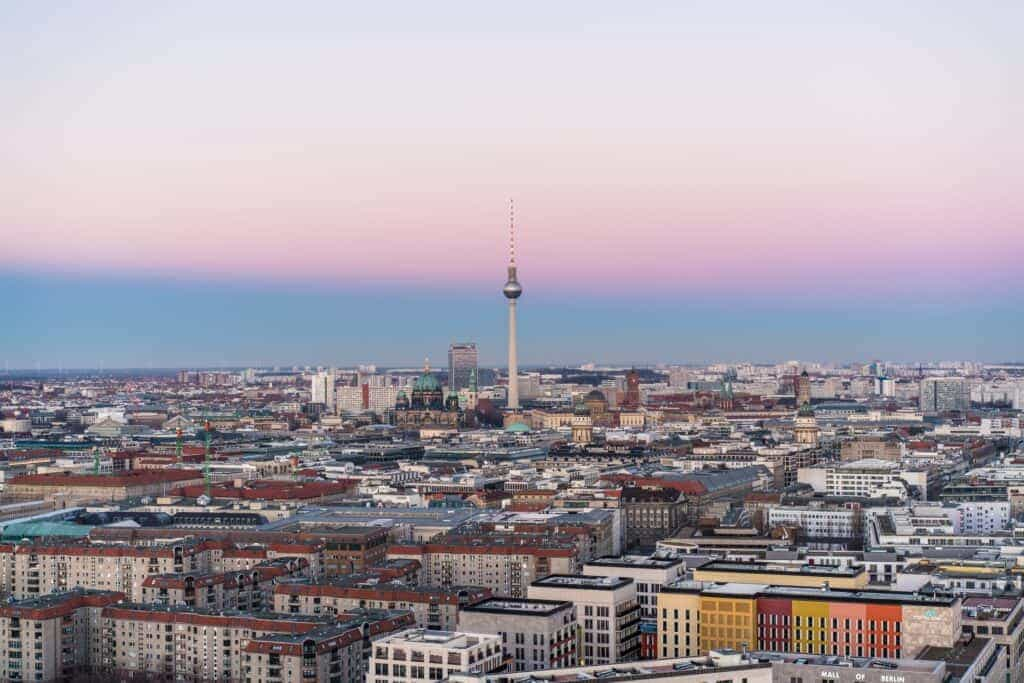
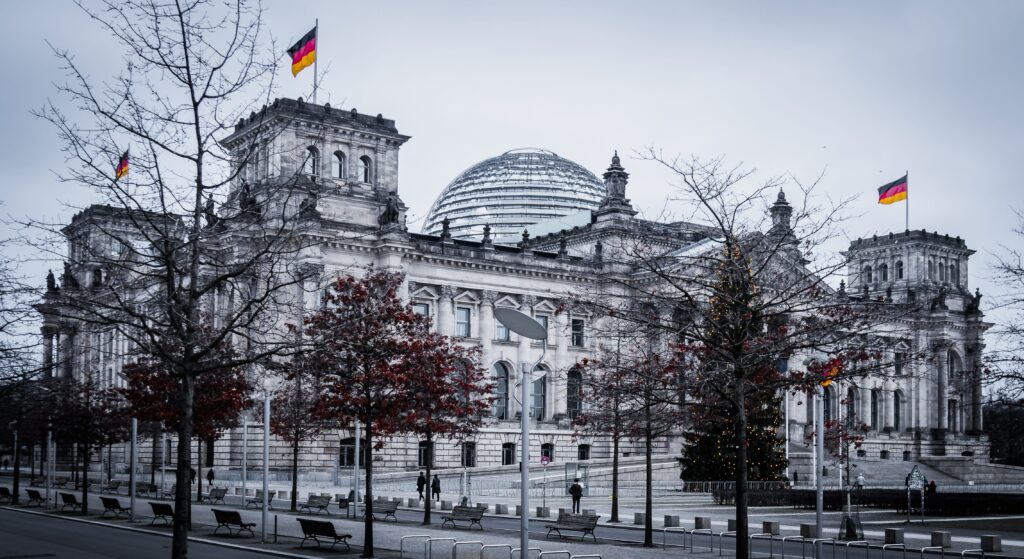
Germany is a country in Western Europe, home to 84.5 million people, with an area of 357,022 km². Its capital is Berlin.
- Capital
- Berlin
- Population
- 84.5 million
- Area
- 357,022 km²
- Region
- Western Europe
- Density
- 237 / km²
- Status
- Sovereign state
Population: UN World Population Prospects, 2024 revision. Area: CIA World Factbook.
What Germany is known for
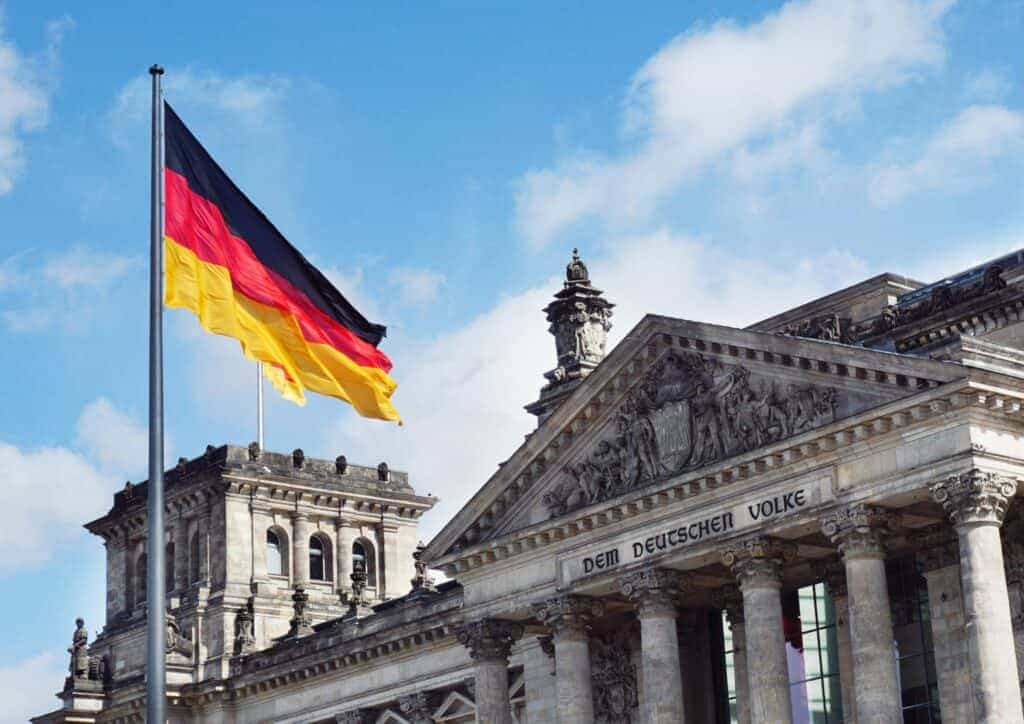
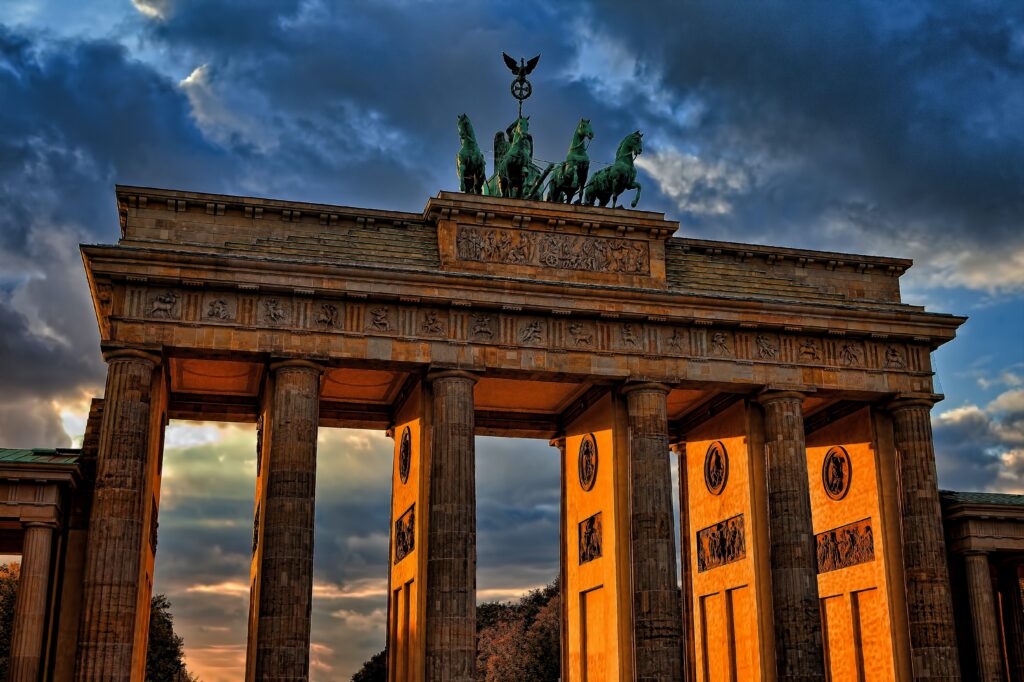
Germany is best known for Brandenburg Gate, Neuschwanstein Castle and The Black Forest.
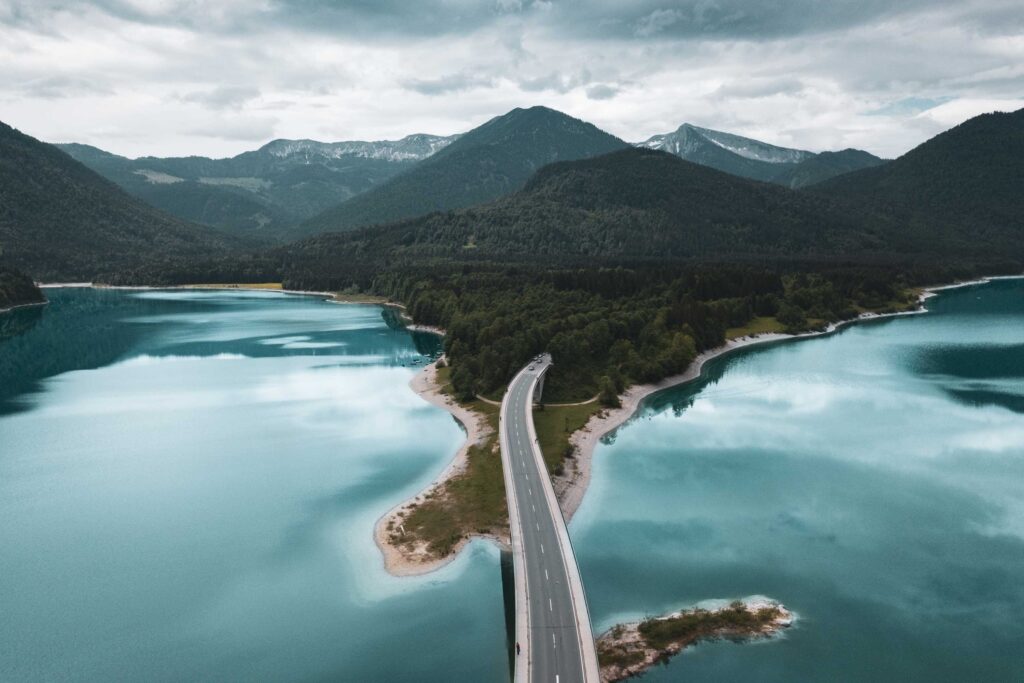
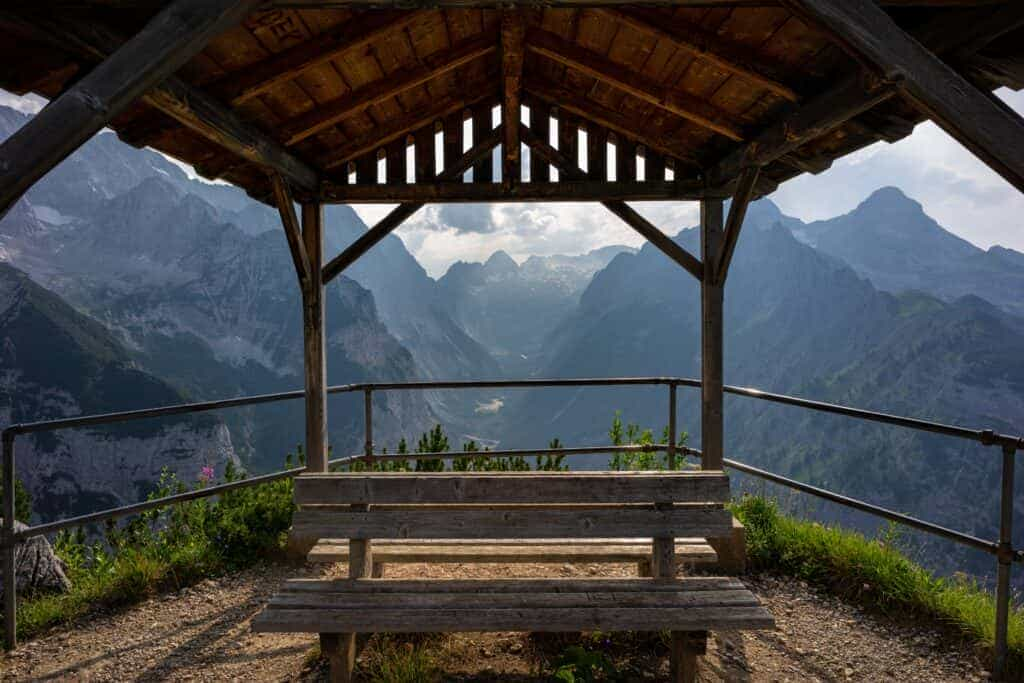
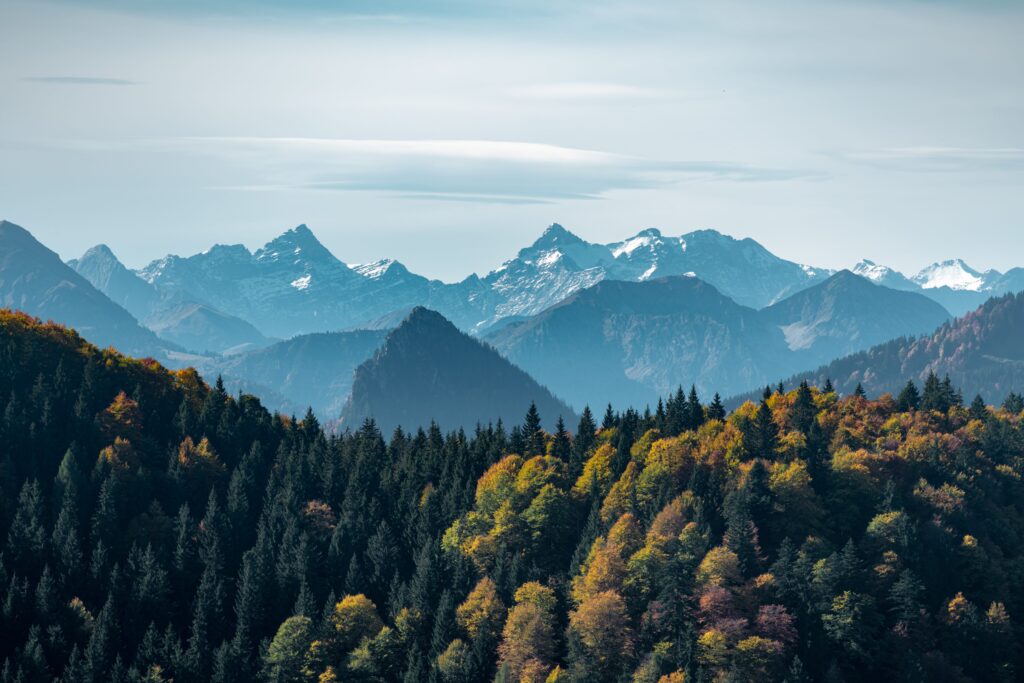
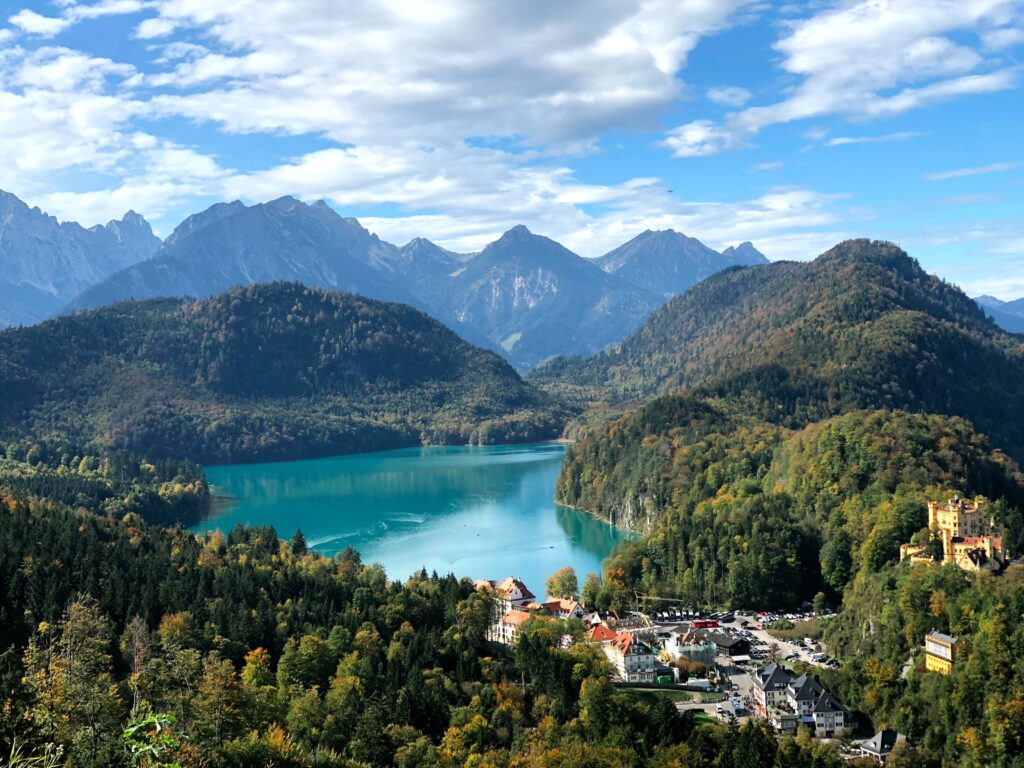
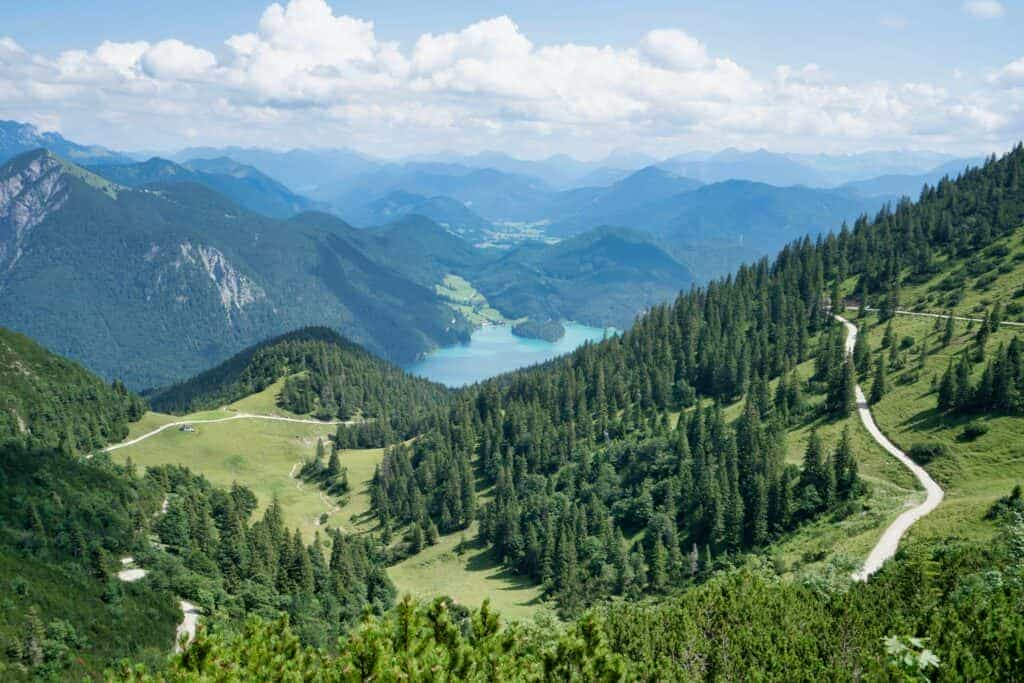
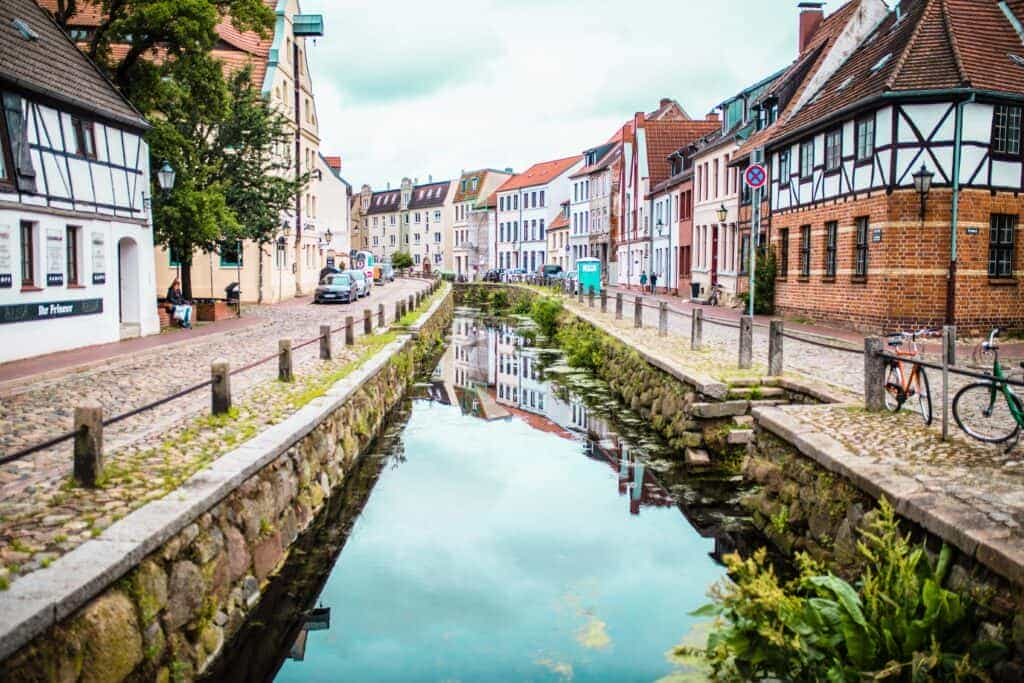
Germany is a Western European country known for its rich history, vibrant culture, and advanced economy. The country is home to diverse landscapes, including the Bavarian Alps, the Rhine River Valley, and the Black Forest.
Germany at a glance
- Language
- German is the official language, but English is widely spoken
- Currency
- Euro (EUR)
- Religion
- Christianity is the predominant religion in Germany, with a significant Muslim minority
- National dish
- Sauerkraut and bratwurst
- Climate
- Germany has a temperate climate with cool winters and mild summers, and frequent precipitation throughout the year
- Main industries
- Manufacturing, including automotive, machinery, and chemical production, service industries, including finance and tourism, and renewable energy
- GDP
- $4.2 trillion (nominal, 2021 estimate)
- Development
- Germany is considered a highly developed country, with a human development index (HDI) ranking of 6 out of 189 countries (2020)
Things to do in Germany
Some of the main tourist attractions in Germany include:
- Brandenburg Gate a historic monument in Berlin, built in the 18th century as a symbol of peace.
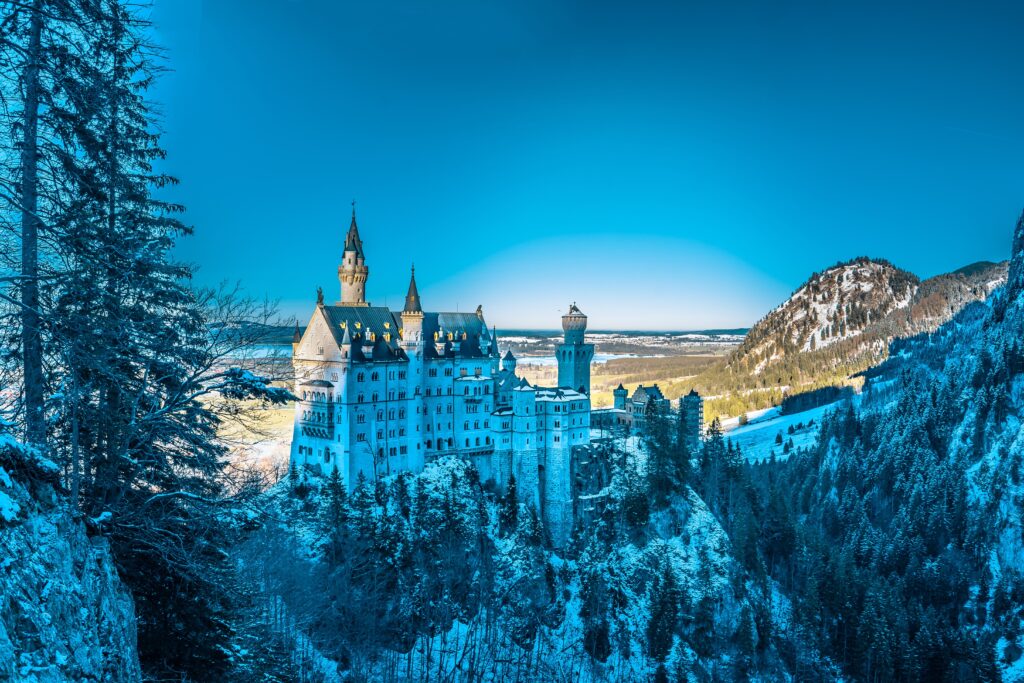
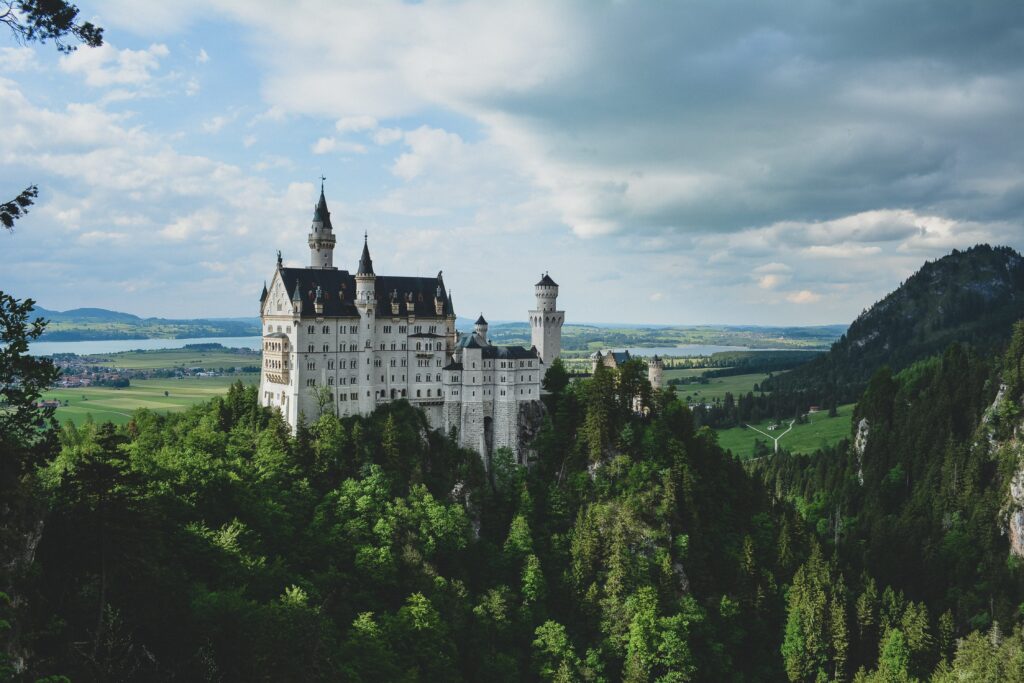
- Neuschwanstein Castle a fairytale-like castle in Bavaria, built by King Ludwig II in the 19th century.
- The Black Forest a mountainous region in southwestern Germany, known for its dense forests, picturesque villages, and hiking trails.
- Cologne Cathedral a Gothic cathedral in the city of Cologne, dating back to the 13th century.
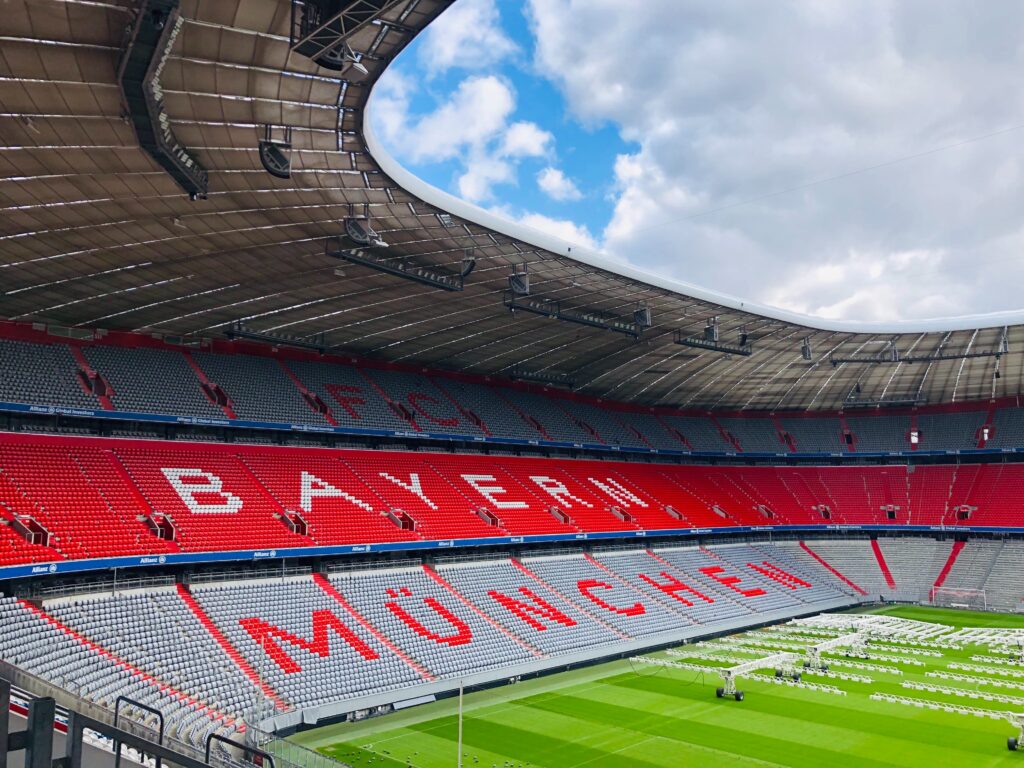
- Oktoberfest a world-famous beer festival held annually in Munich, featuring traditional Bavarian costumes, music, and food.
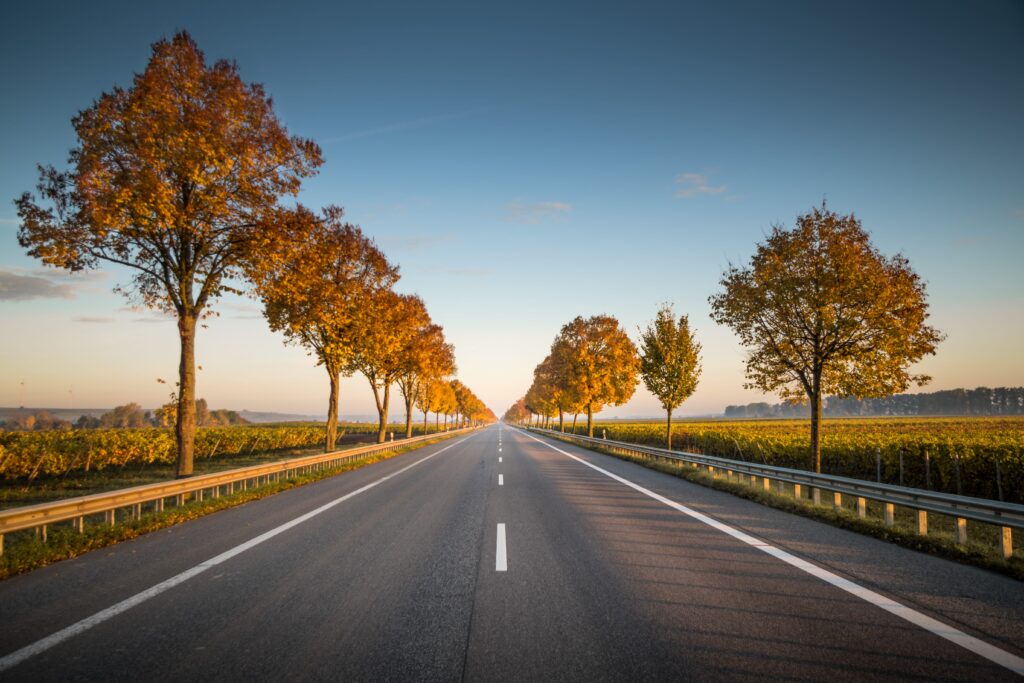
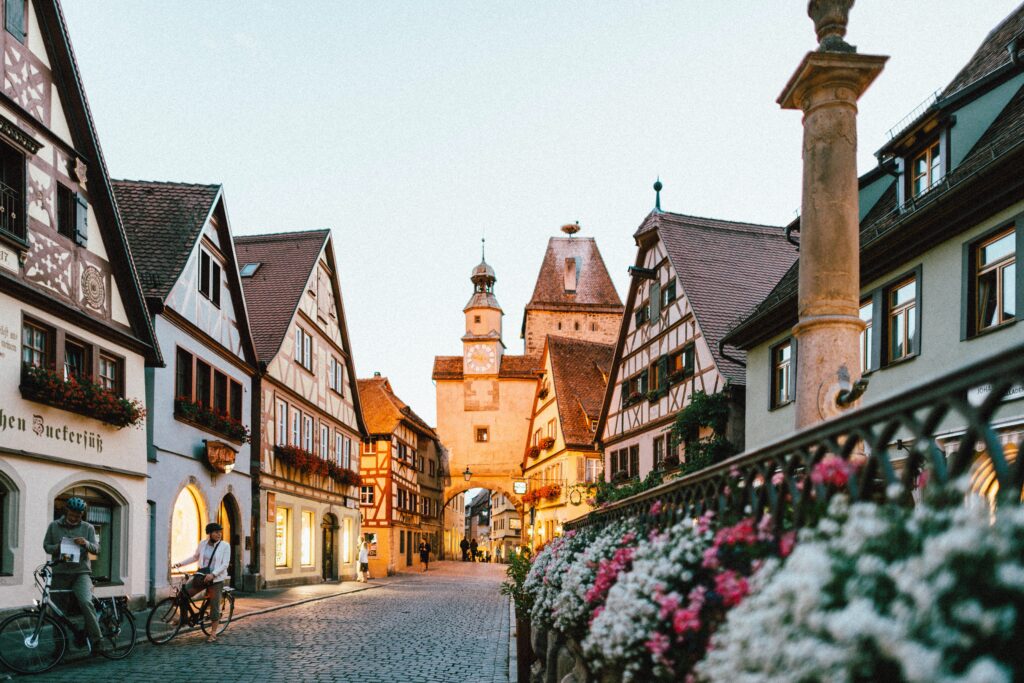
- The Romantic Road a scenic route through southern Germany, featuring medieval towns, castles, and picturesque landscapes.
These are just a few examples of the many attractions that Germany has to offer. The country's rich history, vibrant culture, and diverse landscapes make it a must-see destination for travelers who are looking for a mix of tradition and modernity.
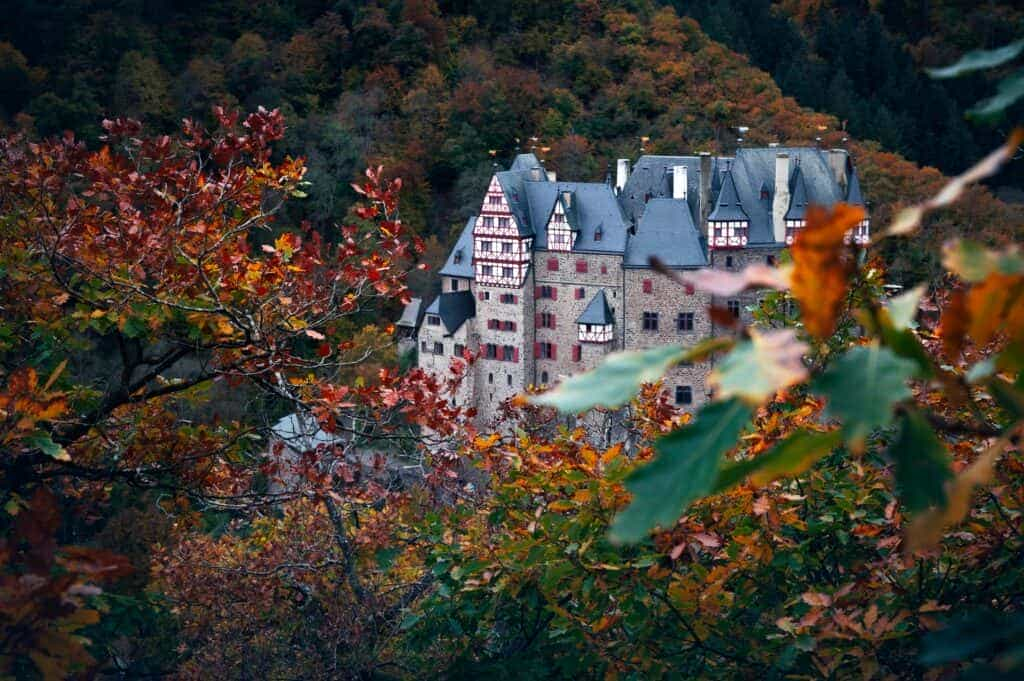
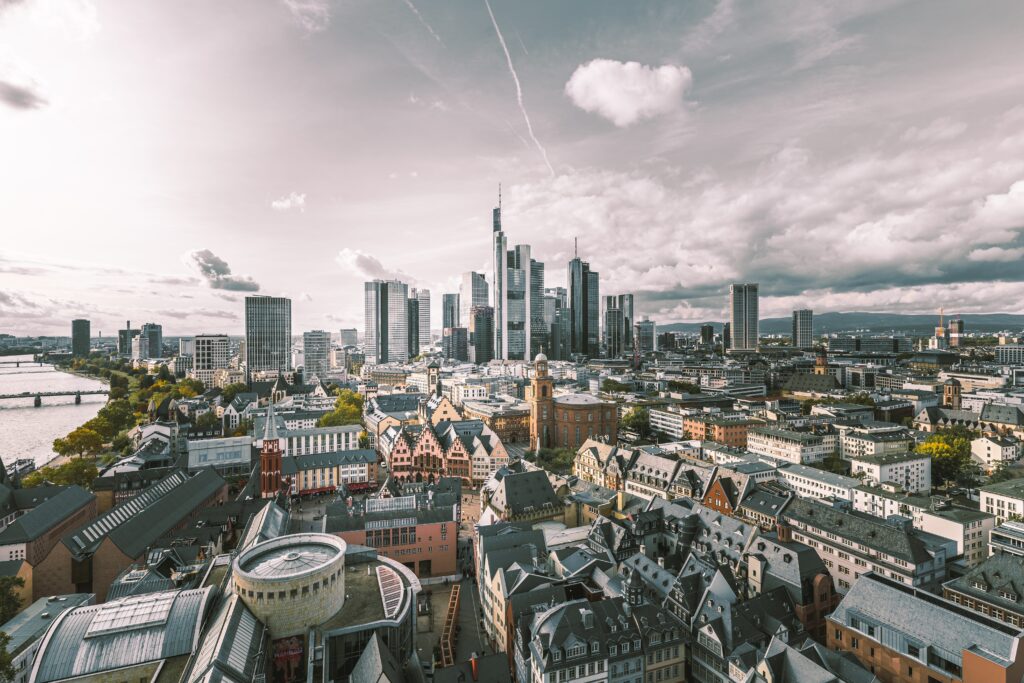
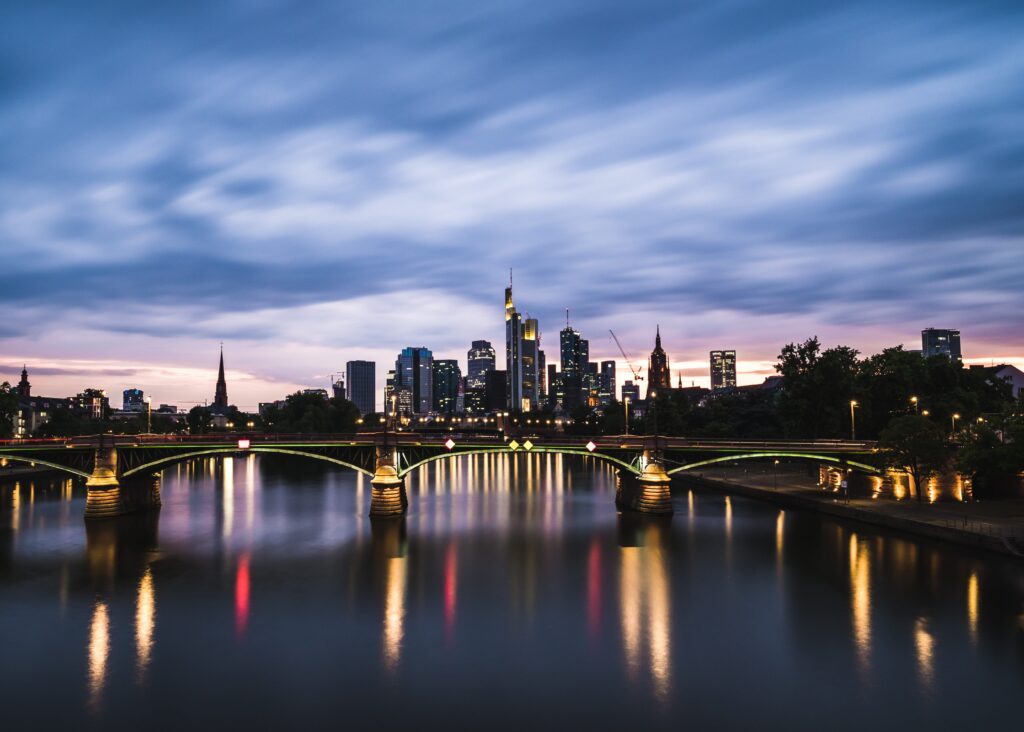
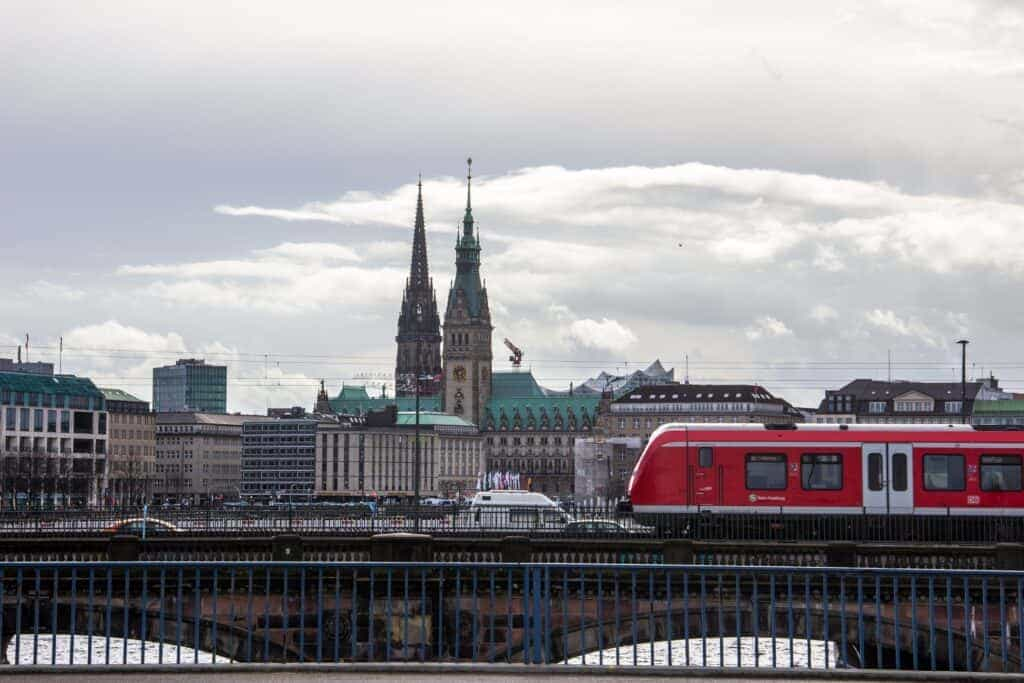
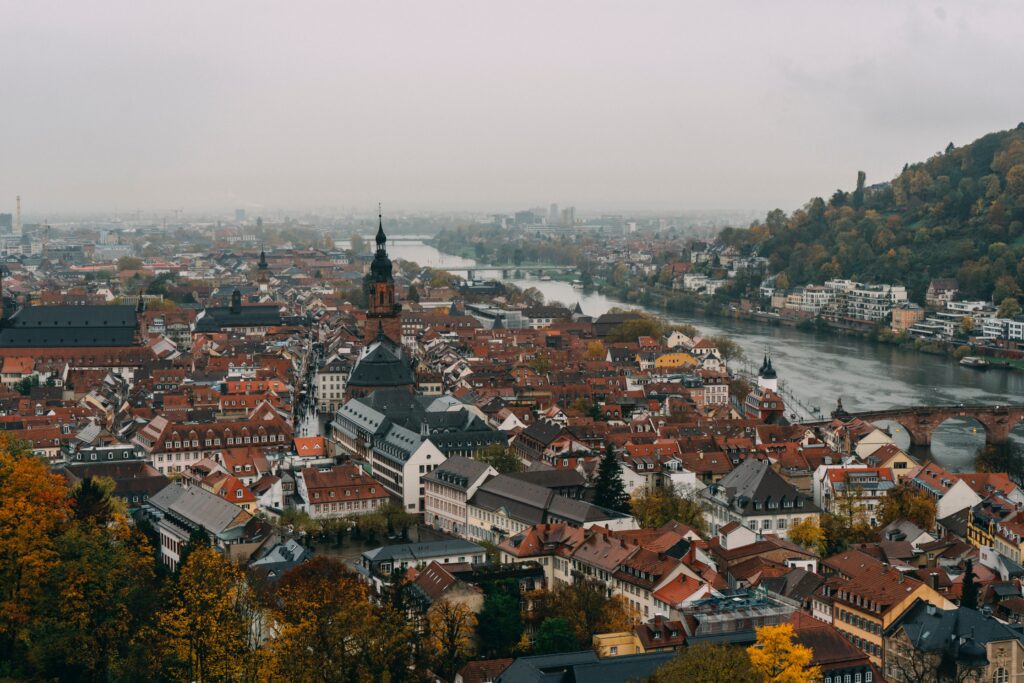
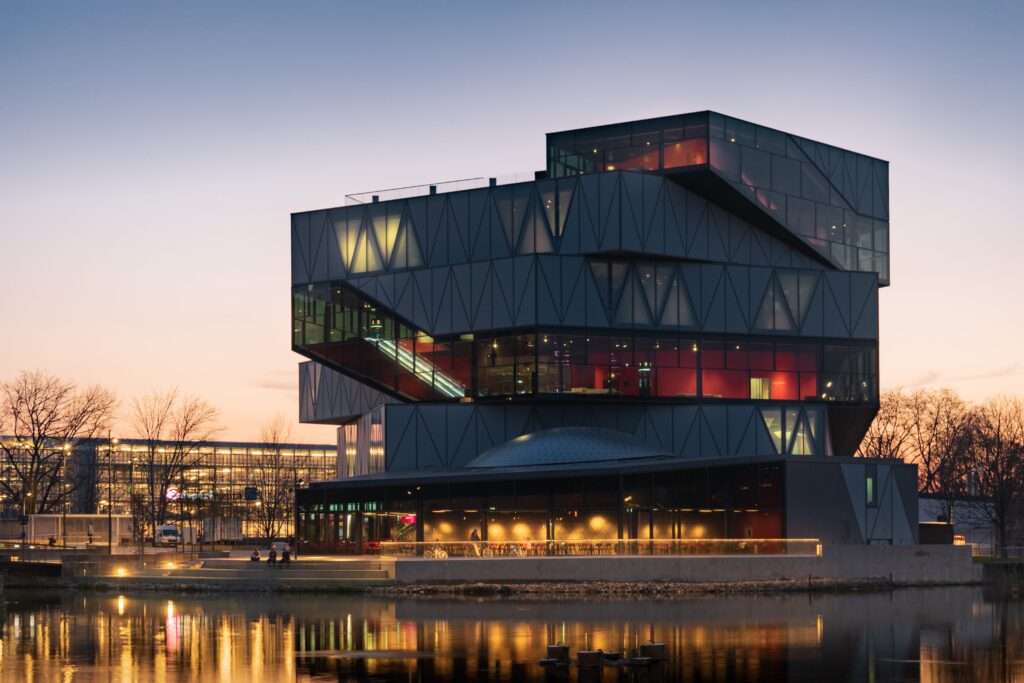
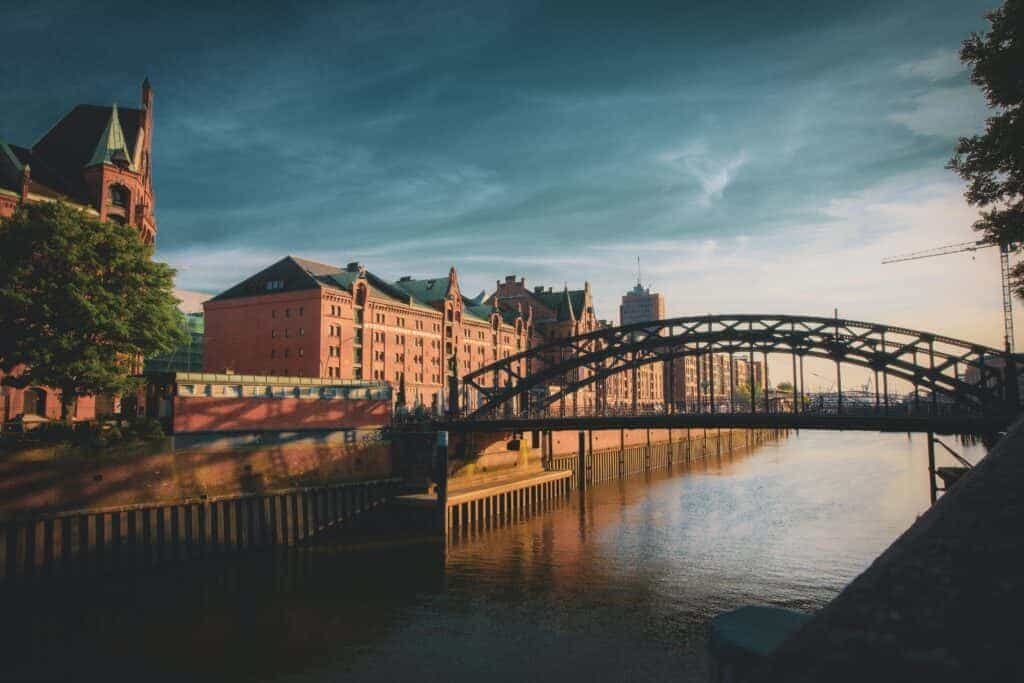
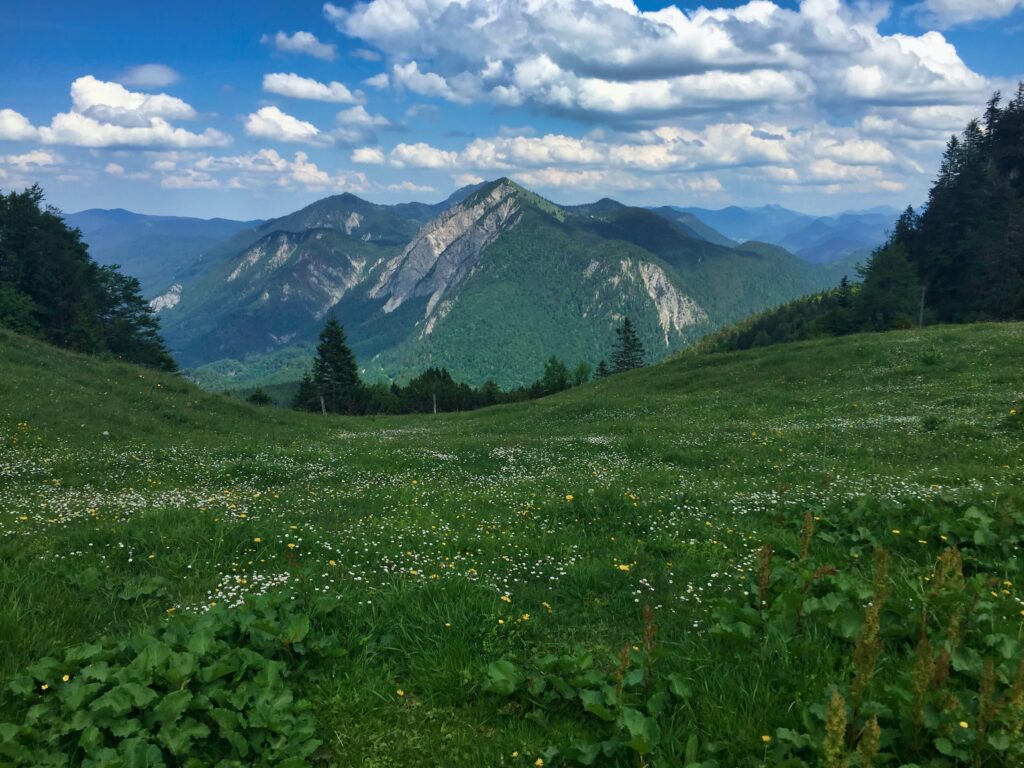
Germany in pictures
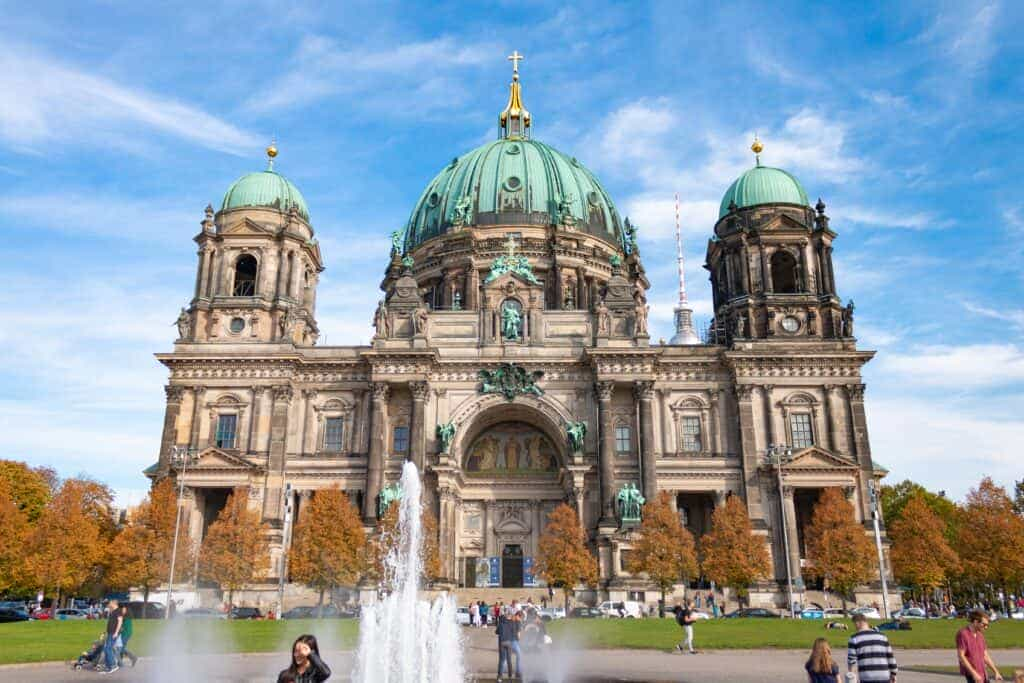
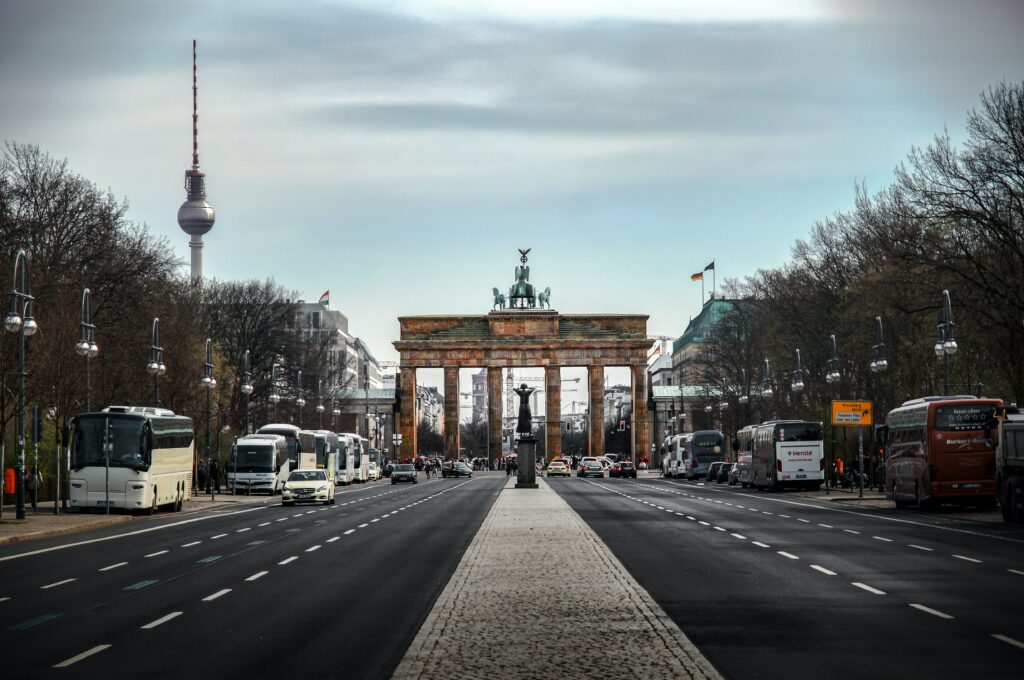
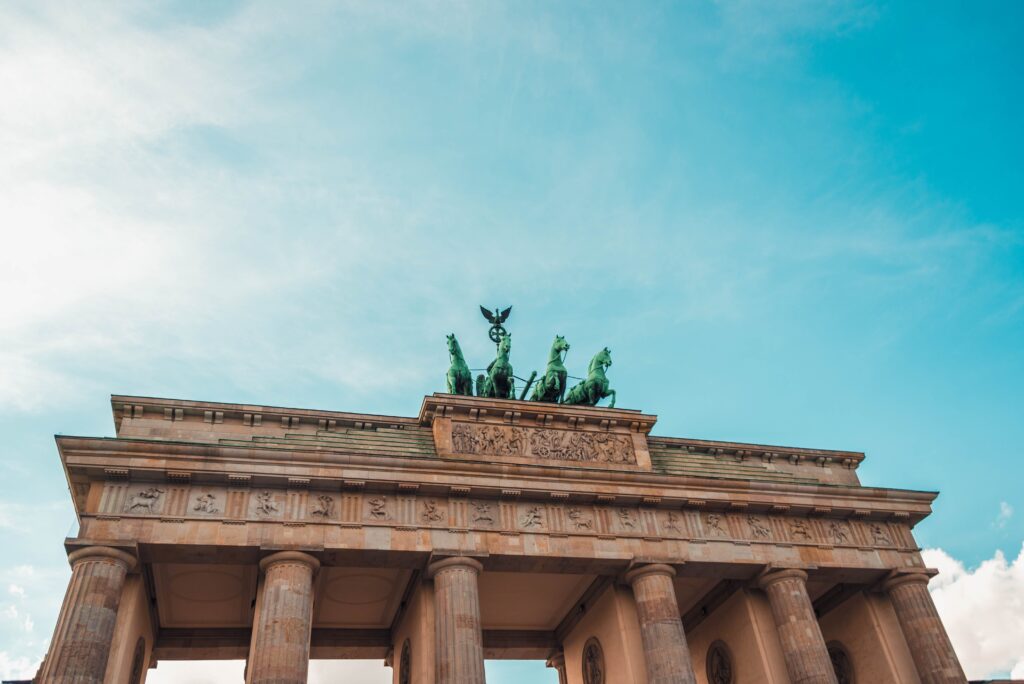
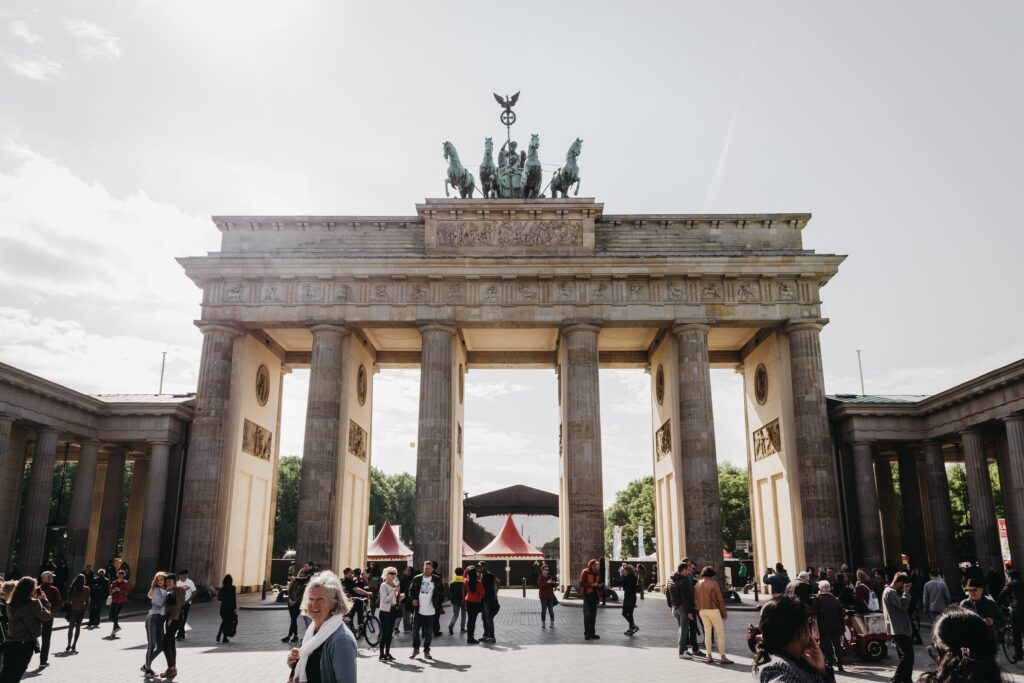
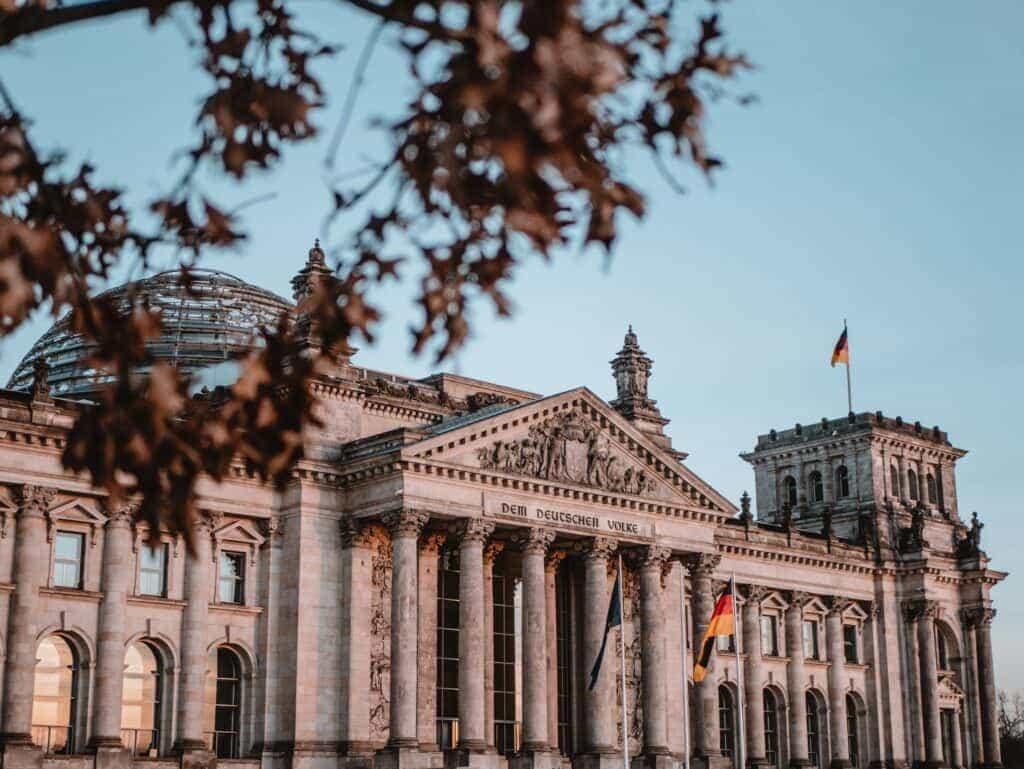
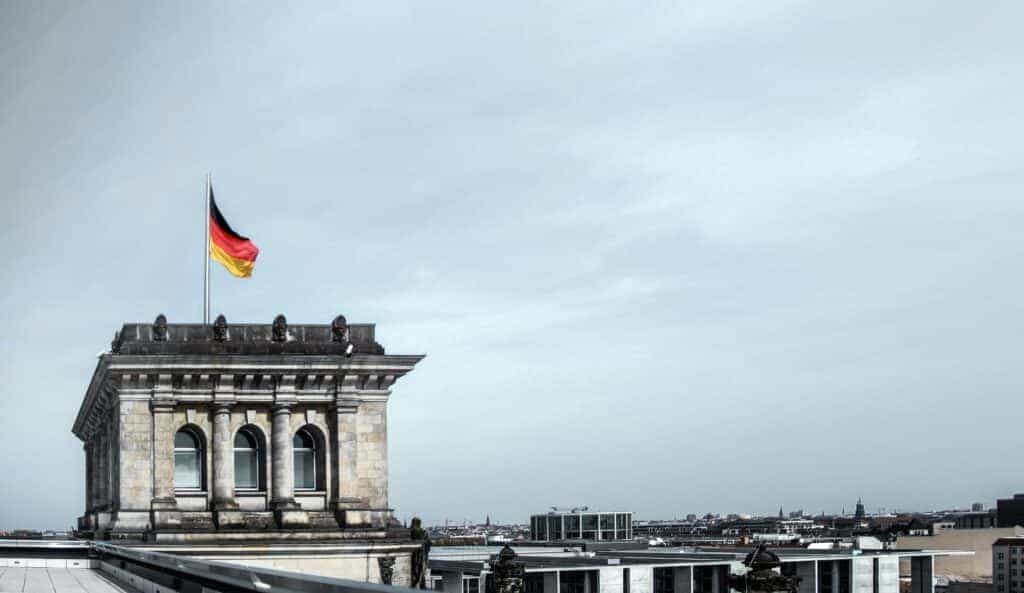
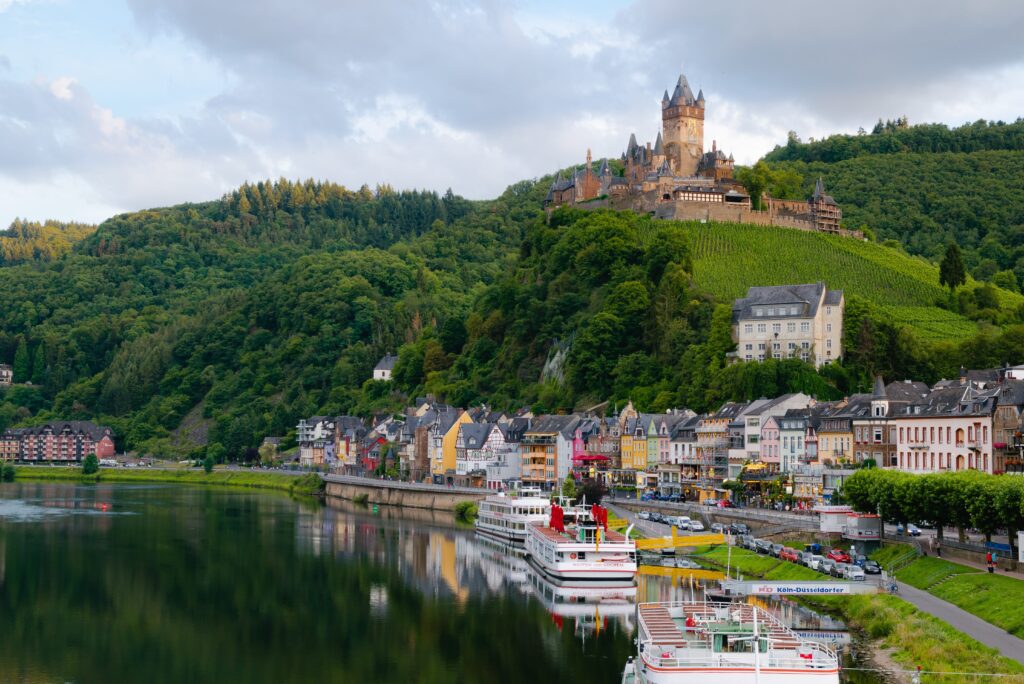
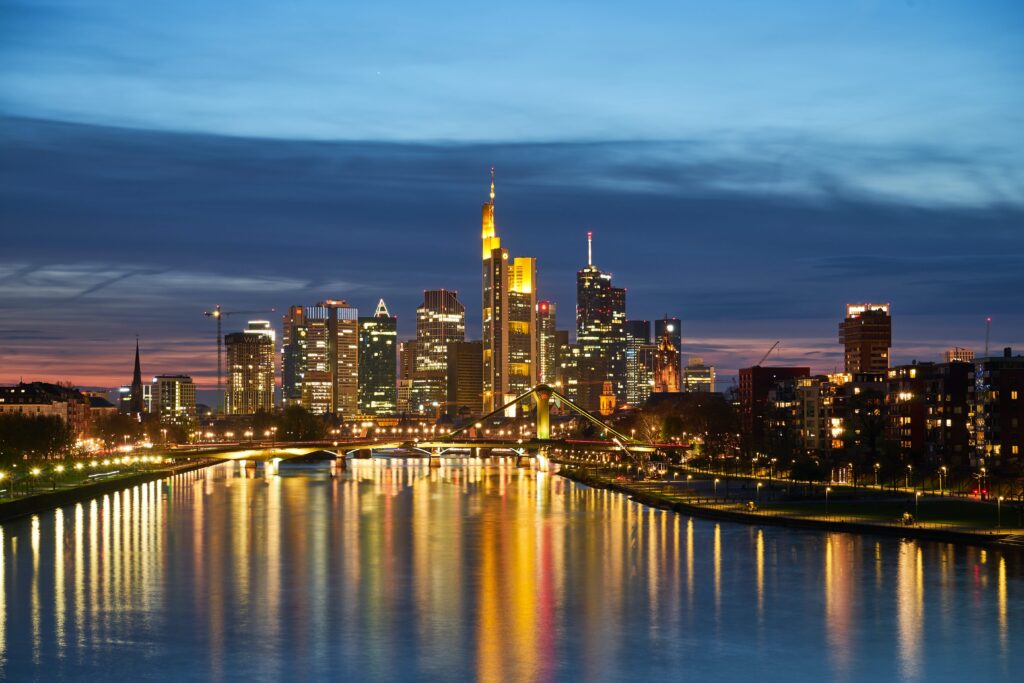
Germany on video
The player loads when you press play — nothing is requested from the video host before that.
Germany compared with its neighbours
How it sits against the other countries of Western Europe.
| Country | Population | Area | Capital |
|---|---|---|---|
| Germany | 84.5 million | 357,022 km² | Berlin |
 France | 66.5 million | 551,695 km² | Paris |
 Netherlands | 18.2 million | 41,850 km² | Amsterdam |
 Belgium | 11.8 million | 30,528 km² | Brussels |
Ranked 19th of 195 countries by population and 63rd by area.
Questions about Germany
What is the capital of Germany?
The capital of Germany is Berlin.
How many people live in Germany?
About 84.5 million people. Ranked 19th of 195 countries by population and 63rd by area.
How big is Germany?
Germany covers 357,022 km², in Western Europe.
What is Germany known for?
Germany is best known for Brandenburg Gate, Neuschwanstein Castle and The Black Forest.
What language is spoken in Germany?
German is the official language, but English is widely spoken.
What currency is used in Germany?
Euro (EUR).
Is Germany a country?
Yes. Germany is a sovereign state and is counted among the 195 countries this generator draws from.