

Cyprus
Southern Europe
Cyprus is a country in Southern Europe, home to 1.4 million people, with an area of 9,251 km². Its capital is Nicosia.
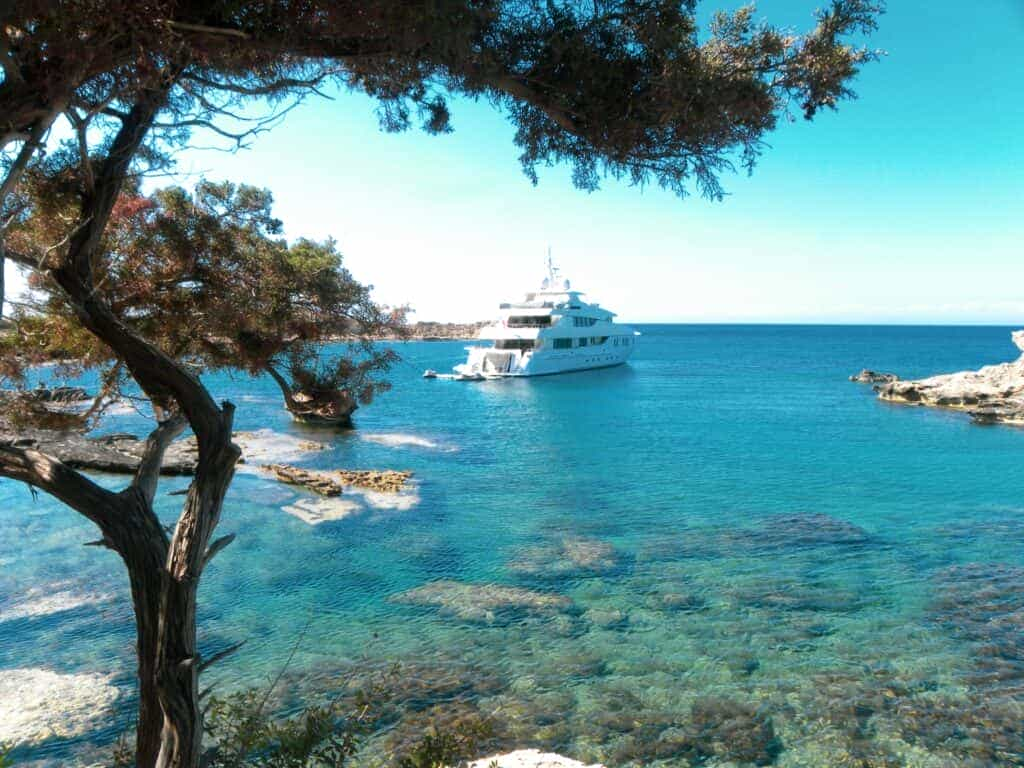
- Capital
- Nicosia
- Population
- 1.4 million
- Area
- 9,251 km²
- Region
- Southern Europe
- Density
- 147 / km²
- Status
- Sovereign state
Population: UN World Population Prospects, 2024 revision. Area: CIA World Factbook.
What Cyprus is known for
Cyprus is best known for Archaeological sites, Beaches and Troodos Mountains.
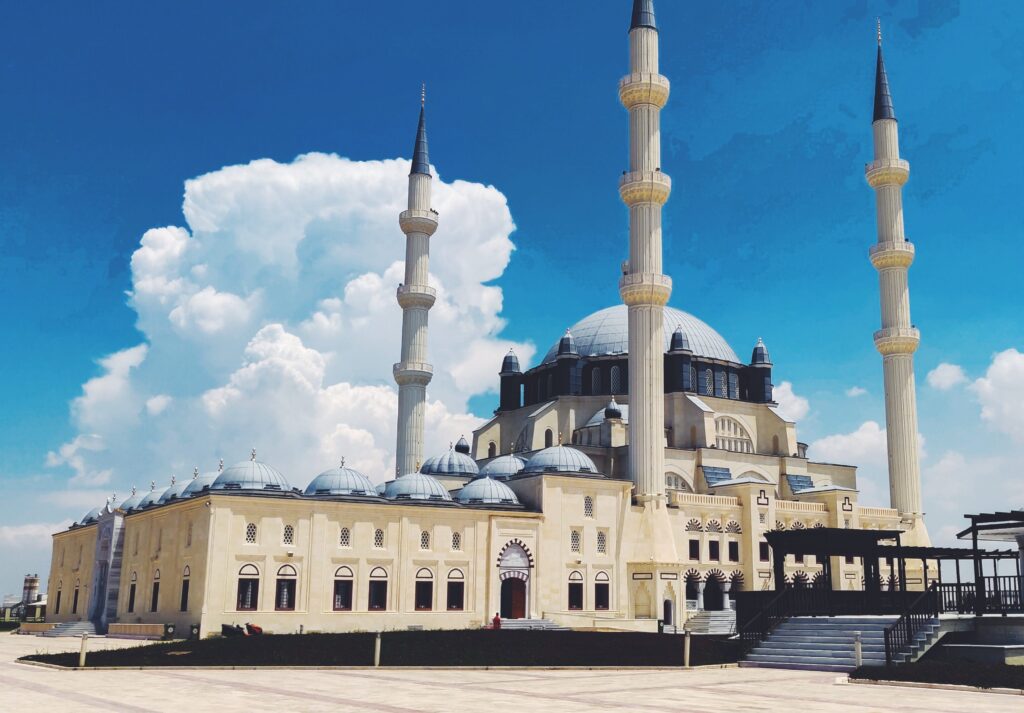
Cyprus is an island country located in the eastern Mediterranean Sea. It is the third-largest and third-most populous island in the Mediterranean, after Sicily and Sardinia. The country is divided into two main parts: the internationally recognized Republic of Cyprus and the self-declared Turkish Republic of Northern Cyprus, which is recognized only by Turkey. Cyprus has a rich cultural heritage and history, with influences from Greek, Roman, Byzantine, and Ottoman civilizations.
Cyprus at a glance
- Language
- Greek and Turkish are the official languages, with English widely spoken and understood
- Currency
- Euro (EUR)
- Religion
- The majority of the population is Greek Orthodox, while there is also a significant Muslim minority
- National dish
- Meze (a selection of small dishes served as a meal)
- Climate
- Cyprus has a subtropical climate with long, hot summers and mild winters. The coastal regions receive more rainfall than the inland areas
- Main industries
- Tourism, financial services, shipping, and manufacturing (electronics, pharmaceuticals, and food and beverages)
- GDP
- $25.6 billion (2019 estimate)
- Development
- Cyprus is considered a developed country, with a high human development index (HDI) ranking of 31 out of 189 countries (2020)
Things to do in Cyprus
Some of the main tourist attractions in Cyprus include:
- Archaeological sites Cyprus has a rich history, with many ancient ruins and archaeological sites to explore, including the Kourion and Salamis archaeological sites.
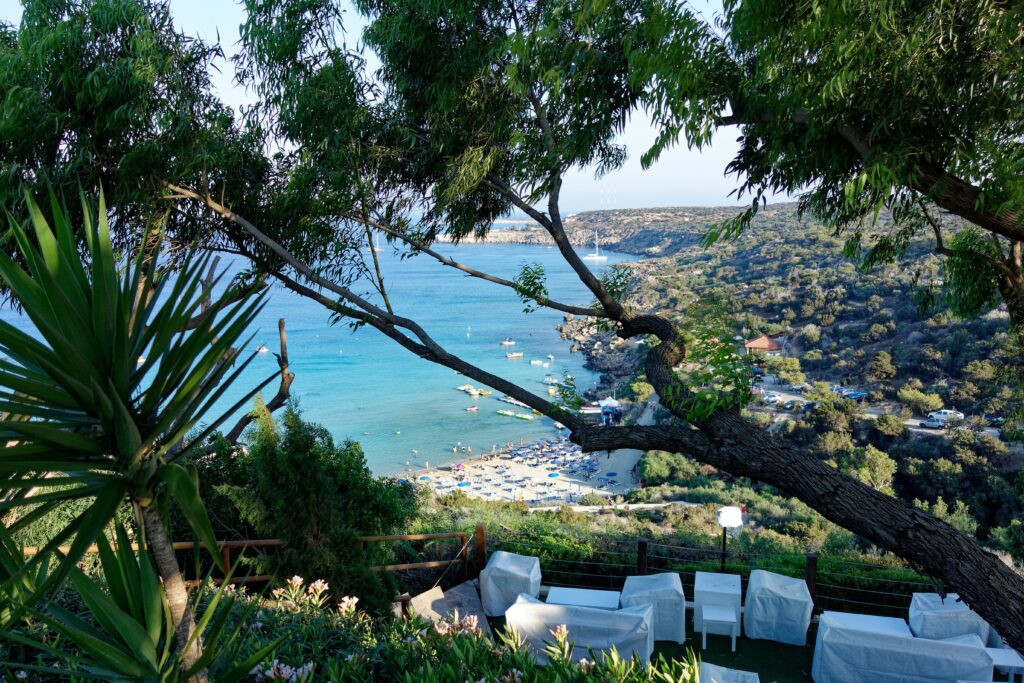
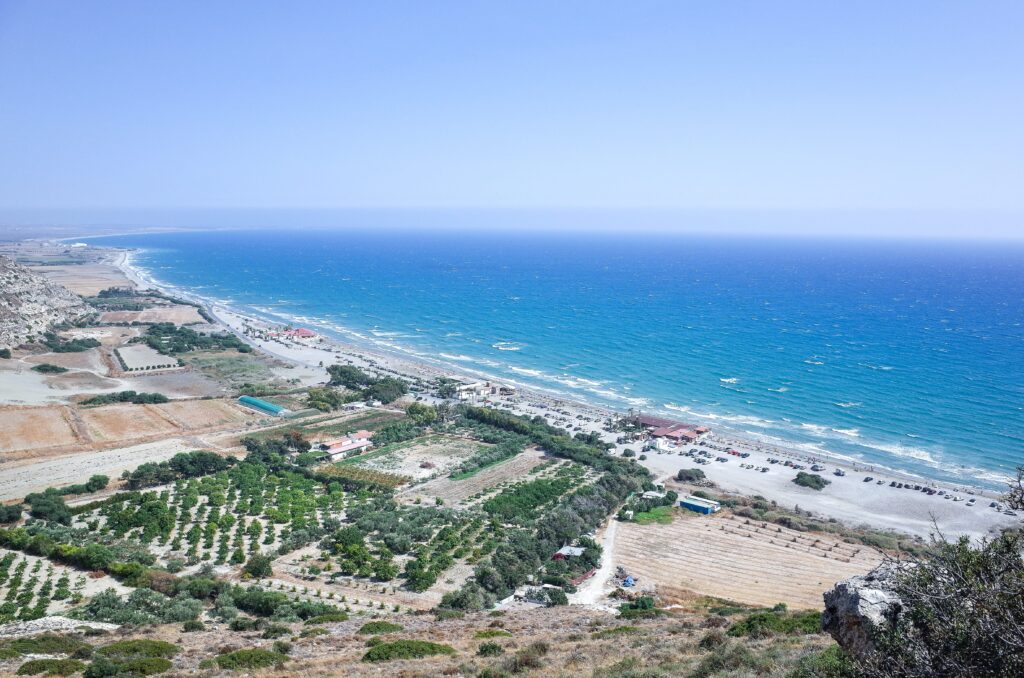
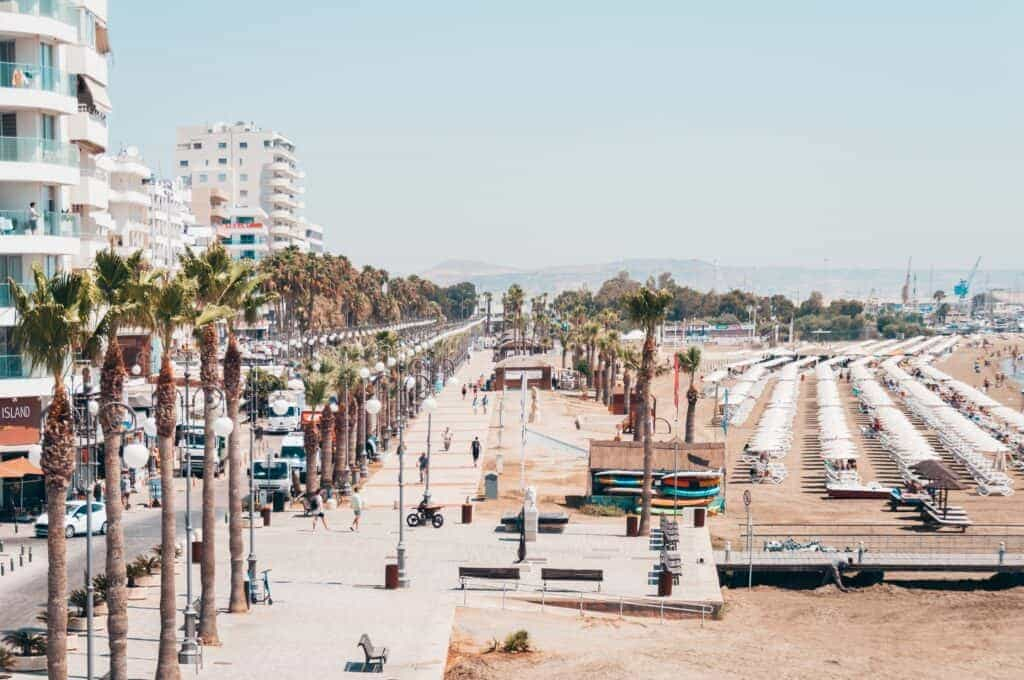
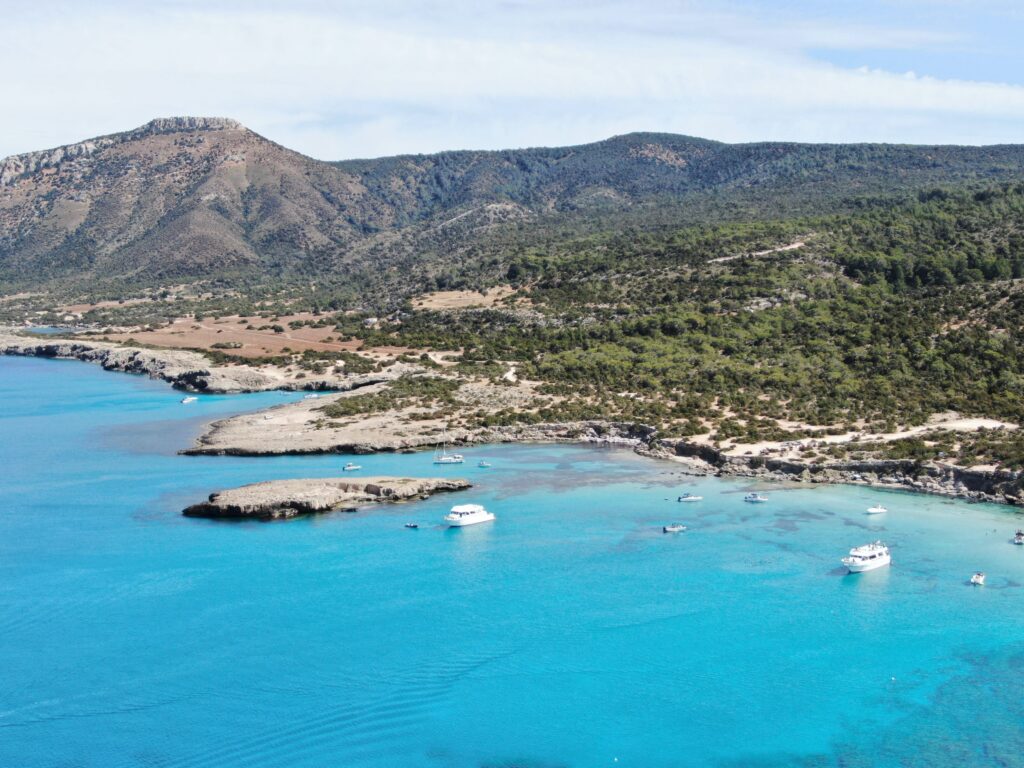
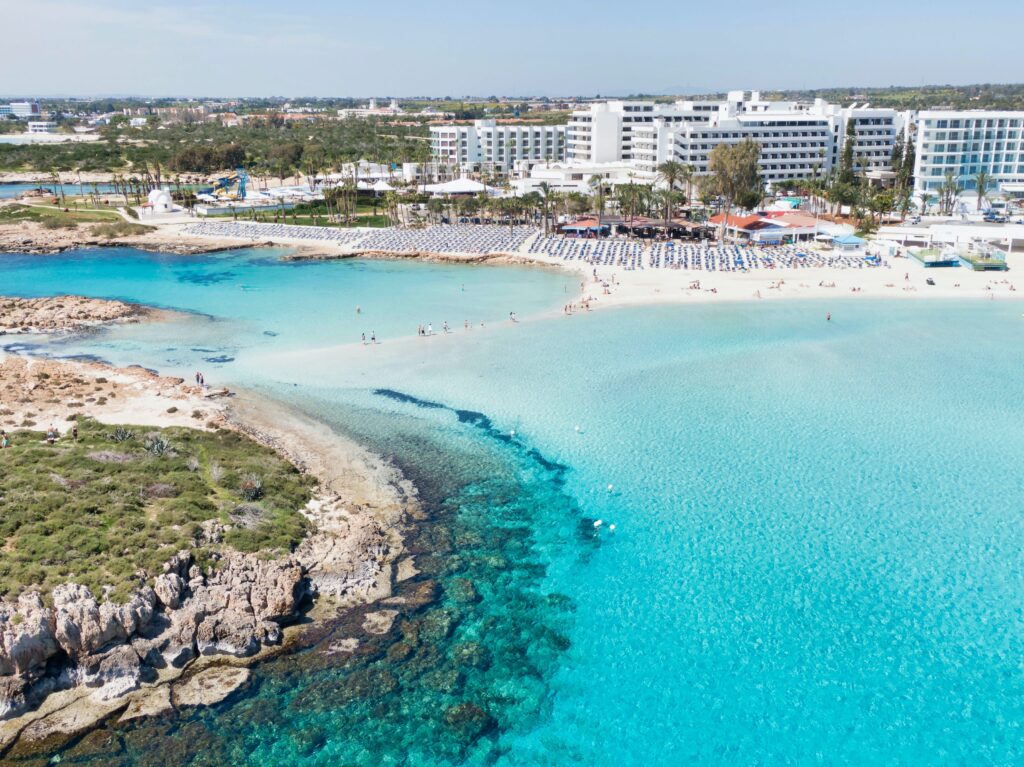
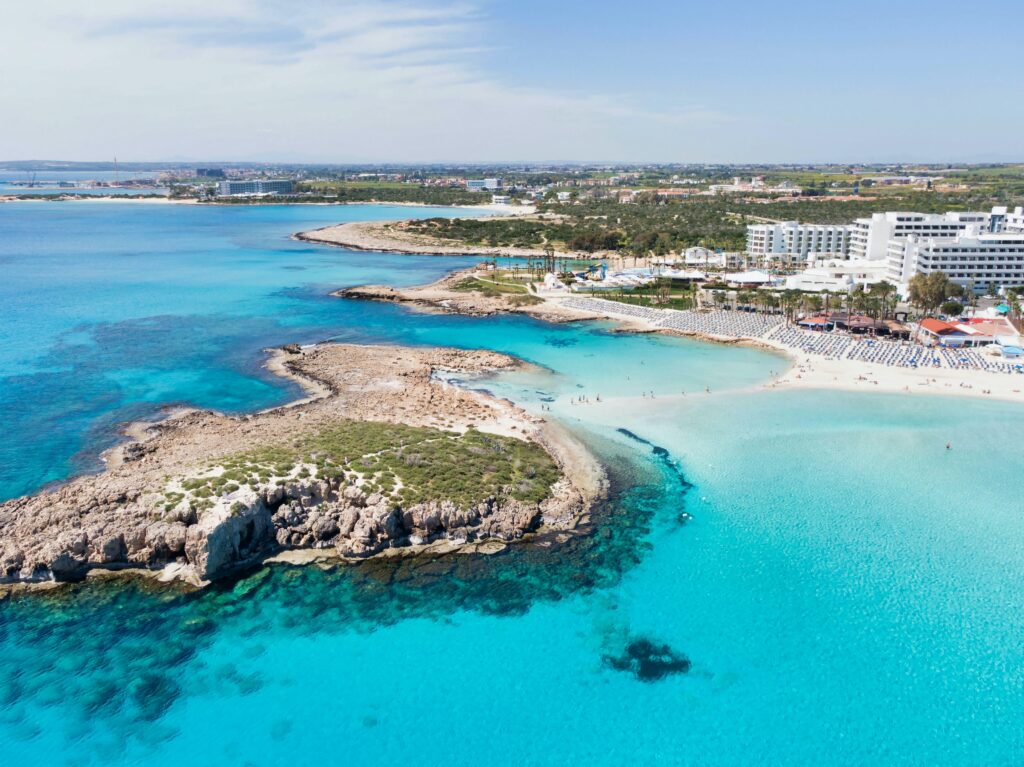
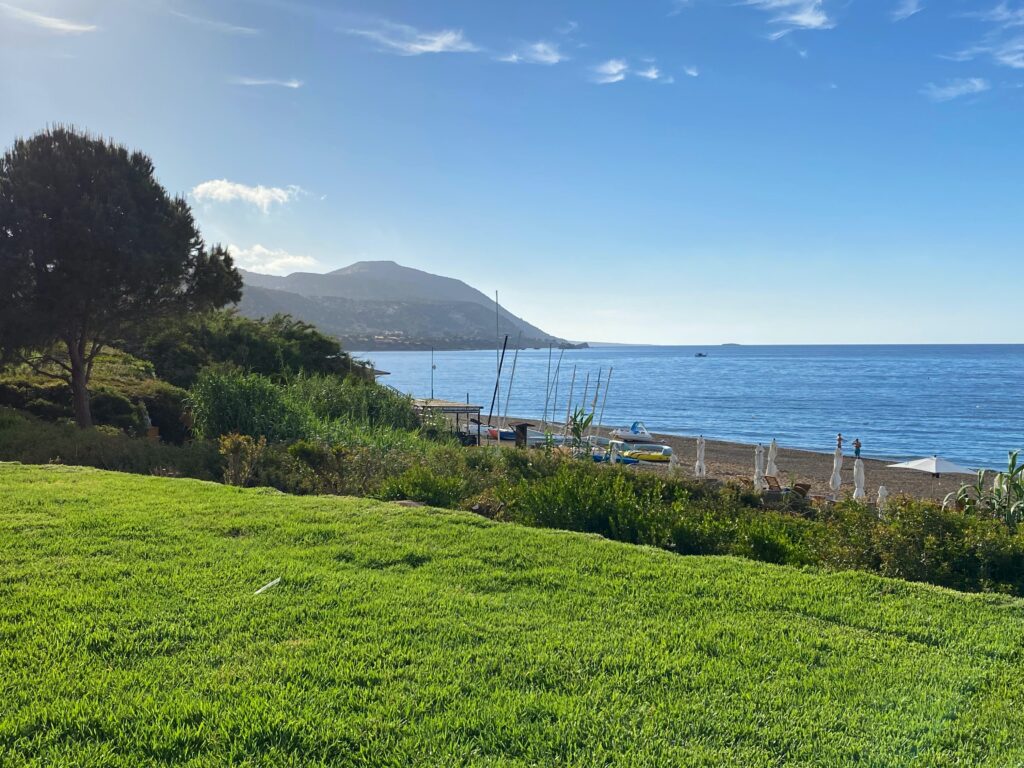
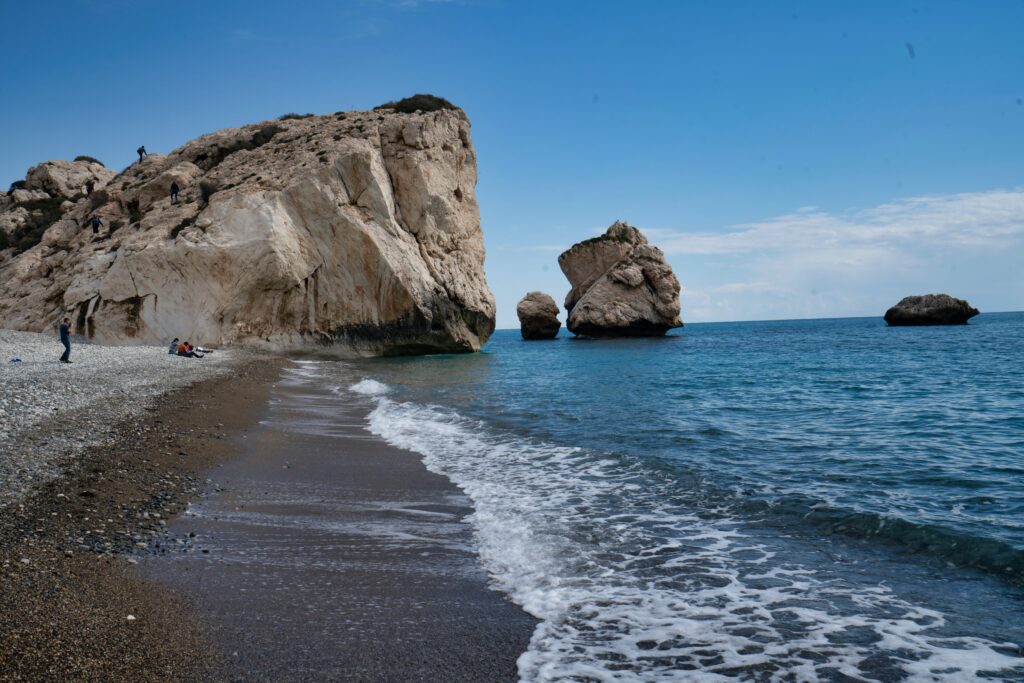
- Beaches Cyprus is known for its beautiful beaches, including Nissi Beach, Fig Tree Bay, and Coral Bay.
- Troodos Mountains a mountain range in the center of Cyprus that offers hiking trails and scenic drives.
- Wine routes Cyprus has a long tradition of winemaking, and there are several wine routes that visitors can follow to explore the island's wineries and vineyards.
- Nicosia the capital city of Cyprus, which offers a mix of ancient history and modern culture, including museums, galleries, and restaurants.
These are just a few examples of the many attractions that Cyprus has to offer. The country is known for its friendly people, stunning landscapes, and rich cultural heritage.
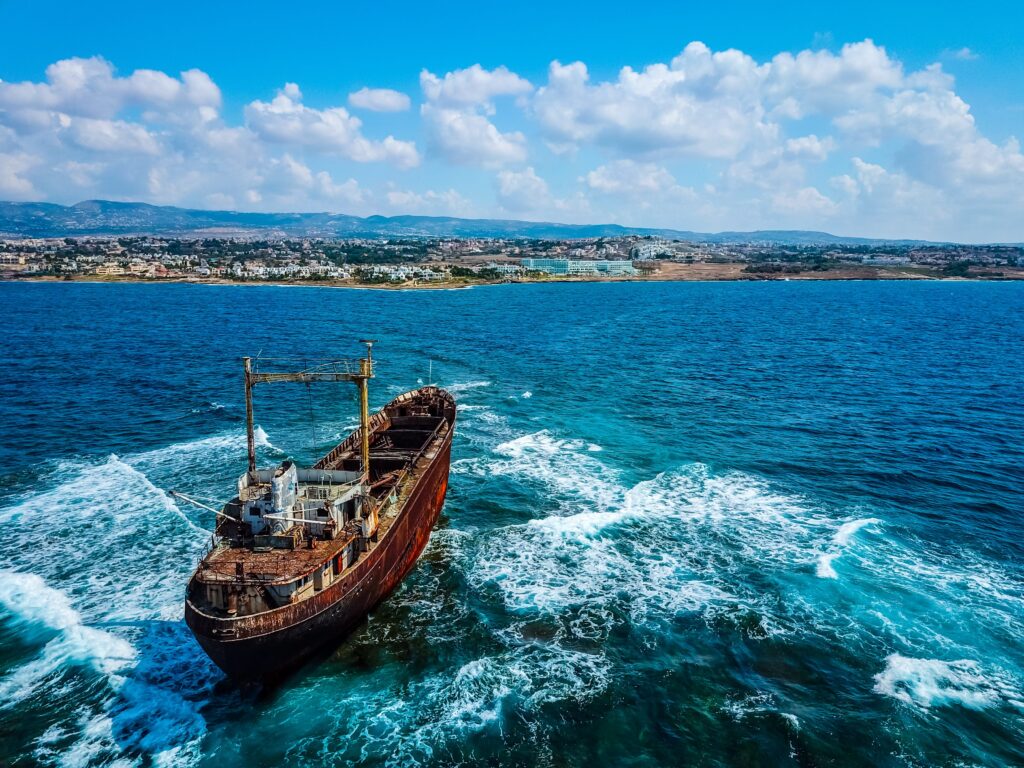
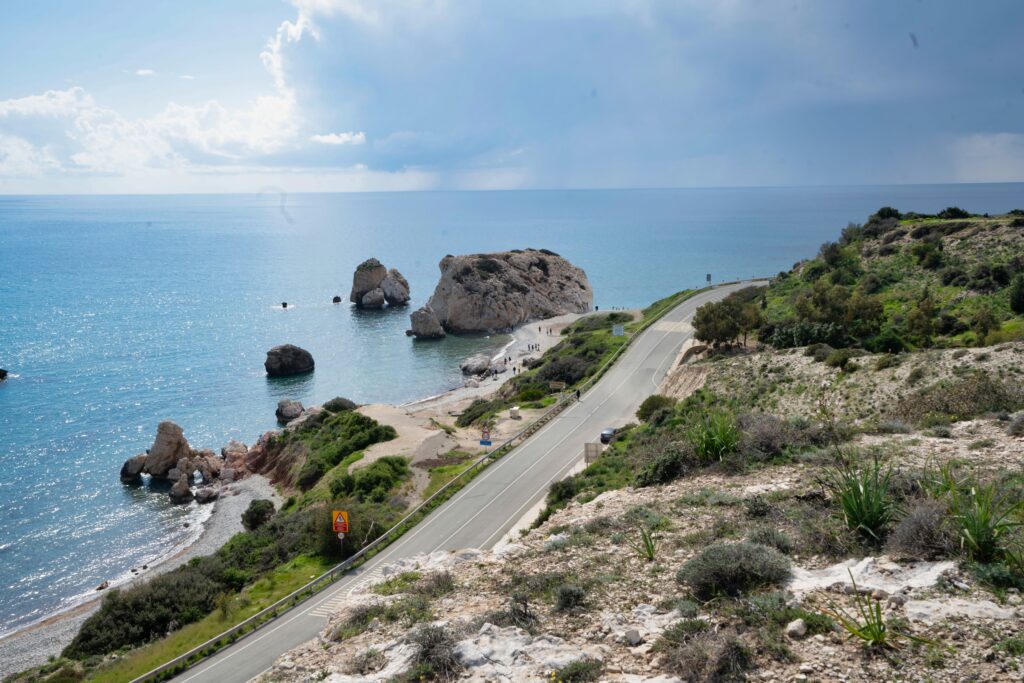
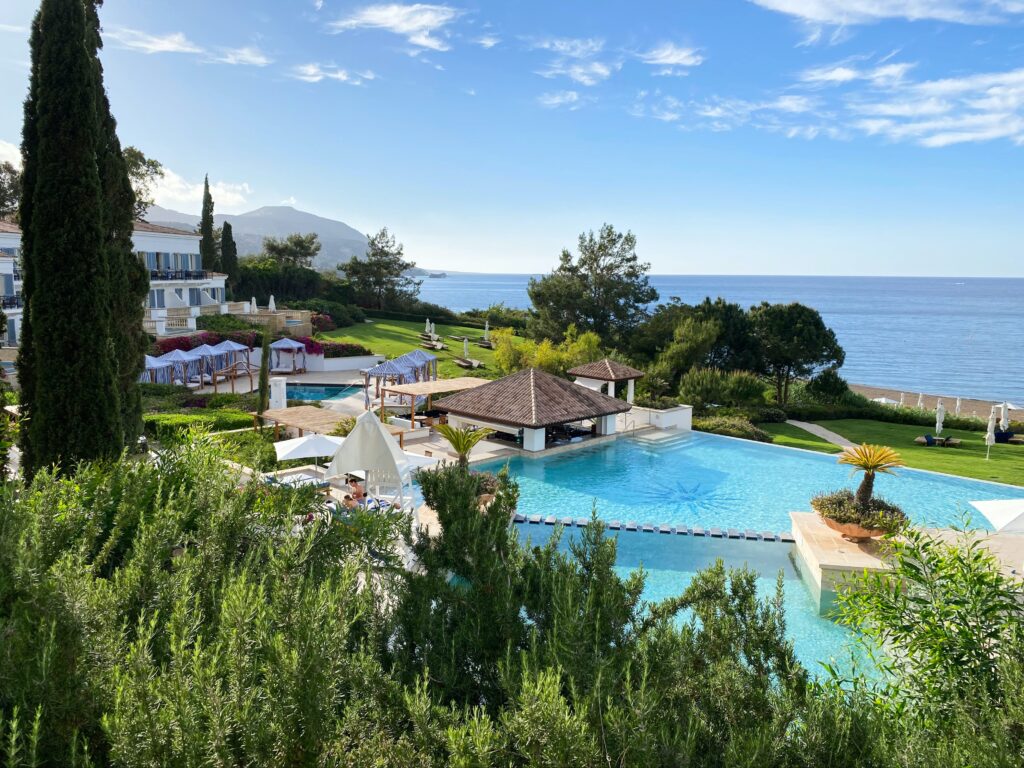
Cyprus in pictures
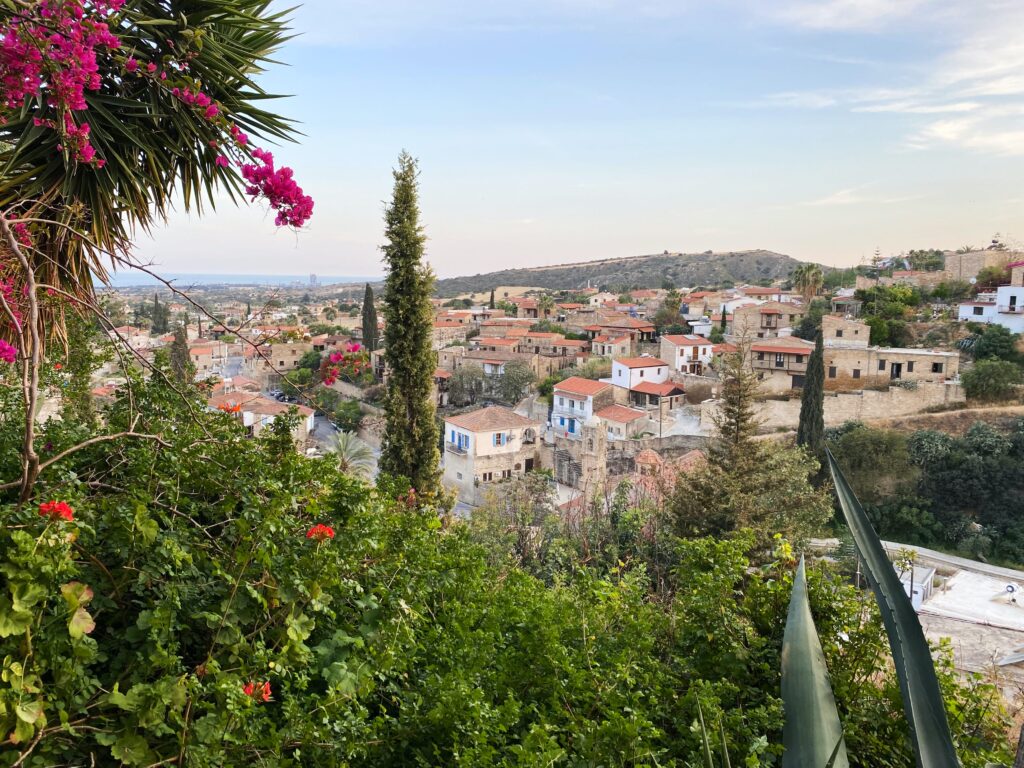
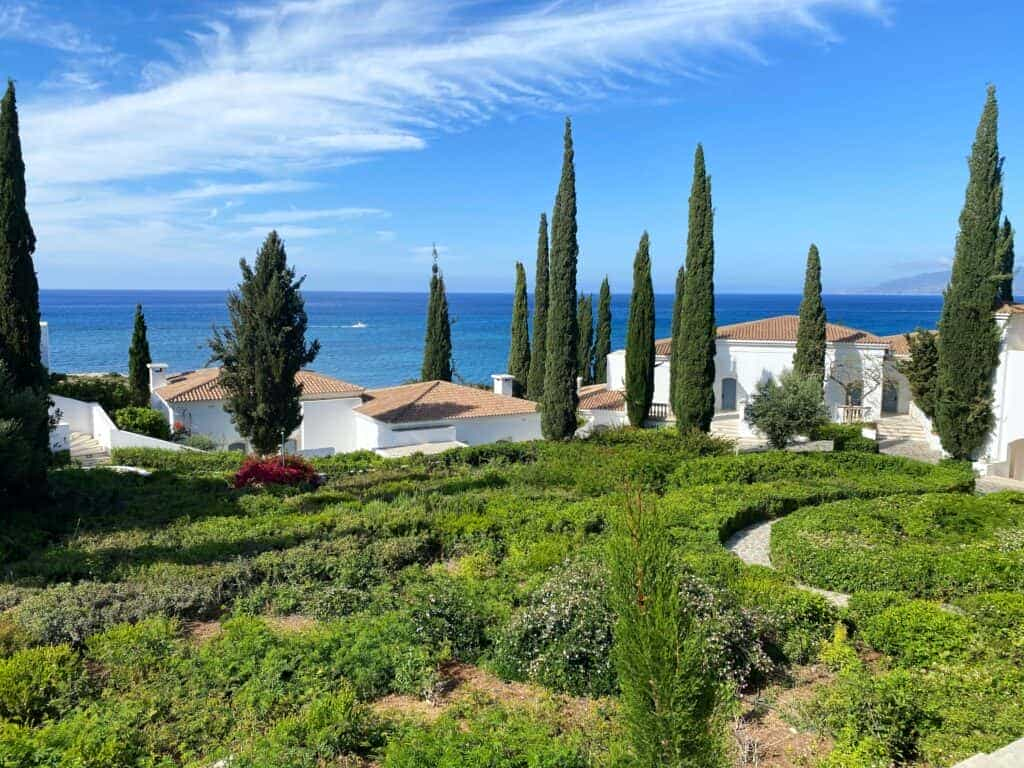
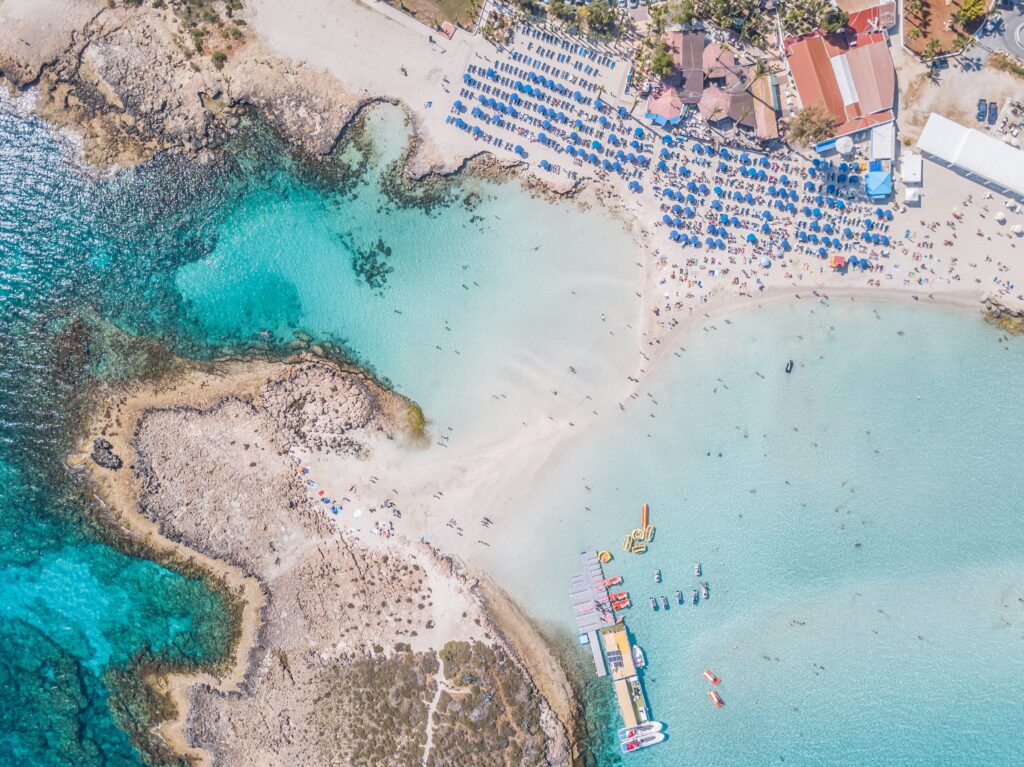
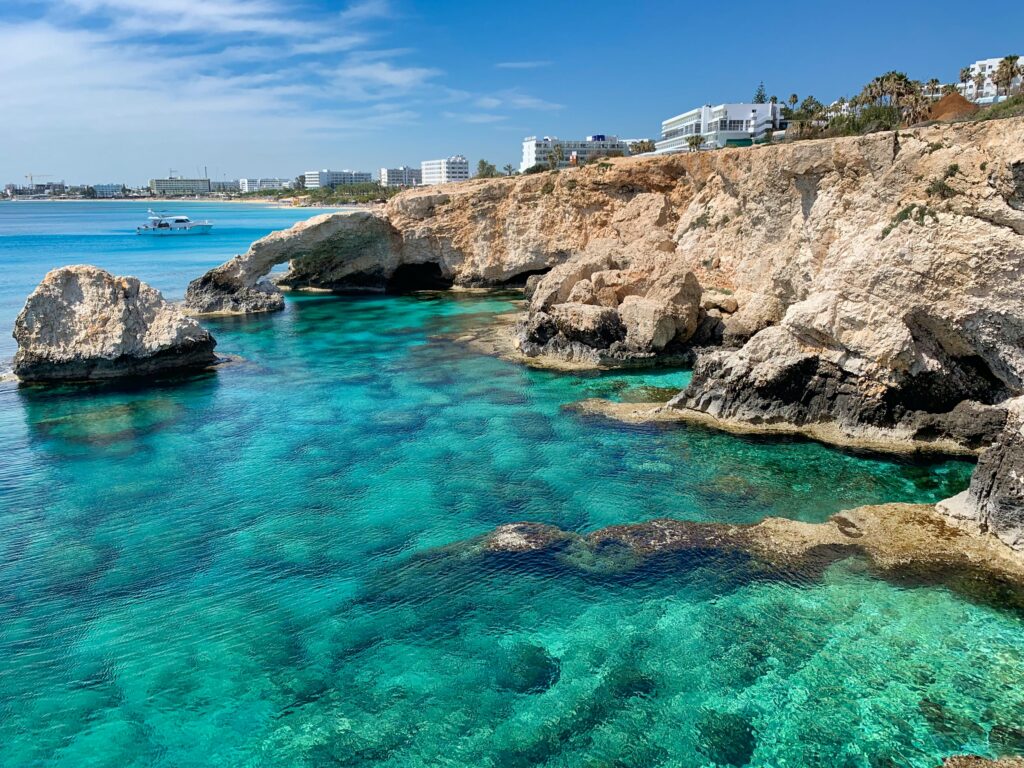
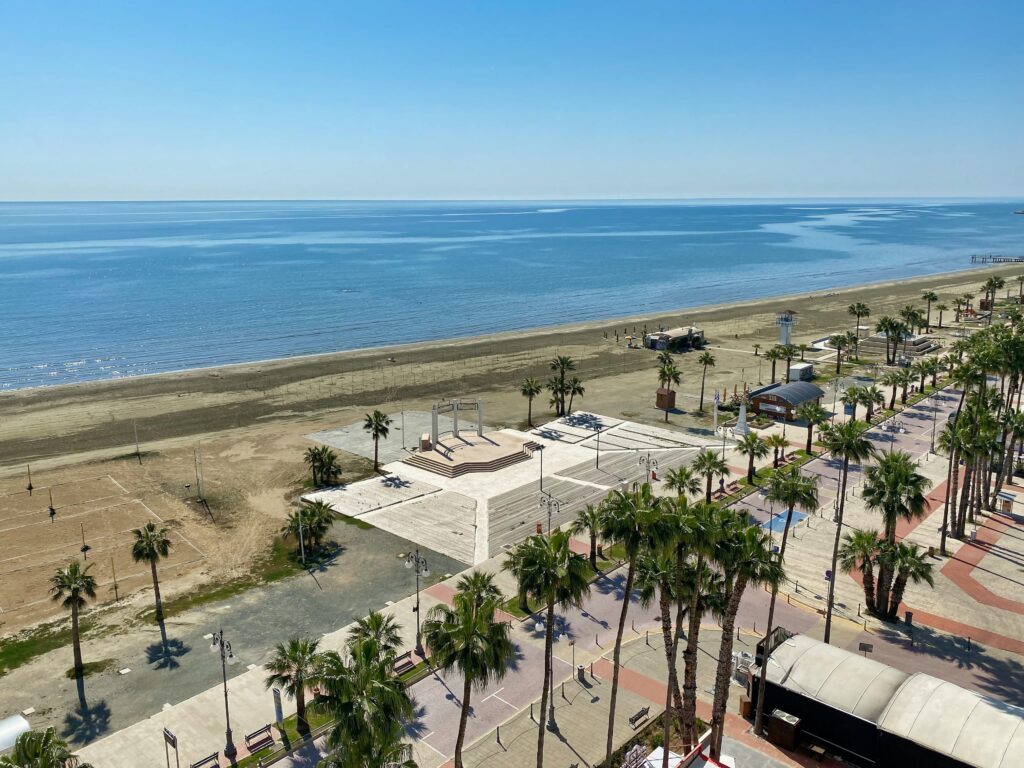
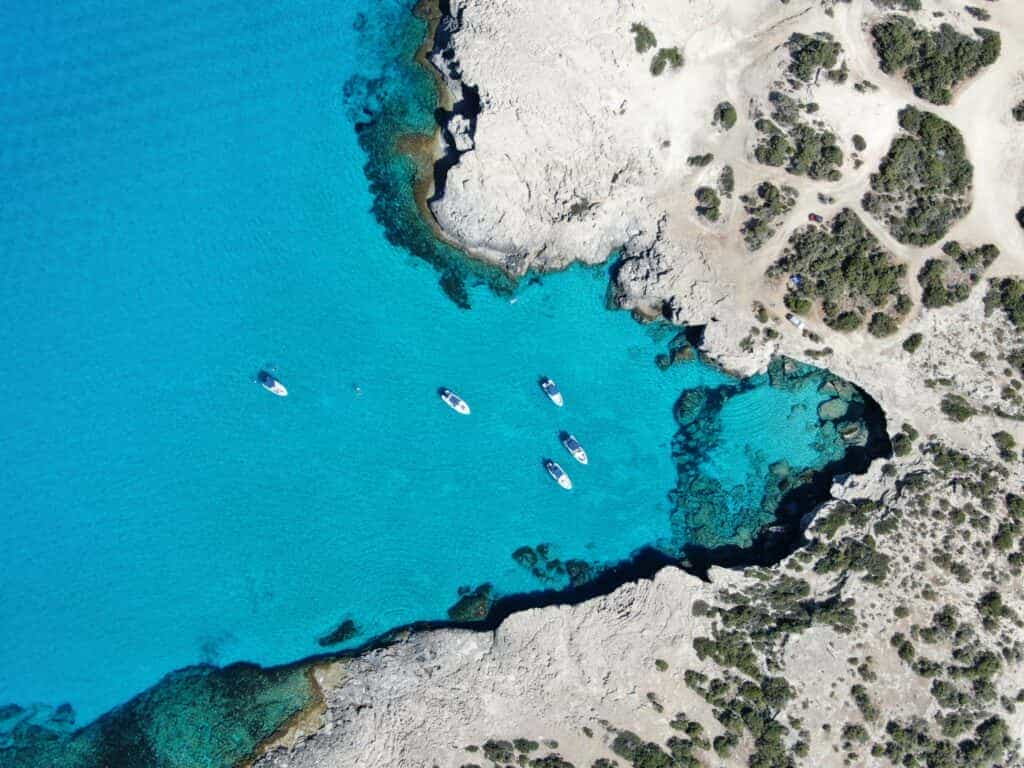
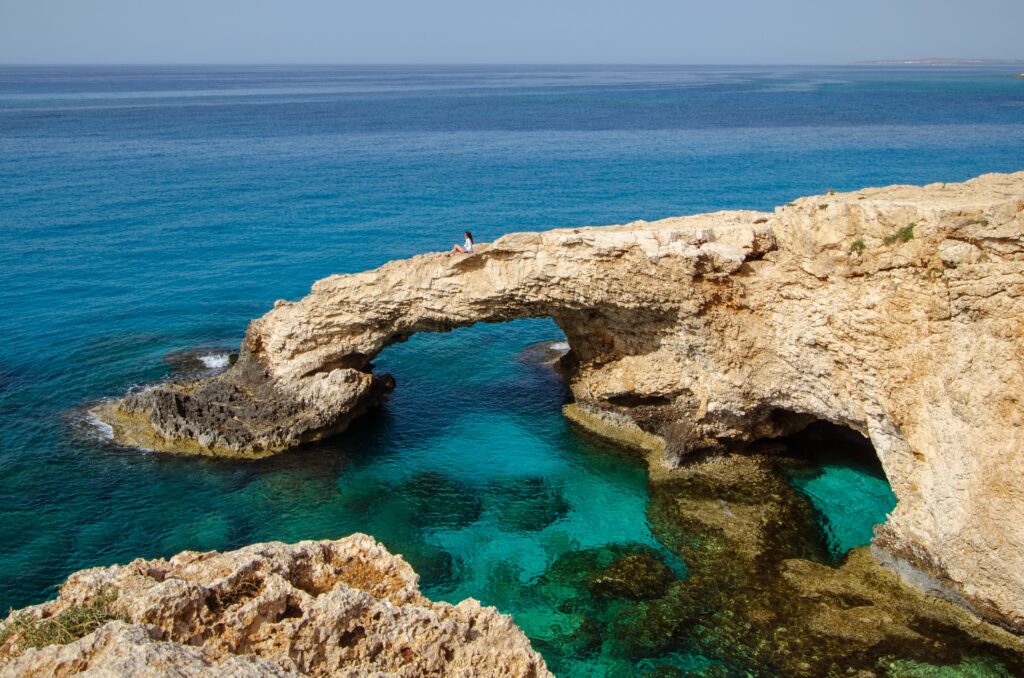
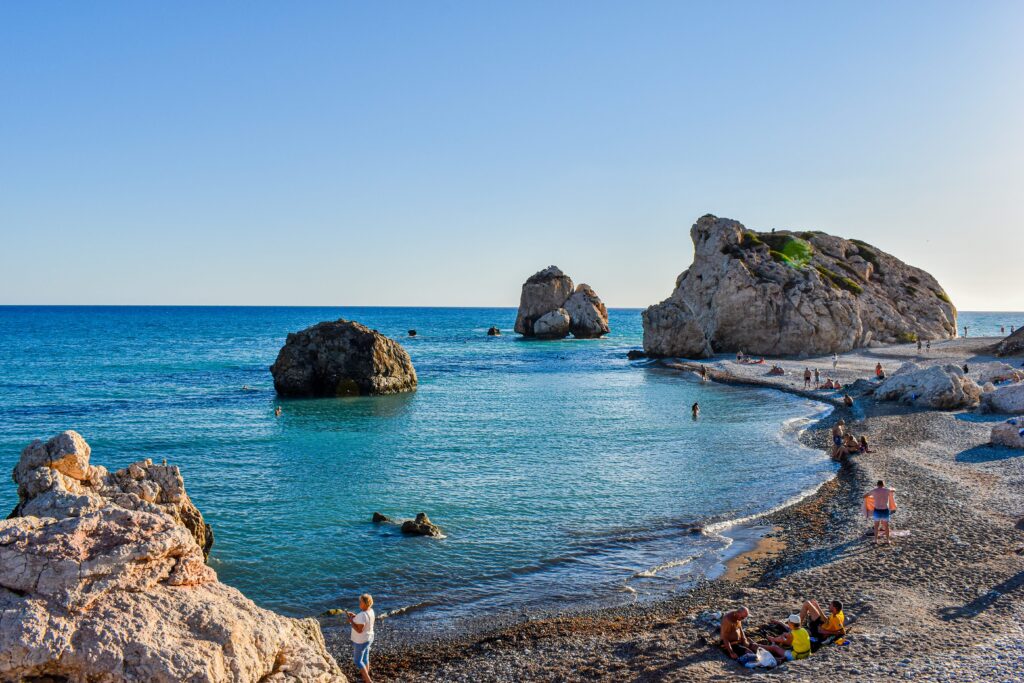
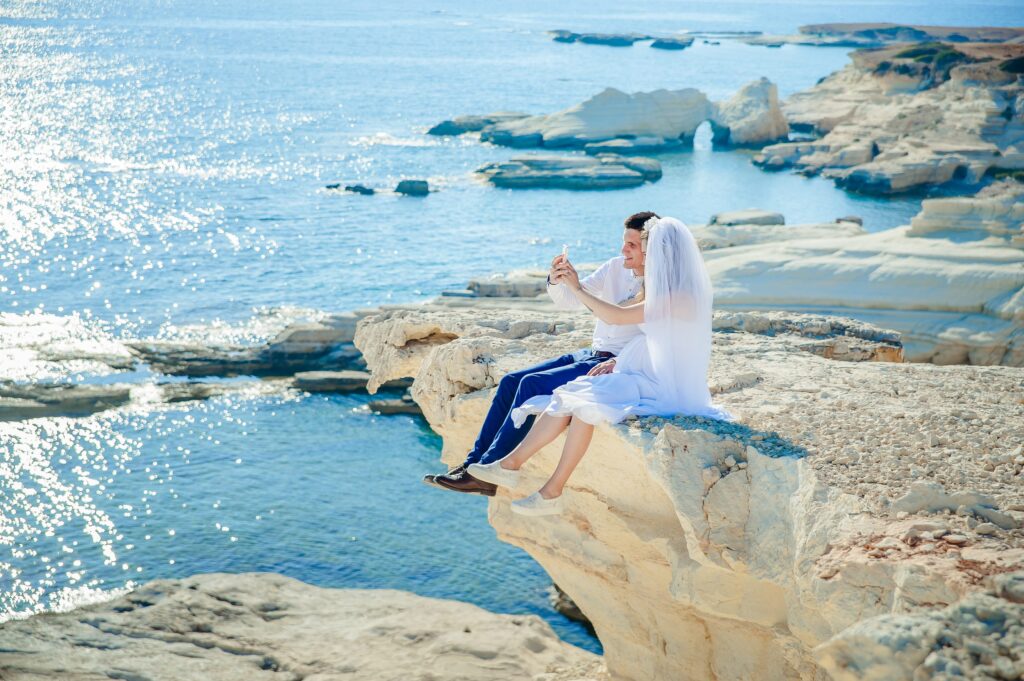
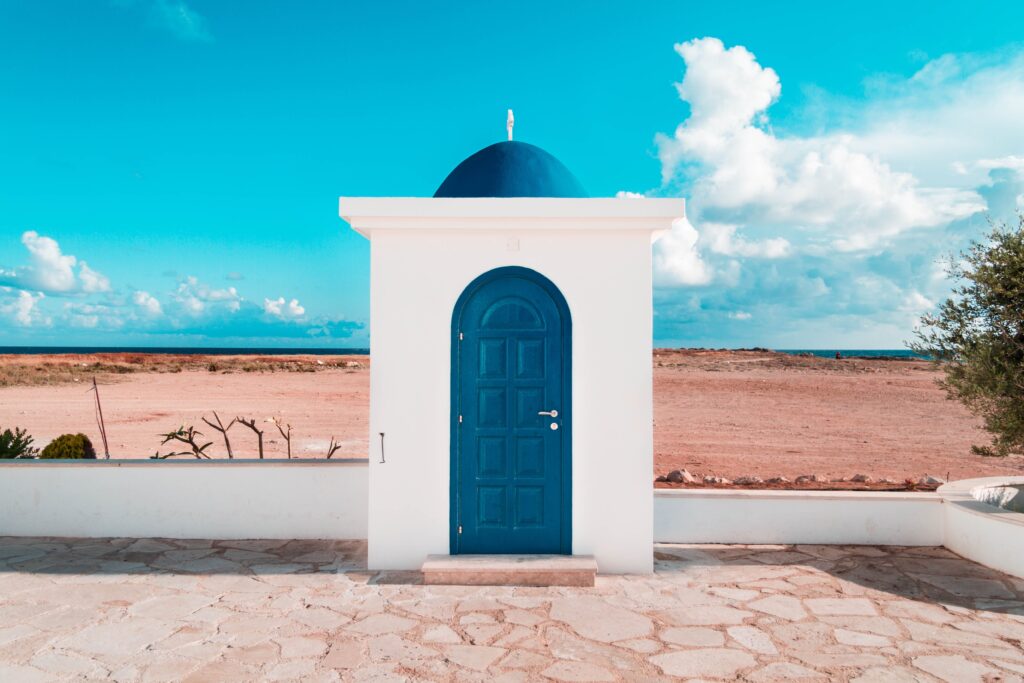
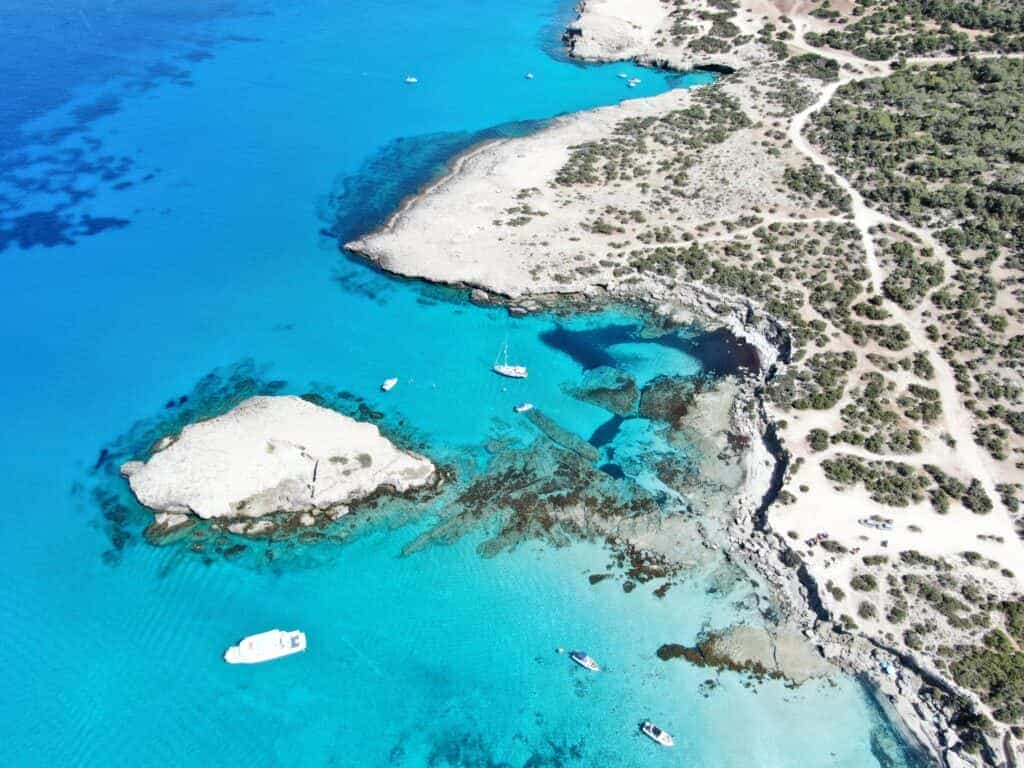
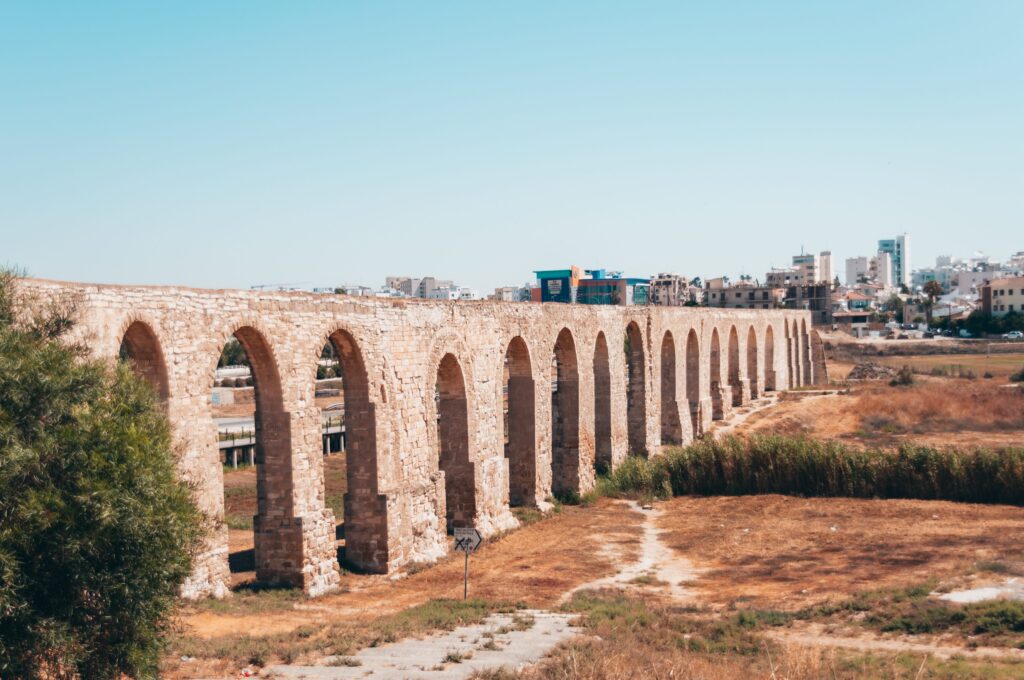
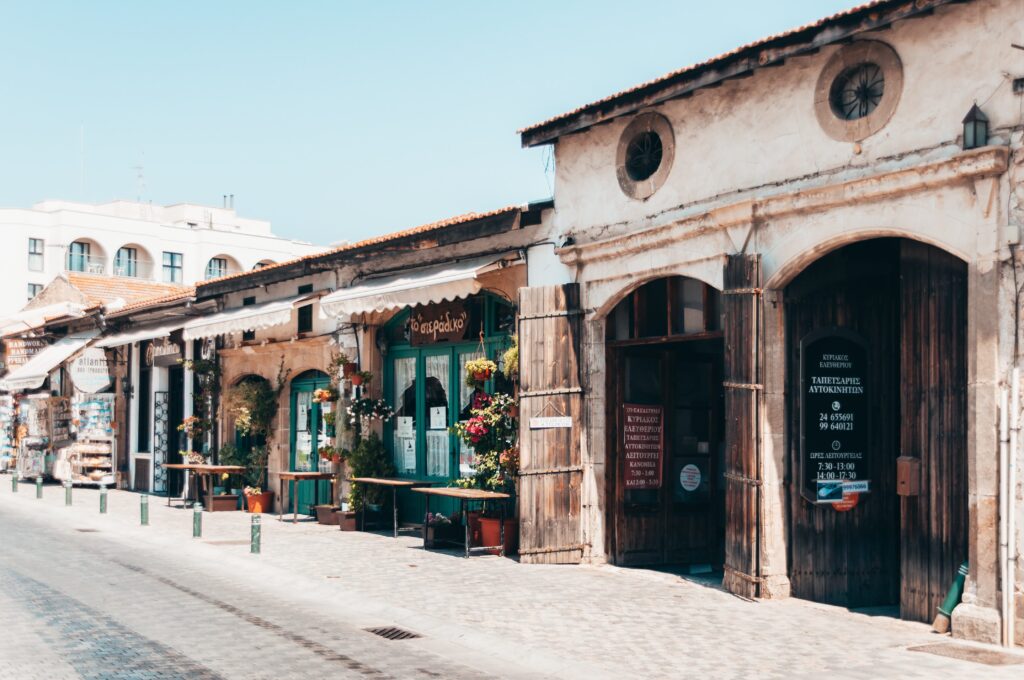
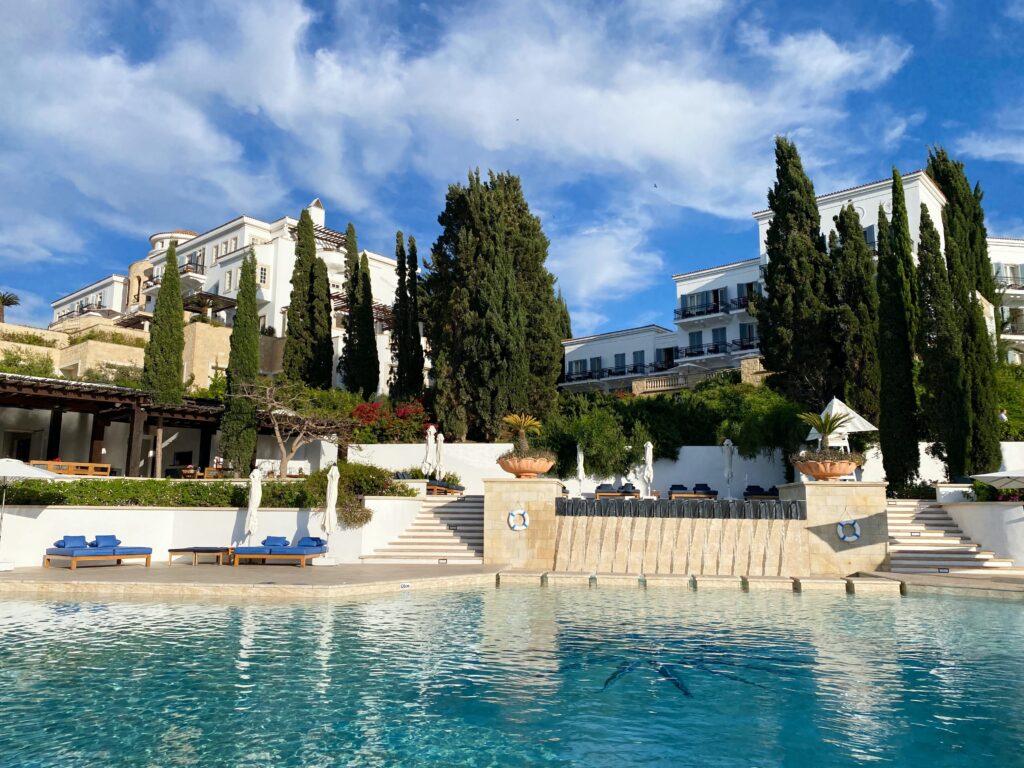
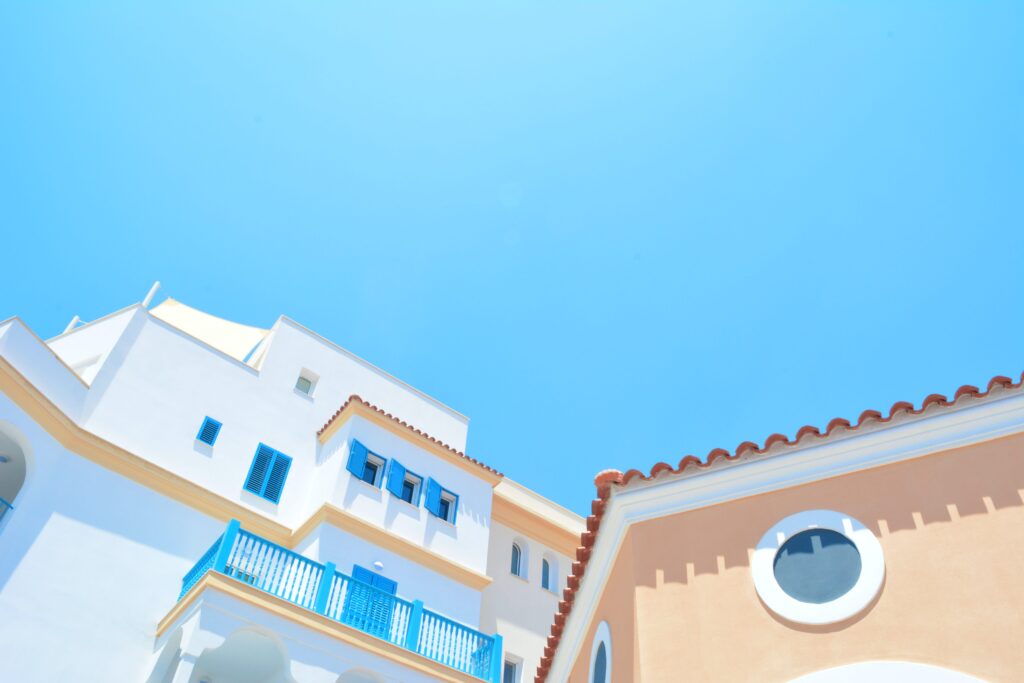
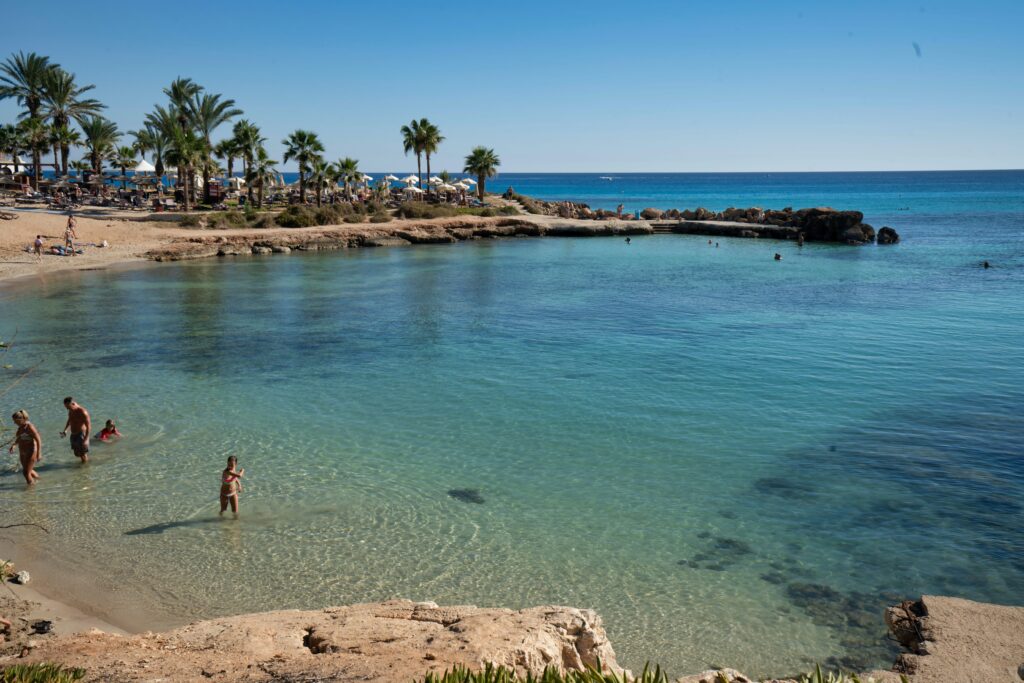
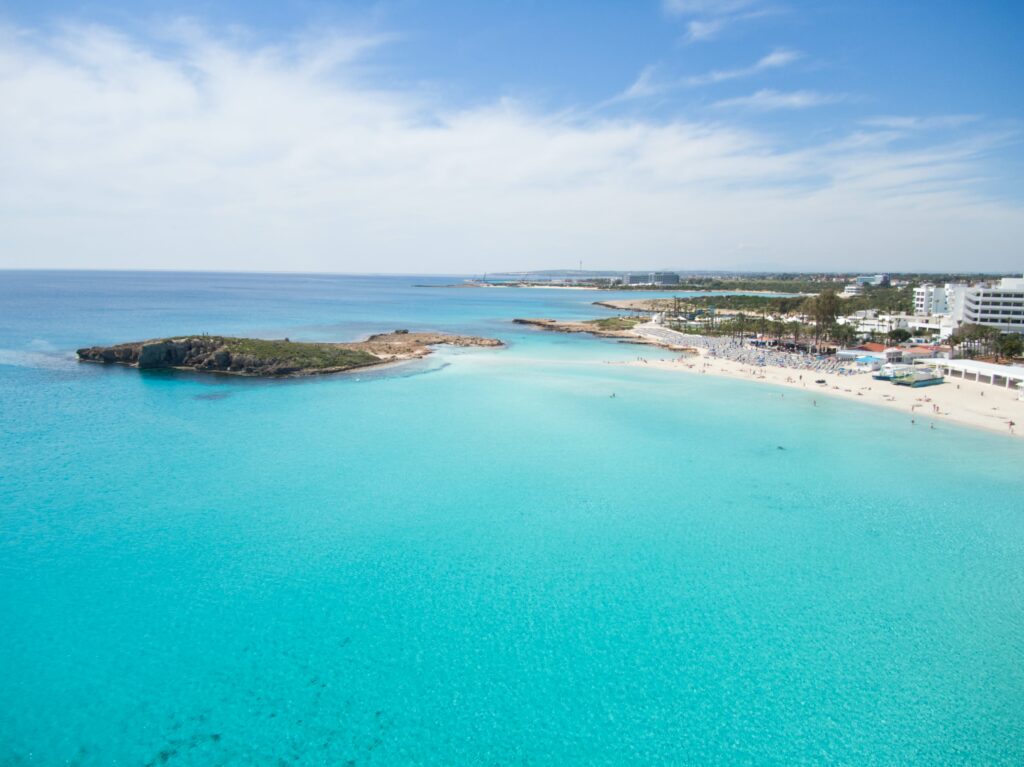
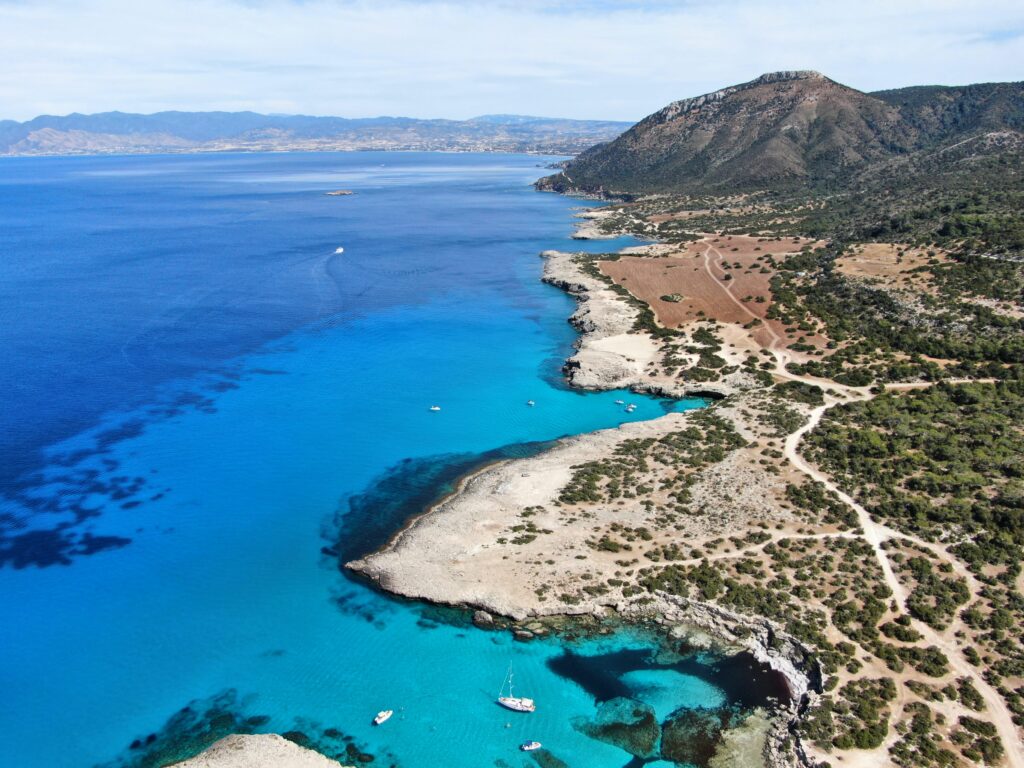
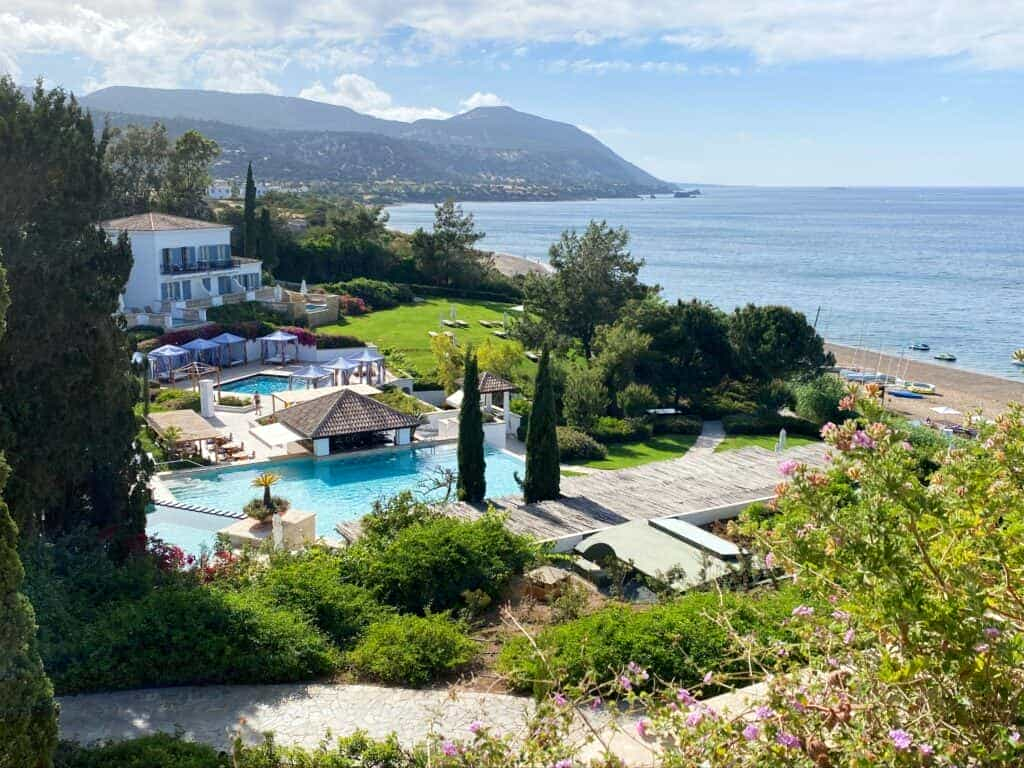
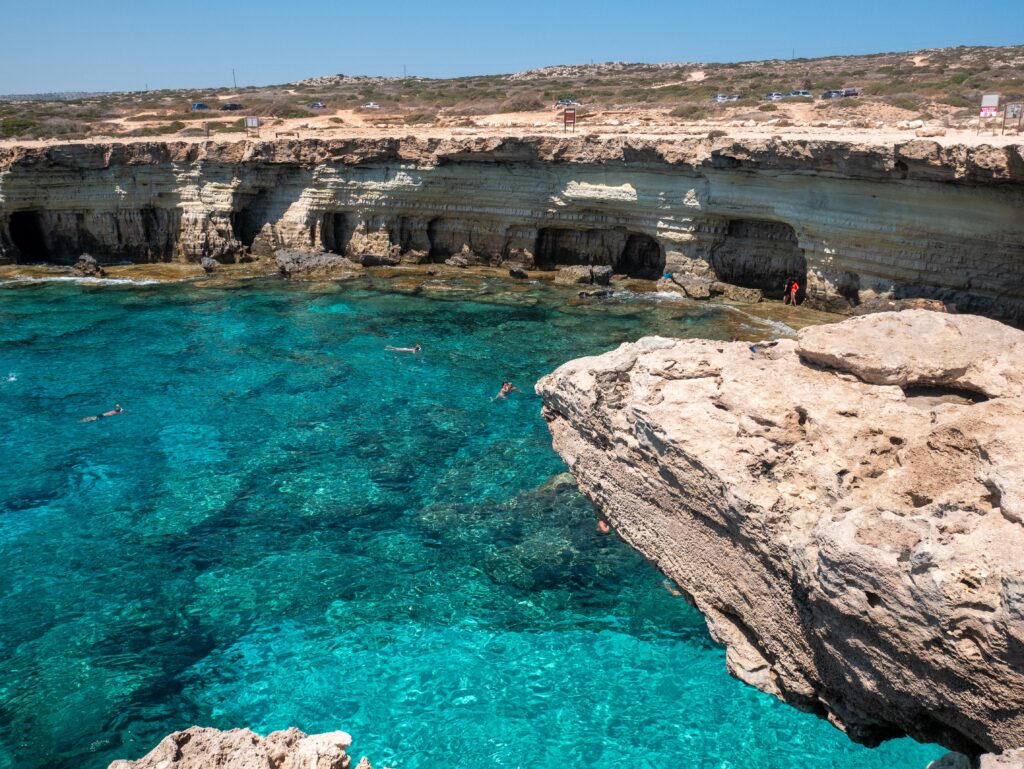
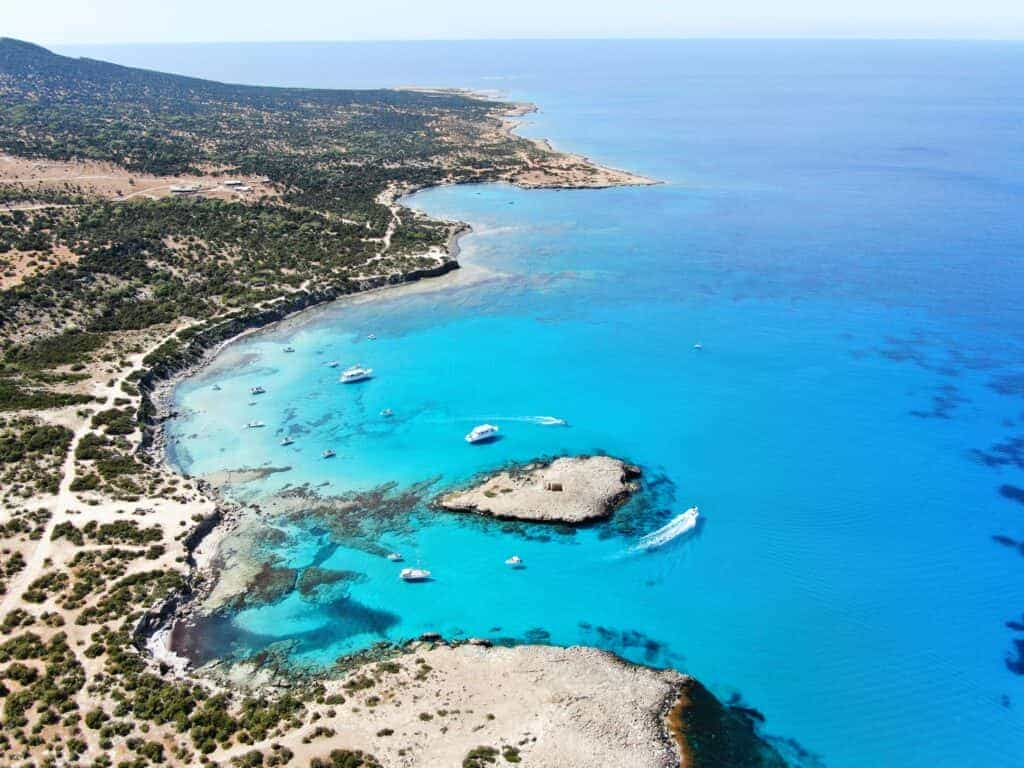
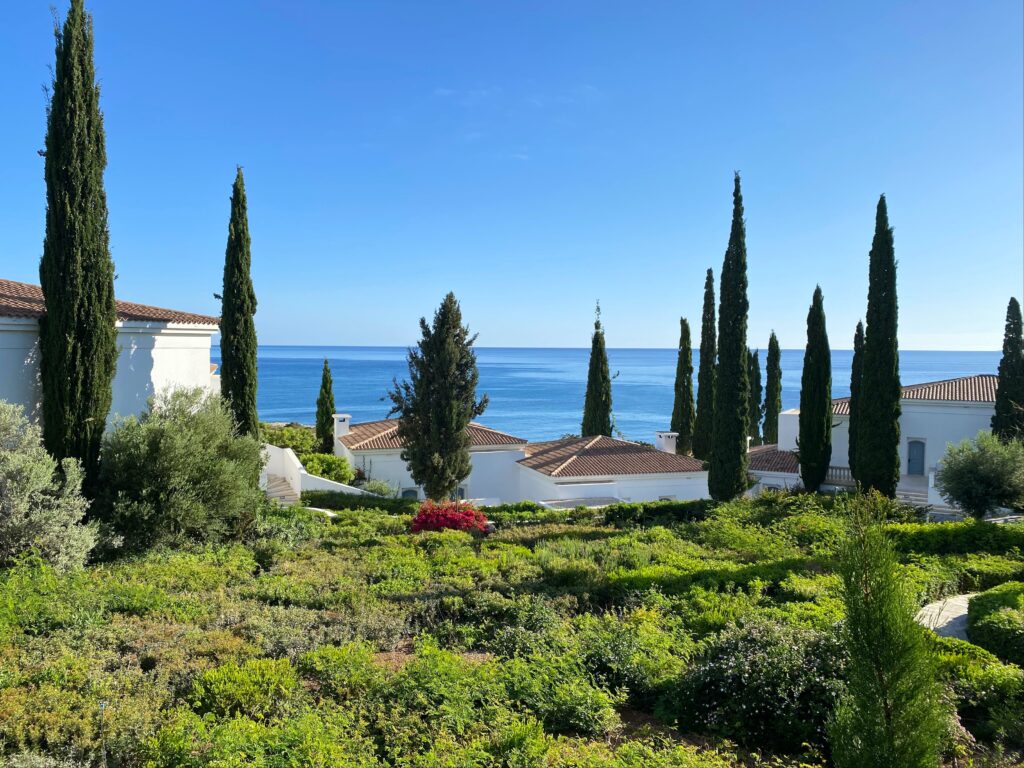
Cyprus on video
The player loads when you press play — nothing is requested from the video host before that.
Cyprus compared with its neighbours
How it sits against the other countries of Southern Europe.
| Country | Population | Area | Capital |
|---|---|---|---|
 Slovenia | 2.1 million | 20,273 km² | Ljubljana |
 North Macedonia | 1.8 million | 25,713 km² | Skopje |
| Cyprus | 1.4 million | 9,251 km² | Nicosia |
 Montenegro | 630,000 | 13,812 km² | Podgorica |
Ranked 154th of 195 countries by population and 162nd by area.
Questions about Cyprus
What is the capital of Cyprus?
The capital of Cyprus is Nicosia.
How many people live in Cyprus?
About 1.4 million people. Ranked 154th of 195 countries by population and 162nd by area.
How big is Cyprus?
Cyprus covers 9,251 km², in Southern Europe.
What is Cyprus known for?
Cyprus is best known for Archaeological sites, Beaches and Troodos Mountains.
What language is spoken in Cyprus?
Greek and Turkish are the official languages, with English widely spoken and understood.
What currency is used in Cyprus?
Euro (EUR).
Is Cyprus a country?
Yes. Cyprus is a sovereign state and is counted among the 195 countries this generator draws from.