
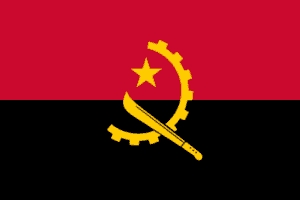
Angola
Central Africa
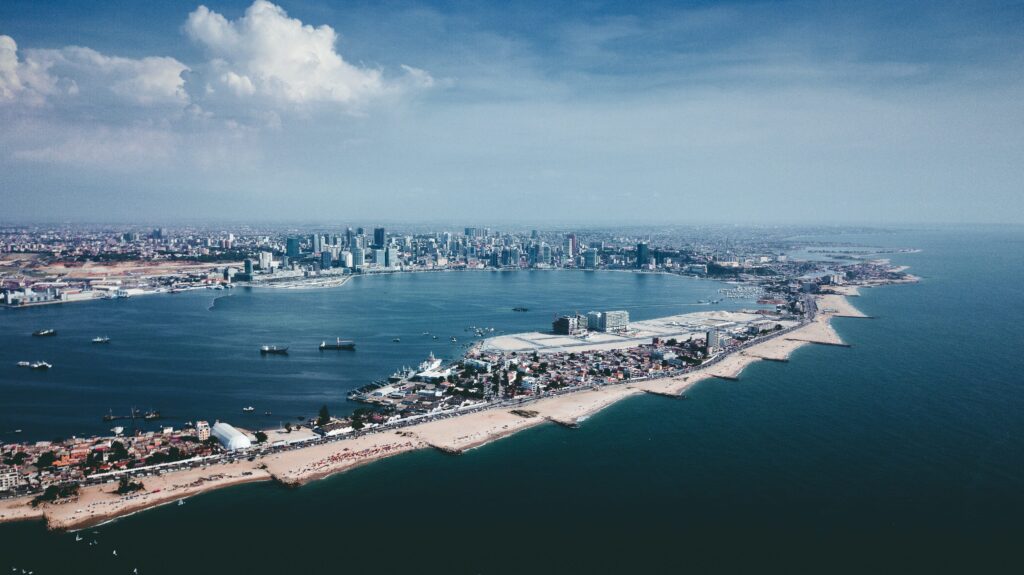
Angola is a country in Central Africa, home to 37.2 million people, with an area of 1,246,700 km². Its capital is Luanda.
- Capital
- Luanda
- Population
- 37.2 million
- Area
- 1,246,700 km²
- Region
- Central Africa
- Density
- 29.8 / km²
- Status
- Sovereign state
Population: UN World Population Prospects, 2024 revision. Area: CIA World Factbook.
Venture into the wild heart of Angola 🇦🇴, where rugged landscapes 🏞️, exotic wildlife 🦁, and a rich history 🏛️ intertwine. Explore its diverse natural wonders and delve into the fascinating stories of its past on your unforgettable journey!
Angola at a glance
- Language
- Portuguese is the official language, but many other languages and dialects are also spoken
- Currency
- Angolan kwanza
- Religion
- Christianity is the predominant religion in Angola, but the country is also home to many other religions and belief systems
- National dish
- Moamba de galinha (chicken stew with palm oil and vegetables)
- Climate
- Angola has a tropical climate, with a rainy season from October to April and a dry season from May to September
- Main industries
- Oil and gas, mining, agriculture, and tourism
- GDP
- $87.9 billion (2020 estimate)
- Development
- Angola is considered a lower-middle-income country with a human development index (HDI) ranking of 145 out of 189 countries (2020)
Things to do in Angola
Some of the main tourist attractions in Angola include:
- The Kalandula Falls, one of the largest waterfalls in Africa, located in the north of the country.
- The Kissama National Park, which is home to many species of wildlife, including elephants, lions, and giraffes.
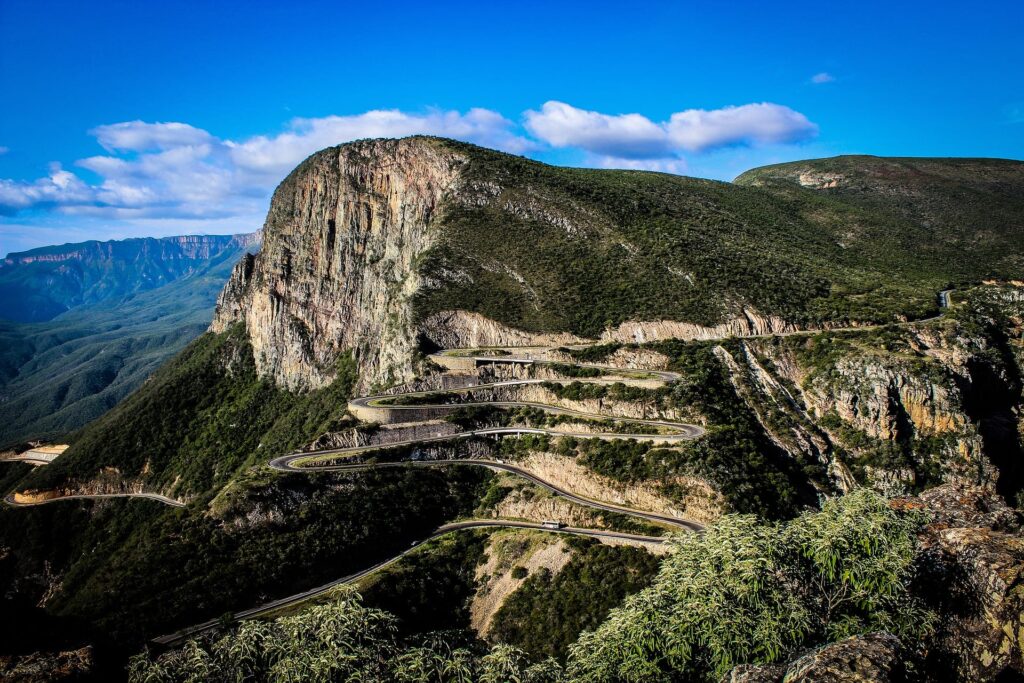
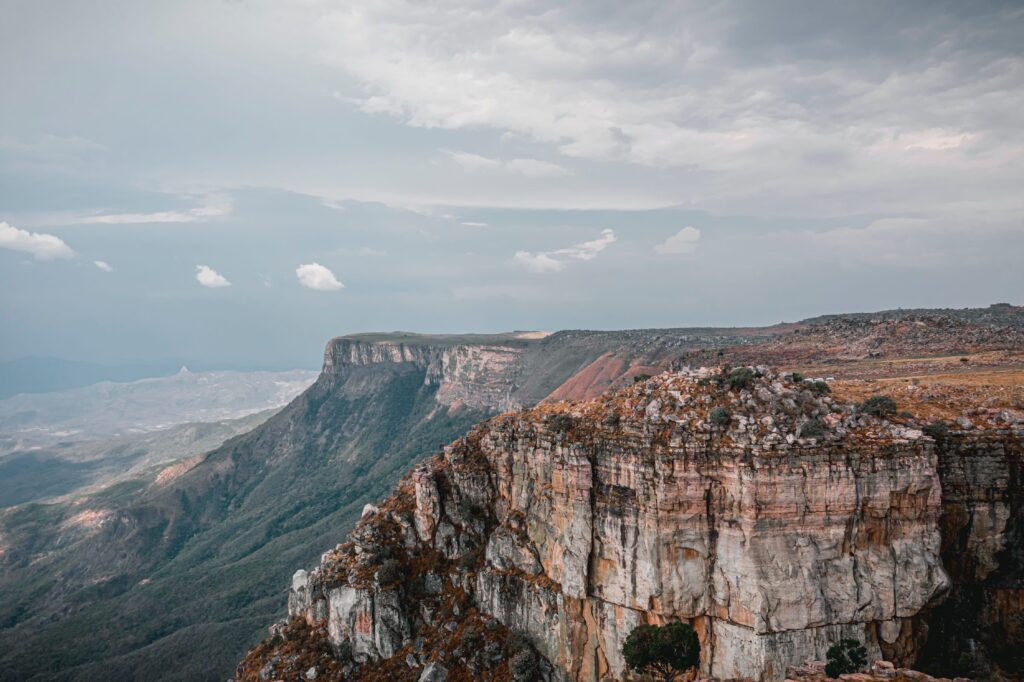
- The Tundavala Fissure, a geological formation that offers stunning views of the surrounding landscape.
- The Fortaleza de São Miguel, a 16th century fortress that was once an important defensive structure in the city of Luanda.
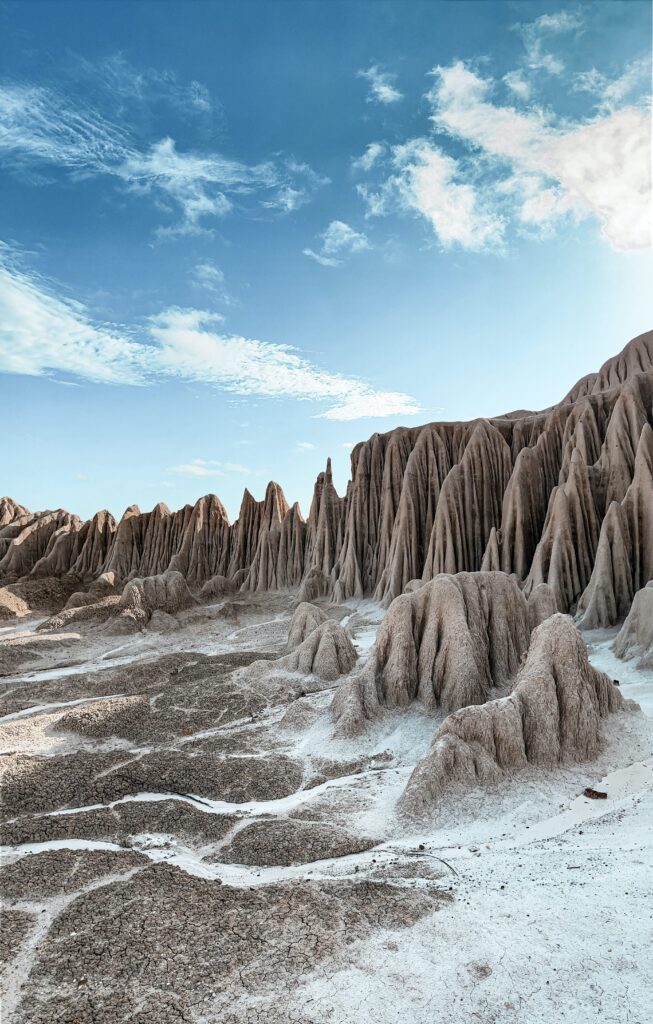
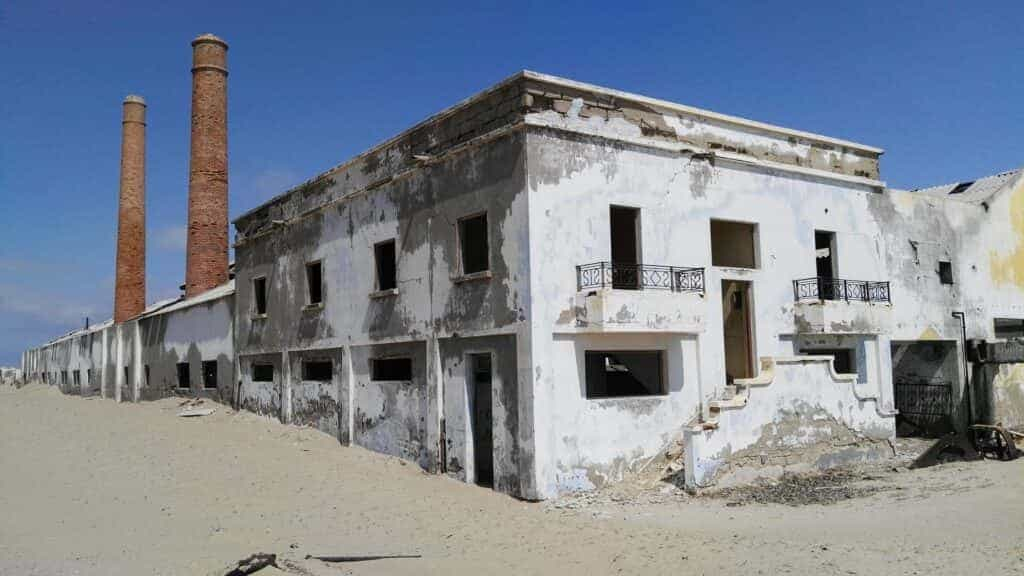
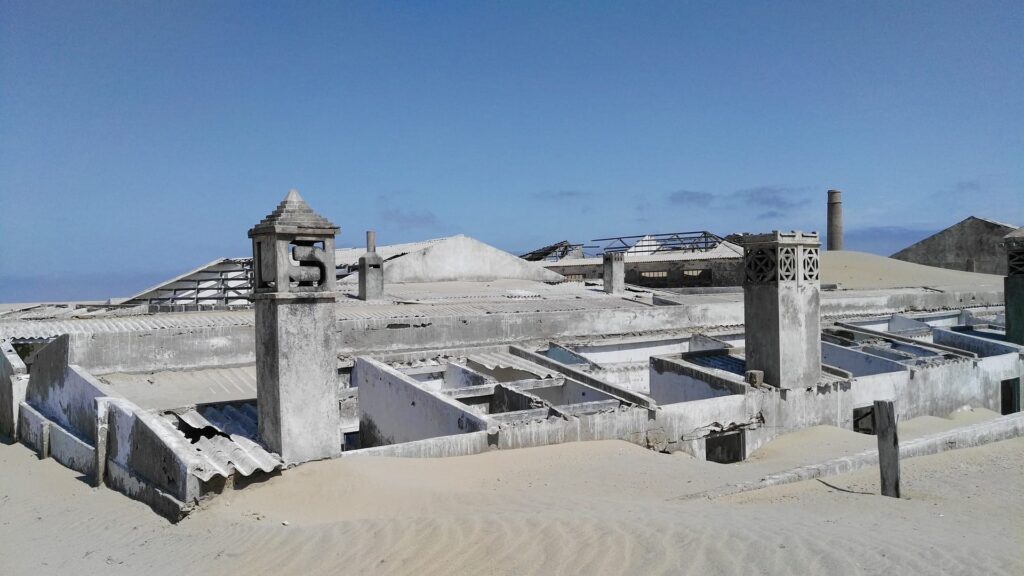
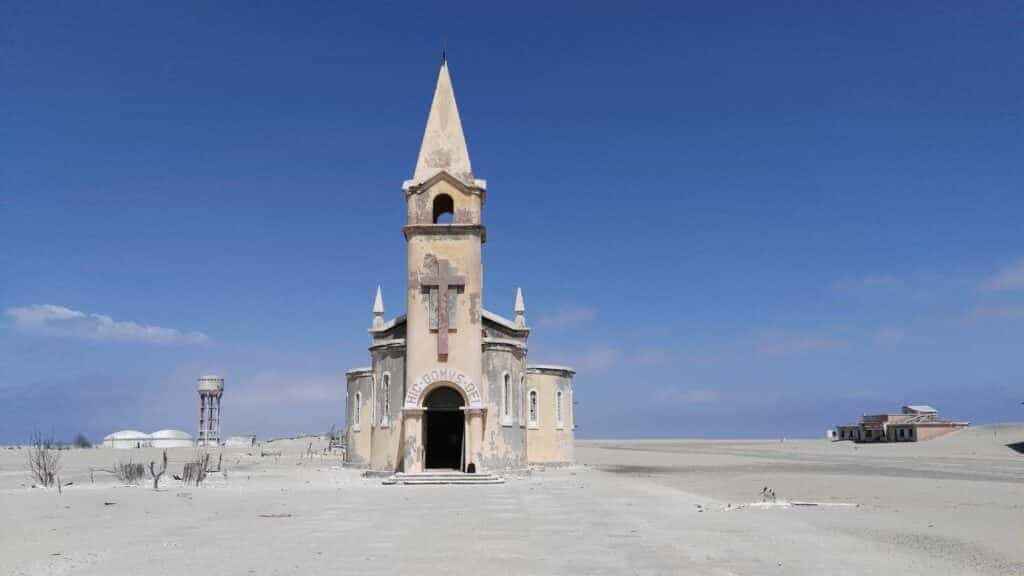
- The Iona National Park, which is located in the southwest of the country and is known for its unique desert landscapes and wildlife.
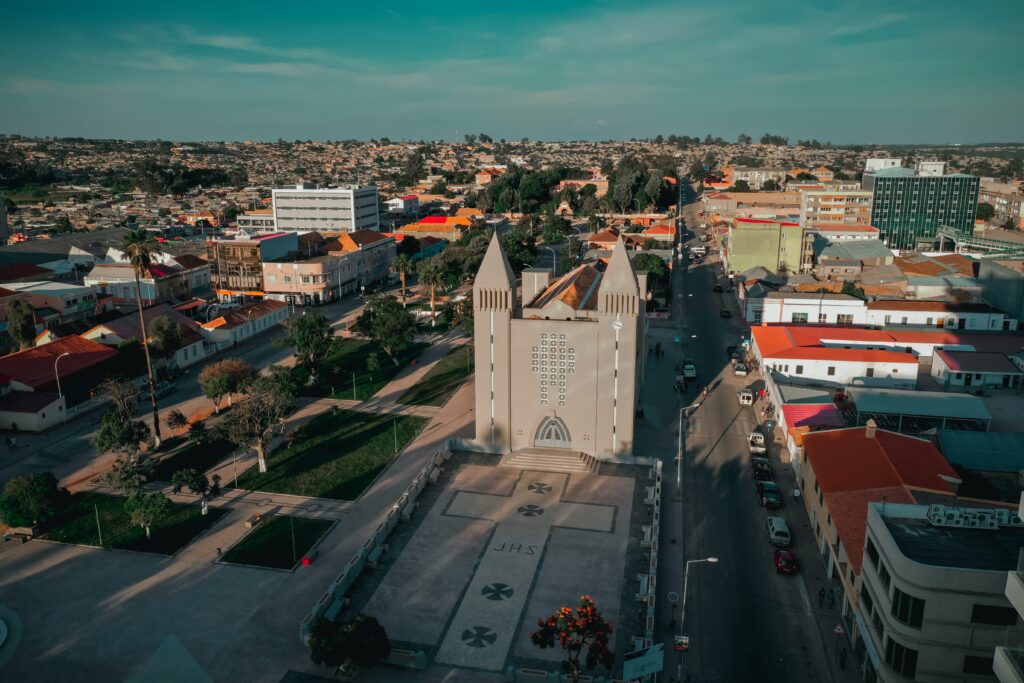
- The Cathedral of the Holy Saviour, a beautiful Catholic church located in the center of Luanda.
- The Namibe Desert, a vast expanse of sand dunes and rocky outcrops that is located in the south of the country.
These are just a few examples of the many attractions that Angola has to offer. Visitors to Angola can also enjoy its rich cultural heritage, sample its delicious cuisine, and explore its many natural wonders.
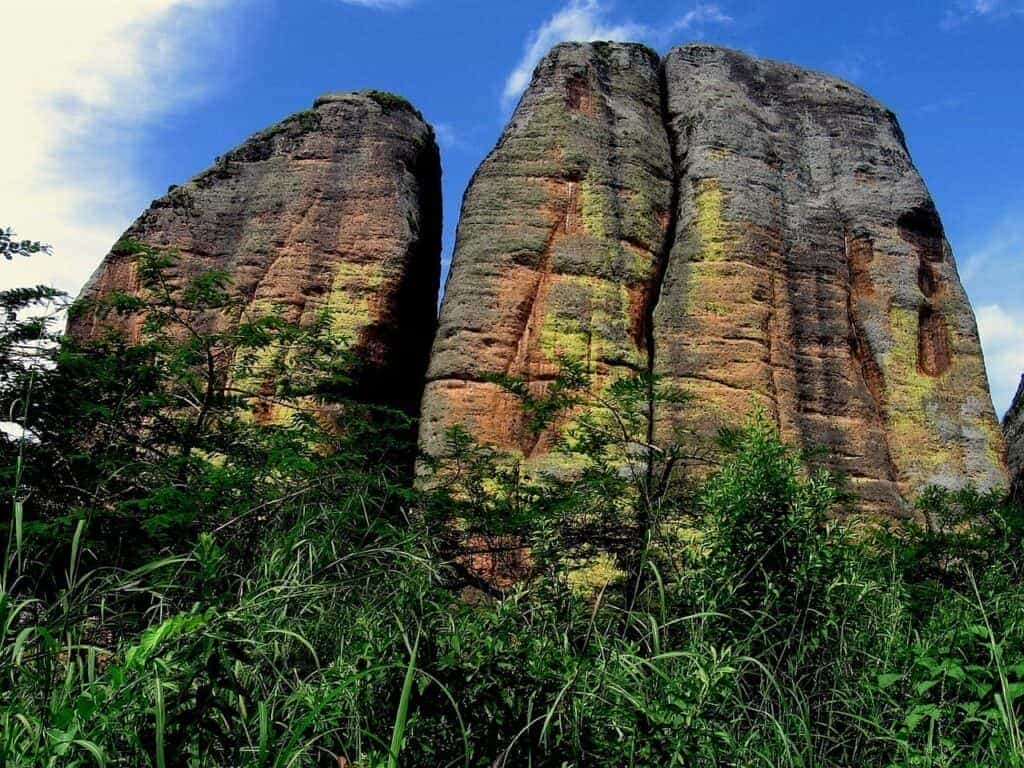
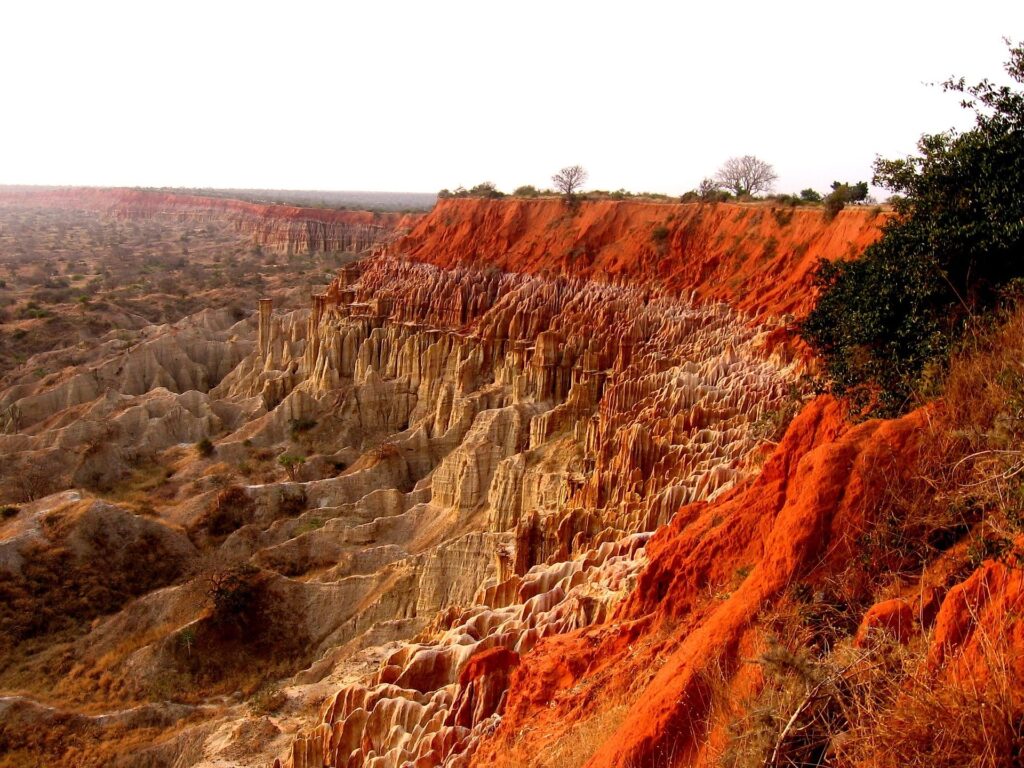
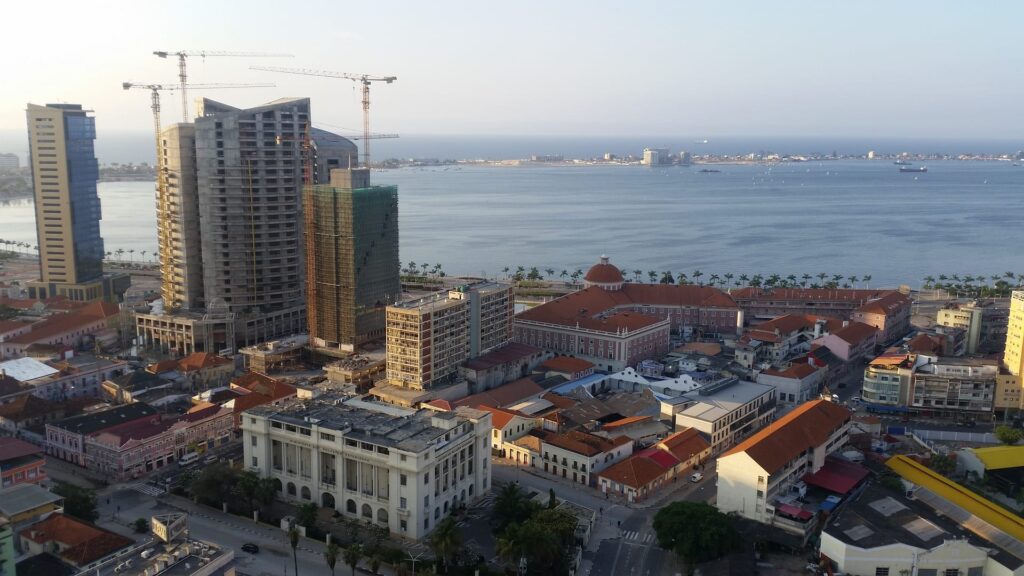
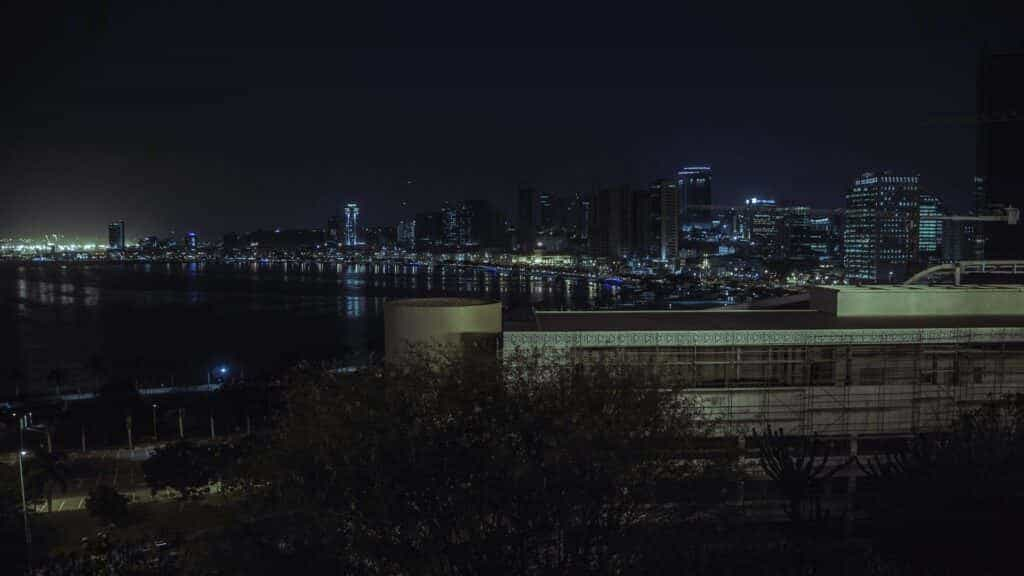
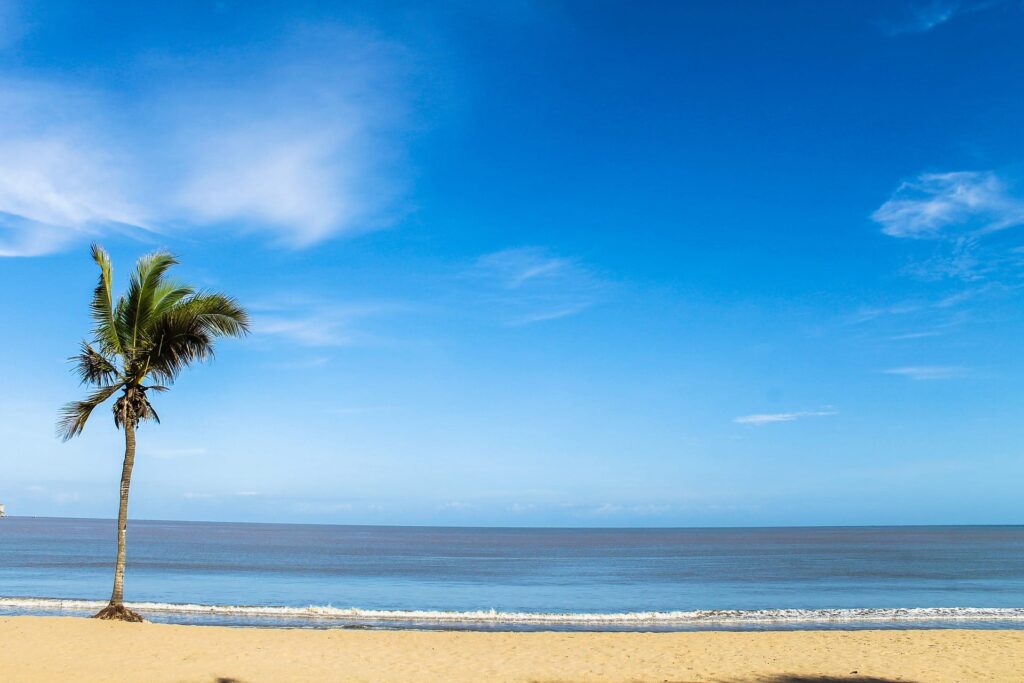
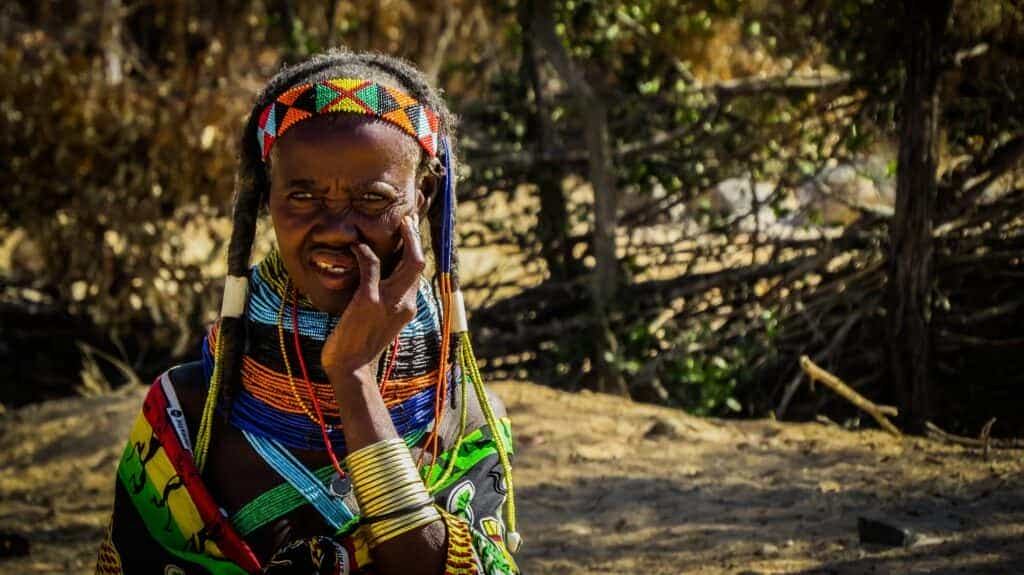
Angola in pictures
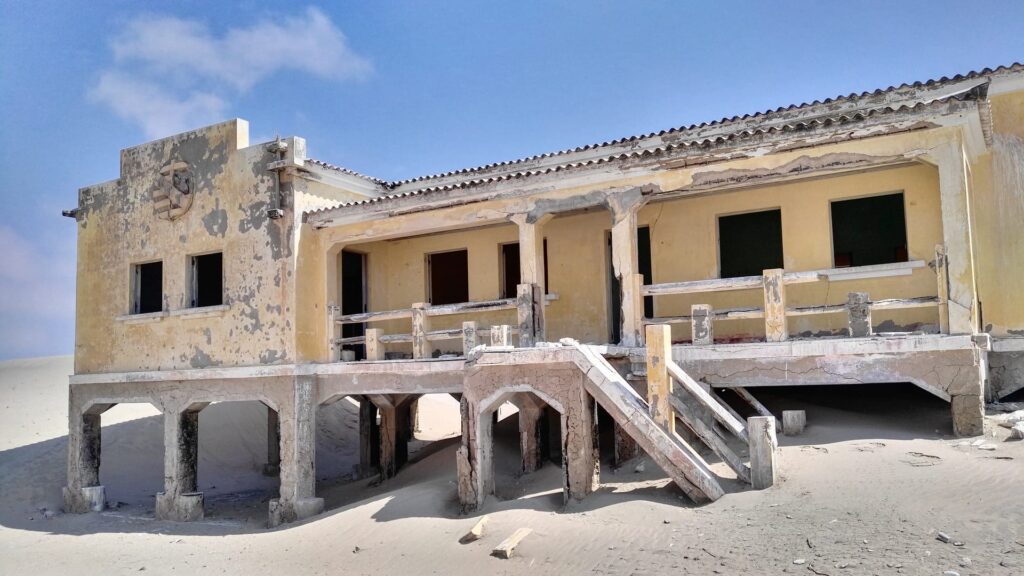
Angola on video
The player loads when you press play — nothing is requested from the video host before that.
Angola compared with its neighbours
How it sits against the other countries of Central Africa.
| Country | Population | Area | Capital |
|---|---|---|---|
| Angola | 37.2 million | 1,246,700 km² | Luanda |
 Cameroon | 28.6 million | 475,442 km² | Yaoundé |
 Chad | 18.3 million | 1,284,000 km² | N'Djamena |
 Republic of the Congo | 6.1 million | 342,000 km² | Brazzaville |
Ranked 41st of 195 countries by population and 22nd by area.
Questions about Angola
What is the capital of Angola?
The capital of Angola is Luanda.
How many people live in Angola?
About 37.2 million people. Ranked 41st of 195 countries by population and 22nd by area.
How big is Angola?
Angola covers 1,246,700 km², in Central Africa.
What language is spoken in Angola?
Portuguese is the official language, but many other languages and dialects are also spoken.
What currency is used in Angola?
Angolan kwanza.
Is Angola a country?
Yes. Angola is a sovereign state and is counted among the 195 countries this generator draws from.