

Fiji
Melanesia
Fiji is a country in Melanesia, home to 930,000 people, with an area of 18,274 km². Its capital is Suva.
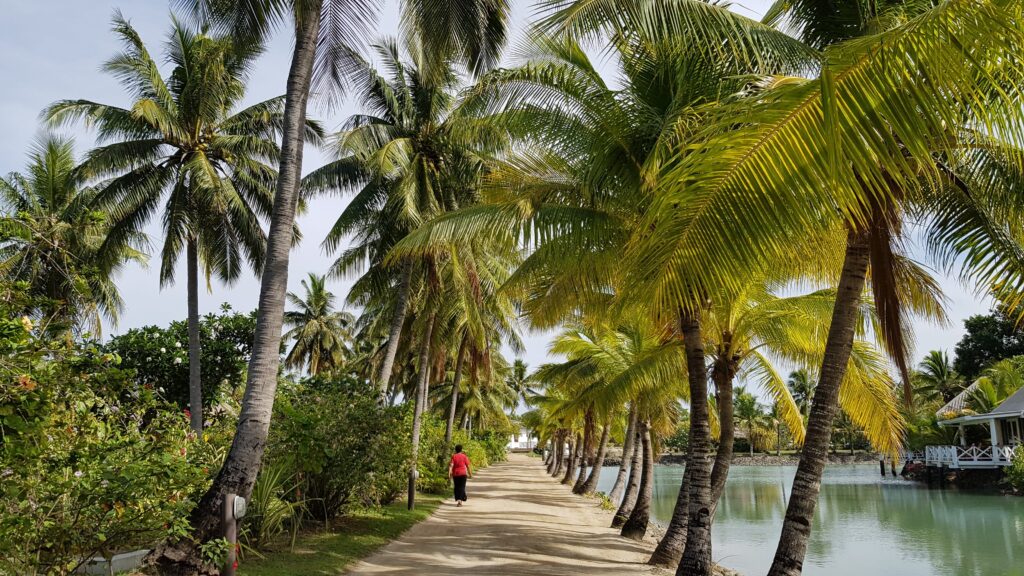
- Capital
- Suva
- Population
- 930,000
- Area
- 18,274 km²
- Region
- Melanesia
- Density
- 50.9 / km²
- Status
- Sovereign state
Population: UN World Population Prospects, 2024 revision. Area: CIA World Factbook.
What Fiji is known for
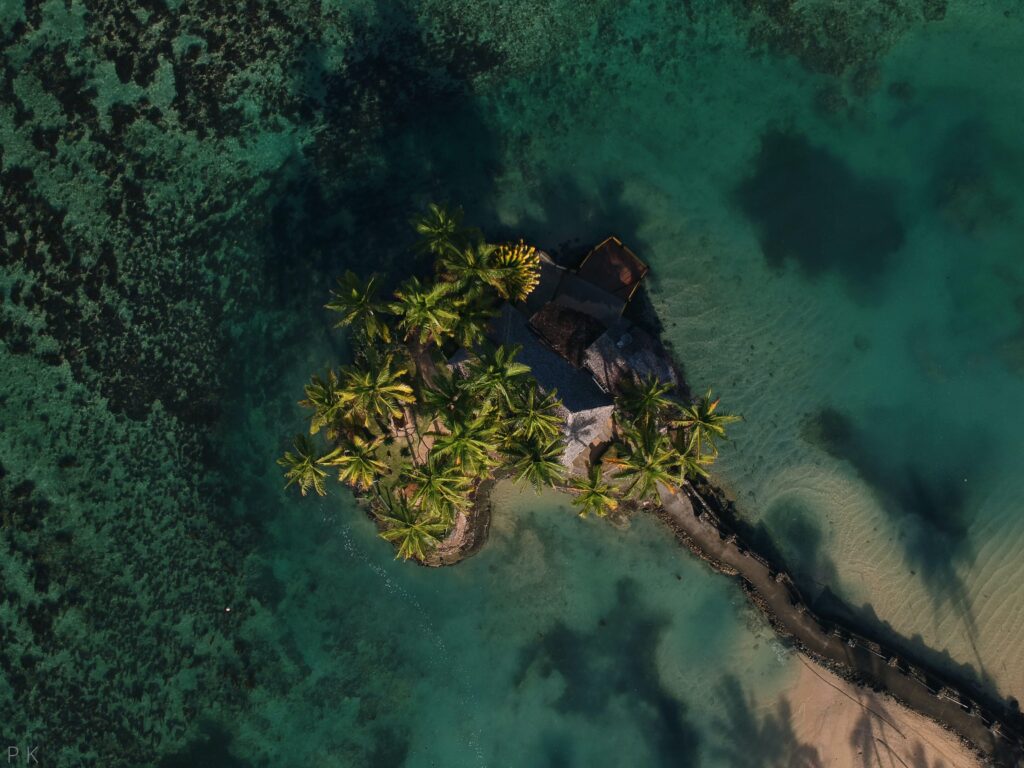
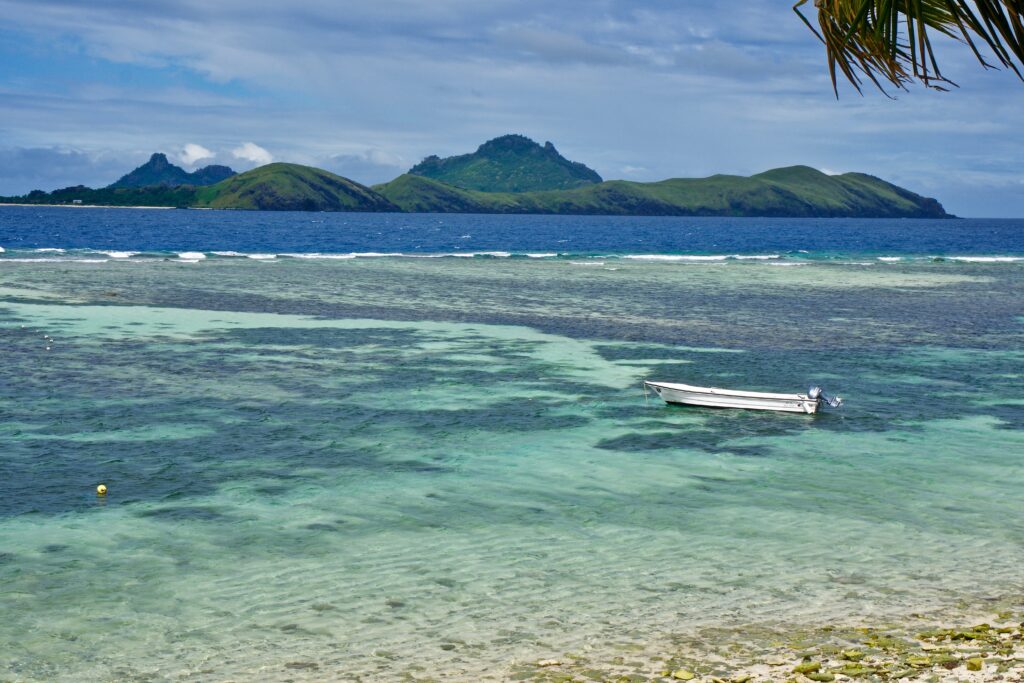
Fiji is best known for Beaches, Coral reefs and Sigatoka Sand Dunes National Park.
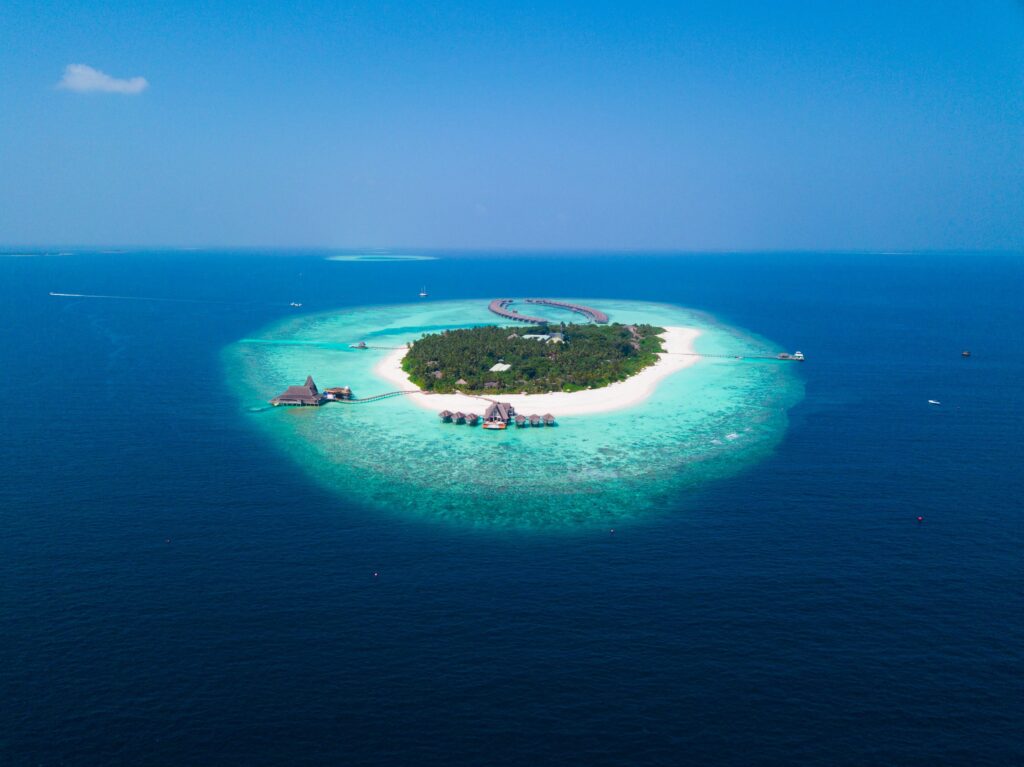
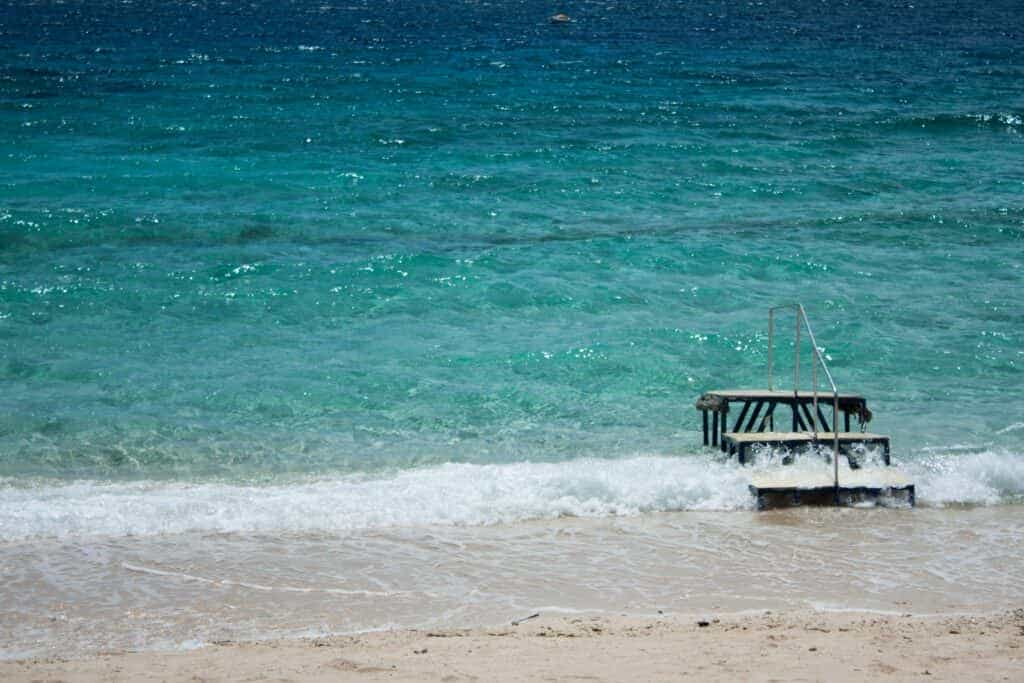
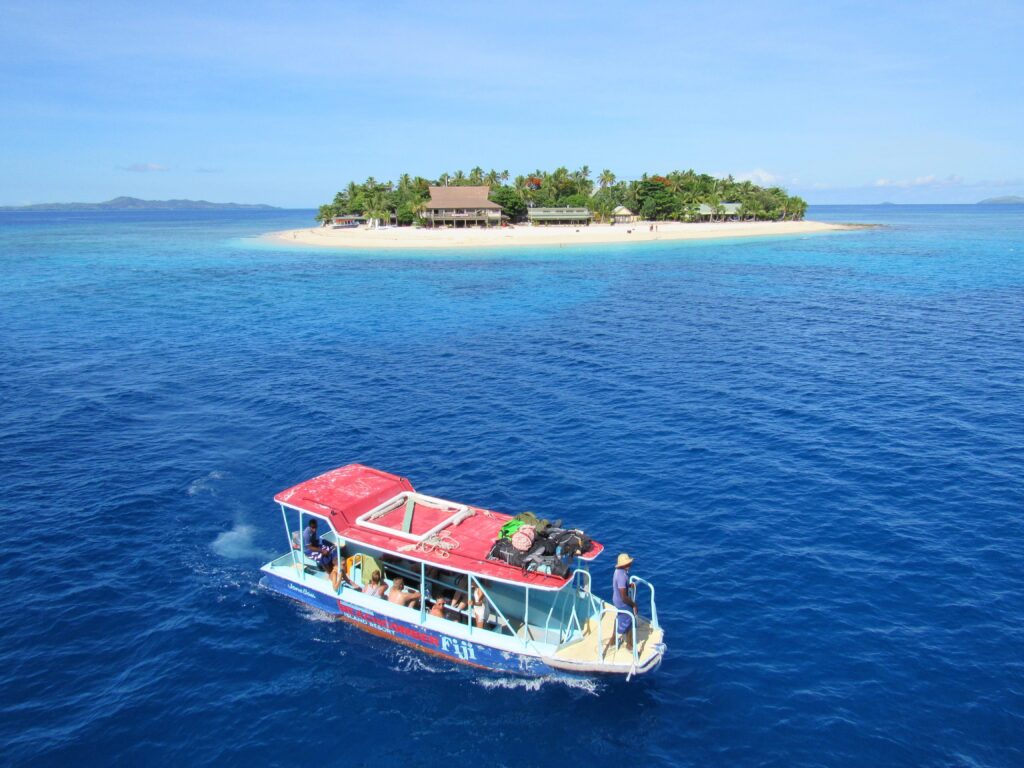
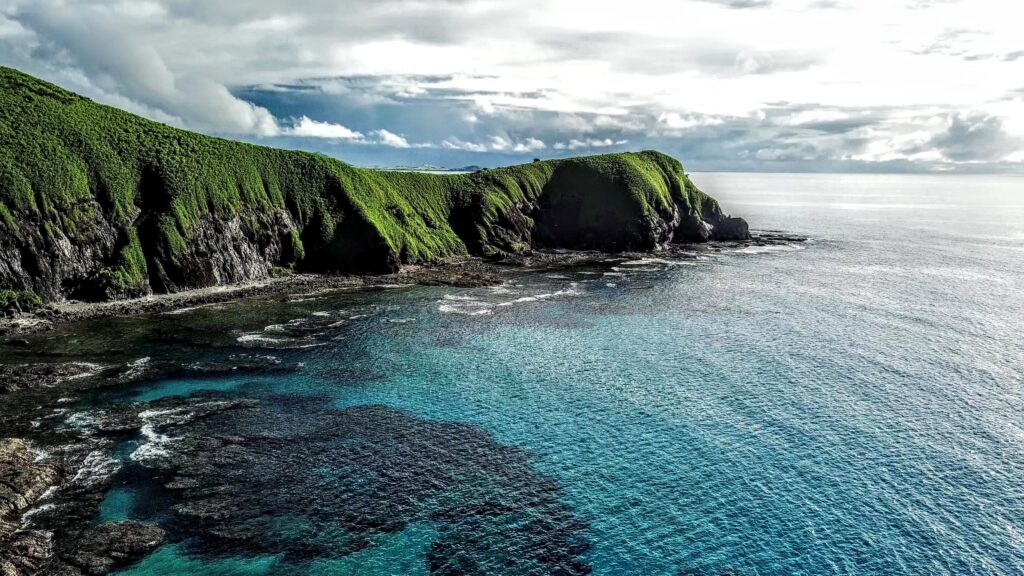
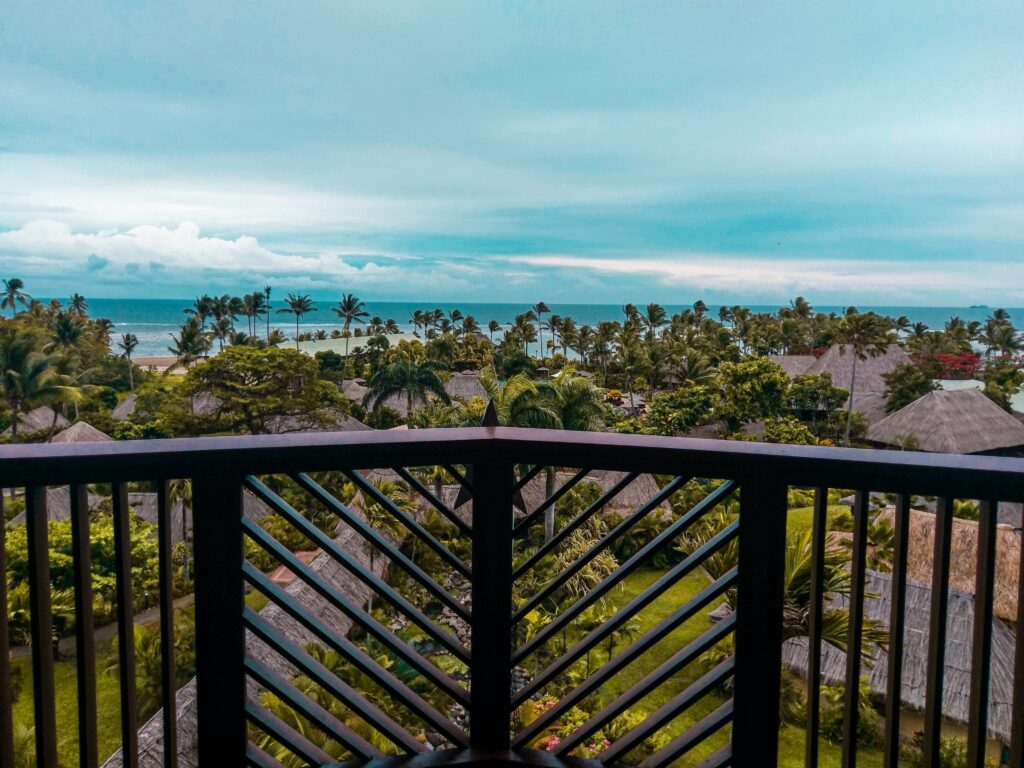
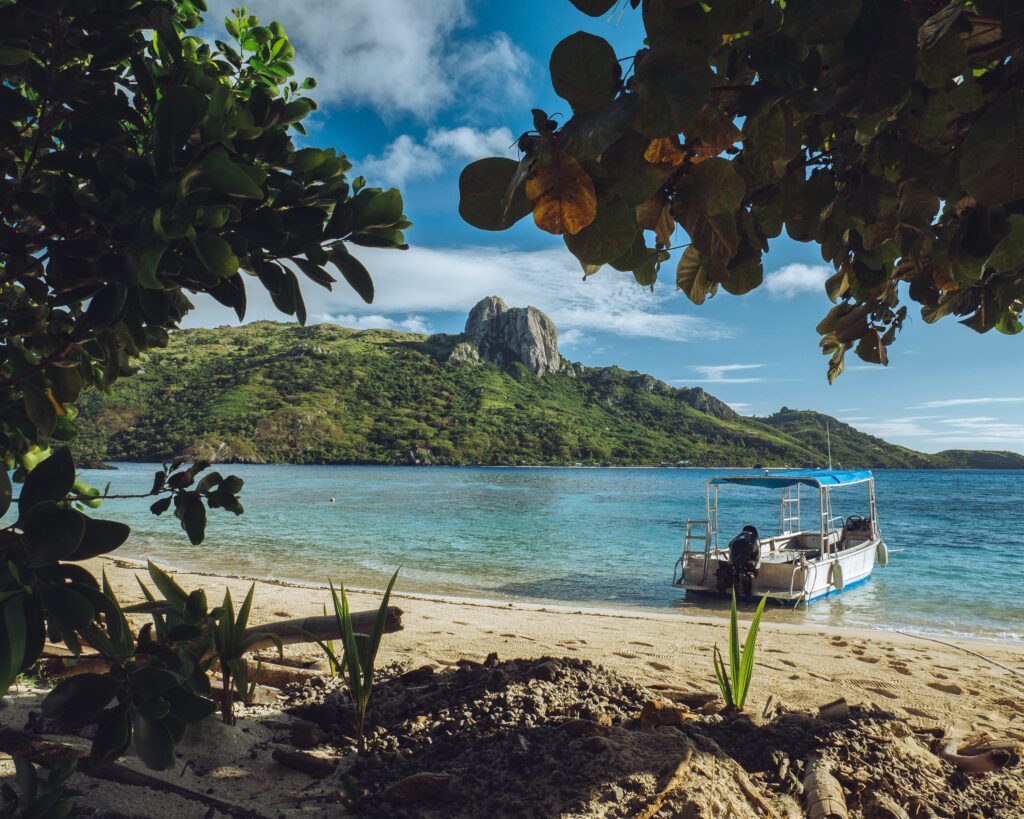
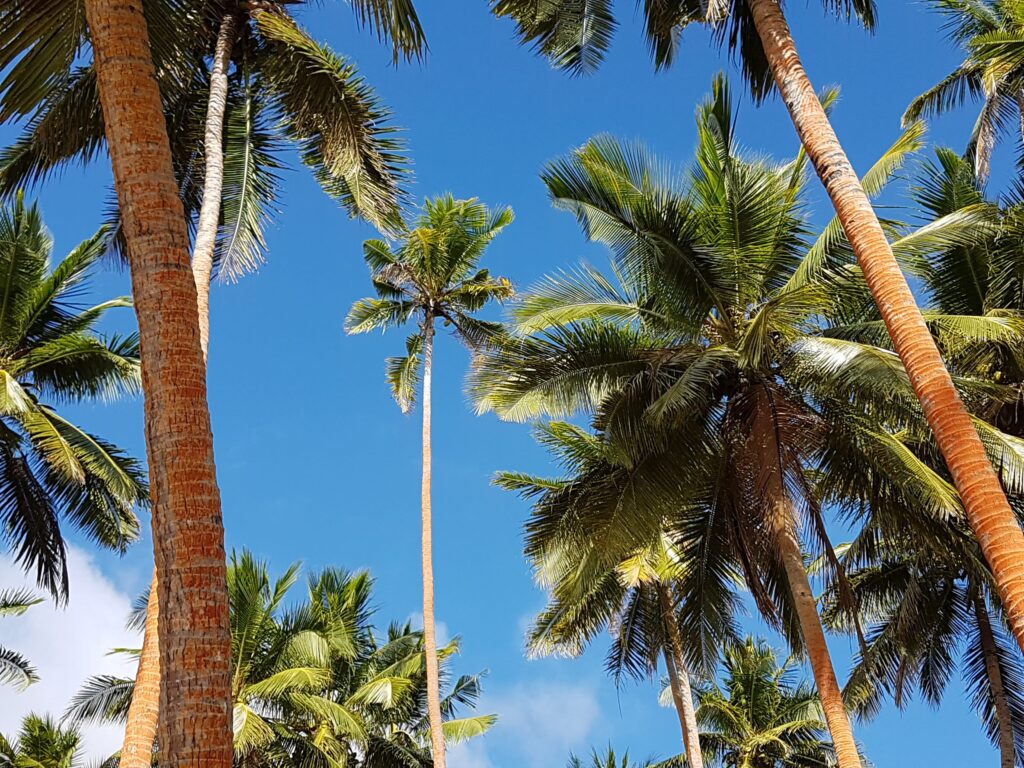
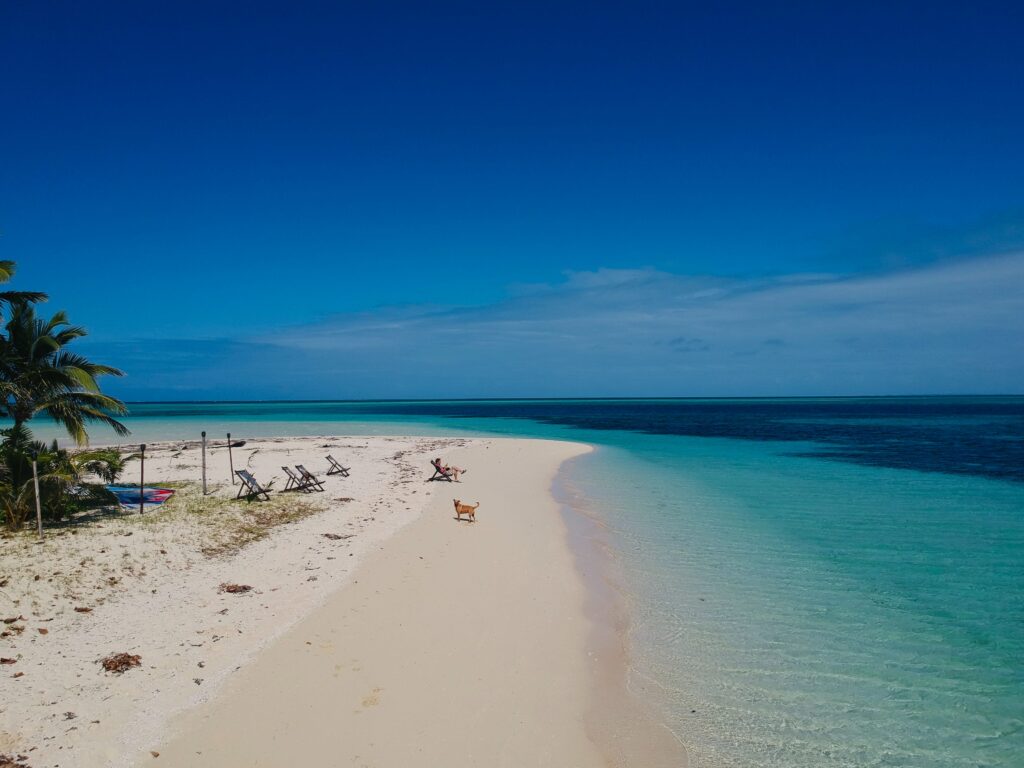
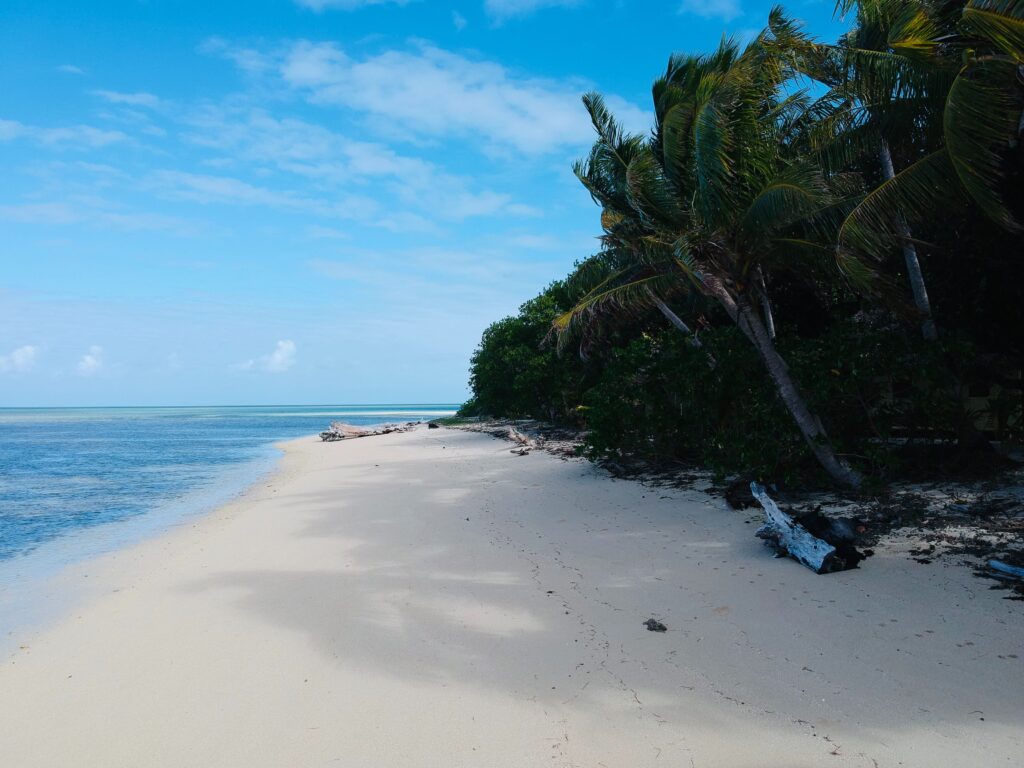
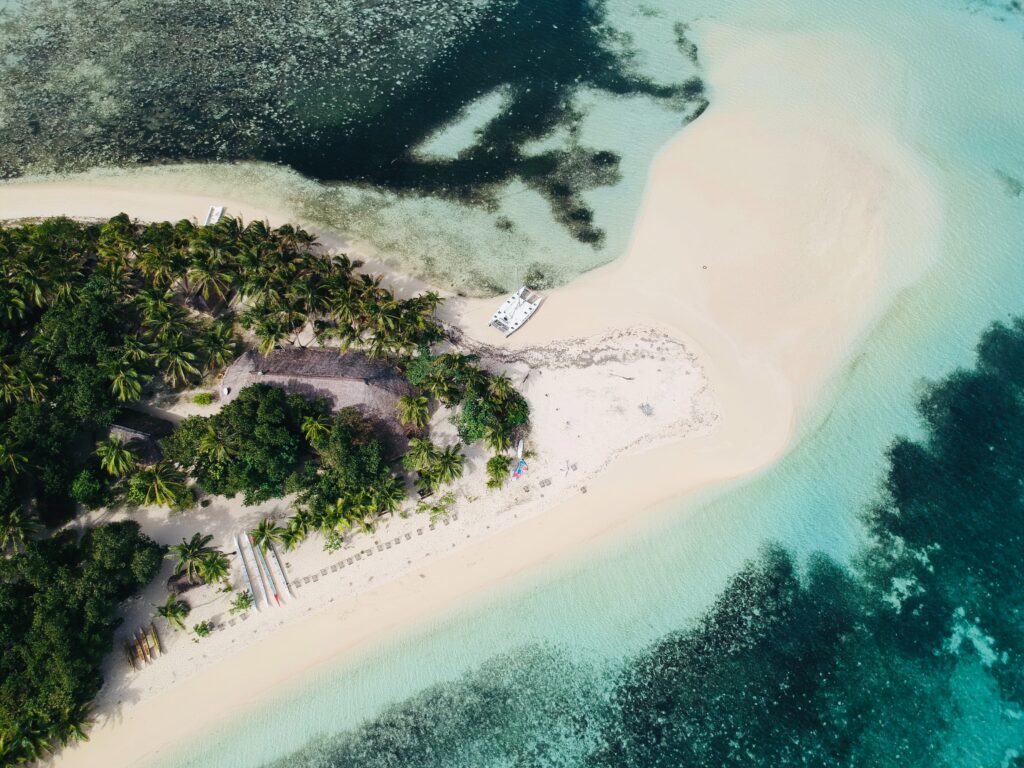
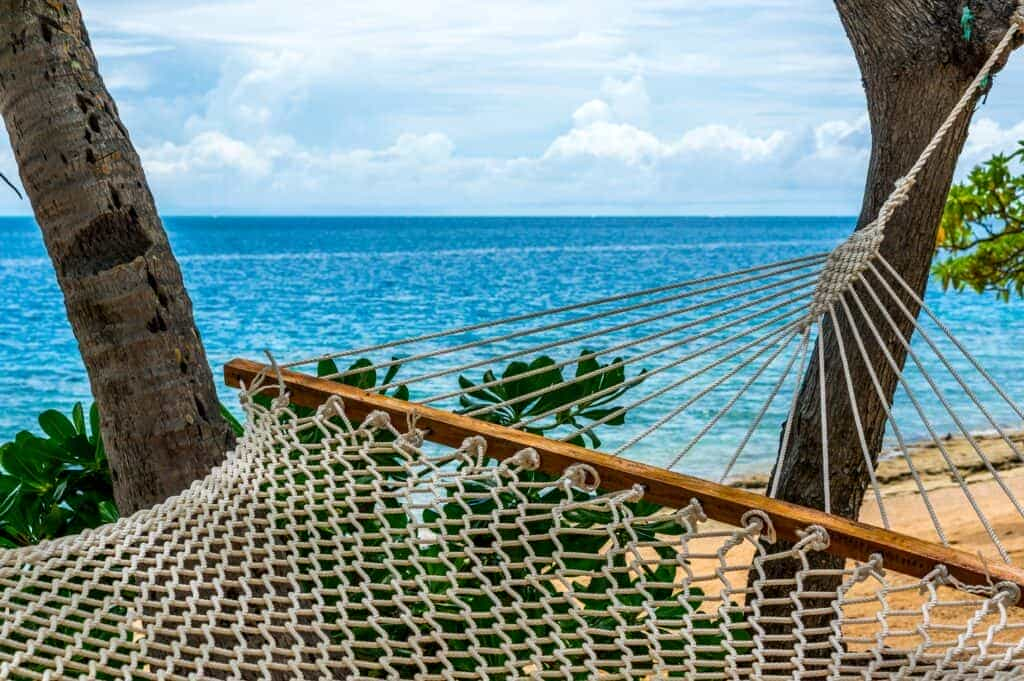
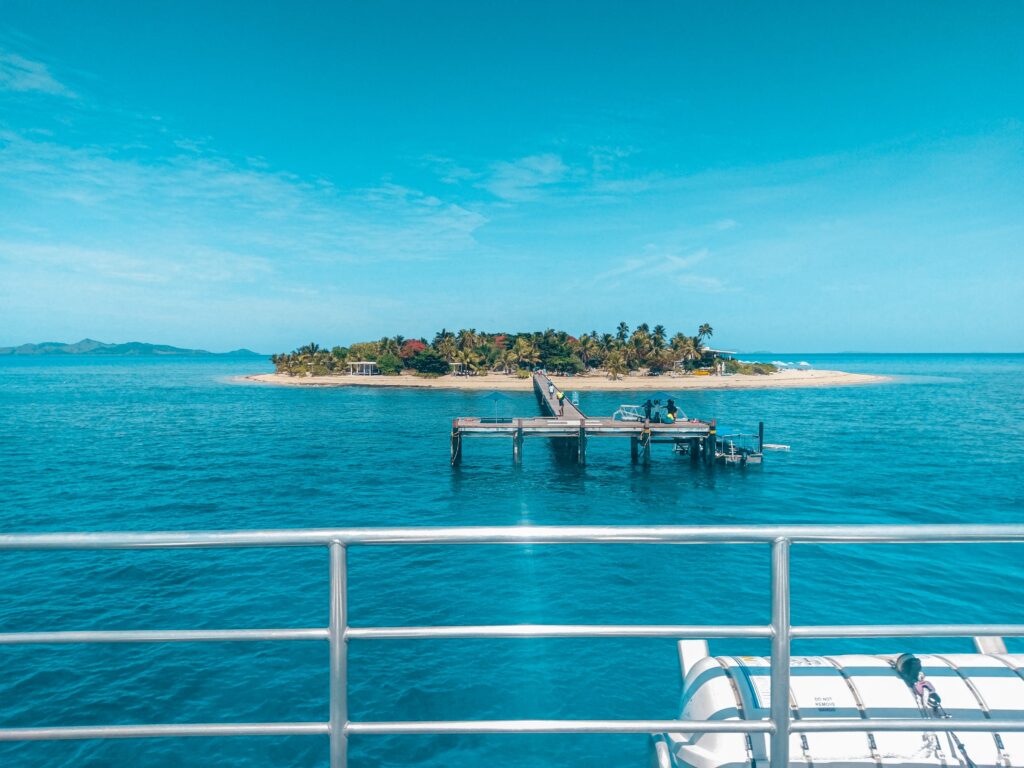
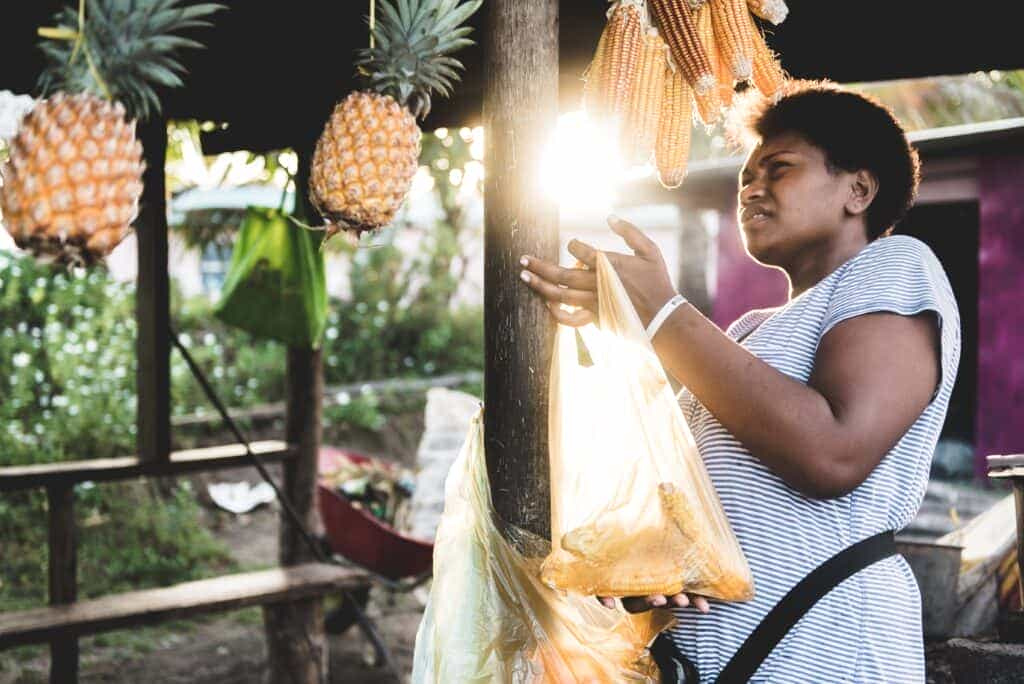
Fiji is an archipelago located in the South Pacific Ocean, approximately 1,300 miles northeast of New Zealand. The islands are known for their beautiful beaches, crystal-clear waters, and vibrant coral reefs, as well as their unique culture and friendly people.
Fiji at a glance
- Language
- Fijian and English are the official languages, but Hindi is also widely spoken
- Currency
- Fijian Dollar
- Religion
- Christianity is the predominant religion in Fiji, with the majority of the population being members of the Methodist Church of Fiji and Rotuma
- National dish
- Kokoda (a traditional Fijian dish made with raw fish marinated in coconut milk and lime juice)
- Climate
- Fiji has a tropical climate, with warm temperatures year-round and a rainy season from November to April
- Main industries
- Tourism, sugar, and clothing manufacturing
- GDP
- $5.3 billion (nominal, 2020 estimate)
- Development
- Fiji is considered a developing country, with a human development index (HDI) ranking of 95 out of 189 countries (2020)
Things to do in Fiji
Some of the main tourist attractions in Fiji include:
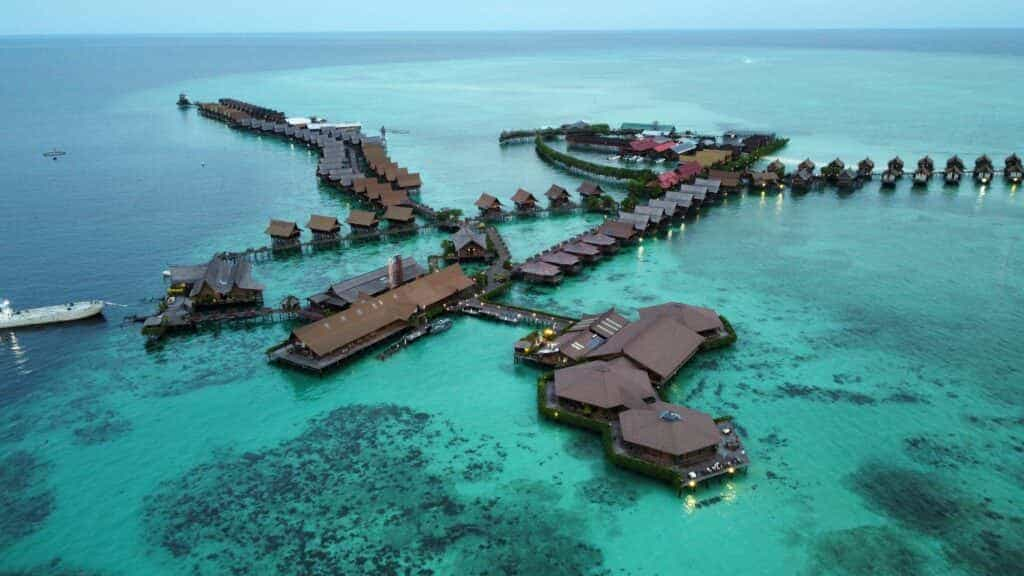
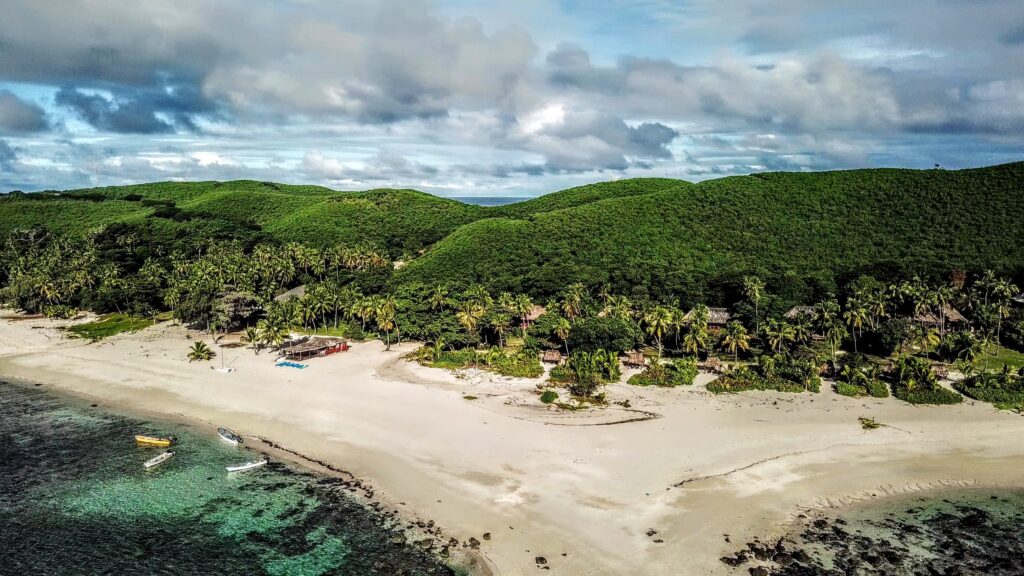
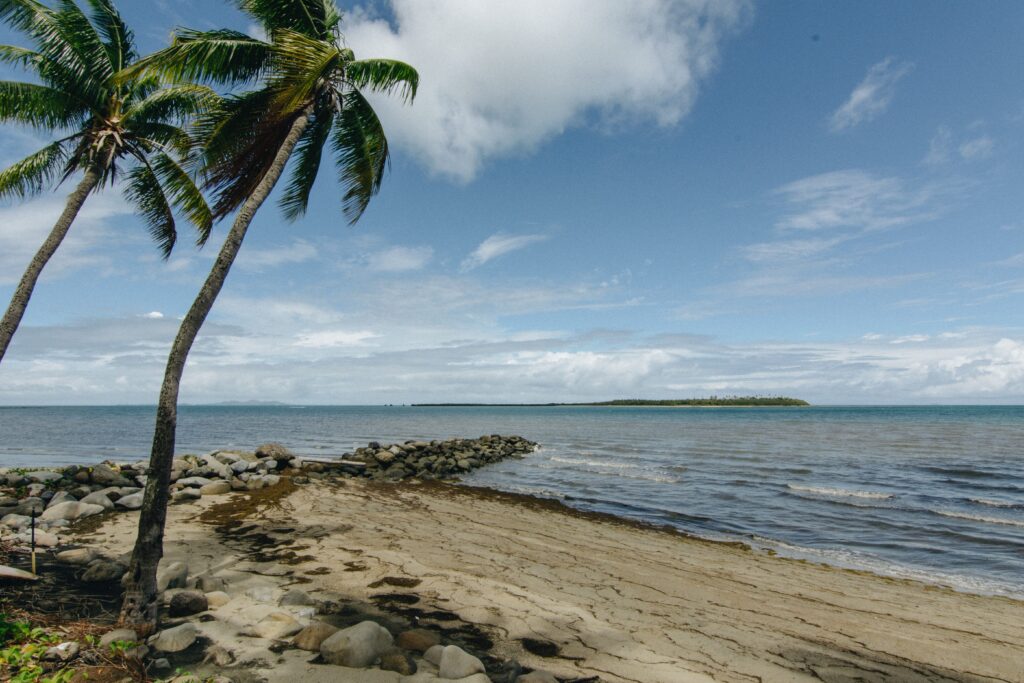
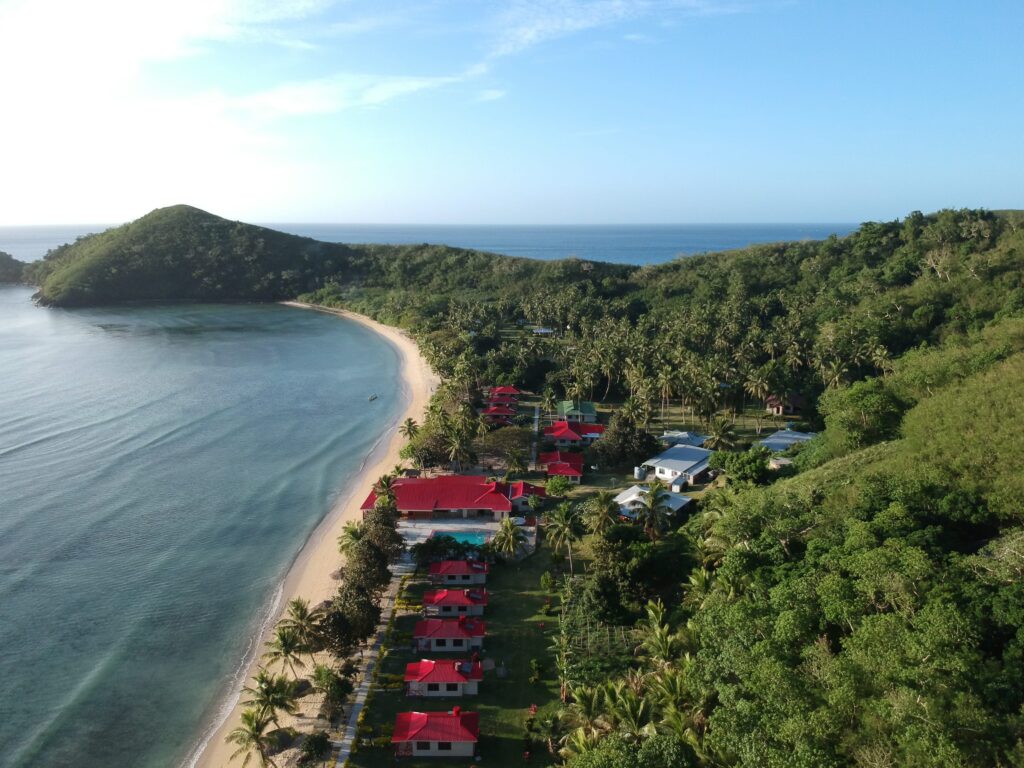
- Beaches Fiji is known for its beautiful beaches, with popular destinations including Natadola Beach, Yasawa Island Beaches, and Taveuni Island.
- Coral reefs Fiji is home to some of the world's most vibrant and diverse coral reefs, making it a popular destination for scuba diving and snorkeling.
- Sigatoka Sand Dunes National Park a protected area located on the island of Viti Levu that features stunning sand dunes, unique flora and fauna, and interesting archaeological sites.
- Fiji Museum located in Suva, the Fiji Museum contains exhibits on Fijian history and culture, including artifacts and traditional handicrafts.
- Sabeto Hot Springs and Mud Pool located near Nadi, these natural hot springs and mud pools are a popular destination for relaxation and rejuvenation.
- Navala Village a traditional Fijian village located in the highlands of Viti Levu that offers visitors a glimpse into traditional Fijian culture and lifestyle.
These are just a few examples of the many attractions that Fiji has to offer. The country's natural beauty, unique culture, and friendly people make it a must-see destination for travelers who are looking for a tropical paradise.
Fiji in pictures
Fiji on video
The player loads when you press play — nothing is requested from the video host before that.
Fiji compared with its neighbours
How it sits against the other countries of Melanesia.
| Country | Population | Area | Capital |
|---|---|---|---|
 Papua New Guinea | 10.6 million | 462,840 km² | Port Moresby |
| Fiji | 930,000 | 18,274 km² | Suva |
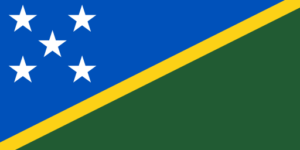 Solomon Islands | 820,000 | 28,896 km² | Honiara |
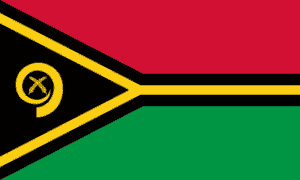 Vanuatu | 335,000 | 12,189 km² | Port Vila |
Ranked 158th of 195 countries by population and 151st by area.
Questions about Fiji
What is the capital of Fiji?
The capital of Fiji is Suva.
How many people live in Fiji?
About 930,000 people. Ranked 158th of 195 countries by population and 151st by area.
How big is Fiji?
Fiji covers 18,274 km², in Melanesia.
What is Fiji known for?
Fiji is best known for Beaches, Coral reefs and Sigatoka Sand Dunes National Park.
What language is spoken in Fiji?
Fijian and English are the official languages, but Hindi is also widely spoken.
What currency is used in Fiji?
Fijian Dollar.
Is Fiji a country?
Yes. Fiji is a sovereign state and is counted among the 195 countries this generator draws from.