
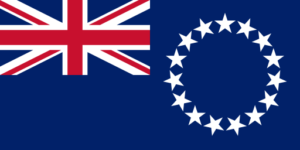
Cook Islands
Polynesia · territory
Cook Islands is a territory in Polynesia, home to 15,000 people, with an area of 236 km². Its capital is Avarua.
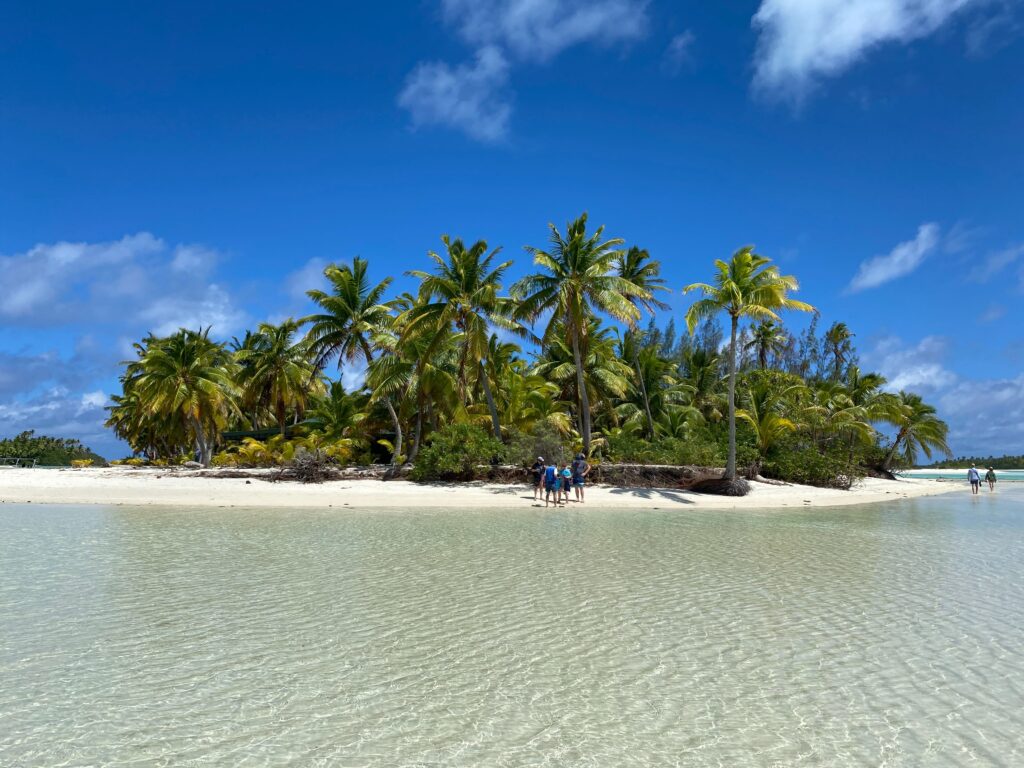
- Capital
- Avarua
- Population
- 15,000
- Area
- 236 km²
- Region
- Polynesia
- Density
- 63.6 / km²
- Status
- Dependency or territory
Population: UN World Population Prospects, 2024 revision. Area: CIA World Factbook.
What Cook Islands is known for
Cook Islands is best known for Aitutaki Lagoon, Rarotonga and Te Vara Nui Village.
The Cook Islands is a self-governing territory in the South Pacific Ocean. It is composed of 15 islands, spread out over a vast area of ocean. The Cook Islands are located northeast of New Zealand and are in free association with New Zealand, meaning that New Zealand is responsible for the Cook Islands’ defense and foreign affairs.
Cook Islands at a glance
- Language
- English and Cook Islands Maori are the official languages
- Currency
- New Zealand dollar
- Religion
- Christianity is the predominant religion, with the Cook Islands Christian Church being the largest denomination
- National dish
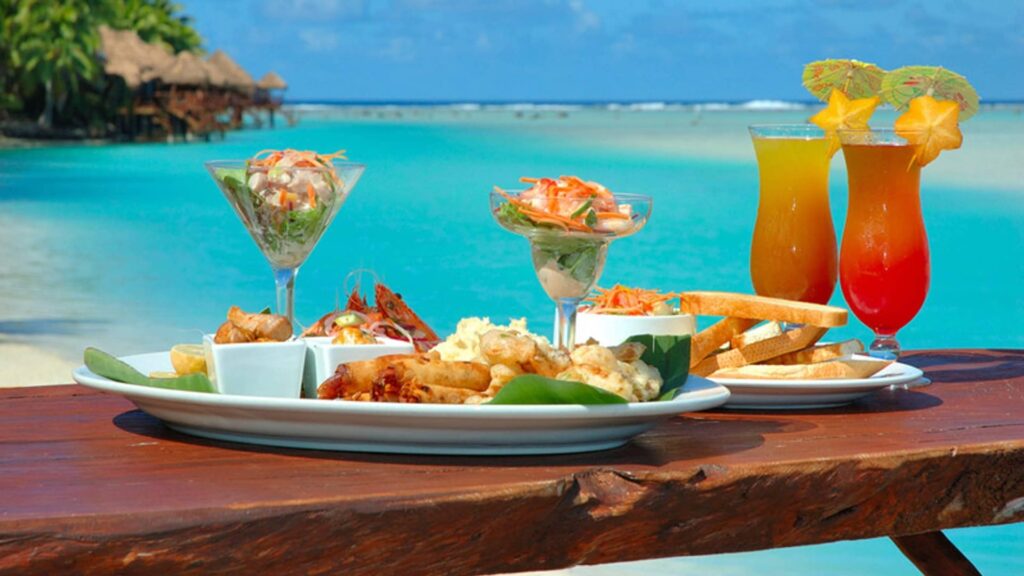
- Ika Mata (a dish made with raw fish marinated in lime and coconut milk)
- Climate
- The Cook Islands have a tropical climate, with warm temperatures year-round and a rainy season from November to March
- Main industries
- Tourism and offshore banking are the main industries, with agriculture (copra and citrus) and fishing also playing a role
- GDP
- $247.8 million (2019 estimate)
- Development
- The Cook Islands is considered a developed country, with a human development index (HDI) ranking of 91 out of 189 countries (2020)
Things to do in Cook Islands
Some of the main tourist attractions in the Cook Islands include:
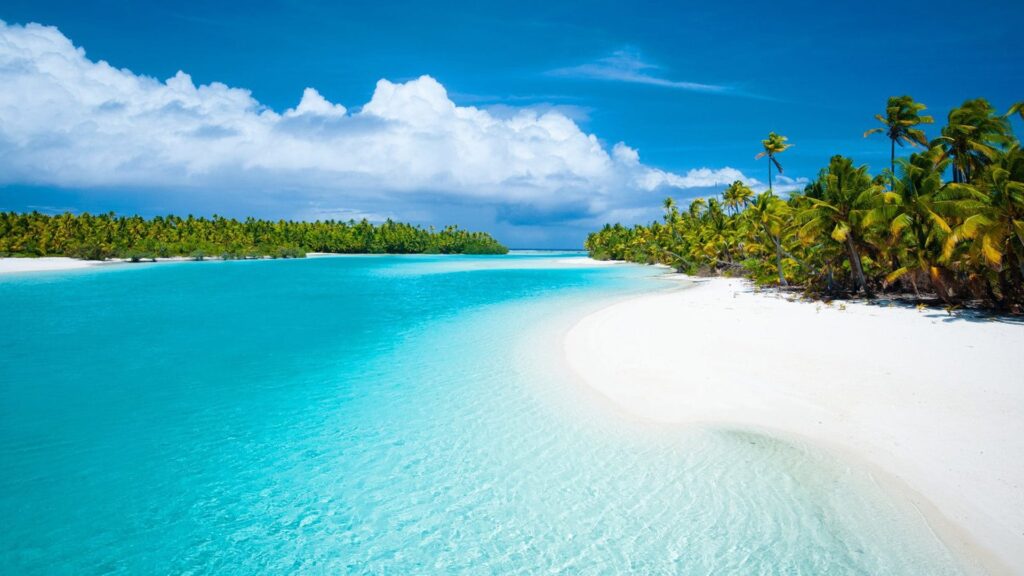
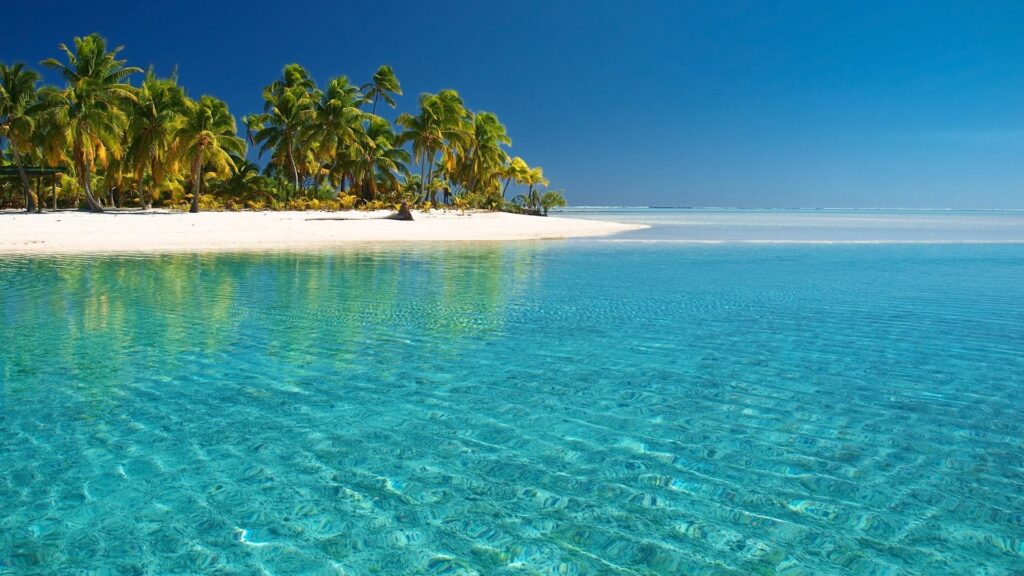
- Aitutaki Lagoon a stunning turquoise lagoon on the island of Aitutaki, popular for snorkeling and diving.
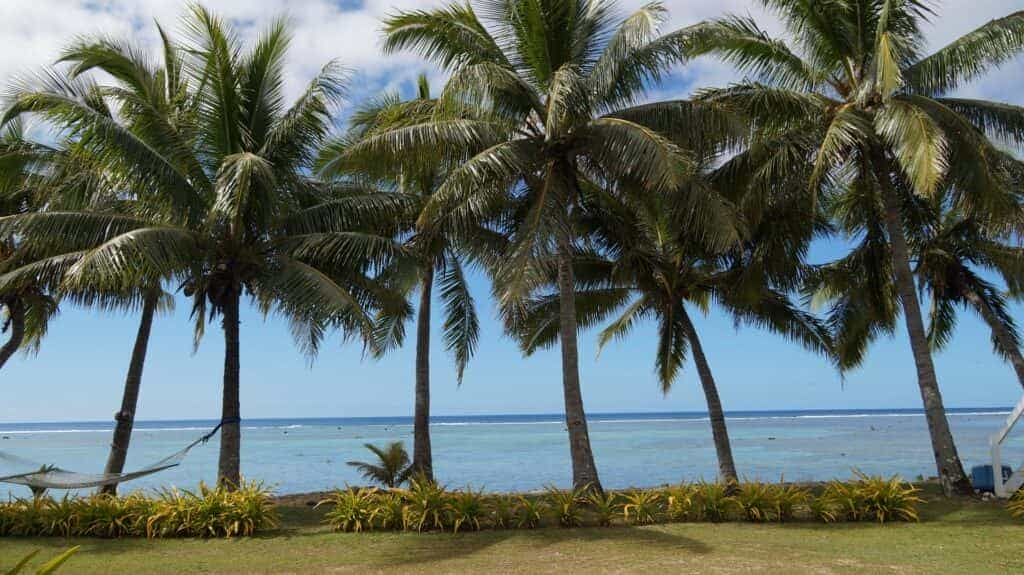
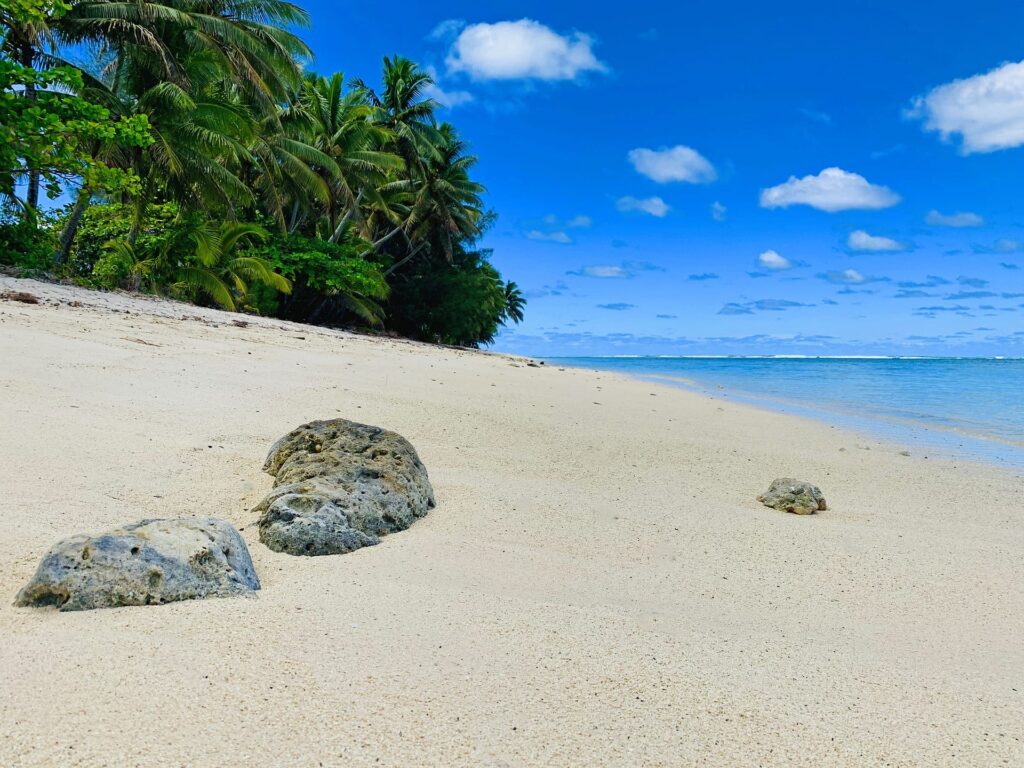
- Rarotonga the largest island in the Cook Islands, known for its beautiful beaches and lush rainforest.
- Te Vara Nui Village a cultural center that offers traditional dance shows and a tour of a reconstructed village.
- Maire Nui Botanical Gardens a botanical garden on the island of Rarotonga that showcases the flora and fauna of the Cook Islands.
- Punanga Nui Market a bustling market in Avarua that sells local produce, handicrafts, and souvenirs.
- Whale watching the Cook Islands are a popular destination for humpback whale watching, with peak season from July to October.
These are just a few examples of the many attractions that the Cook Islands has to offer. The islands are known for their stunning natural beauty, friendly locals, and laid-back island lifestyle.
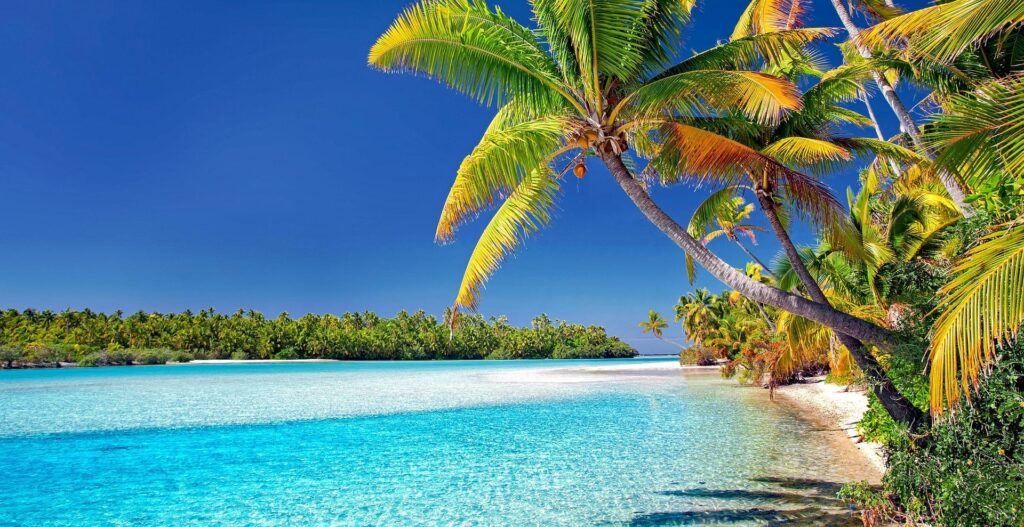
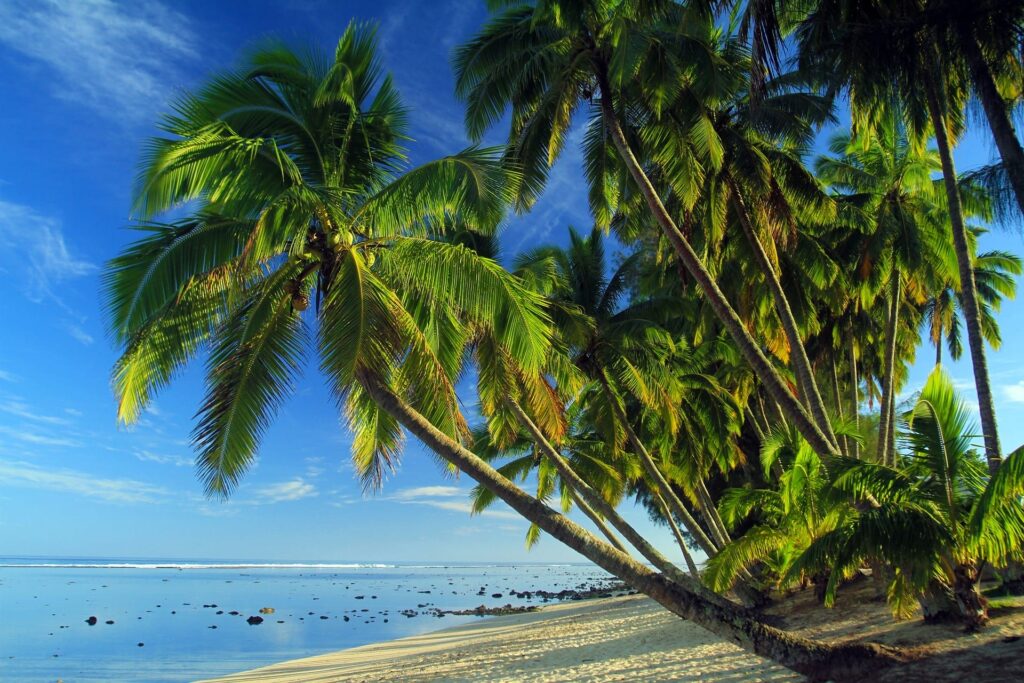
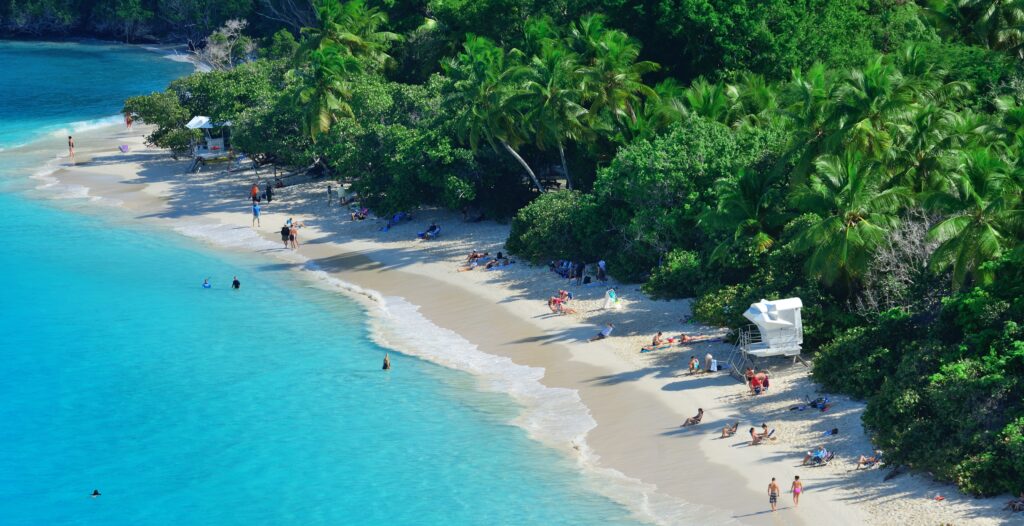
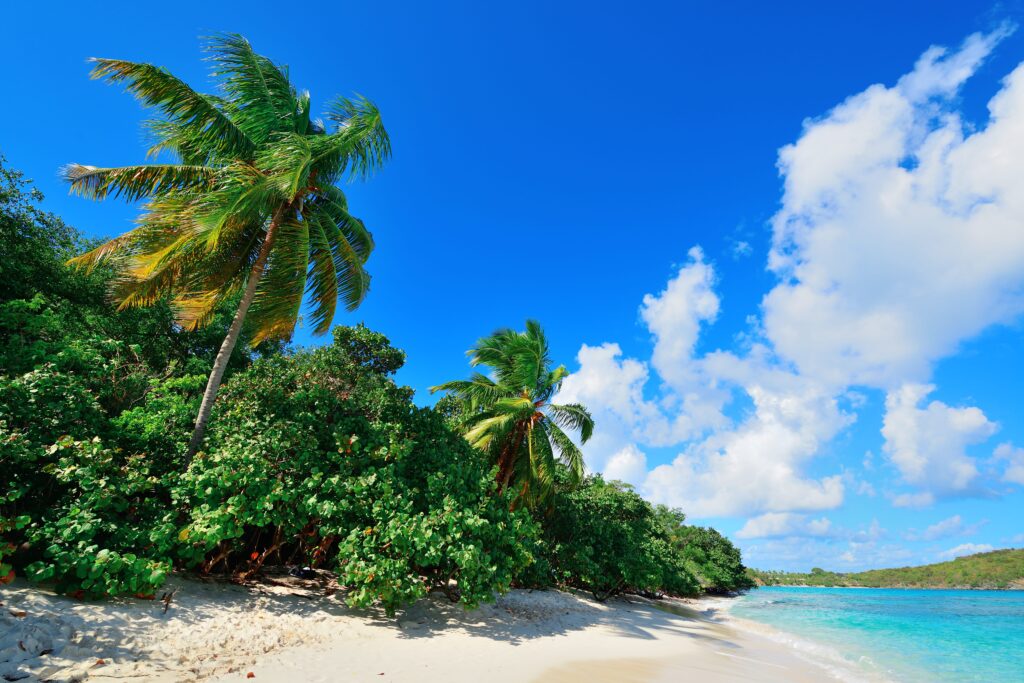
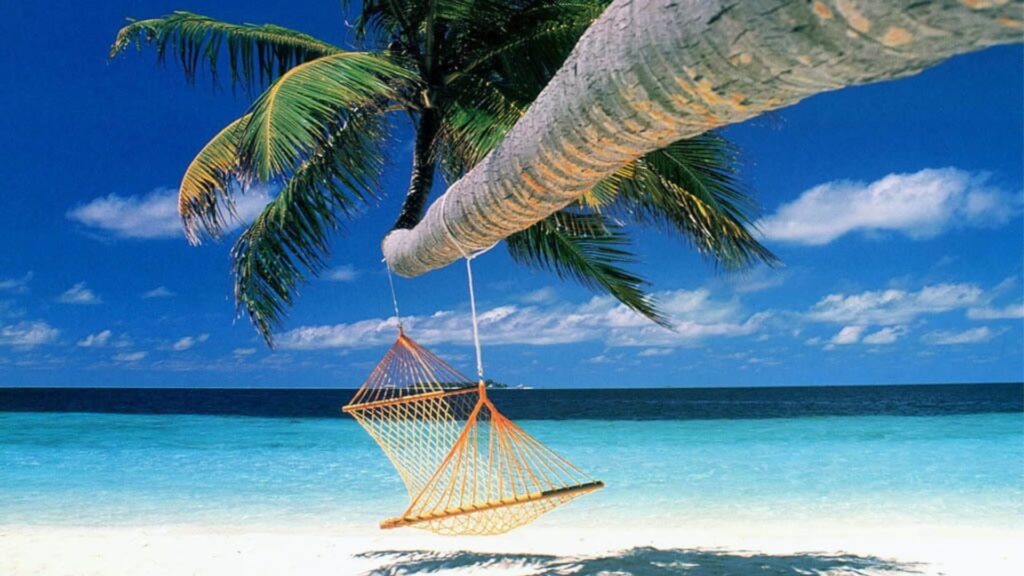
Cook Islands in pictures
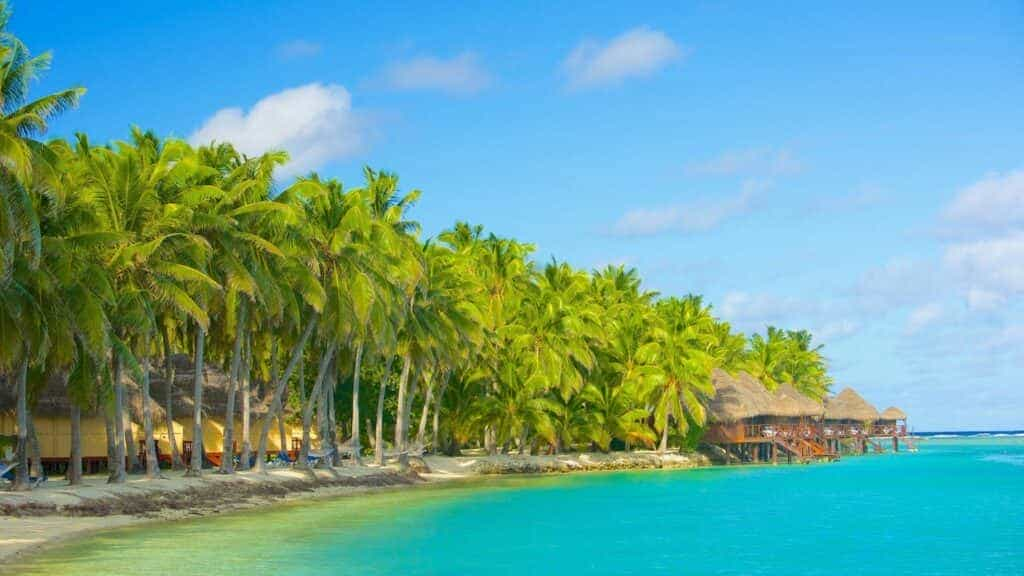
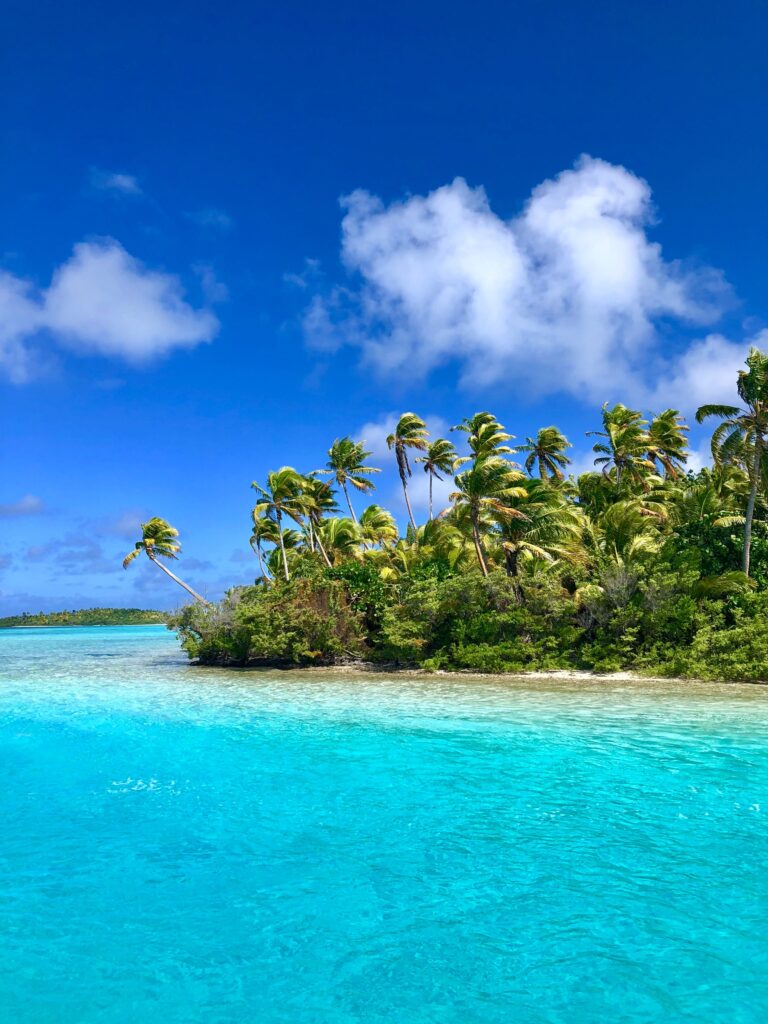
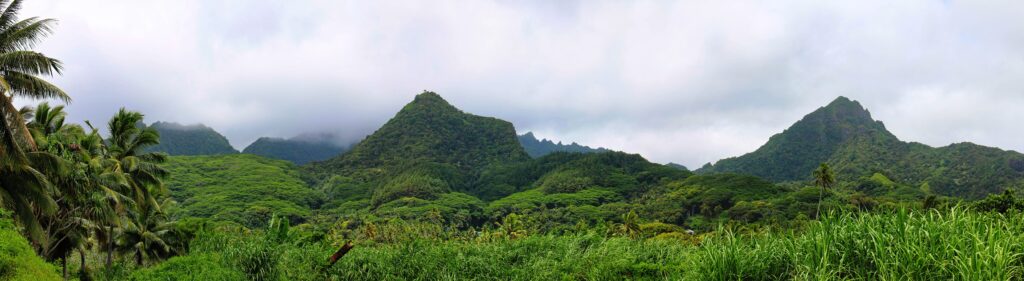
Cook Islands on video
The player loads when you press play — nothing is requested from the video host before that.
Cook Islands compared with its neighbours
How it sits against the other countries of Polynesia.
| Country | Population | Area | Capital |
|---|---|---|---|
 Samoa | 220,000 | 2,842 km² | Apia |
 Tonga | 105,000 | 747 km² | Nuku'alofa |
| Cook Islands | 15,000 | 236 km² | Avarua |
 Tuvalu | 9,800 | 26 km² | Funafuti |
Questions about Cook Islands
What is the capital of Cook Islands?
The capital of Cook Islands is Avarua.
How many people live in Cook Islands?
About 15,000 people.
How big is Cook Islands?
Cook Islands covers 236 km², in Polynesia.
What is Cook Islands known for?
Cook Islands is best known for Aitutaki Lagoon, Rarotonga and Te Vara Nui Village.
What language is spoken in Cook Islands?
English and Cook Islands Maori are the official languages.
What currency is used in Cook Islands?
New Zealand dollar.
Is Cook Islands a country?
Cook Islands is a dependency or overseas territory rather than a sovereign state, so it appears only when territories are switched on in the generator.