
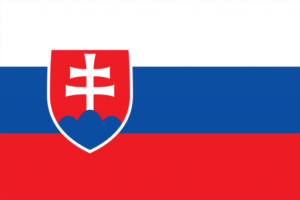
Slovakia
Eastern Europe
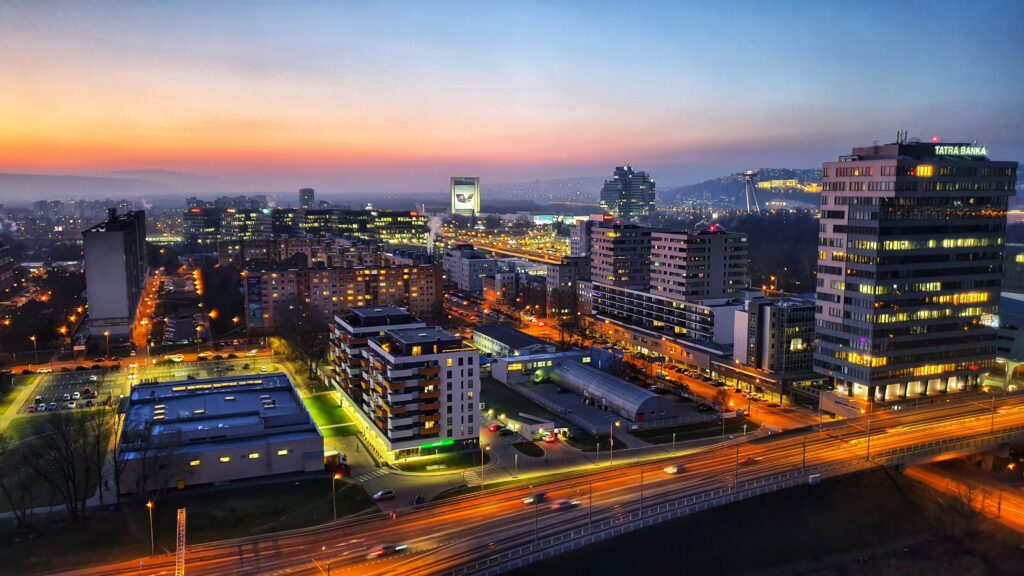
Slovakia is a country in Eastern Europe, home to 5.4 million people, with an area of 49,035 km². Its capital is Bratislava.
- Capital
- Bratislava
- Population
- 5.4 million
- Area
- 49,035 km²
- Region
- Eastern Europe
- Density
- 111 / km²
- Status
- Sovereign state
Population: UN World Population Prospects, 2024 revision. Area: CIA World Factbook.
What Slovakia is known for
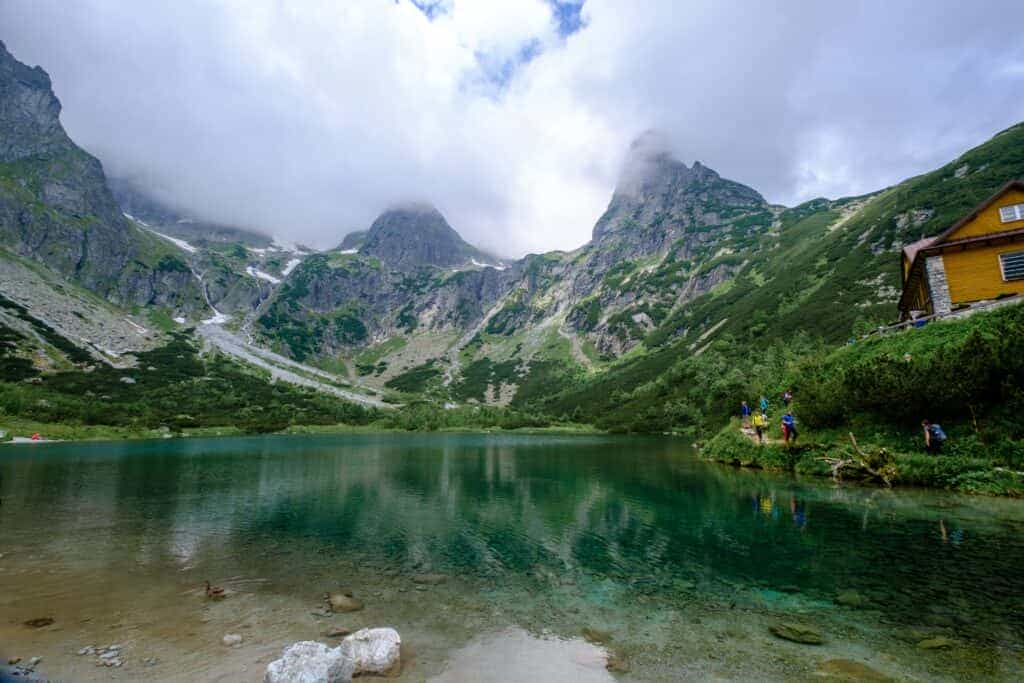
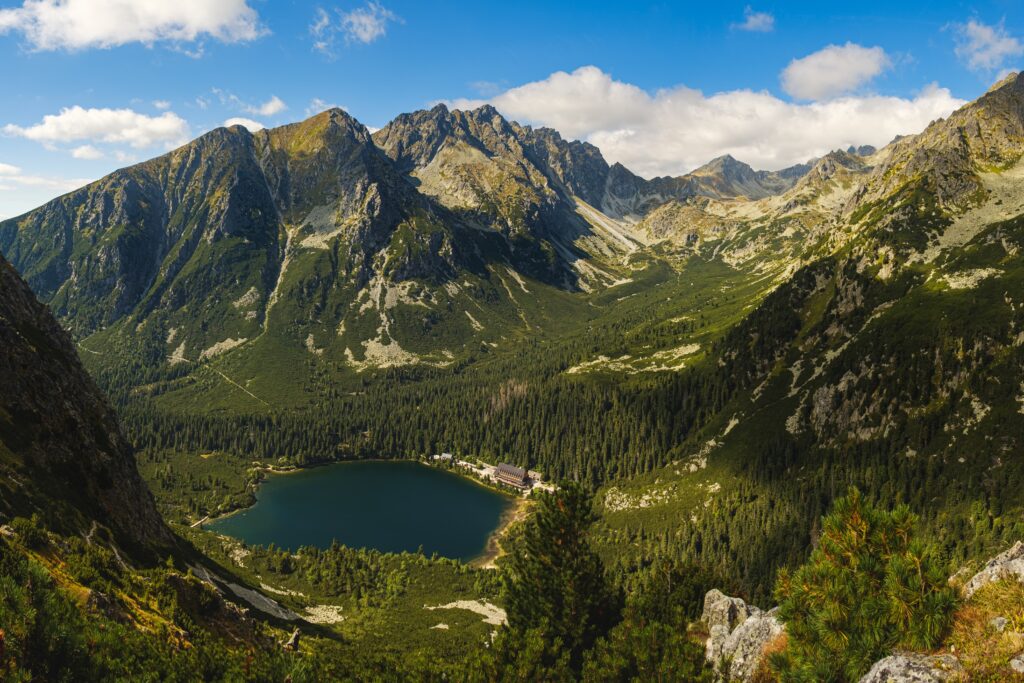
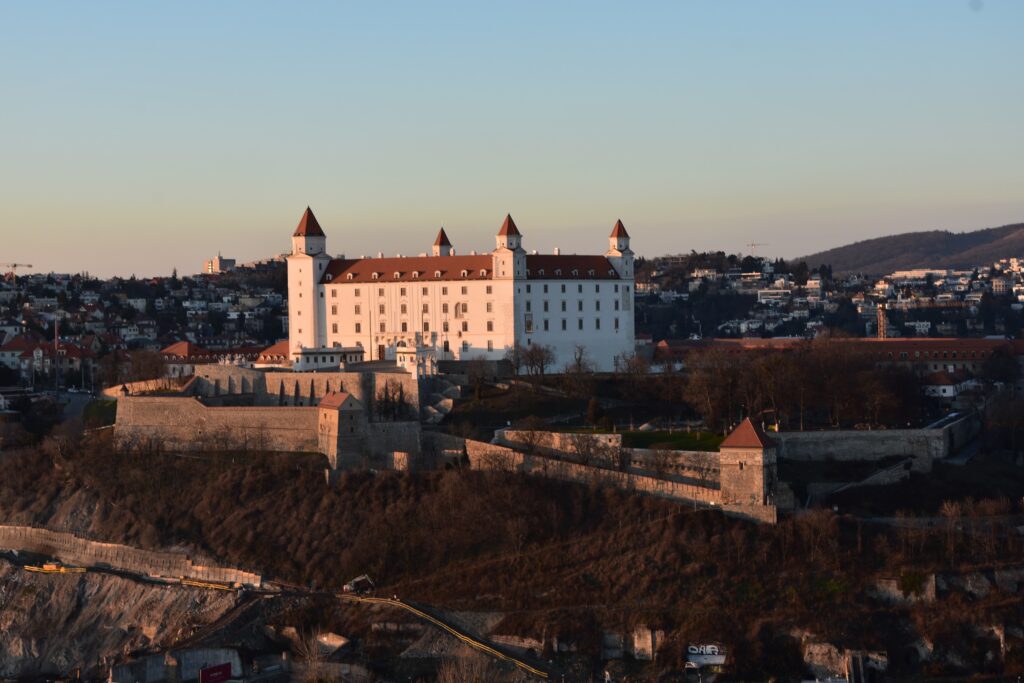
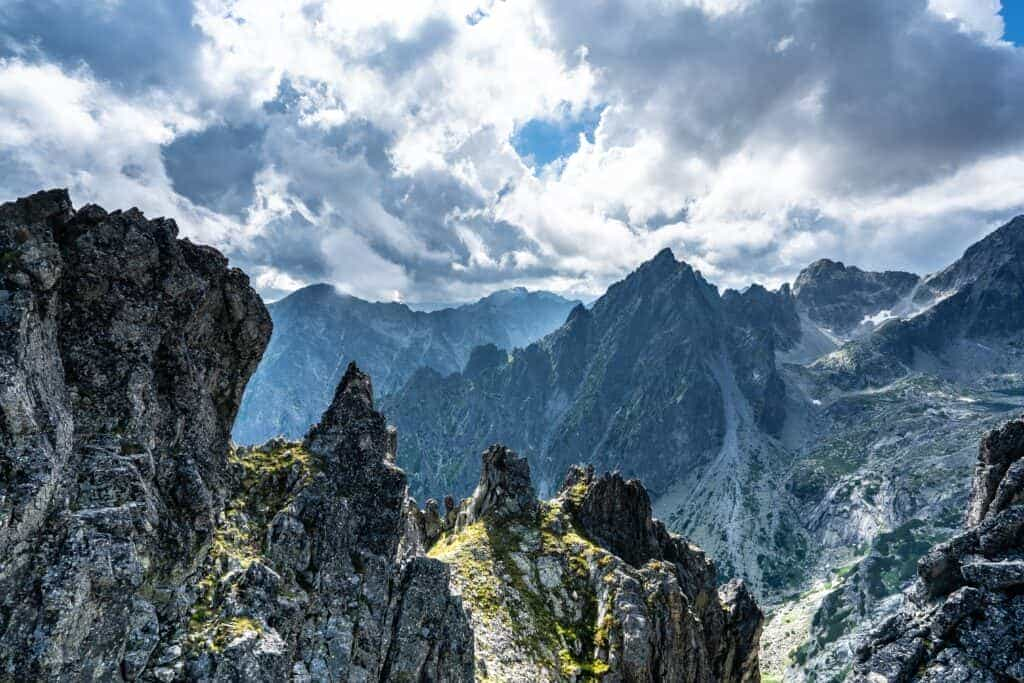
Slovakia is best known for High Tatras, Bratislava Castle and Slovak Paradise National Park.
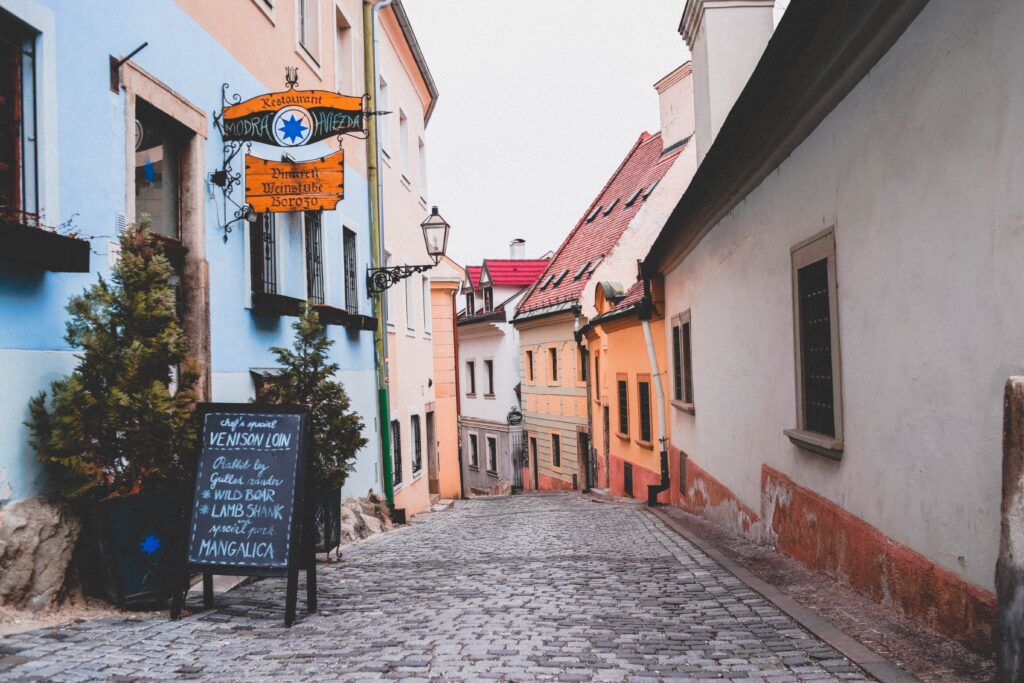
Slovakia is a landlocked country in Central Europe. It borders Poland to the north, Ukraine to the east, Hungary to the south, Austria to the southwest, and the Czech Republic to the northwest. Slovakia has a rich history and cultural heritage, with many castles, historic towns, and folk traditions.
Slovakia at a glance
- Language
- Slovak is the official language, with Hungarian also spoken in some regions
- Currency
- Euro (EUR)
- Religion
- The majority of the population is Roman Catholic, with smaller numbers of Protestants and Orthodox Christians
- National dish
- Bryndzové halušky, a dish made of potato dumplings and sheep cheese
- Climate
- Slovakia has a temperate climate with cold winters and warm summers
- Main industries
- Automotive, electronics, machinery, chemical production, and tourism
- GDP
- $105.3 billion (nominal, 2020 estimate)
- Development
- Slovakia is considered a developed country with a human development index (HDI) ranking of 36 out of 189 countries (2020)
Things to do in Slovakia
Some of the main tourist attractions in Slovakia include:
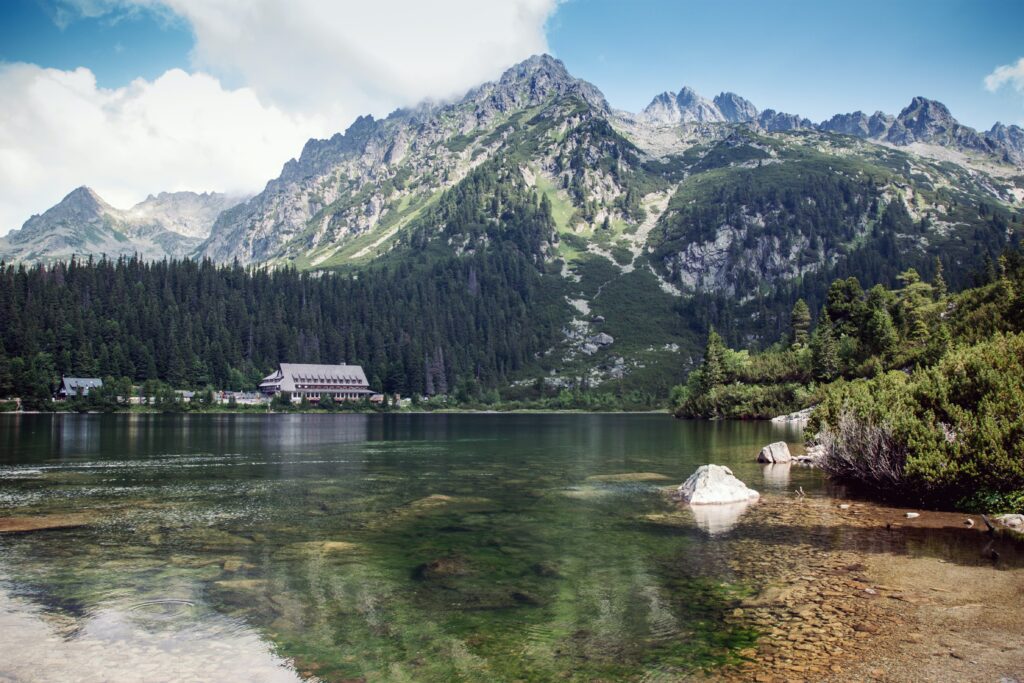
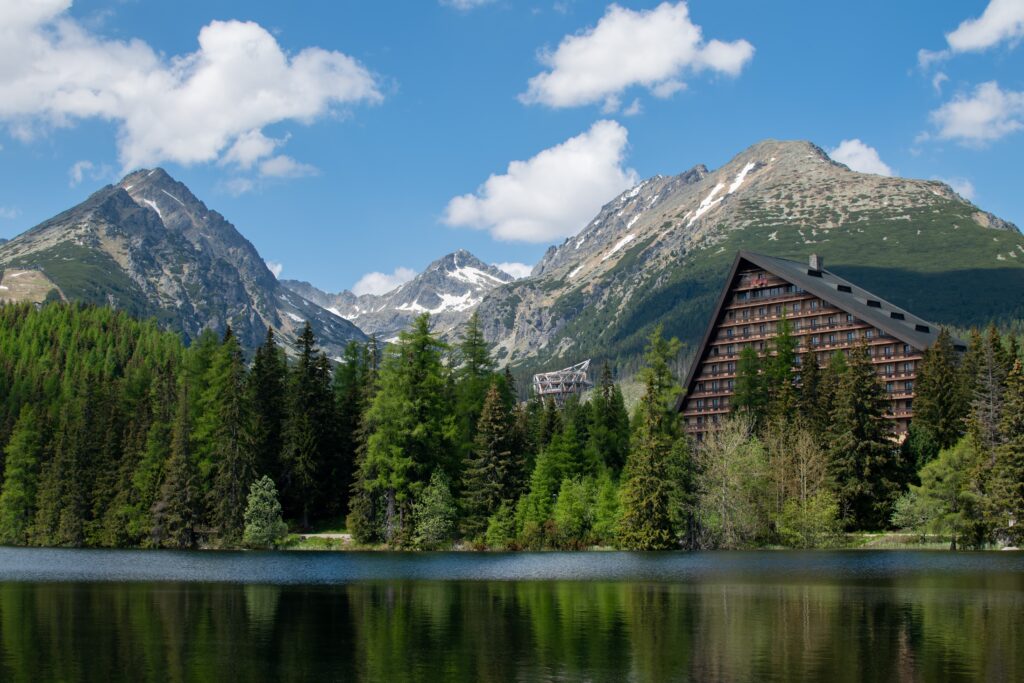
- High Tatras a mountain range in the north of the country, popular for skiing, hiking, and climbing.
- Bratislava Castle a castle located in the capital city of Bratislava, which dates back to the 9th century.
- Slovak Paradise National Park a national park in eastern Slovakia known for its hiking trails and waterfalls.
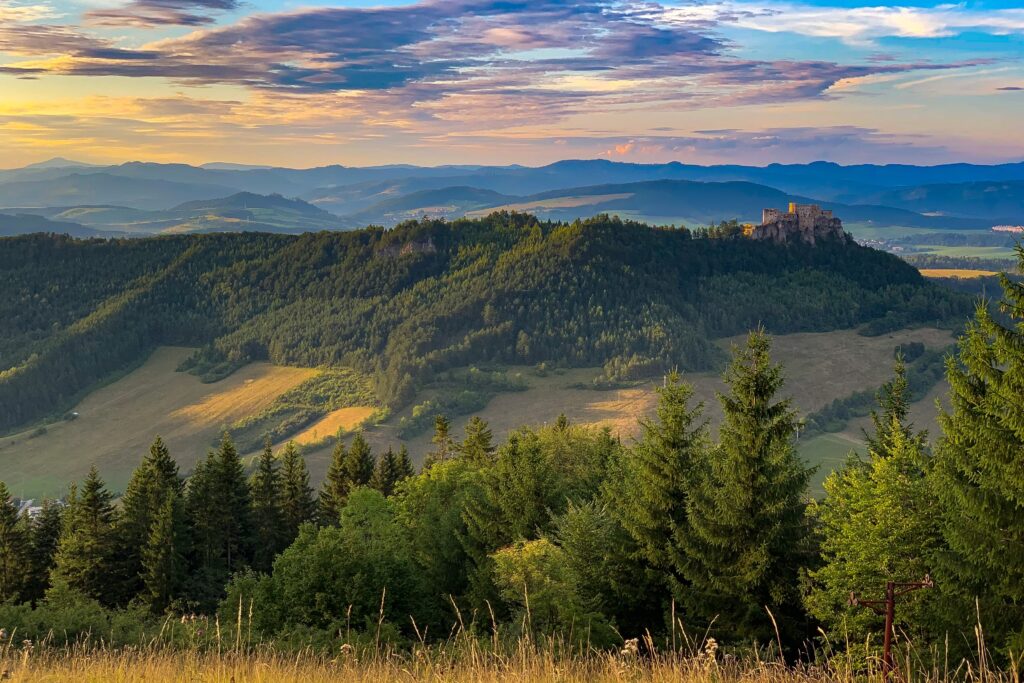
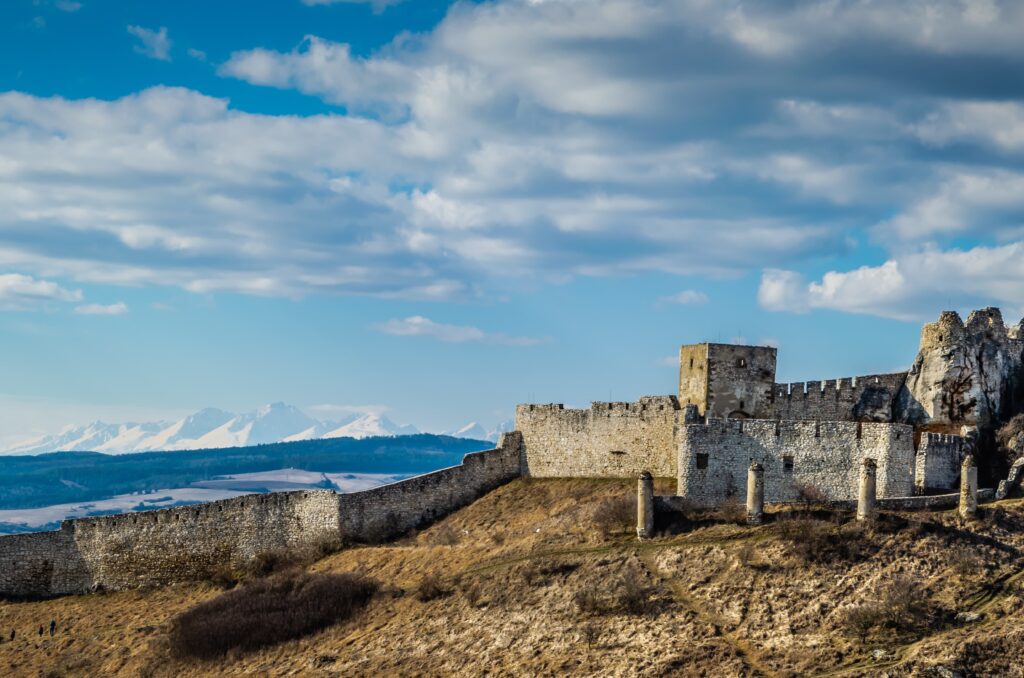
- Spiš Castle a medieval castle located in the eastern part of the country, listed as a UNESCO World Heritage Site.
- Demänová Ice Cave a cave system in central Slovakia known for its stunning ice formations.
- Orava Castle a castle located in the north of the country, with a history dating back to the 13th century.
- Bojnice Castle a castle located in central Slovakia, with a fairytale-like appearance and a history dating back to the 12th century.
- Devin Castle a castle located on the border with Austria, dating back to the 8th century.
- Liptovská Mara a large reservoir in the north of the country, popular for water sports and fishing.
- Dobšinská Ice Cave a cave system in eastern Slovakia known for its ice formations.
These are just a few examples of the many attractions that Slovakia has to offer. The country is also known for its rich folklore, traditional crafts, and delicious cuisine.
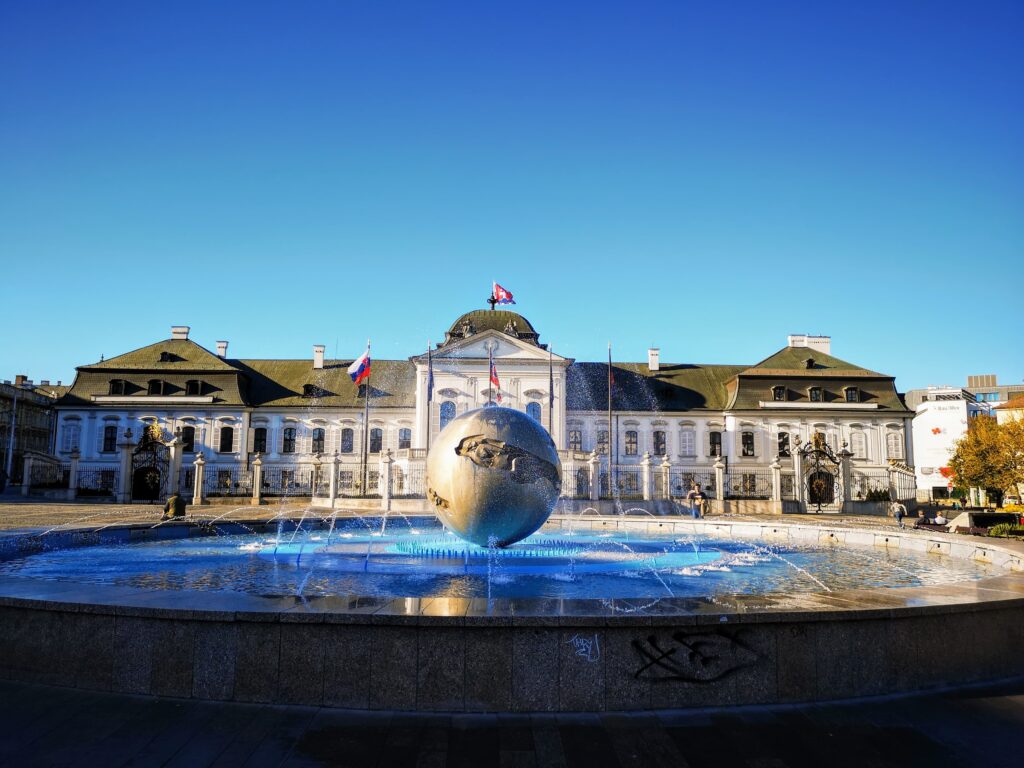
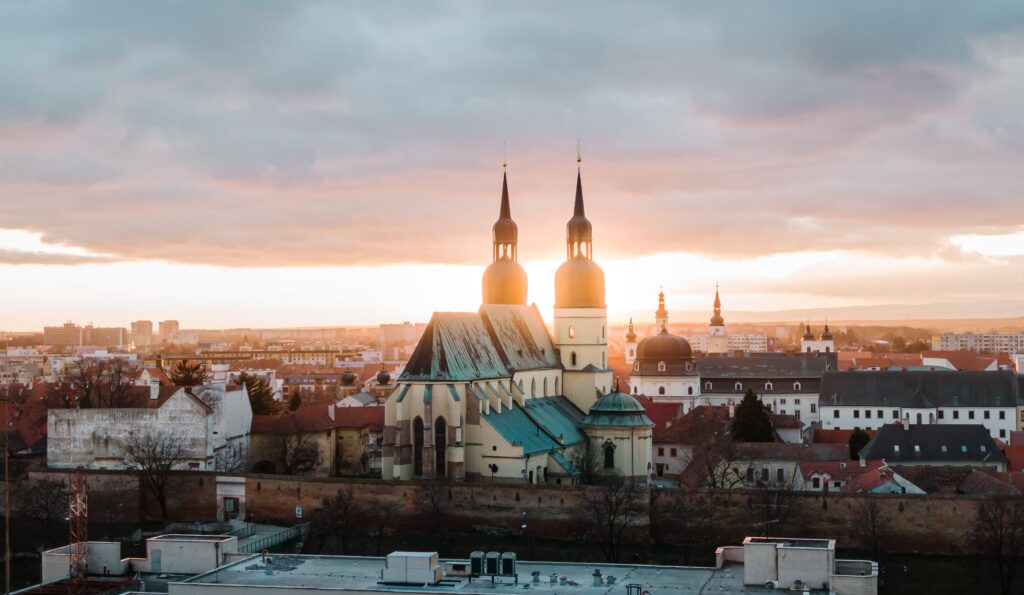
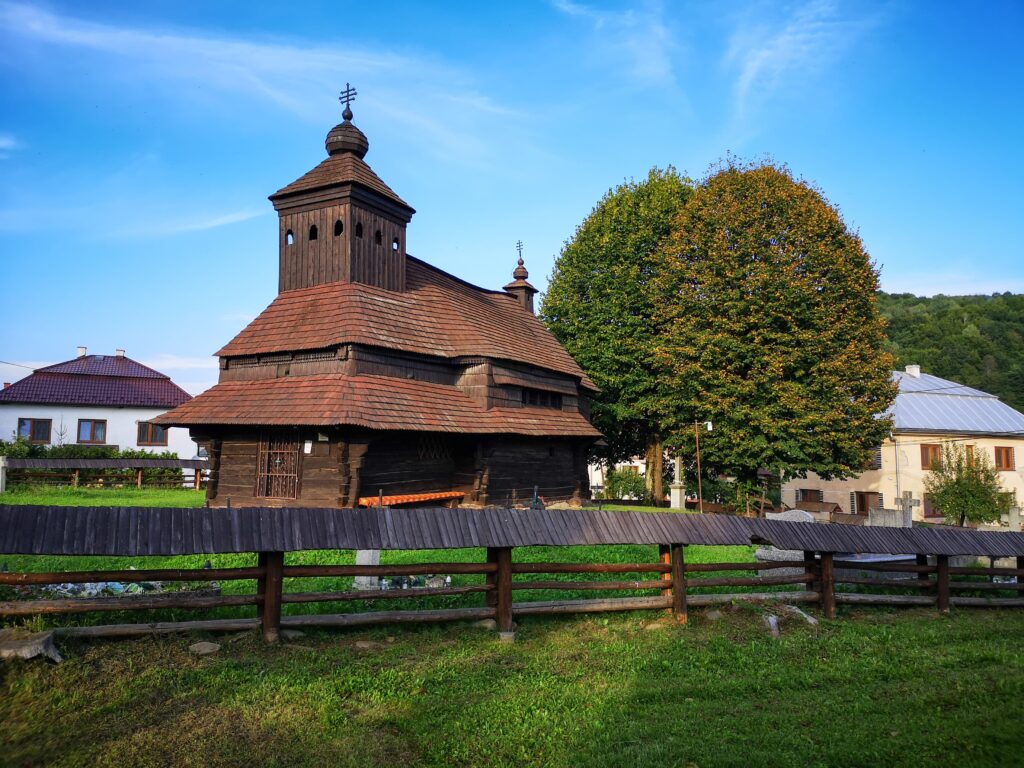
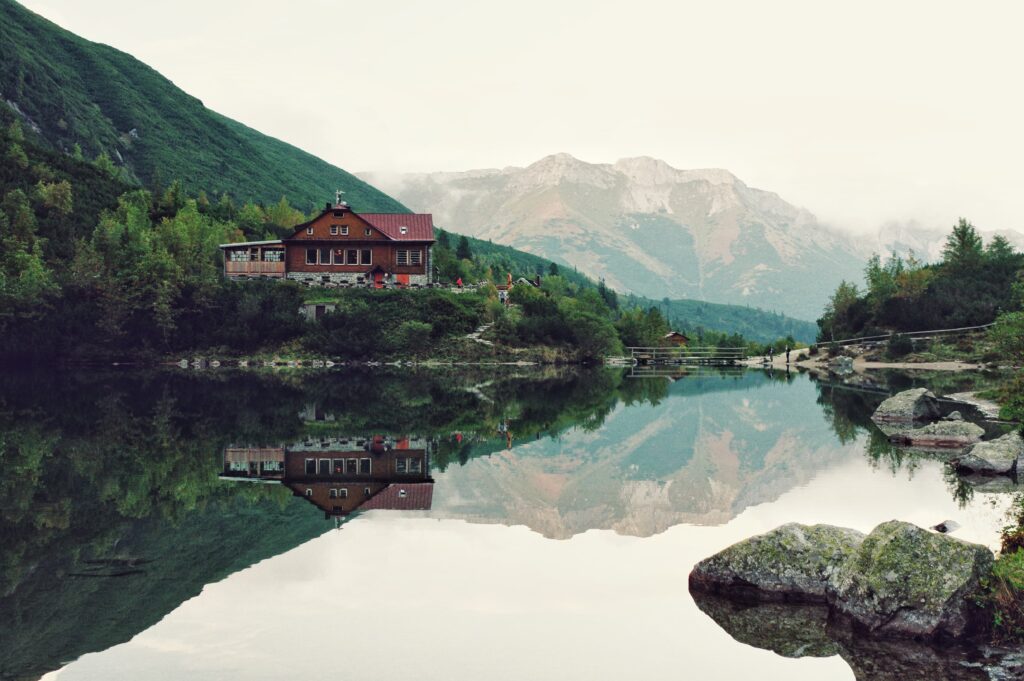
Slovakia in pictures
Slovakia on video
The player loads when you press play — nothing is requested from the video host before that.
Slovakia compared with its neighbours
How it sits against the other countries of Eastern Europe.
| Country | Population | Area | Capital |
|---|---|---|---|
 Belarus | 9.1 million | 207,600 km² | Minsk |
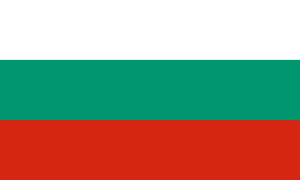 Bulgaria | 6.7 million | 110,879 km² | Sofia |
| Slovakia | 5.4 million | 49,035 km² | Bratislava |
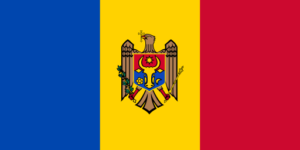 Moldova | 3 million | 33,851 km² | Chișinău |
Ranked 120th of 195 countries by population and 127th by area.
Questions about Slovakia
What is the capital of Slovakia?
The capital of Slovakia is Bratislava.
How many people live in Slovakia?
About 5.4 million people. Ranked 120th of 195 countries by population and 127th by area.
How big is Slovakia?
Slovakia covers 49,035 km², in Eastern Europe.
What is Slovakia known for?
Slovakia is best known for High Tatras, Bratislava Castle and Slovak Paradise National Park.
What language is spoken in Slovakia?
Slovak is the official language, with Hungarian also spoken in some regions.
What currency is used in Slovakia?
Euro (EUR).
Is Slovakia a country?
Yes. Slovakia is a sovereign state and is counted among the 195 countries this generator draws from.