

Iceland
Northern Europe
Iceland is a country in Northern Europe, home to 390,000 people, with an area of 103,000 km². Its capital is Reykjavík.
- Capital
- Reykjavík
- Population
- 390,000
- Area
- 103,000 km²
- Region
- Northern Europe
- Density
- 3.8 / km²
- Status
- Sovereign state
Population: UN World Population Prospects, 2024 revision. Area: CIA World Factbook.
What Iceland is known for
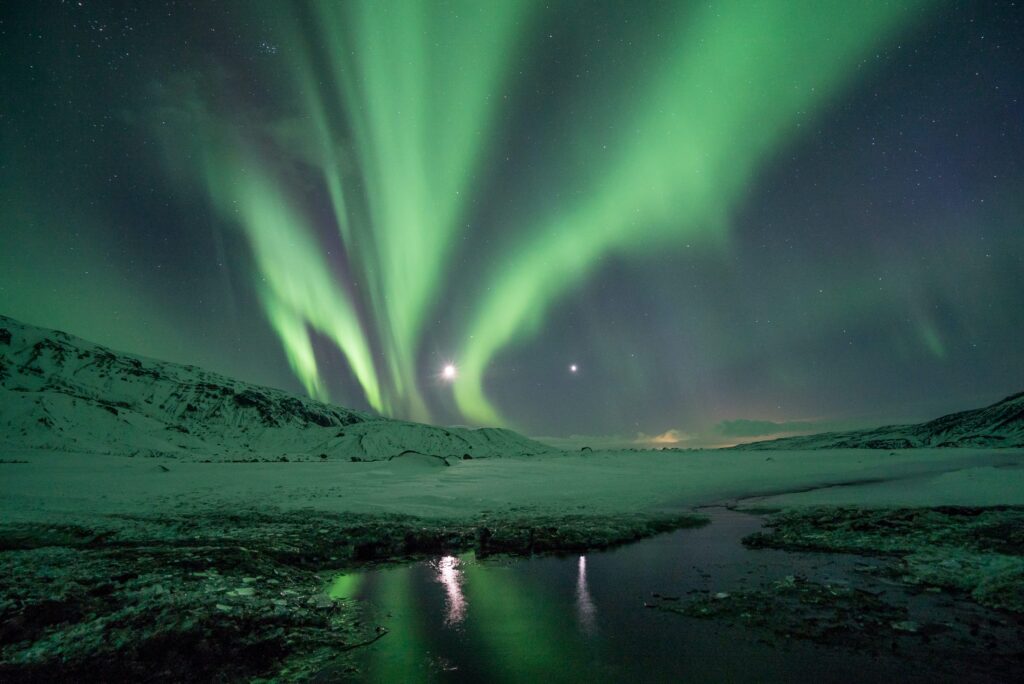
Iceland is best known for The Blue Lagoon, Vatnajökull Glacier and The Northern Lights.
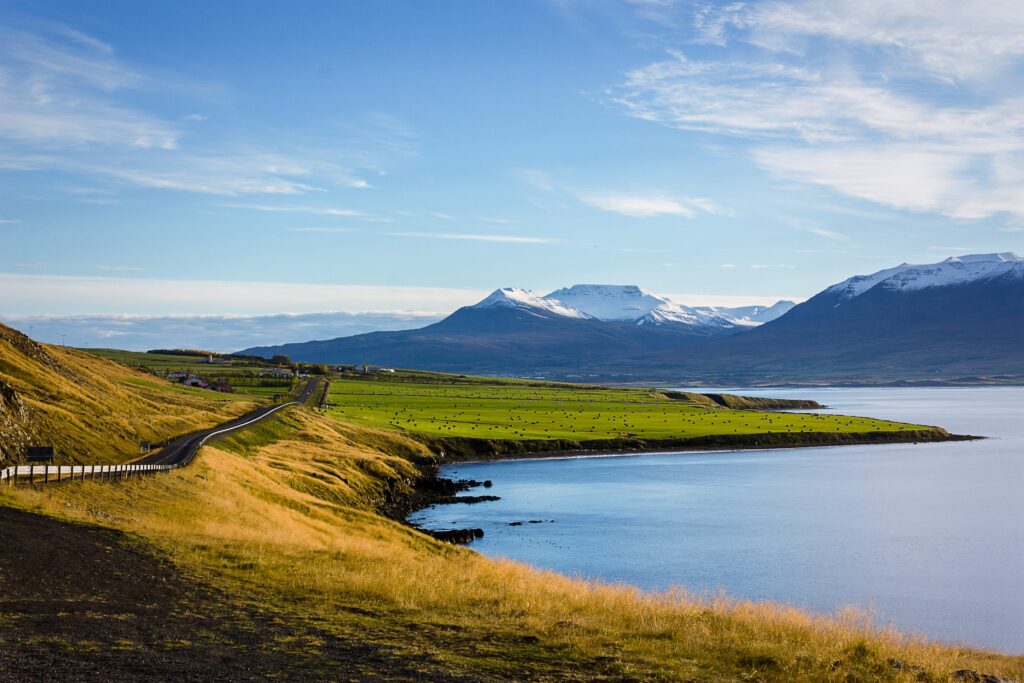
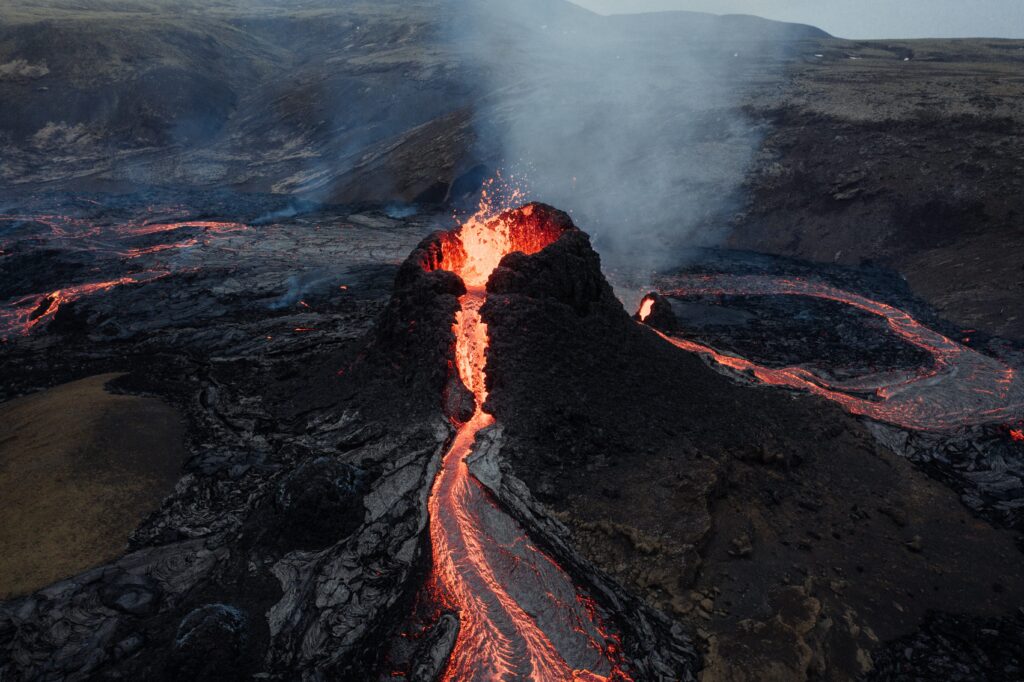
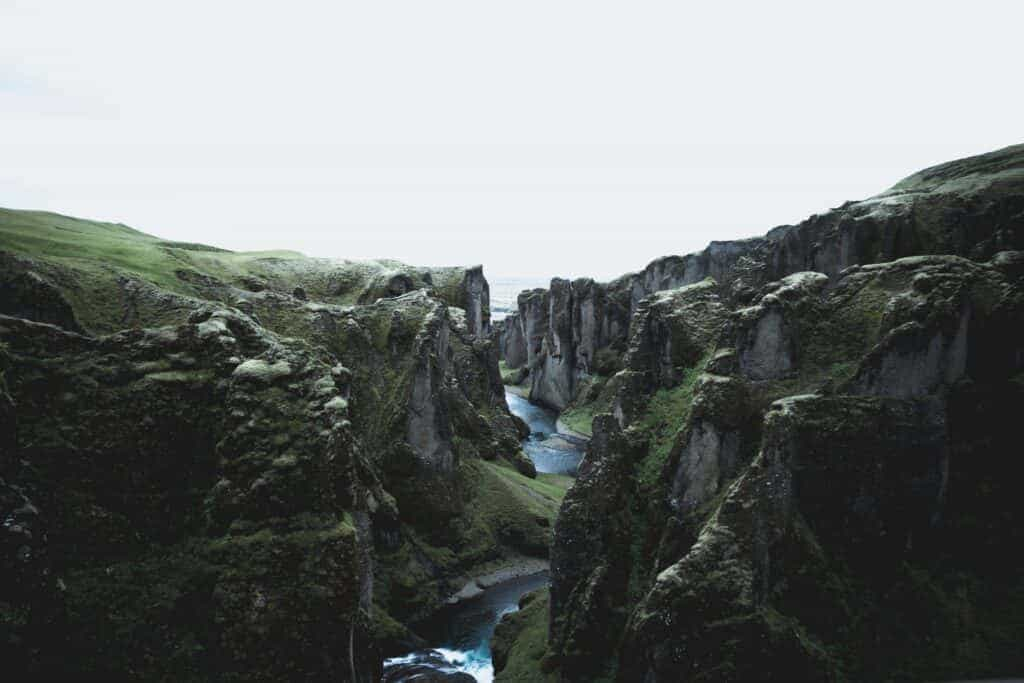
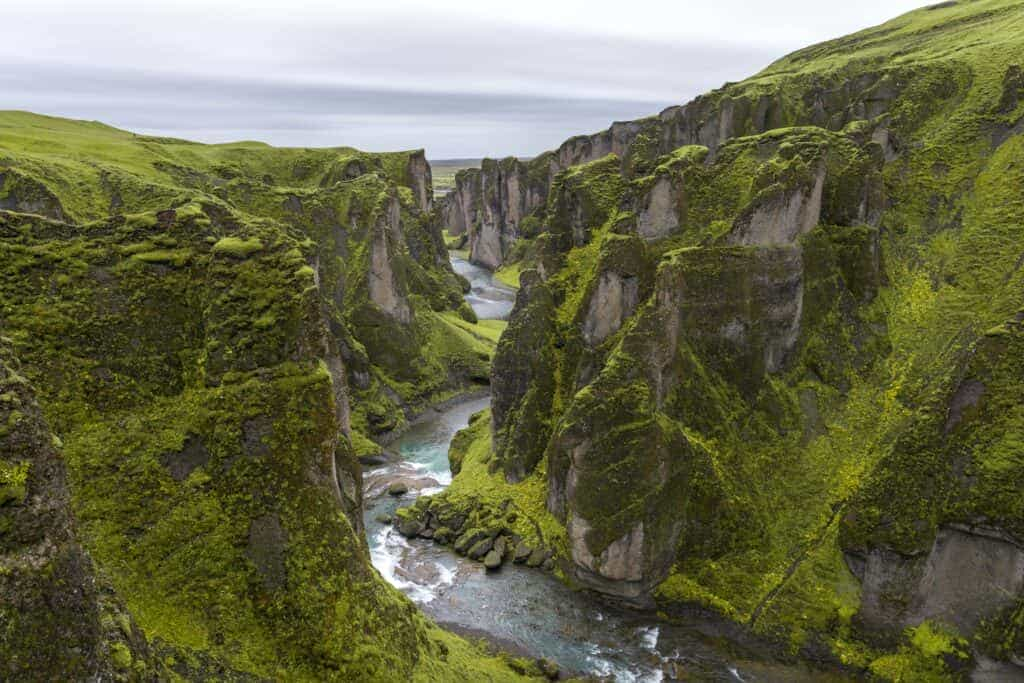
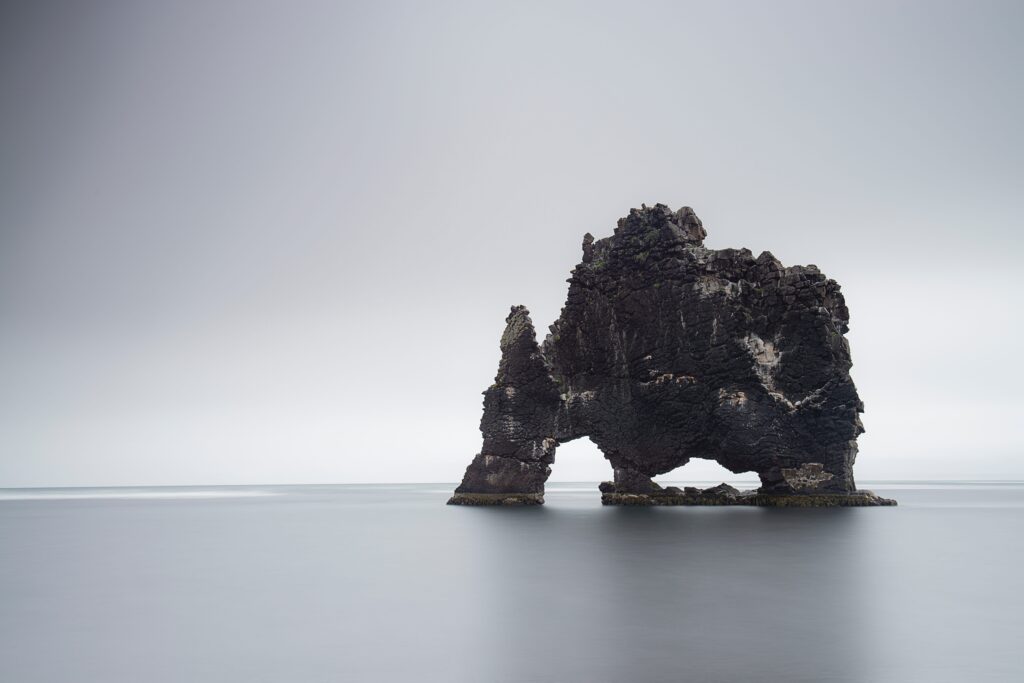
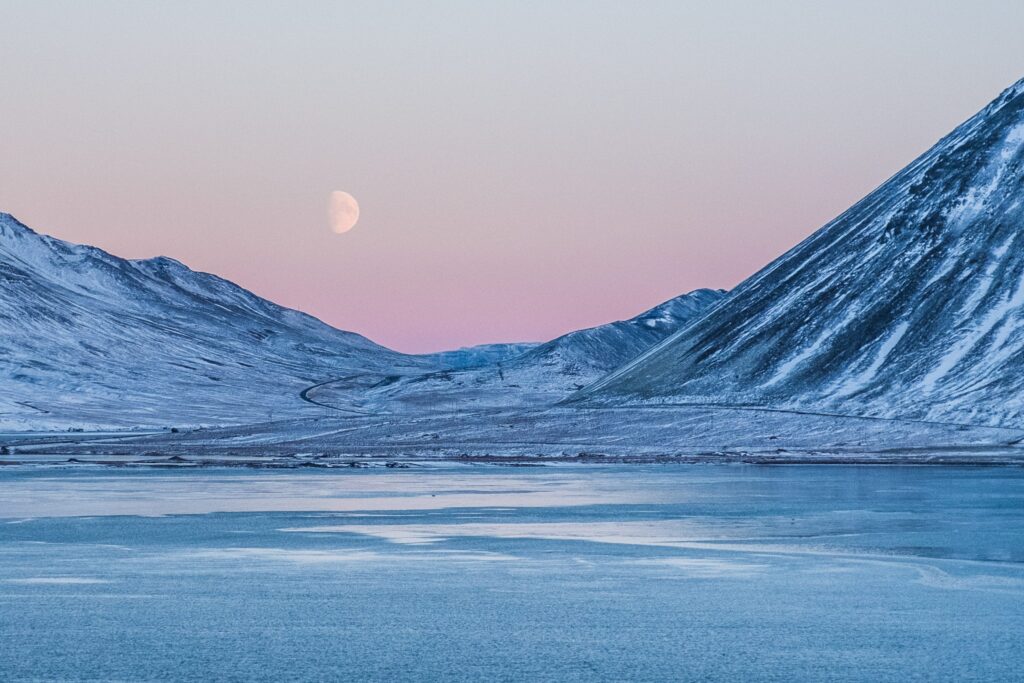
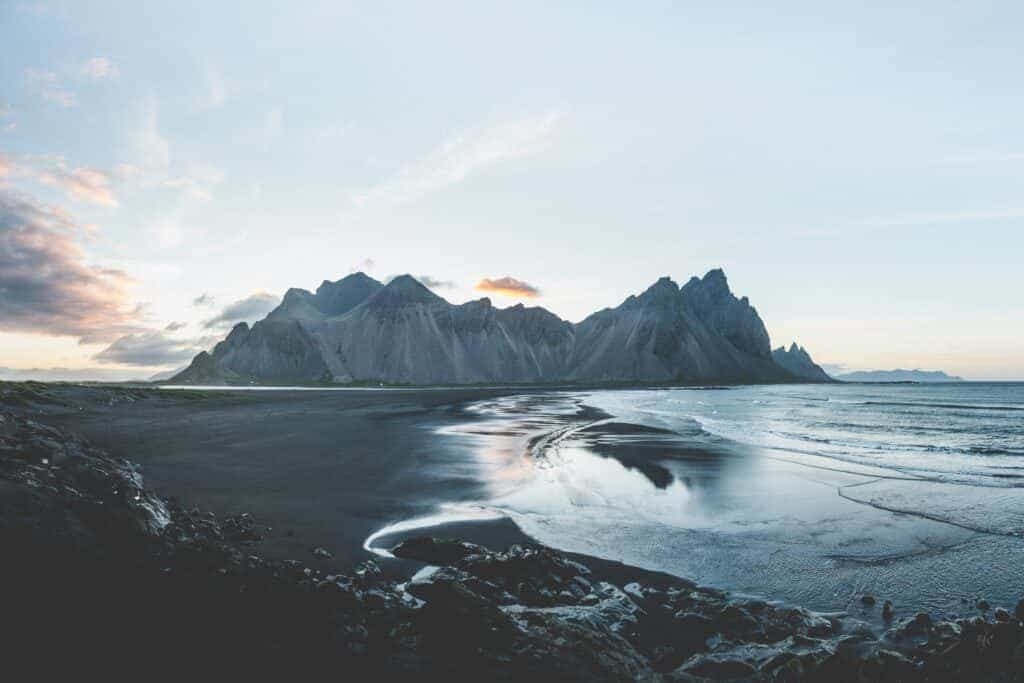
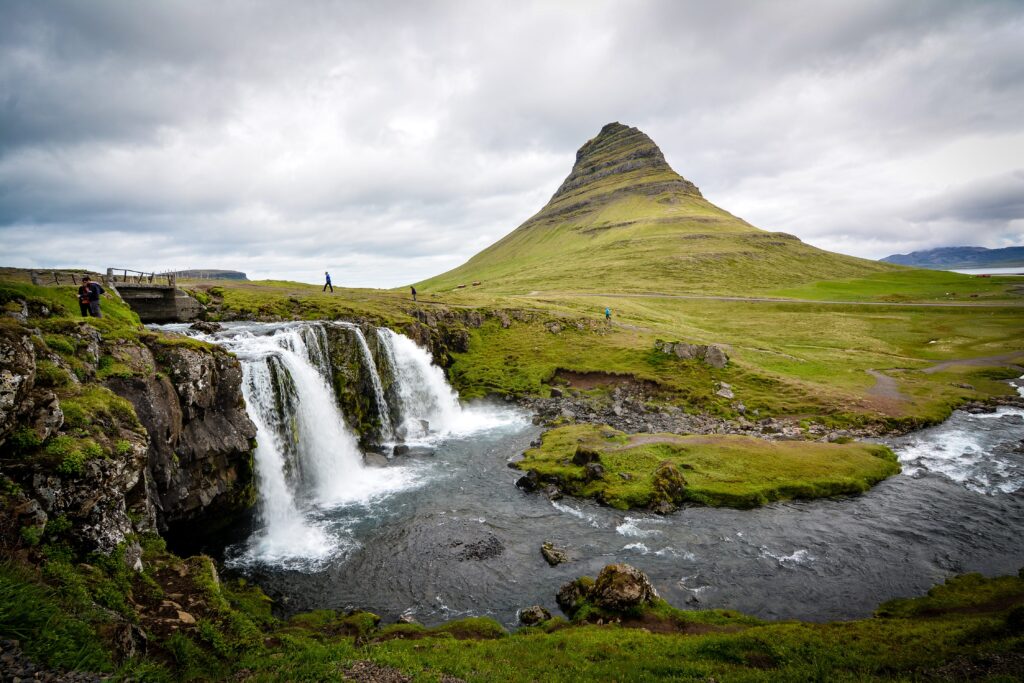
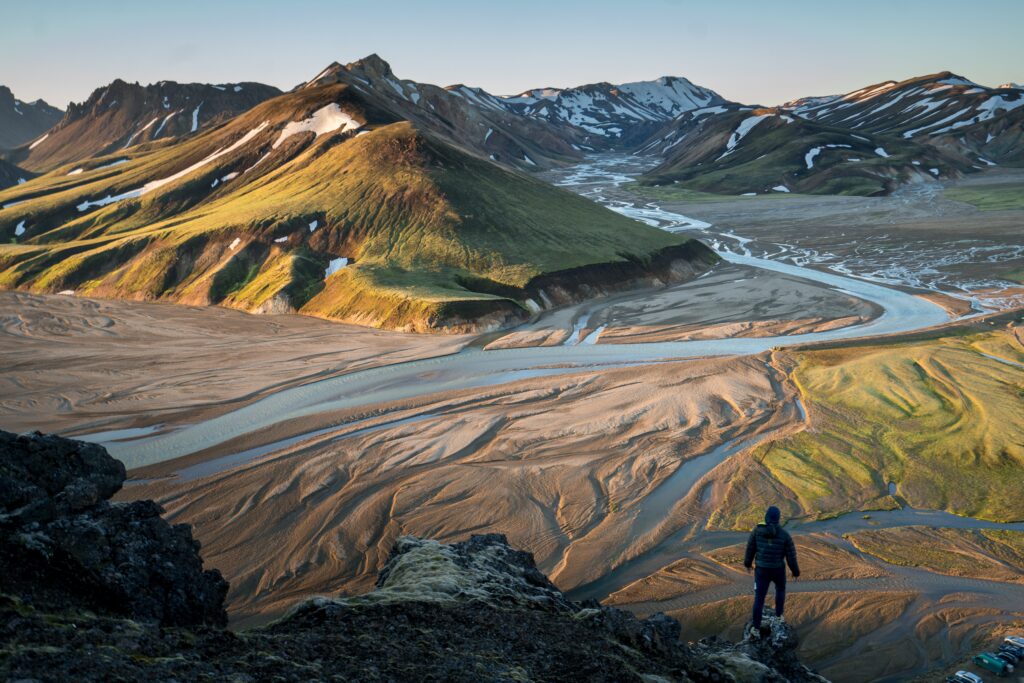
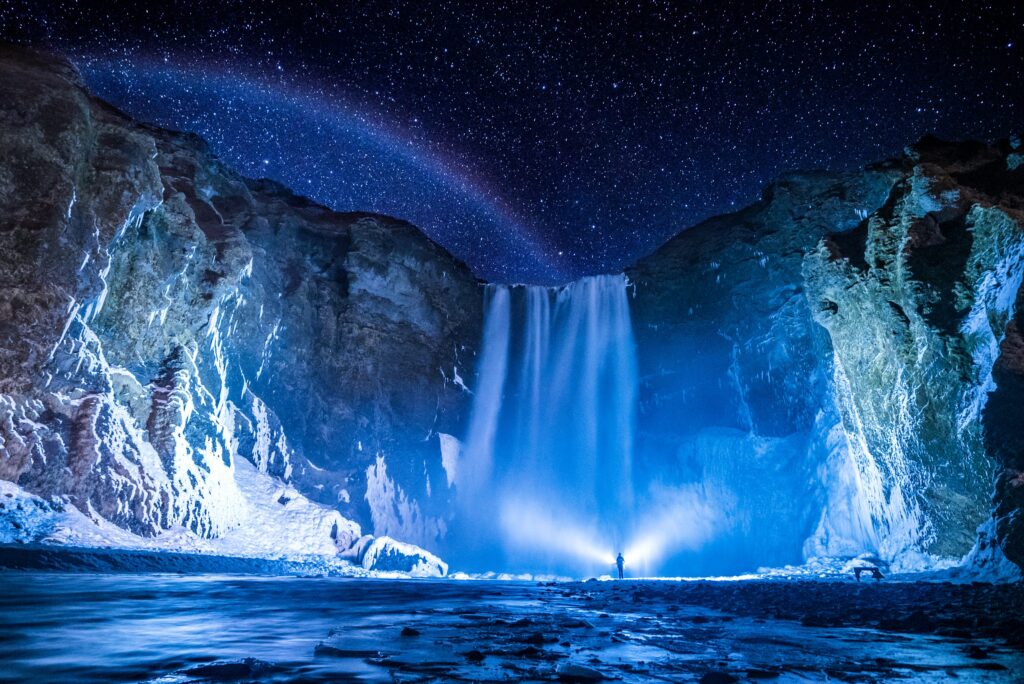
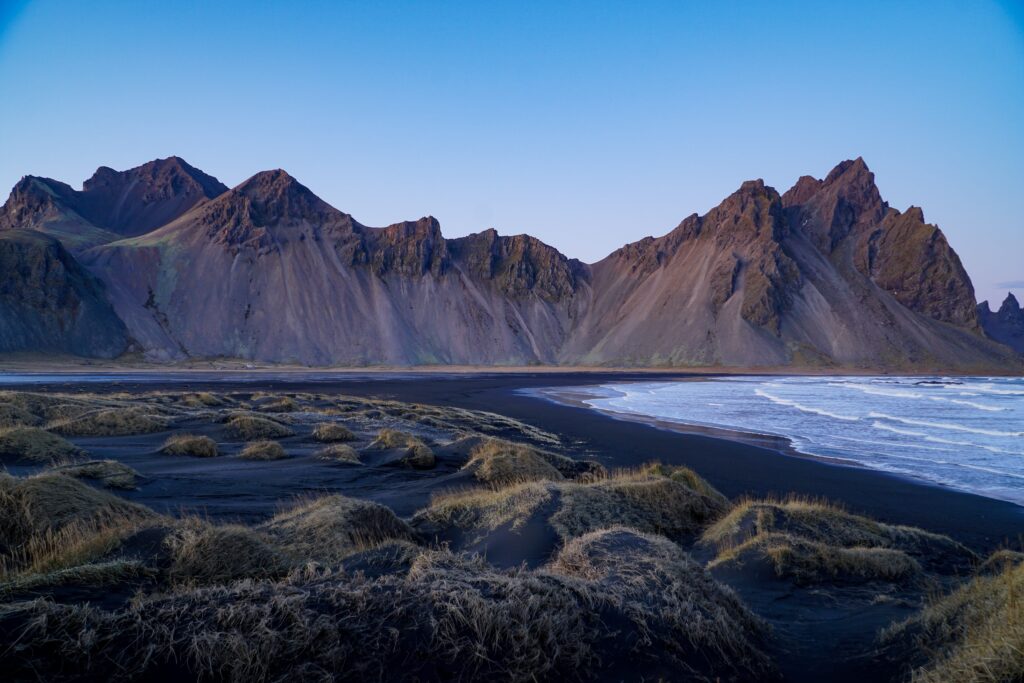
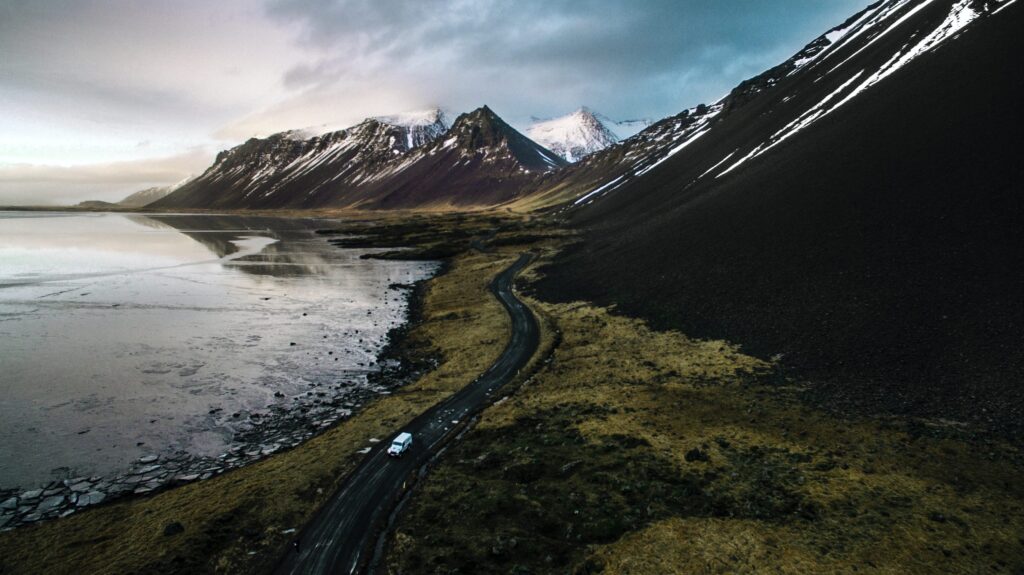
Iceland is a Nordic island country located in the North Atlantic Ocean. It is located between Greenland and Norway, and its closest neighbor is Greenland to the west. Iceland is known for its stunning natural scenery, including glaciers, hot springs, and volcanoes.
Iceland at a glance
- Language
- Icelandic is the official language, but English is widely spoken
- Currency
- Icelandic króna (ISK)
- Religion
- Christianity is the predominant religion in Iceland, with the Evangelical Lutheran Church being the largest denomination
- National dish
- Hákarl (fermented shark meat)
- Climate
- Iceland has a subarctic climate with cool summers and mild winters. The country experiences frequent changes in weather and is known for its strong winds
- Main industries
- Fishing and fish processing, aluminum smelting, and geothermal power generation
- GDP
- $27 billion (nominal, 2021 estimate)
- Development
- Iceland is considered a very highly developed country, with a human development index (HDI) ranking of 6 out of 189 countries (2020)
Things to do in Iceland
Some of the main tourist attractions in Iceland include:
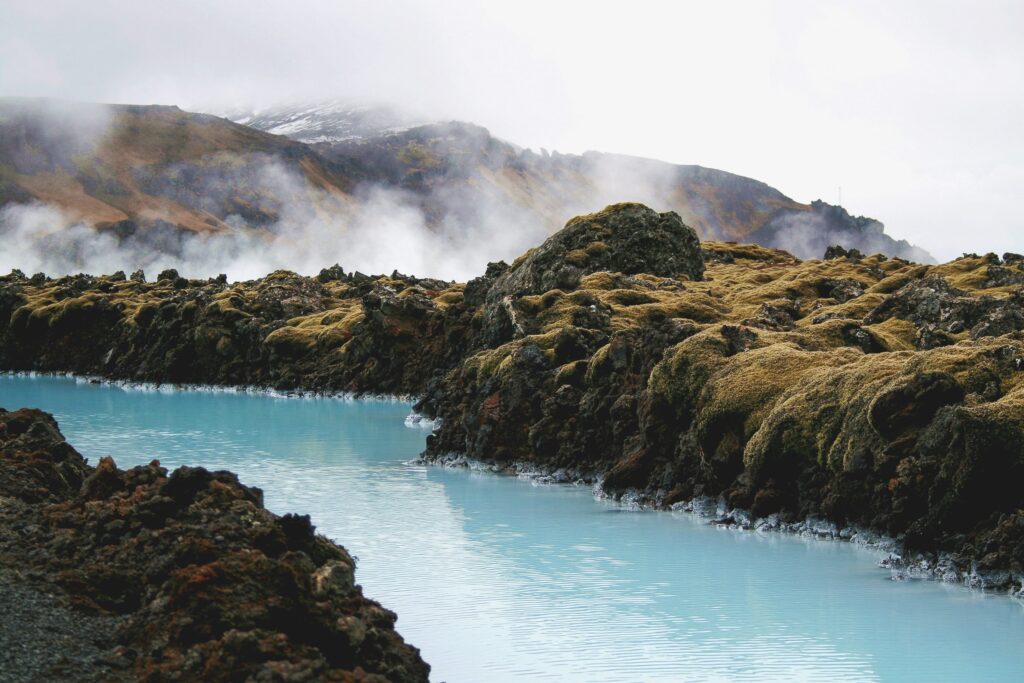
- The Blue Lagoon a geothermal spa in southwest Iceland that is famous for its milky-blue waters.
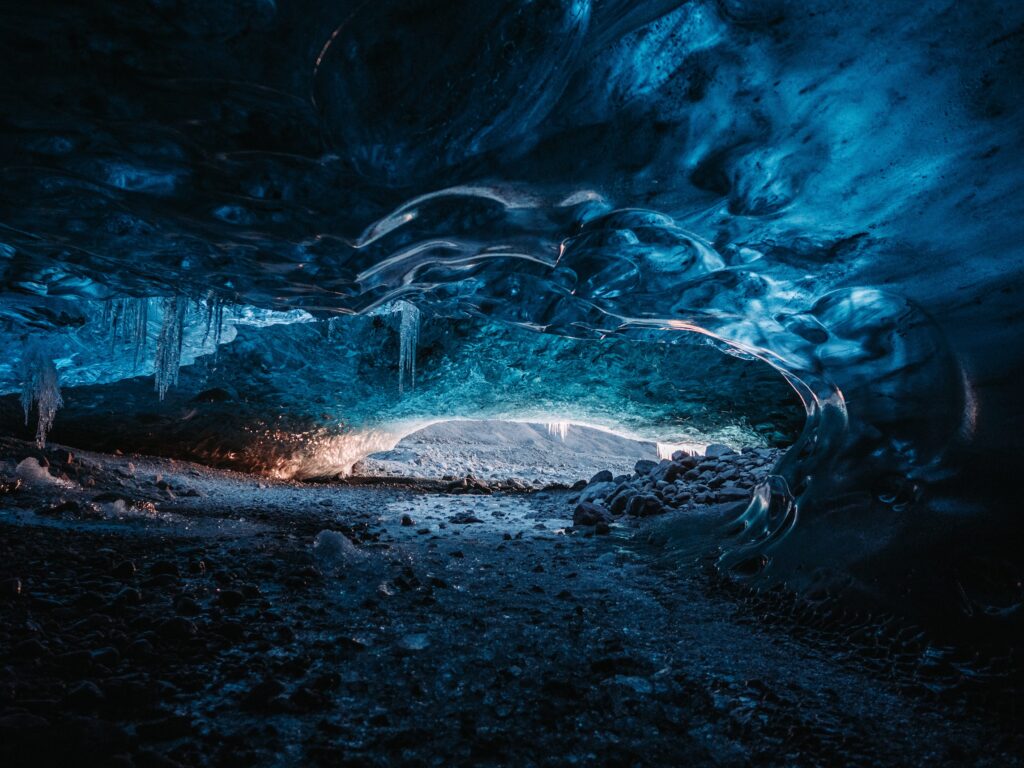
- Vatnajökull Glacier the largest glacier in Iceland, located in the southeast of the country. Visitors can take guided glacier walks and ice cave tours.
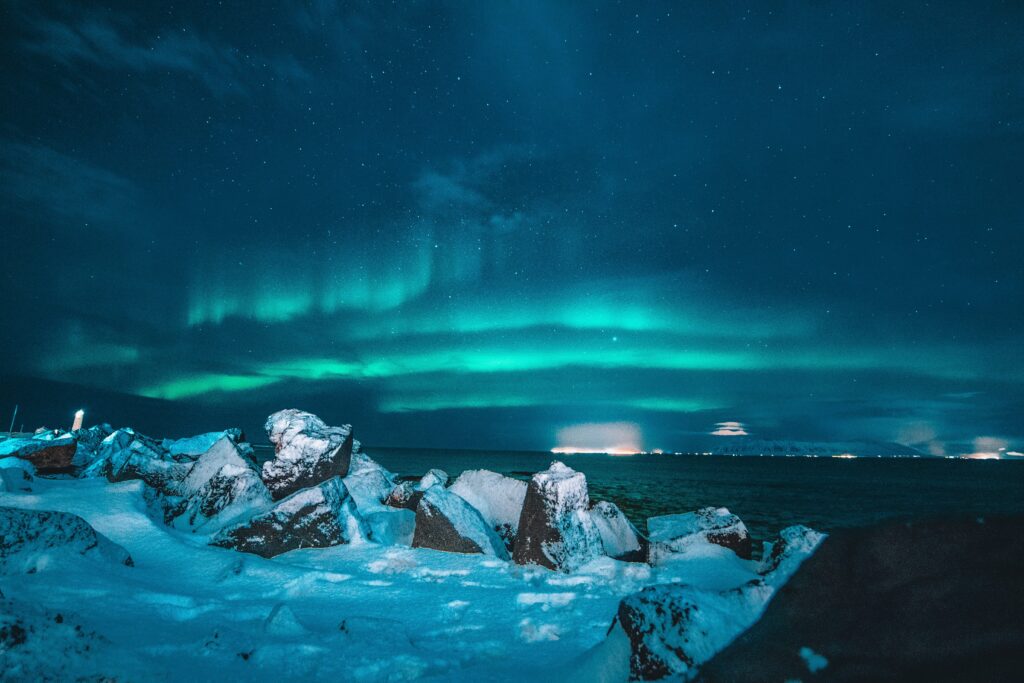
- The Northern Lights also known as the Aurora Borealis, this natural phenomenon can be seen in Iceland from September to April.
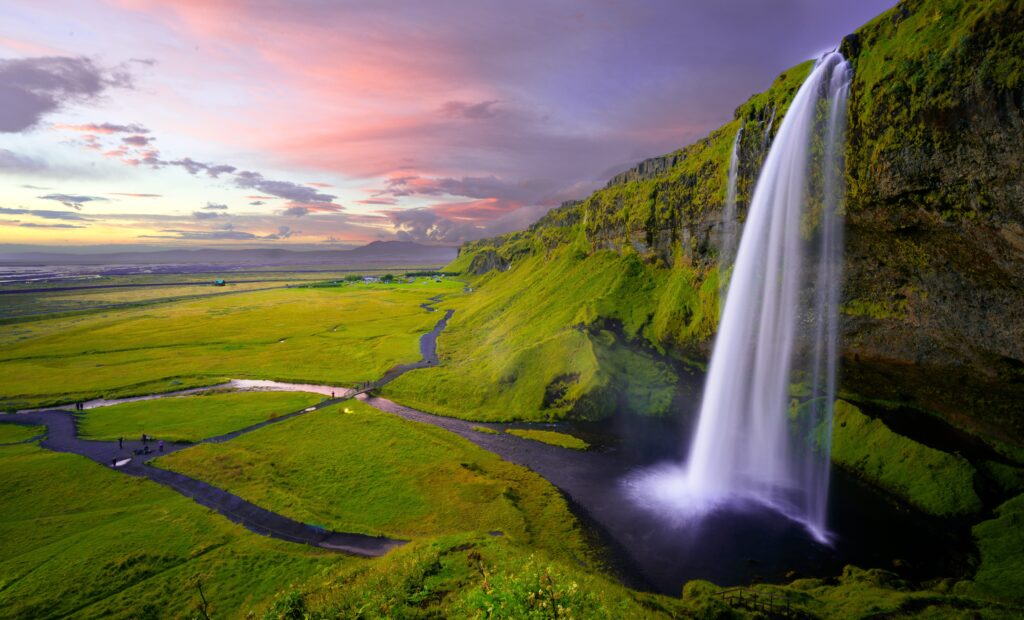
- The Golden Circle a popular tourist route that includes three major attractions: Þingvellir National Park, Geysir geothermal area, and Gullfoss waterfall.
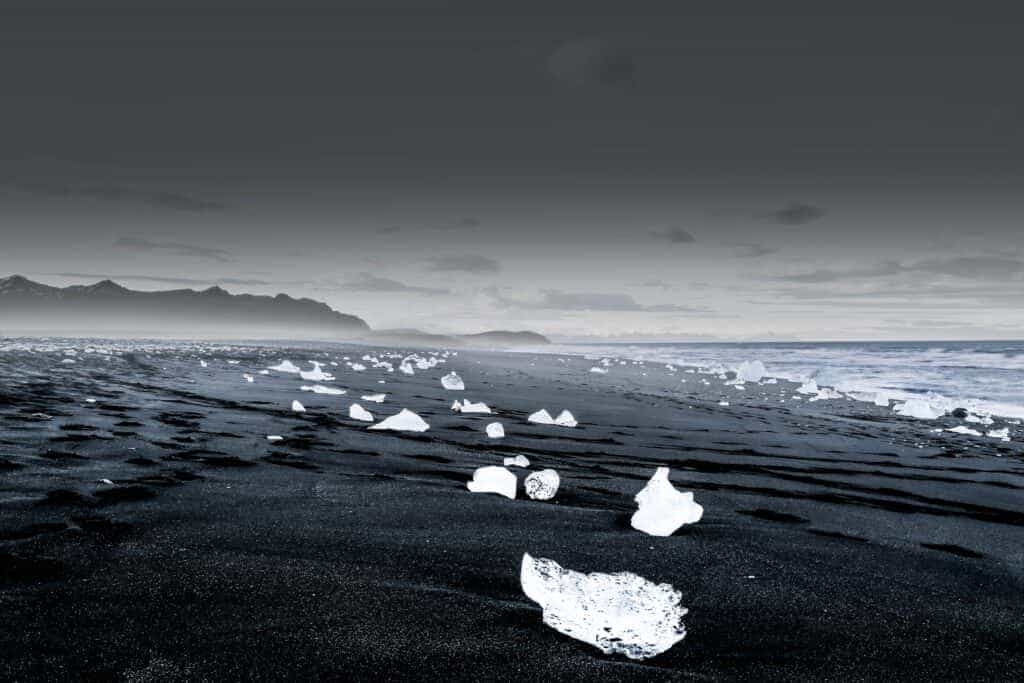
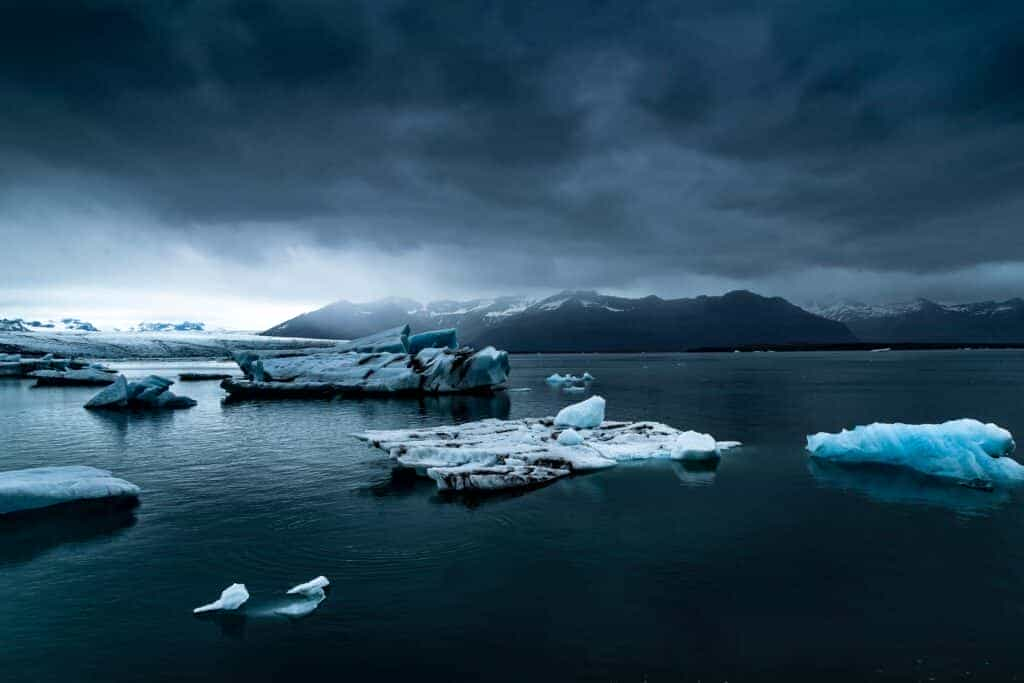
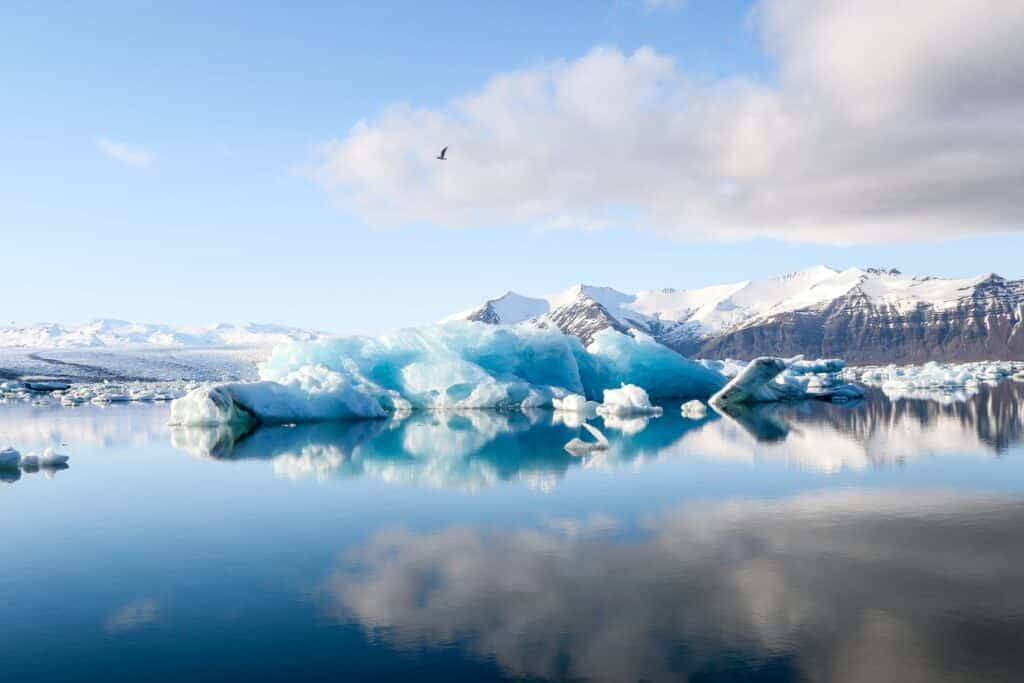
- Jökulsárlón Glacier Lagoon a glacial lake in southeast Iceland that is known for its crystal-clear water and floating icebergs.
- The Reykjavik nightlife Reykjavik is known for its vibrant nightlife, with numerous bars, clubs, and music venues.
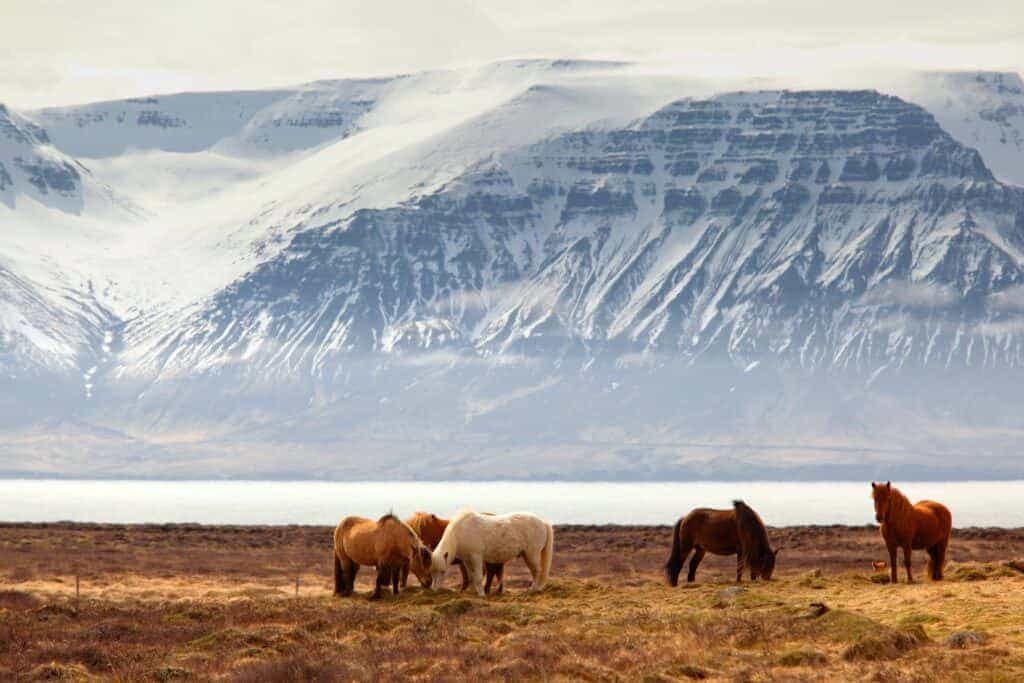
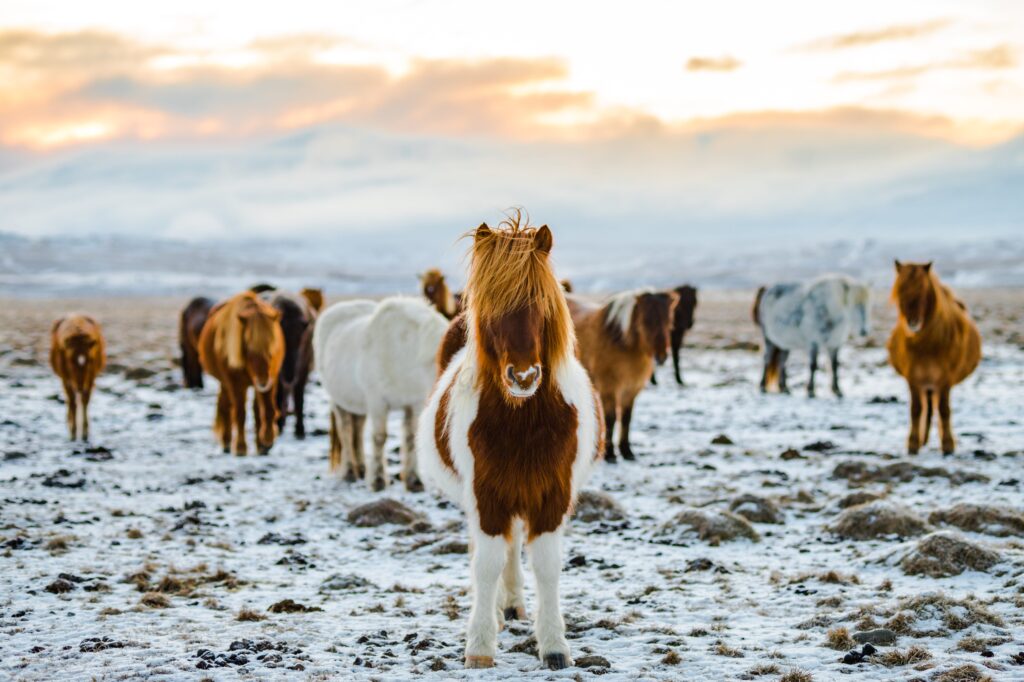
- The Icelandic horse a unique breed of horse that has five gaits and is used for riding and herding.
- The Skaftafell National Park a national park in southeast Iceland that offers hiking trails, glacier tours, and stunning views of the Vatnajökull glacier.
- The Westfjords a remote and sparsely populated region in northwest Iceland that is known for its rugged landscapes and wildlife.
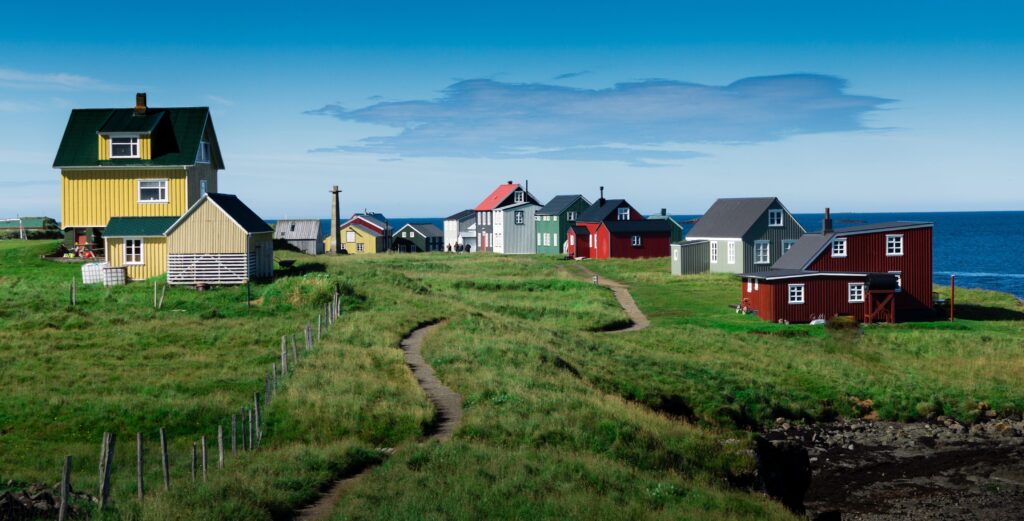
- Húsavík a charming fishing town in northern Iceland that is known for its whale watching tours.
These are just a few examples of the many attractions that Iceland has to offer. The country is also known for its unique culture, including its literature, music, and art.
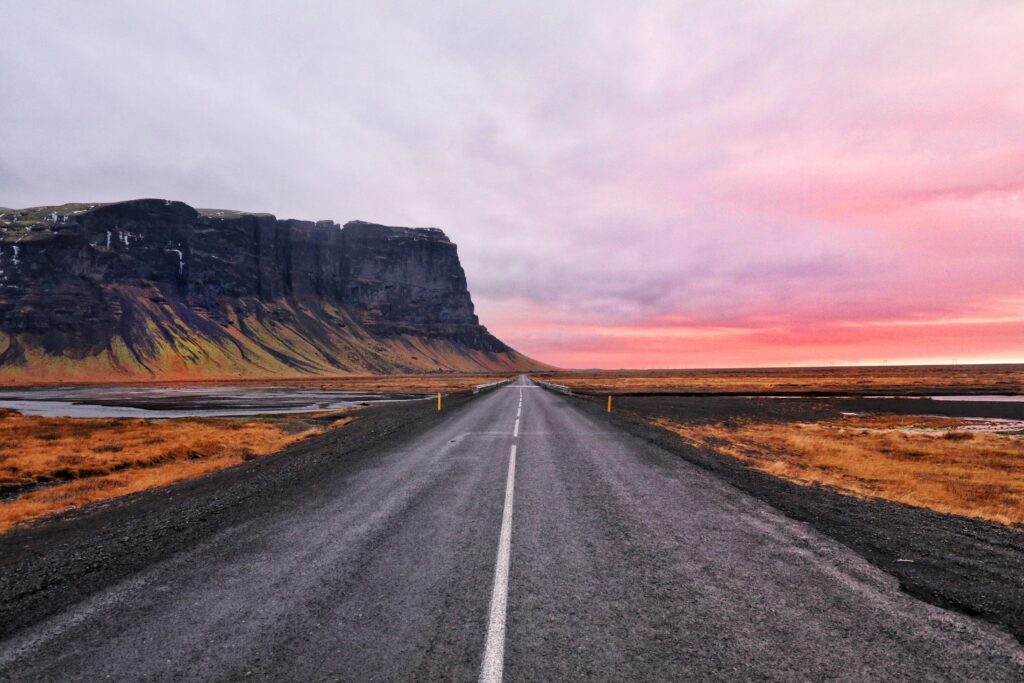
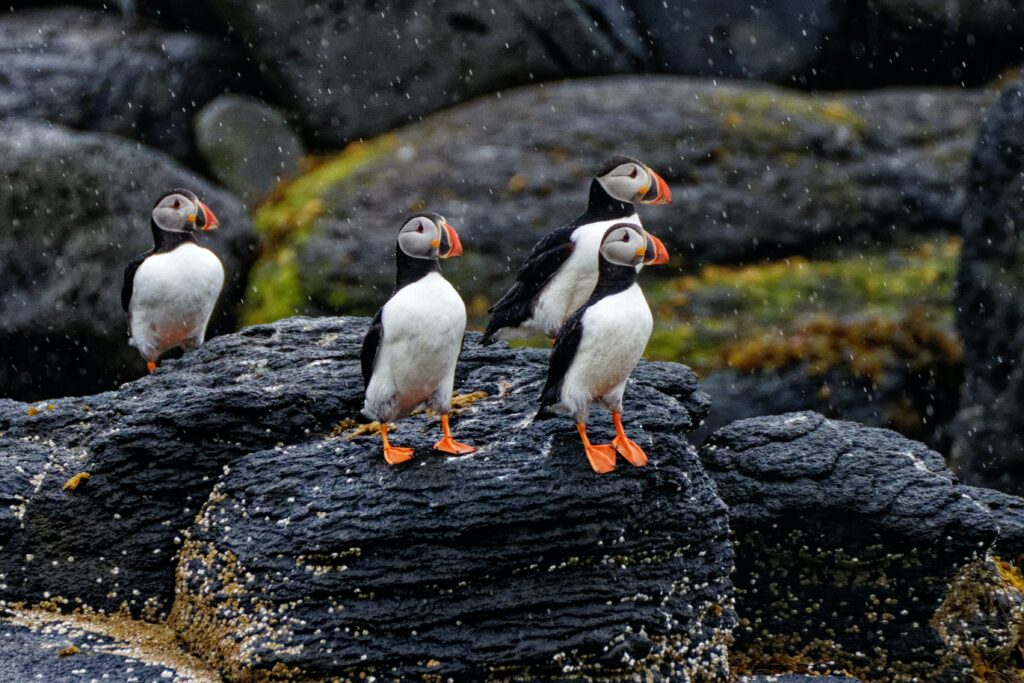
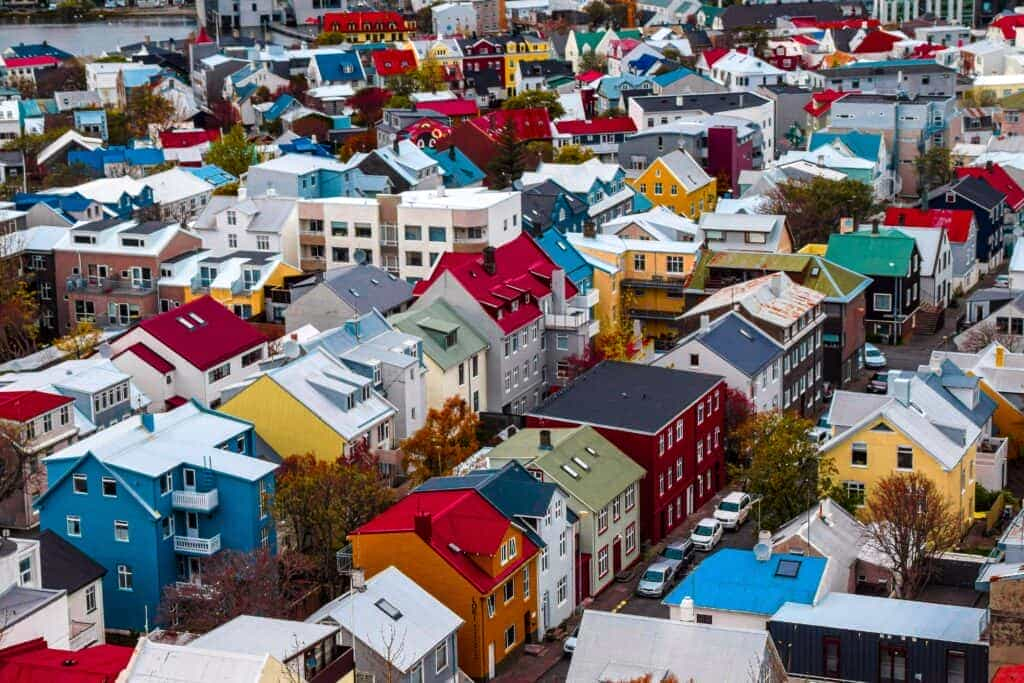
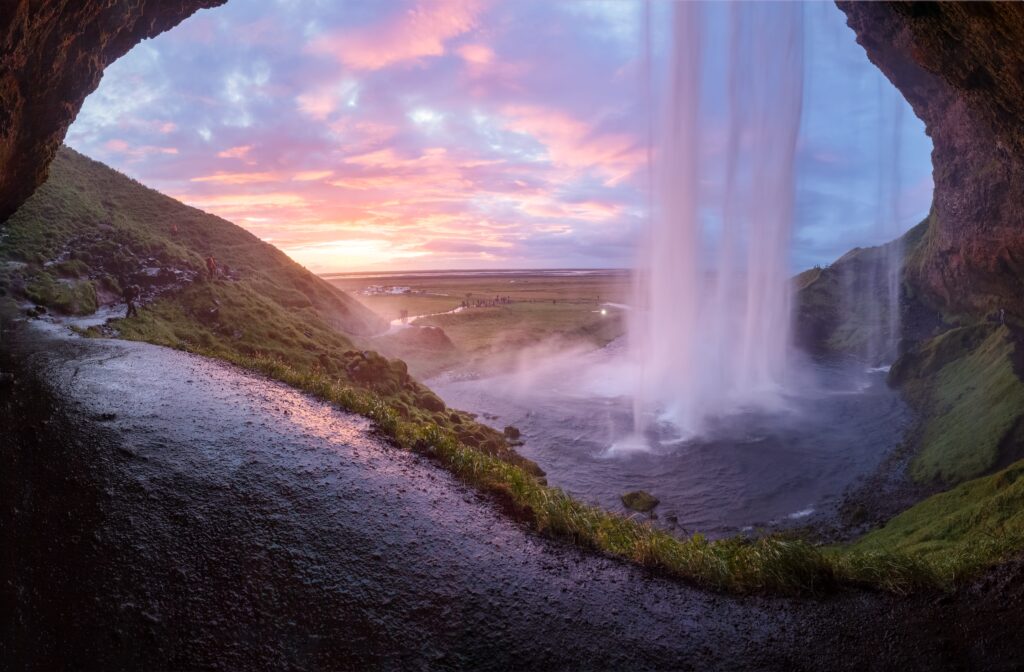
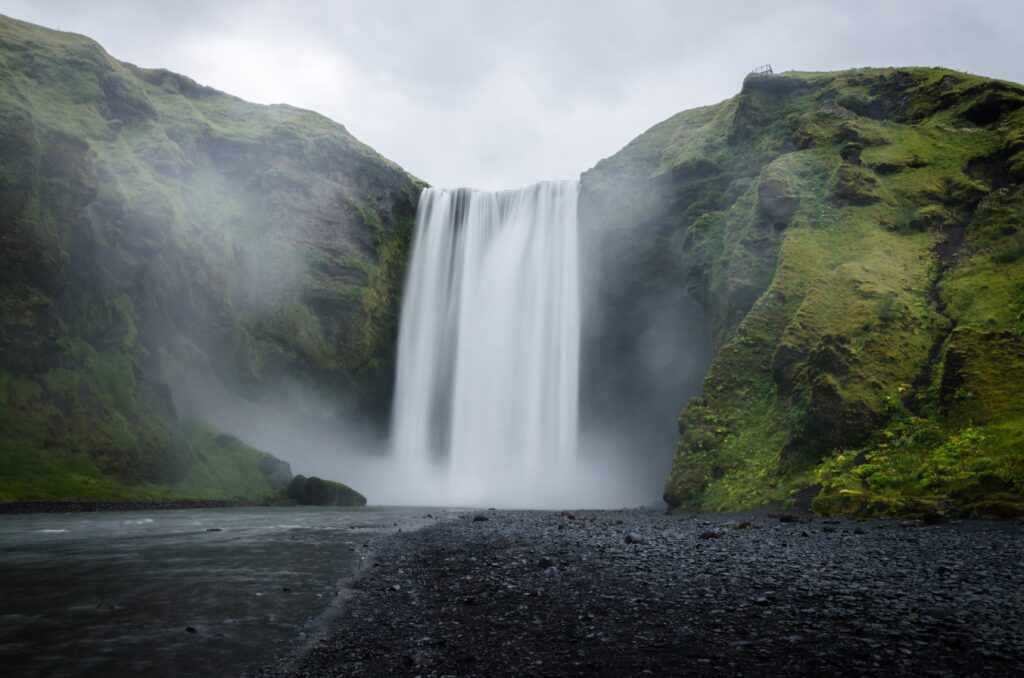
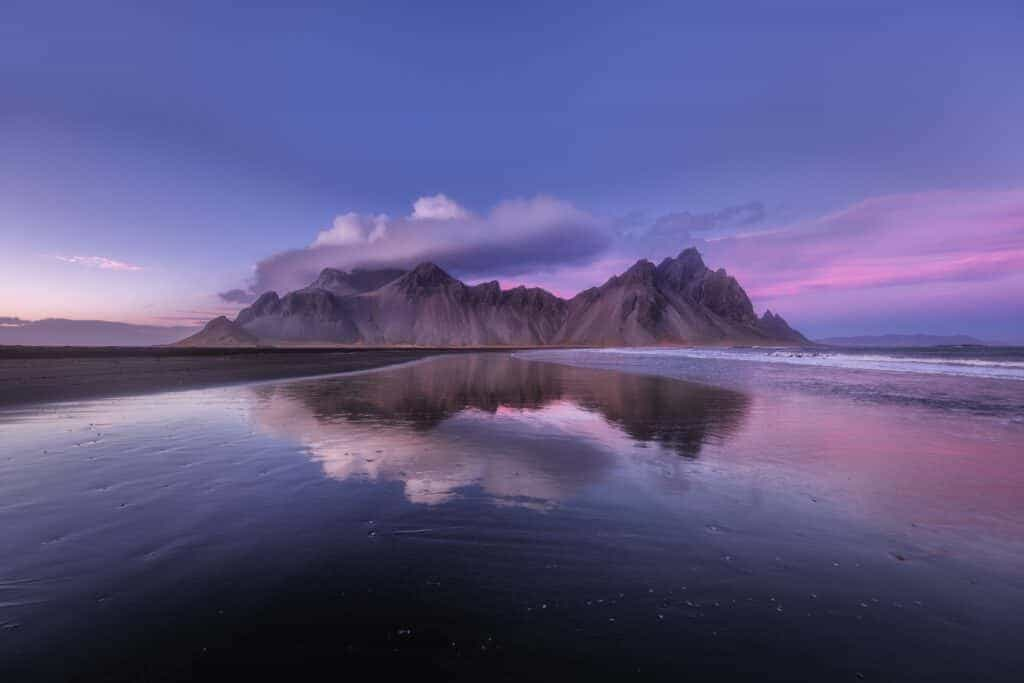
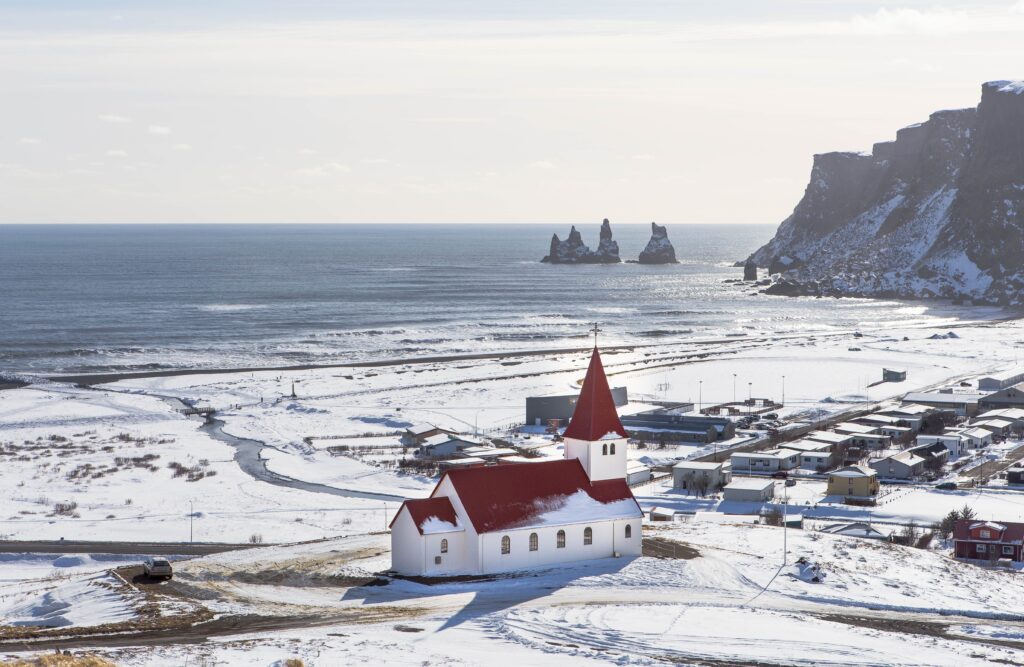
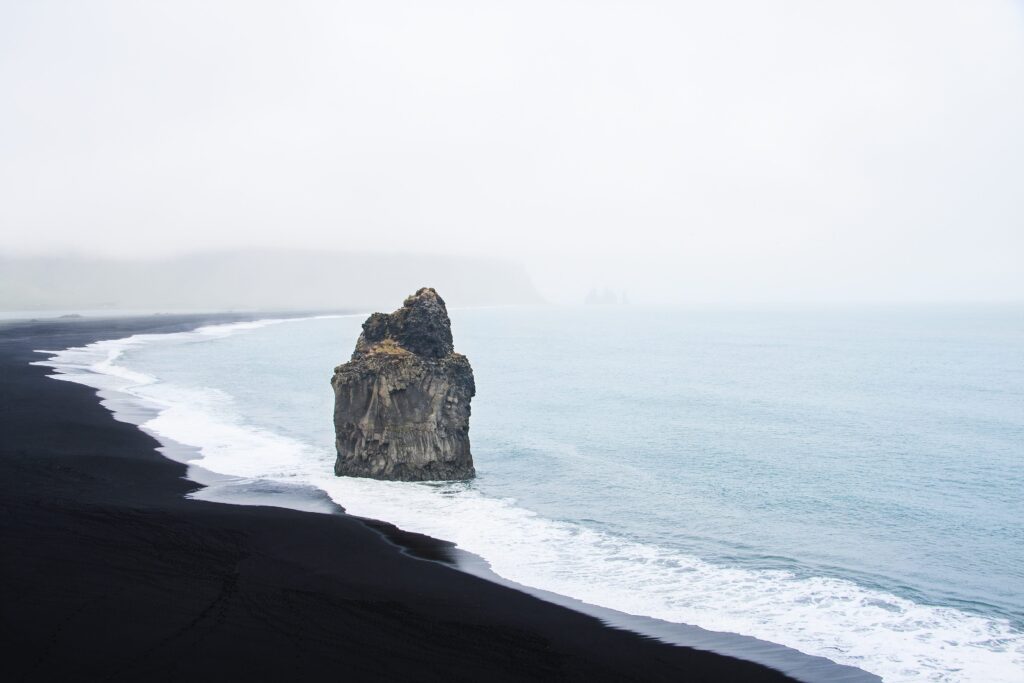
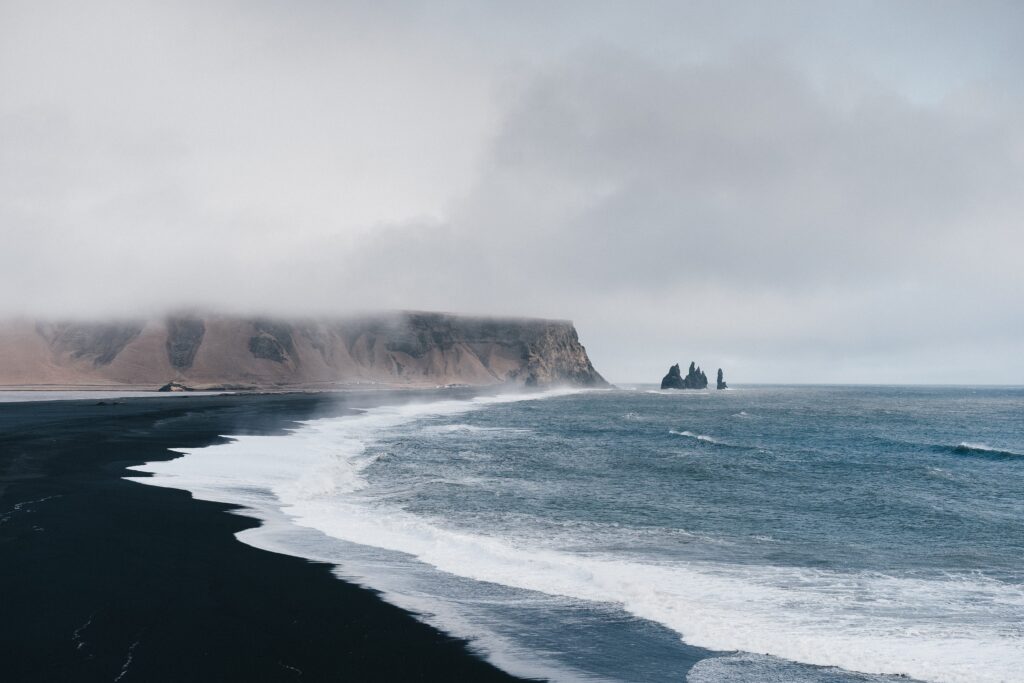
Iceland in pictures
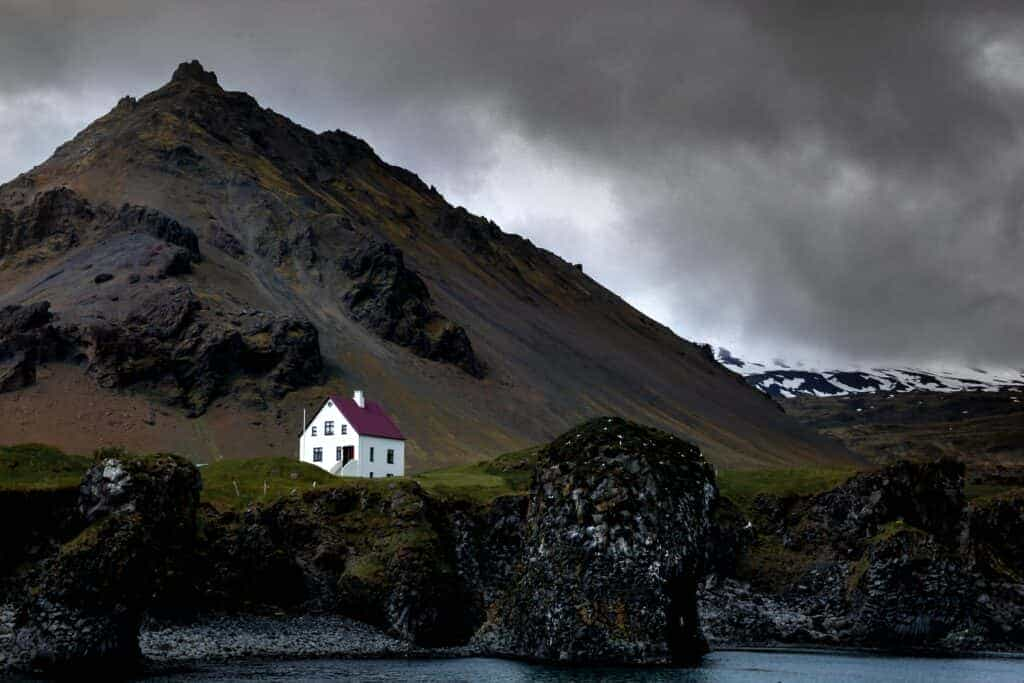
Iceland on video
The player loads when you press play — nothing is requested from the video host before that.
Iceland compared with its neighbours
How it sits against the other countries of Northern Europe.
| Country | Population | Area | Capital |
|---|---|---|---|
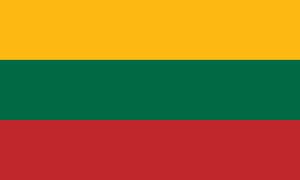 Lithuania | 2.9 million | 65,300 km² | Vilnius |
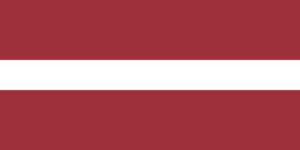 Latvia | 1.9 million | 64,589 km² | Riga |
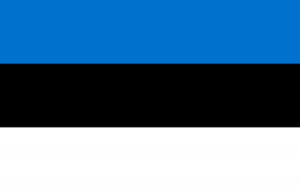 Estonia | 1.4 million | 45,228 km² | Tallinn |
| Iceland | 390,000 | 103,000 km² | Reykjavík |
Ranked 172nd of 195 countries by population and 106th by area.
Questions about Iceland
What is the capital of Iceland?
The capital of Iceland is Reykjavík.
How many people live in Iceland?
About 390,000 people. Ranked 172nd of 195 countries by population and 106th by area.
How big is Iceland?
Iceland covers 103,000 km², in Northern Europe.
What is Iceland known for?
Iceland is best known for The Blue Lagoon, Vatnajökull Glacier and The Northern Lights.
What language is spoken in Iceland?
Icelandic is the official language, but English is widely spoken.
What currency is used in Iceland?
Icelandic króna (ISK).
Is Iceland a country?
Yes. Iceland is a sovereign state and is counted among the 195 countries this generator draws from.