
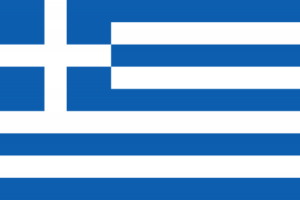
Greece
Southern Europe
Greece is a country in Southern Europe, home to 10.3 million people, with an area of 131,957 km². Its capital is Athens.
- Capital
- Athens
- Population
- 10.3 million
- Area
- 131,957 km²
- Region
- Southern Europe
- Density
- 78.1 / km²
- Status
- Sovereign state
Population: UN World Population Prospects, 2024 revision. Area: CIA World Factbook.
What Greece is known for
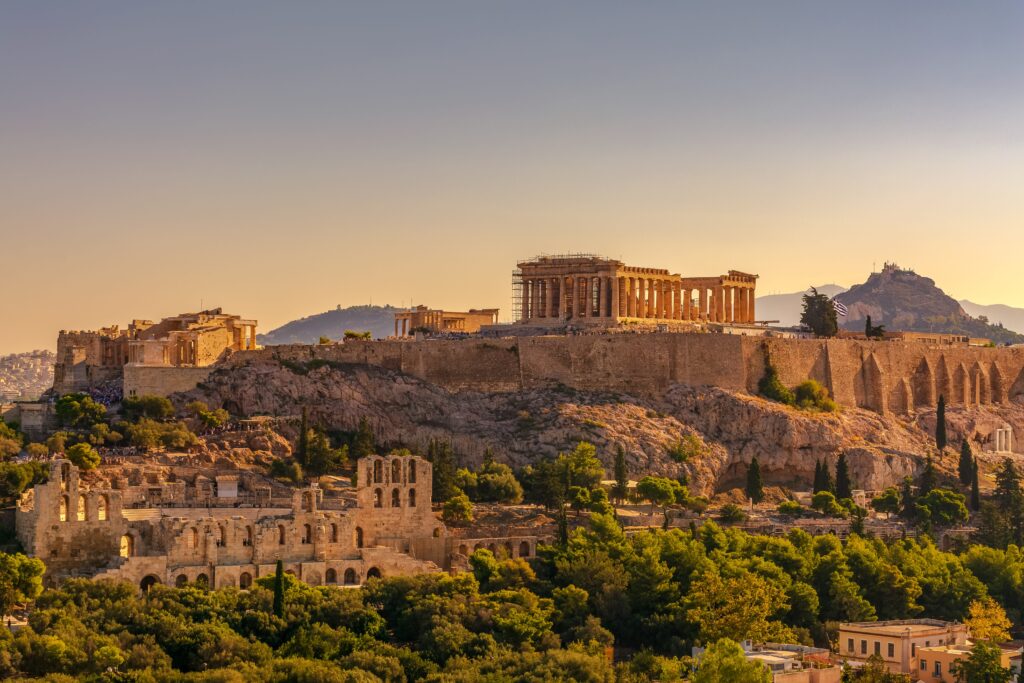
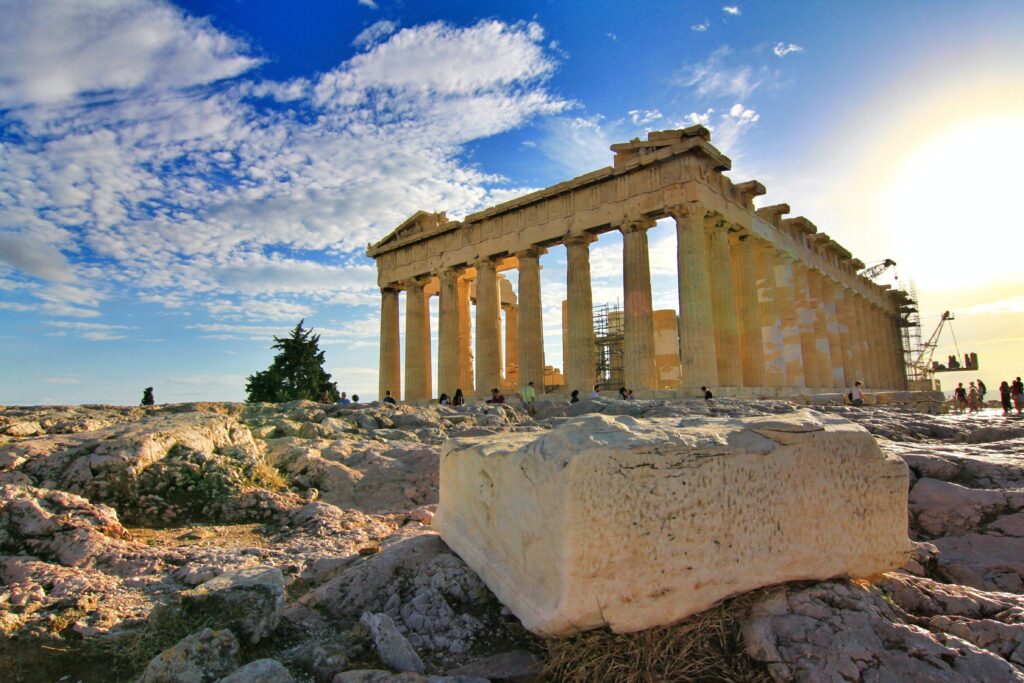
Greece is best known for The Acropolis, Santorini and Meteora.
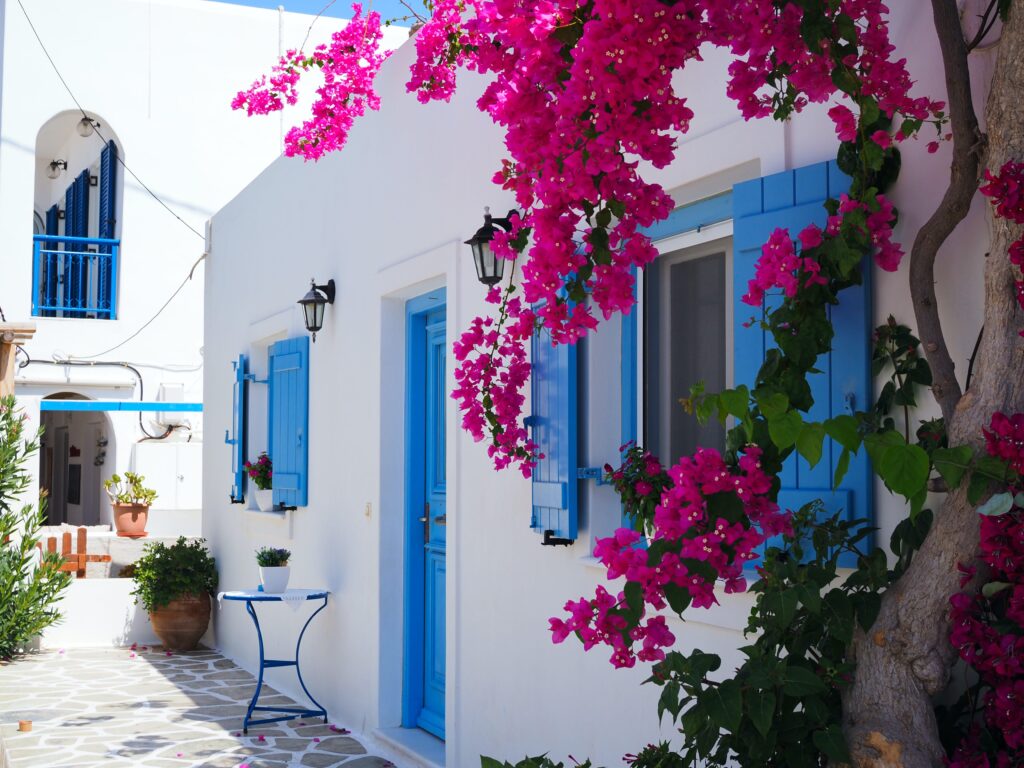
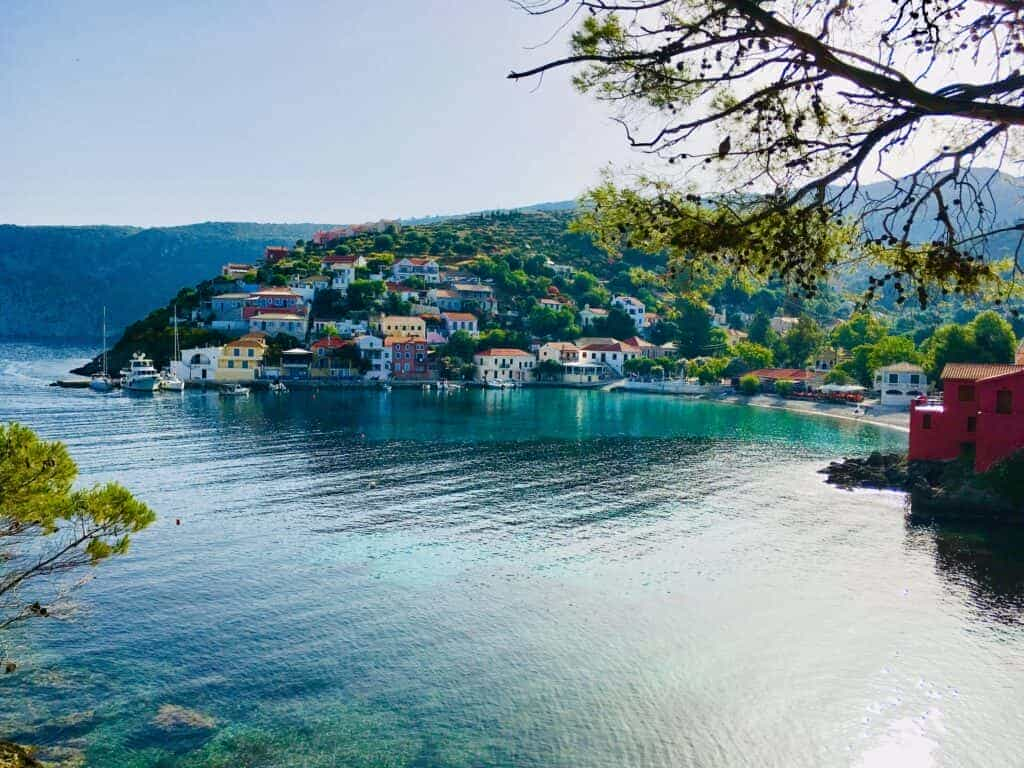
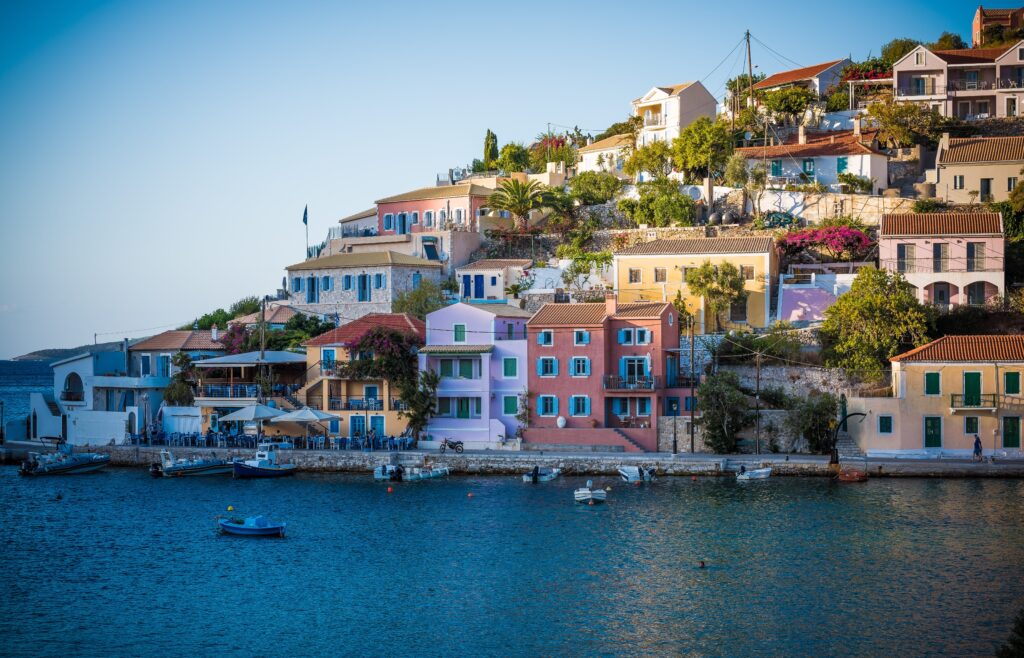
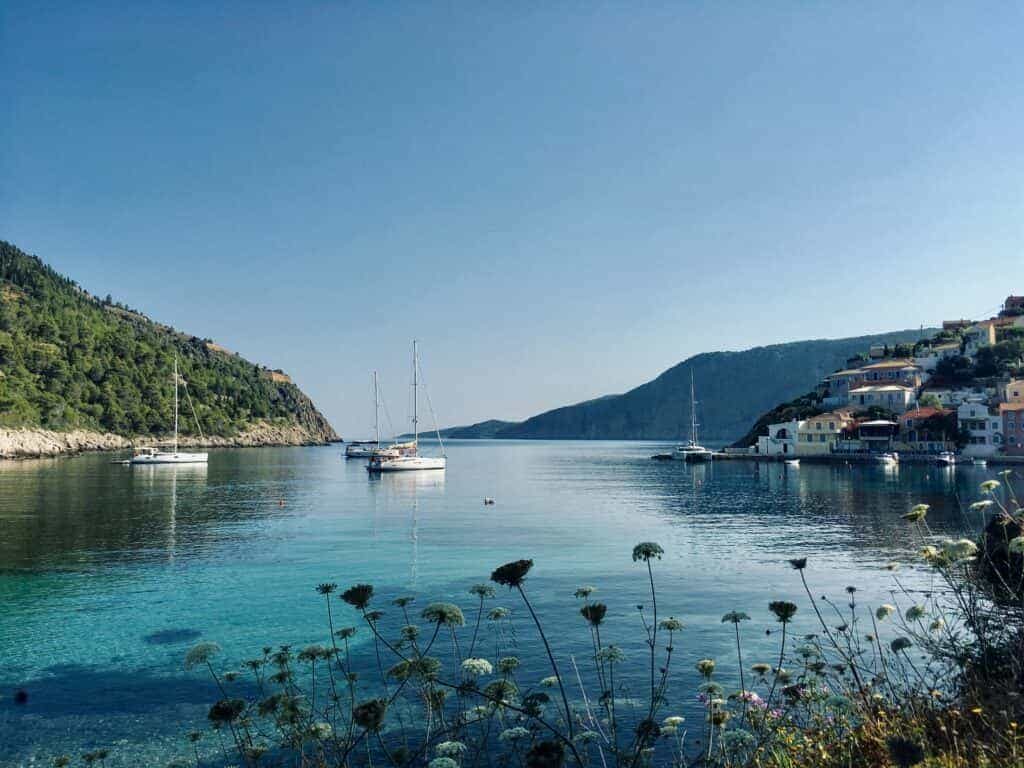
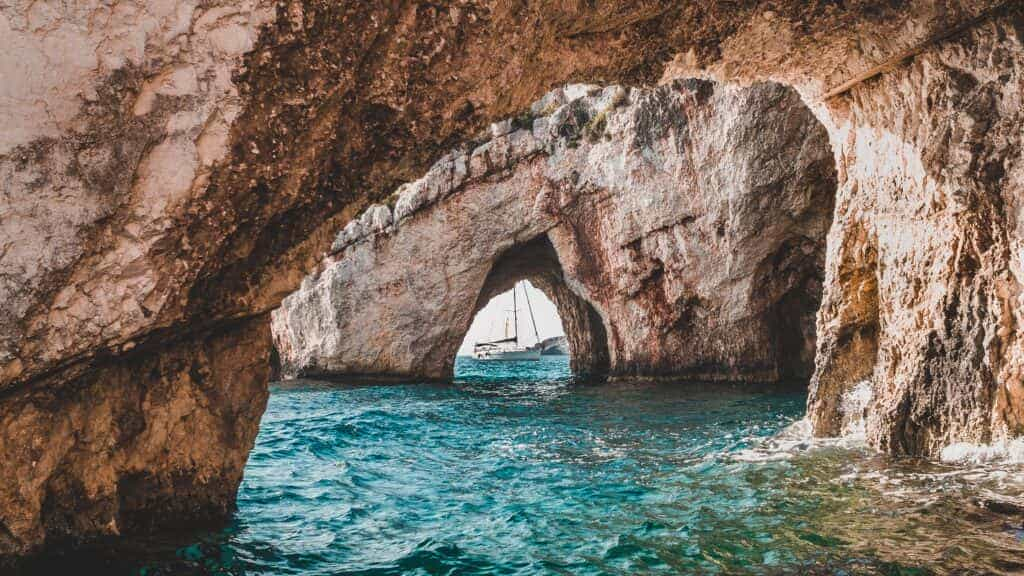
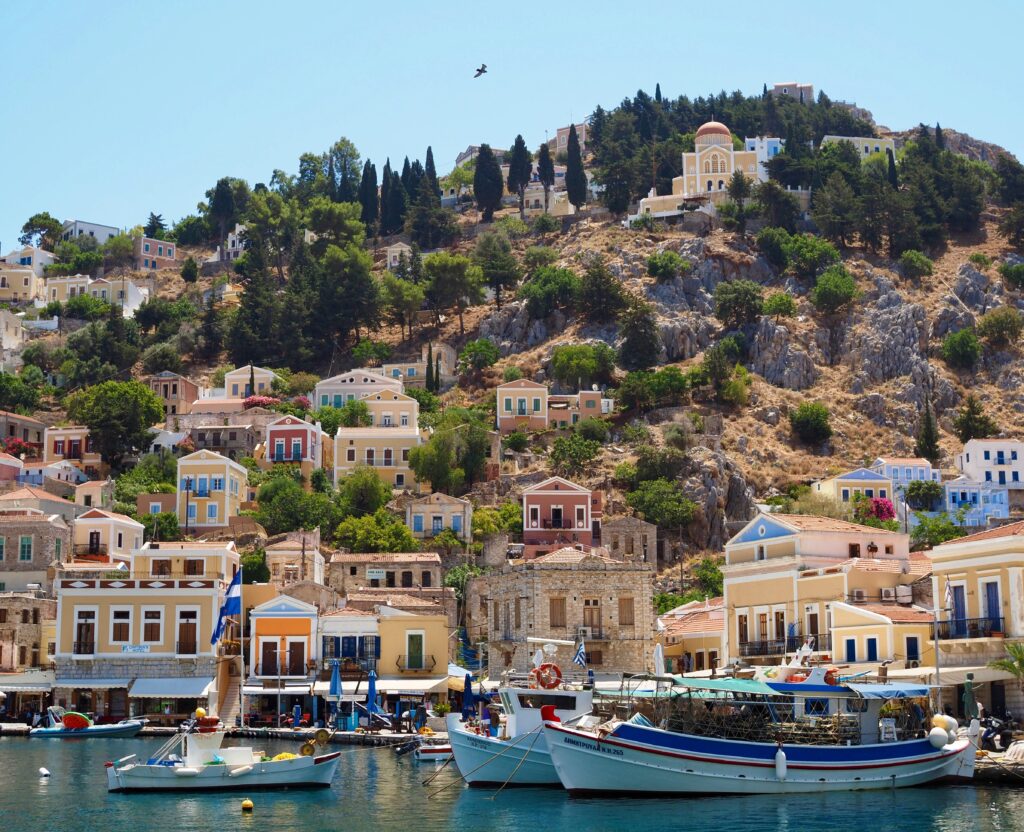
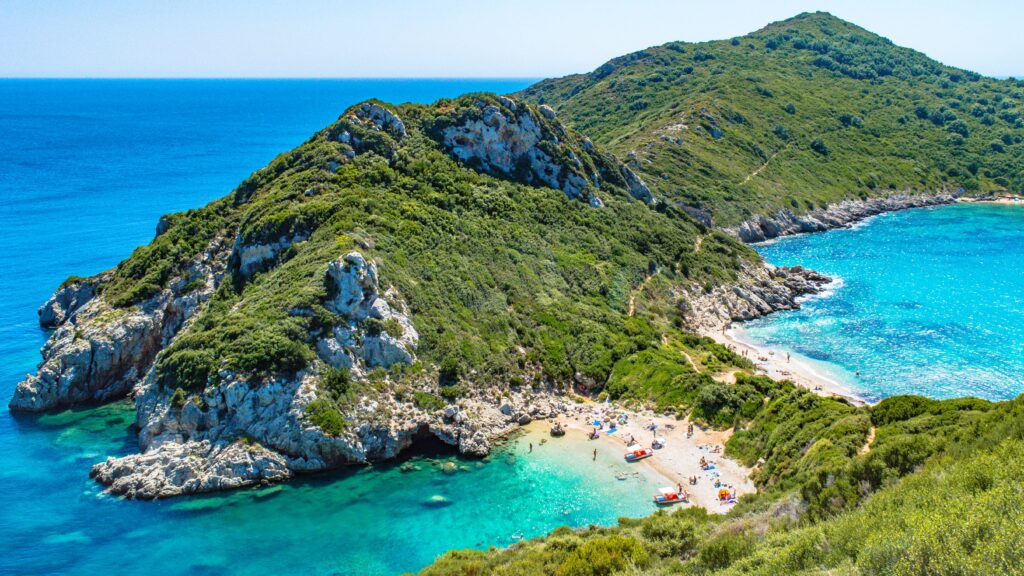
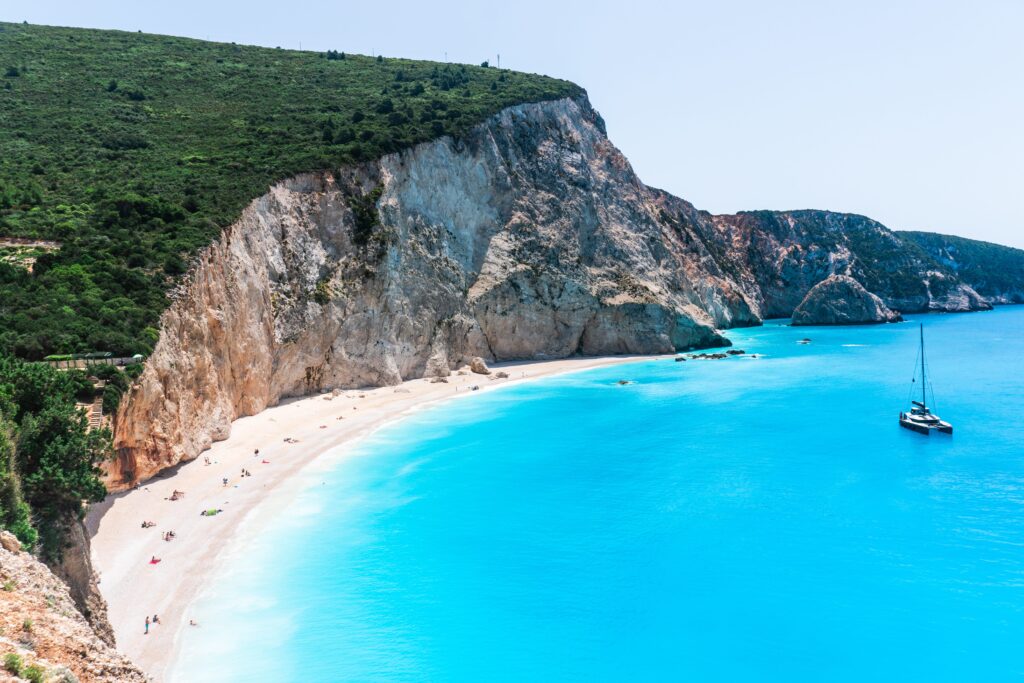
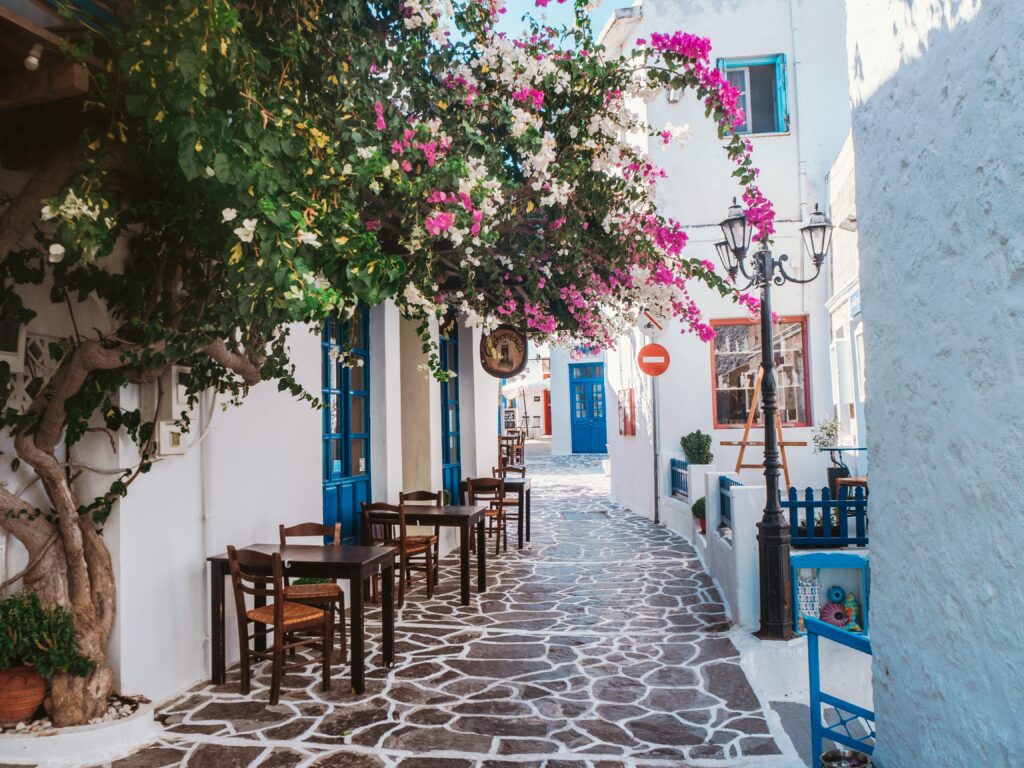
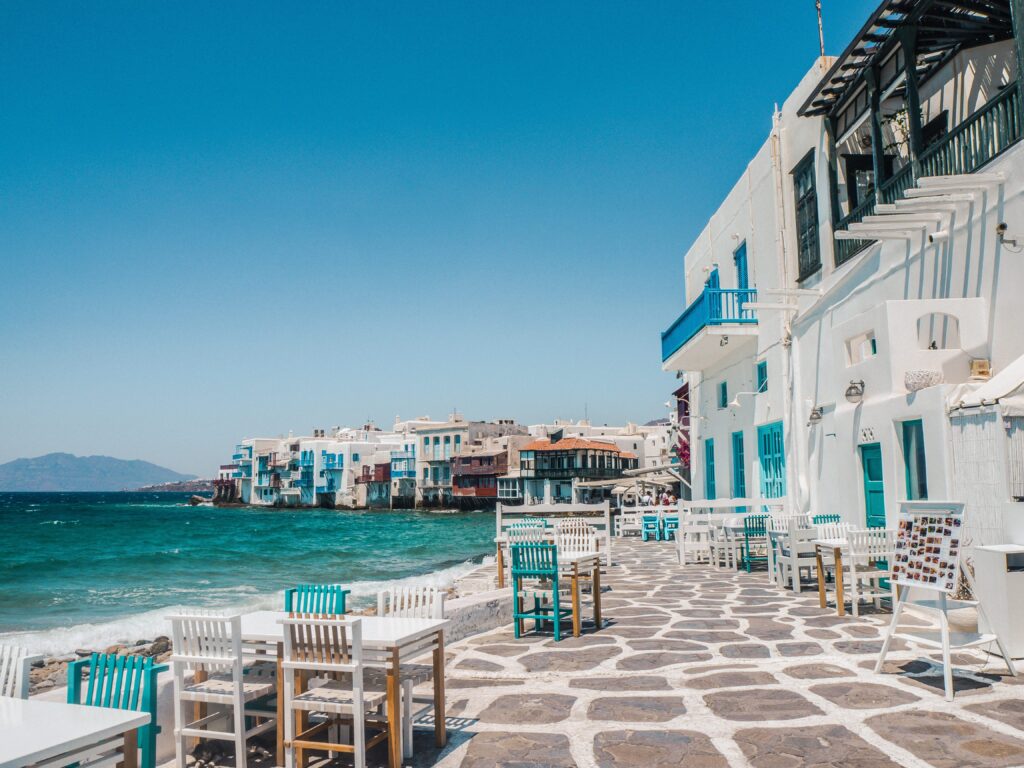
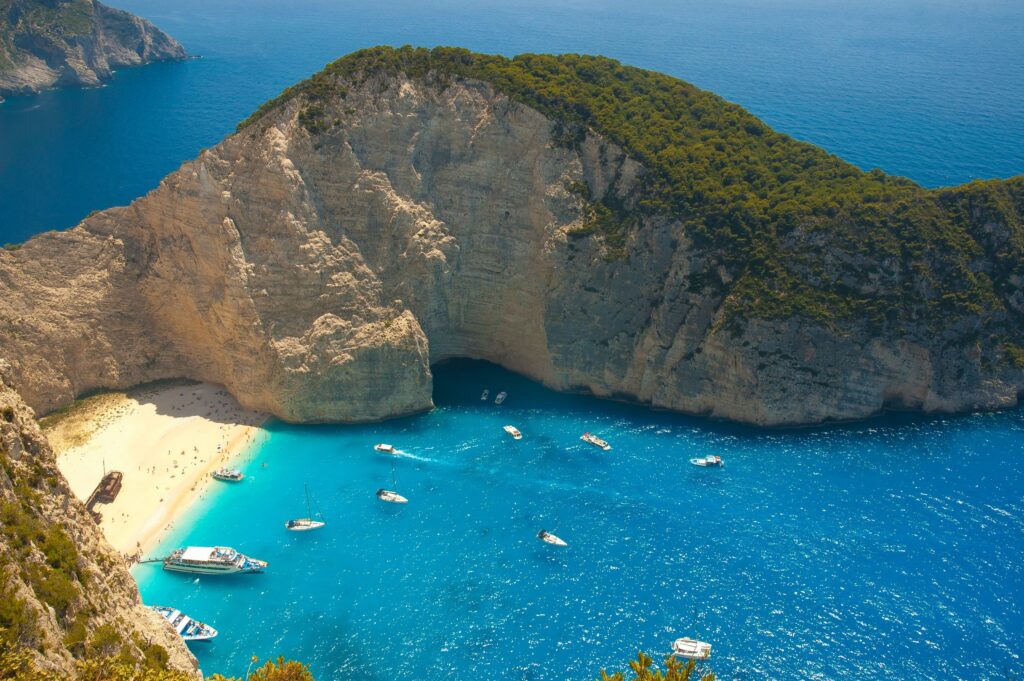
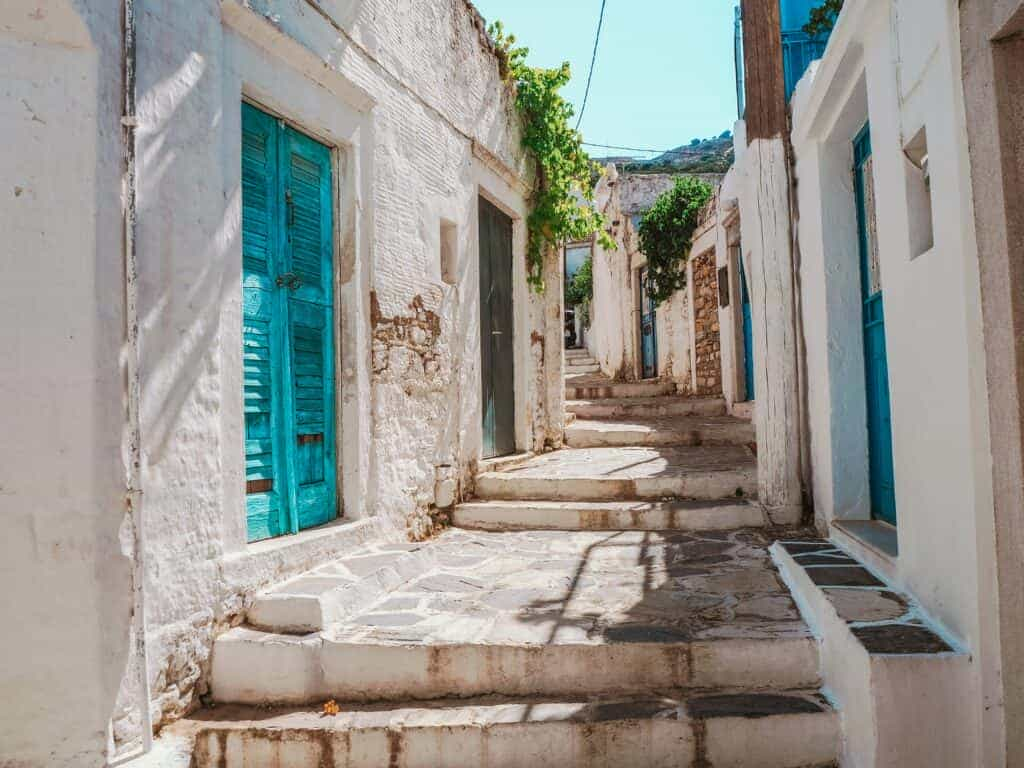
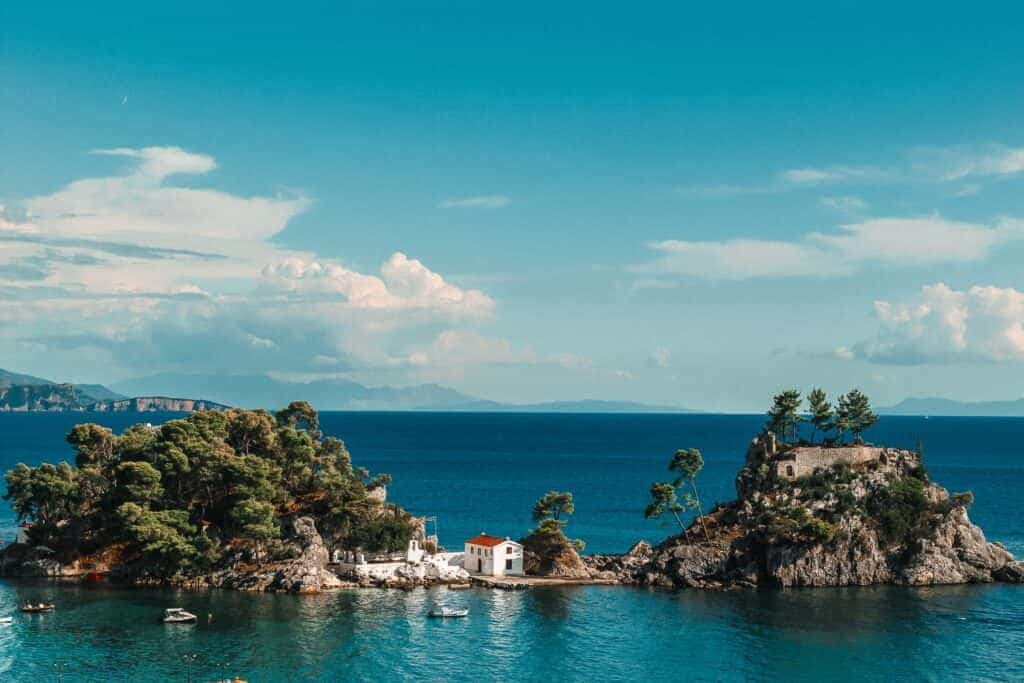
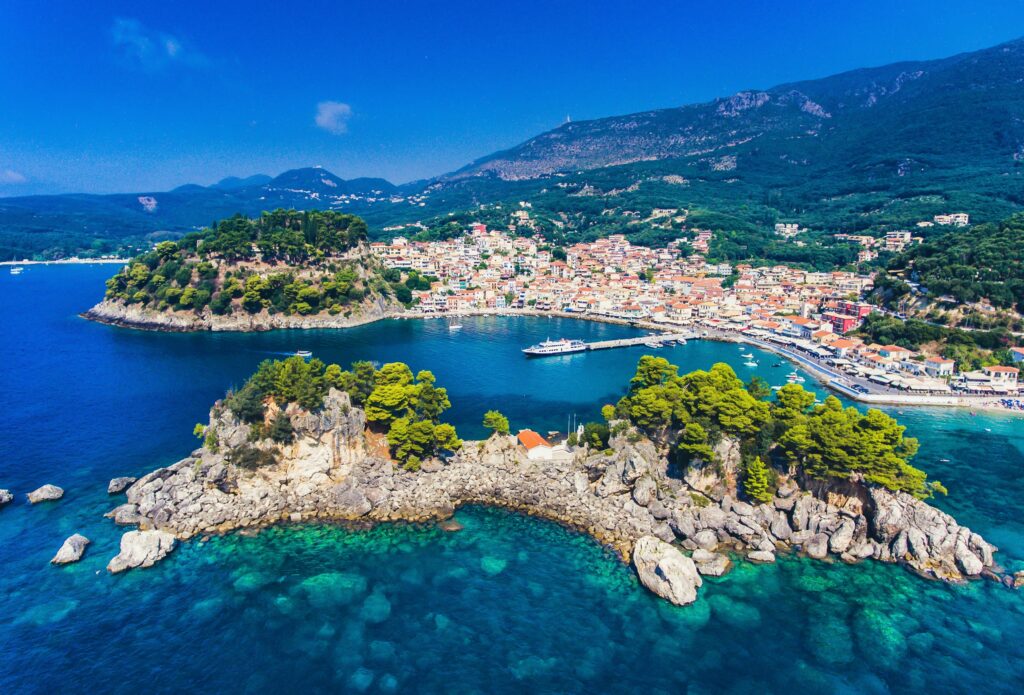
Greece is a Southern European country known for its rich history, vibrant culture, and stunning natural beauty. The country is home to thousands of islands, including some of the most popular tourist destinations in the world, such as Santorini and Mykonos.
Greece at a glance
- Language
- Greek is the official language, but English is widely spoken in tourist areas
- Currency
- Euro (EUR)
- Religion
- Christianity is the predominant religion in Greece, with a significant Muslim minority
- National dish
- Moussaka (a dish made with eggplant, ground meat, and béchamel sauce)
- Climate
- Greece has a Mediterranean climate, with mild, wet winters and hot, dry summers
- Main industries
- Tourism, shipping, and agriculture, including olives, grapes, and tobacco
- GDP
- $210 billion (nominal, 2021 estimate)
- Development
- Greece is considered a high-income country, with a human development index (HDI) ranking of 32 out of 189 countries (2020)
Things to do in Greece
Some of the main tourist attractions in Greece include:
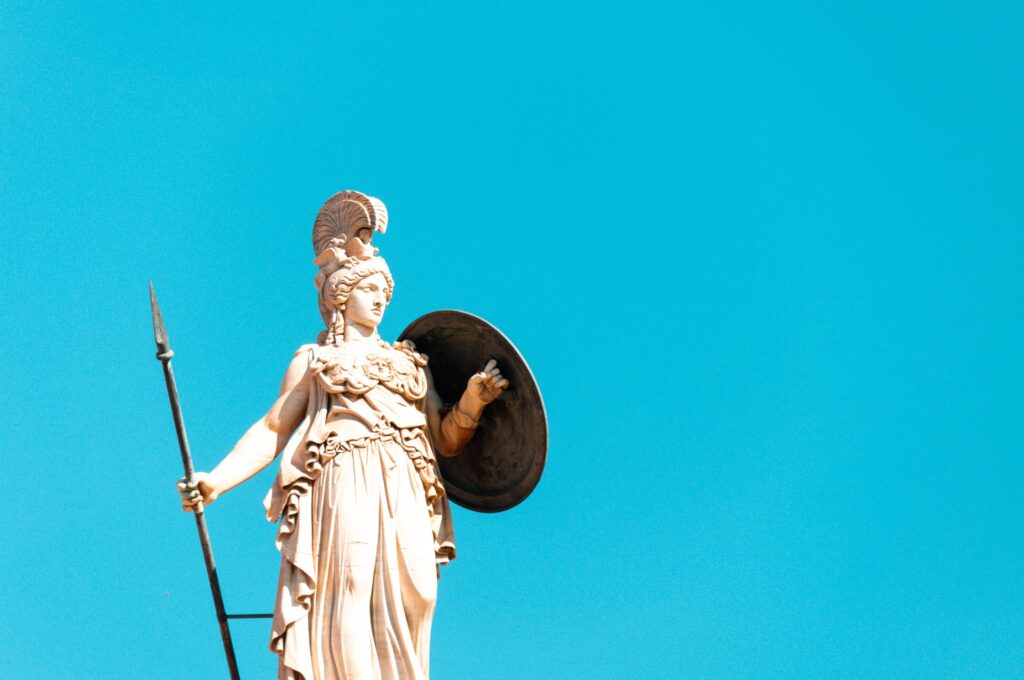
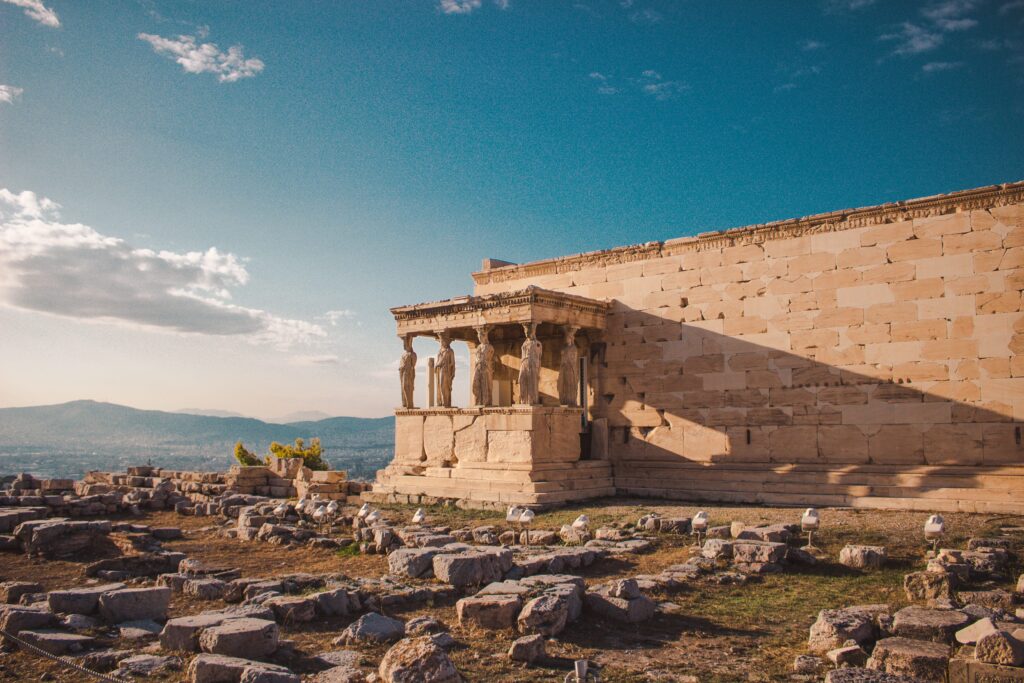
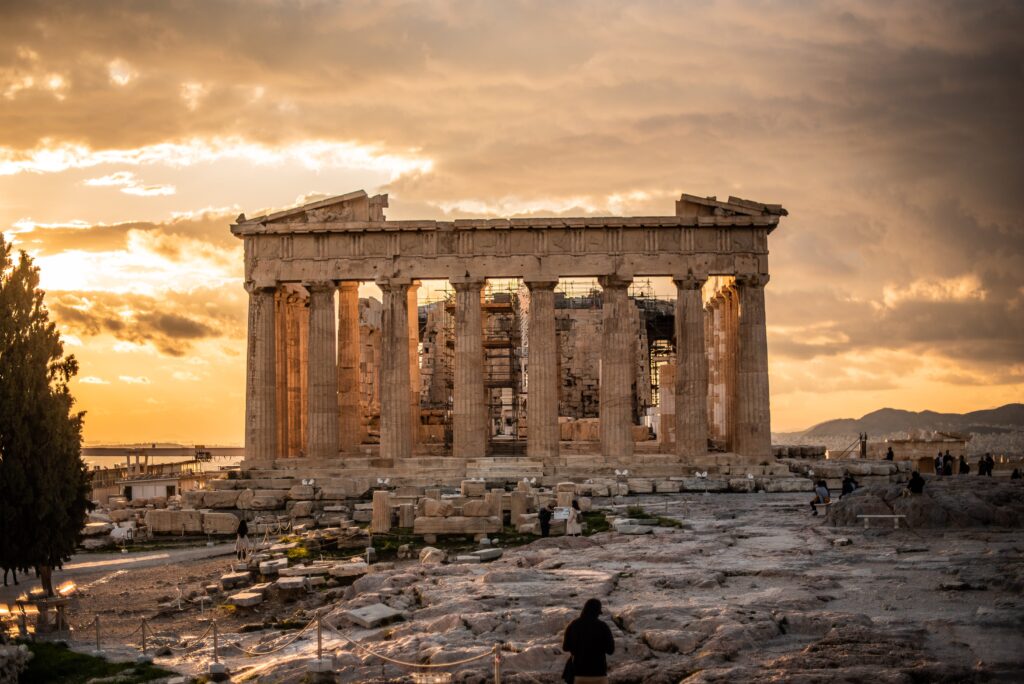
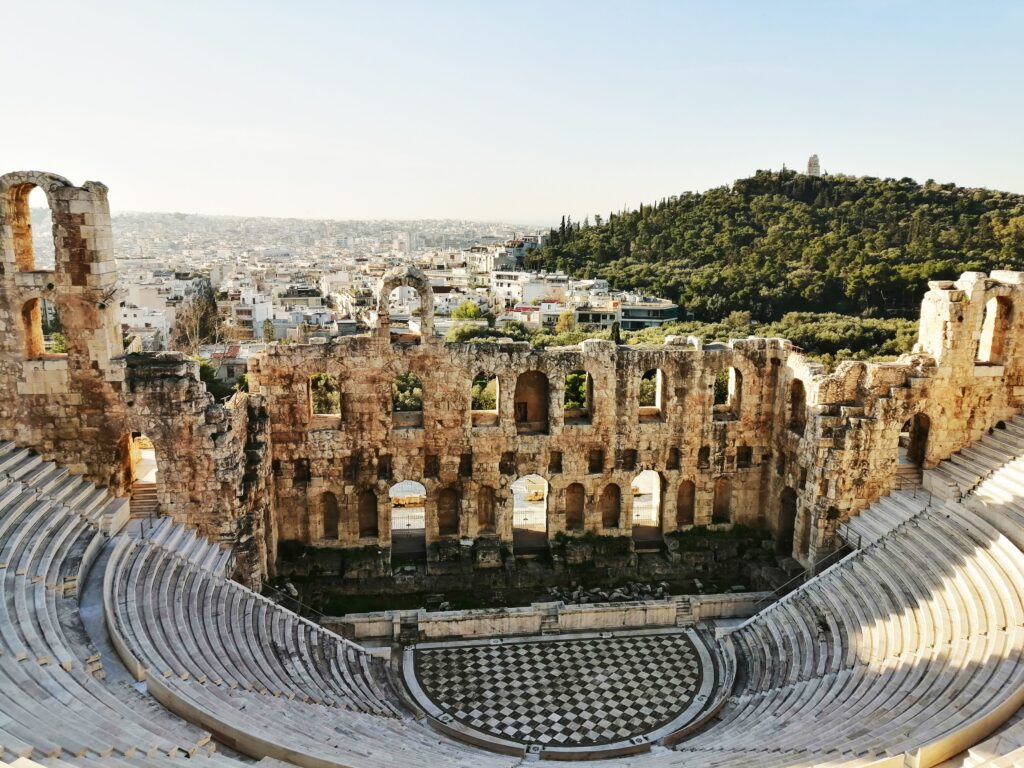
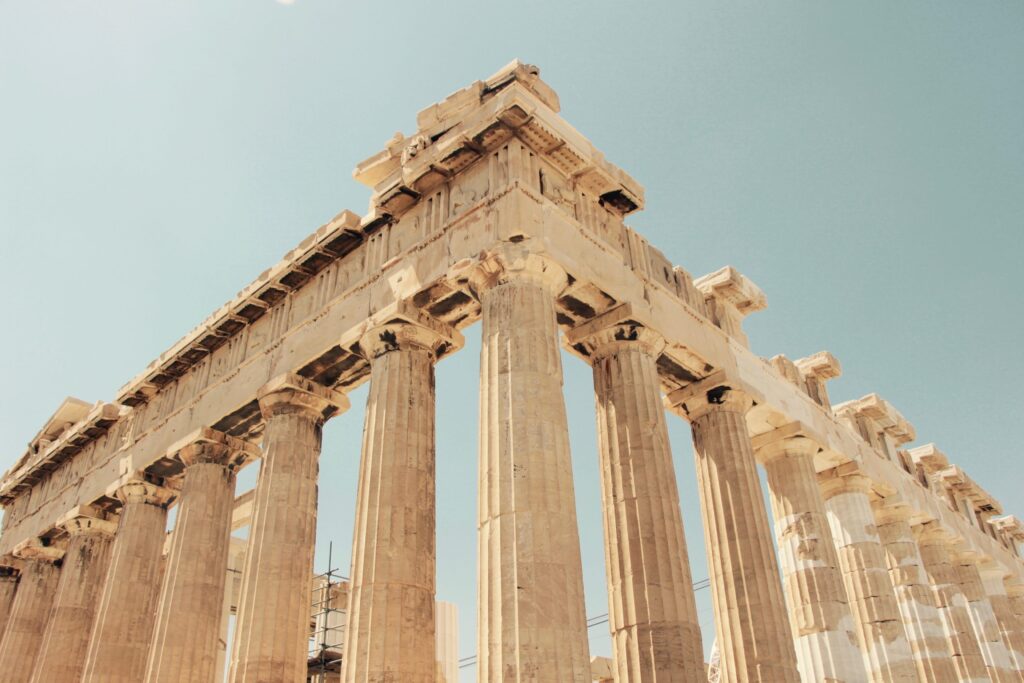
- The Acropolis a UNESCO World Heritage site and ancient citadel located in Athens, featuring the famous Parthenon temple.
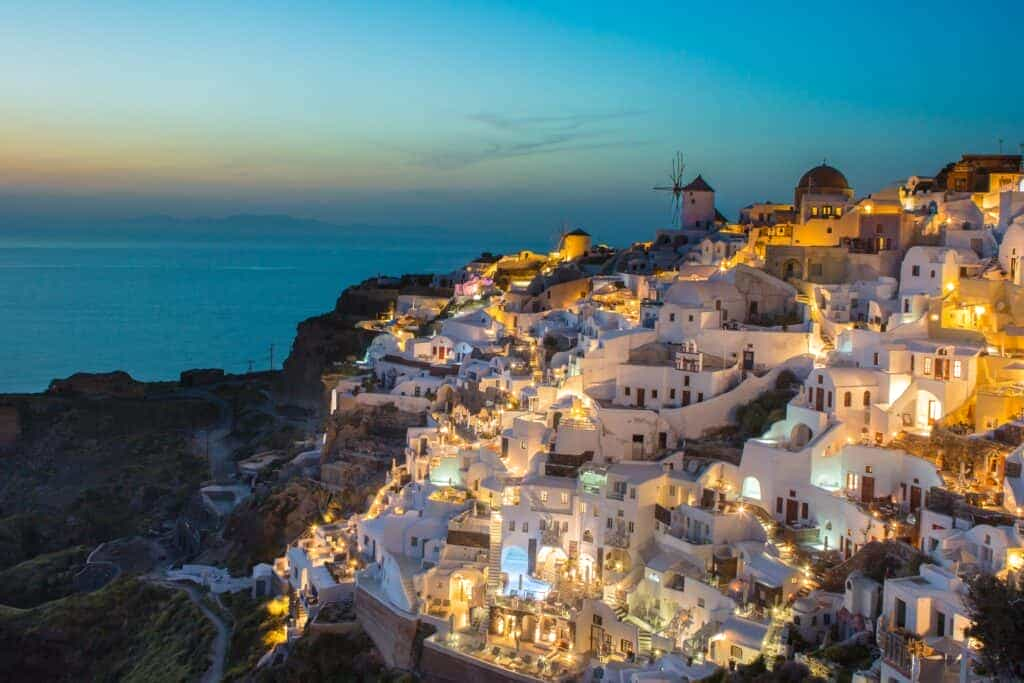
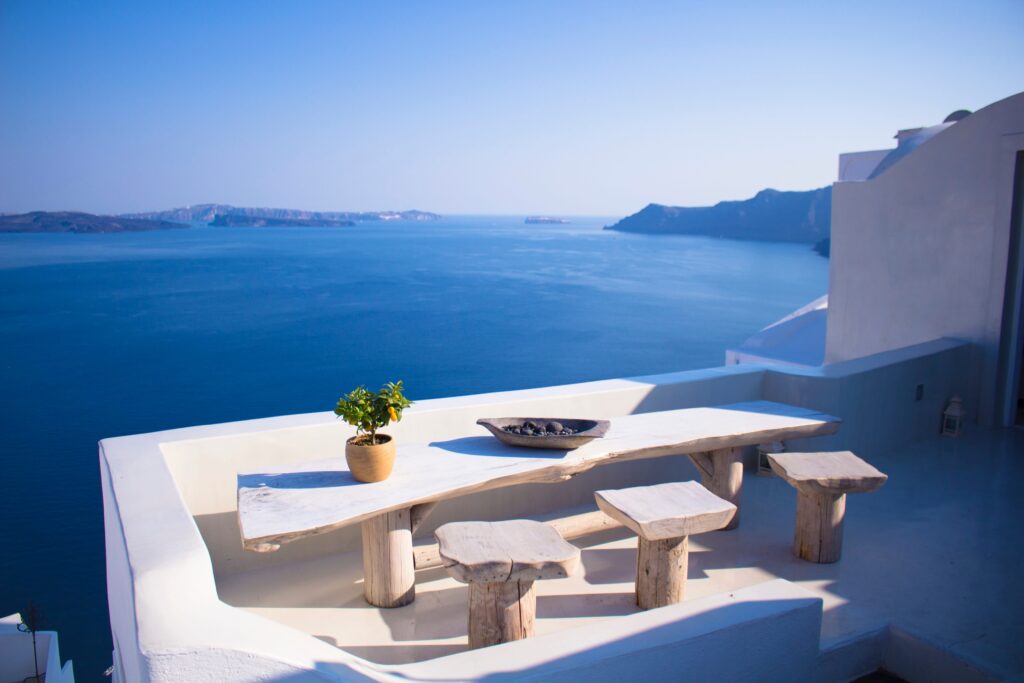
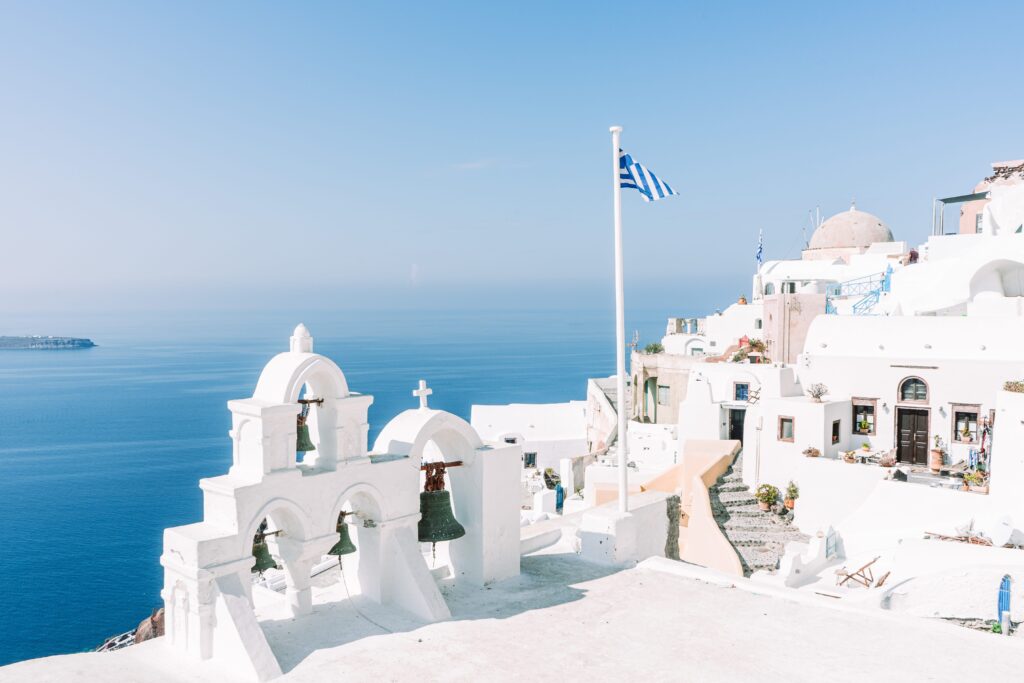
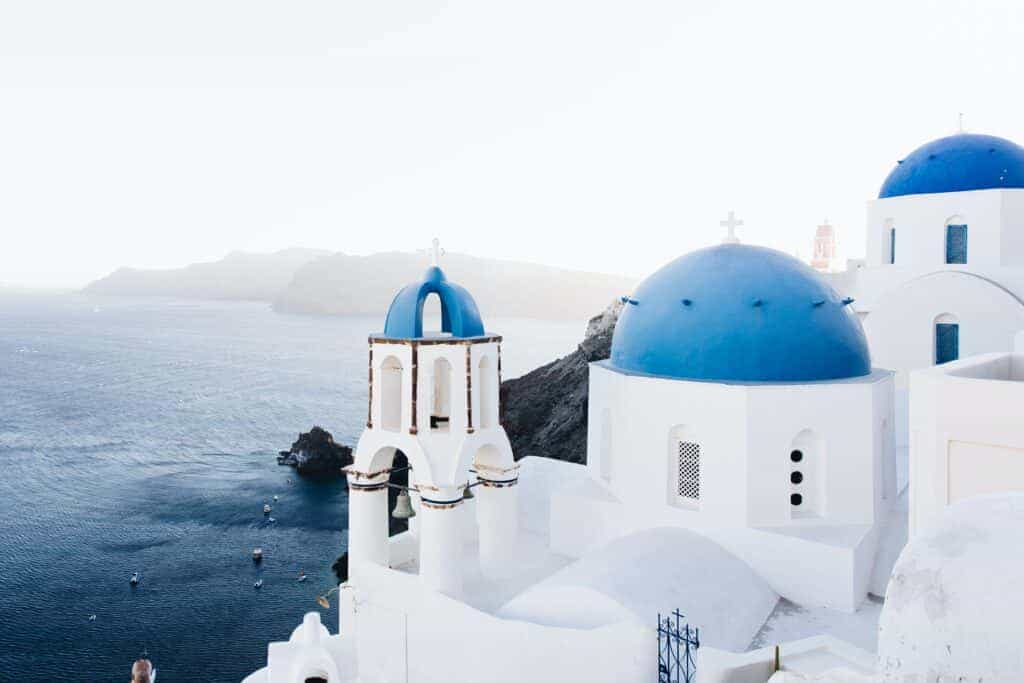
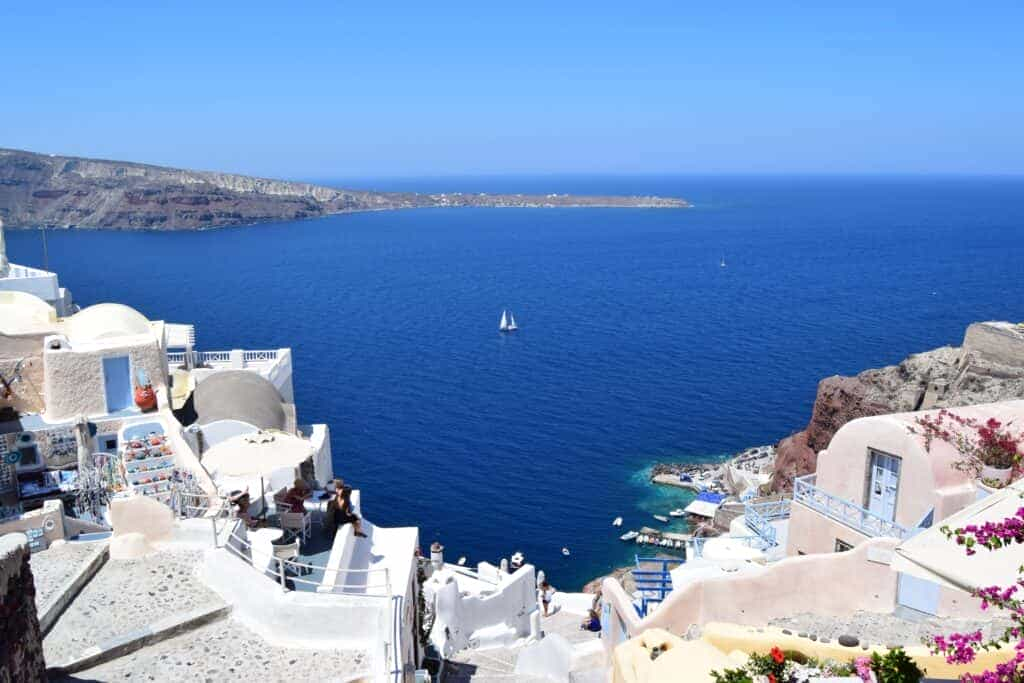
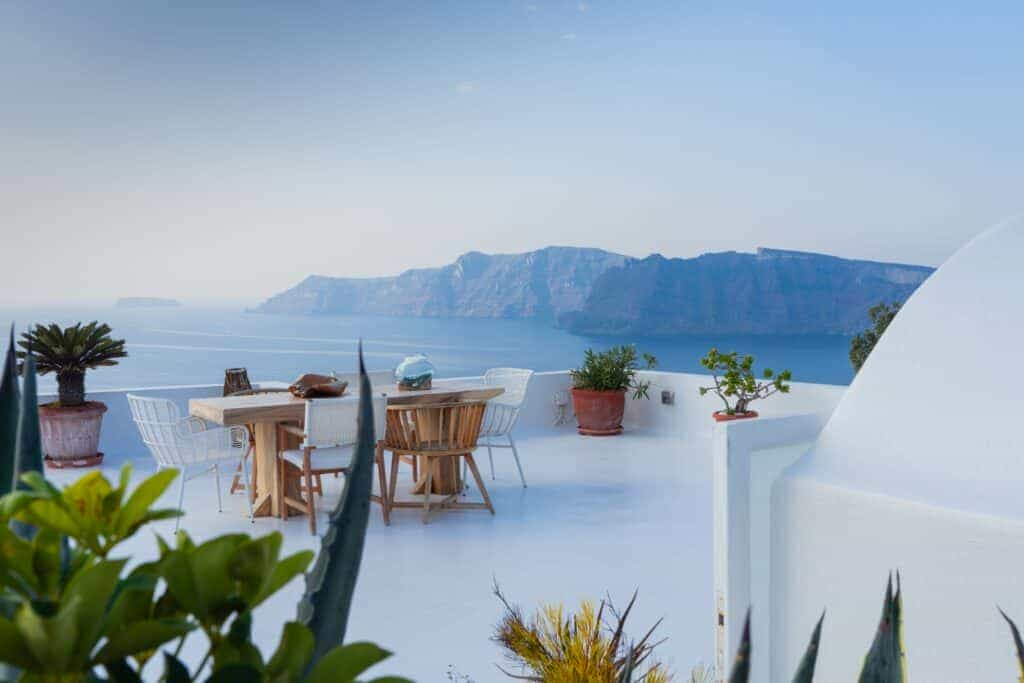
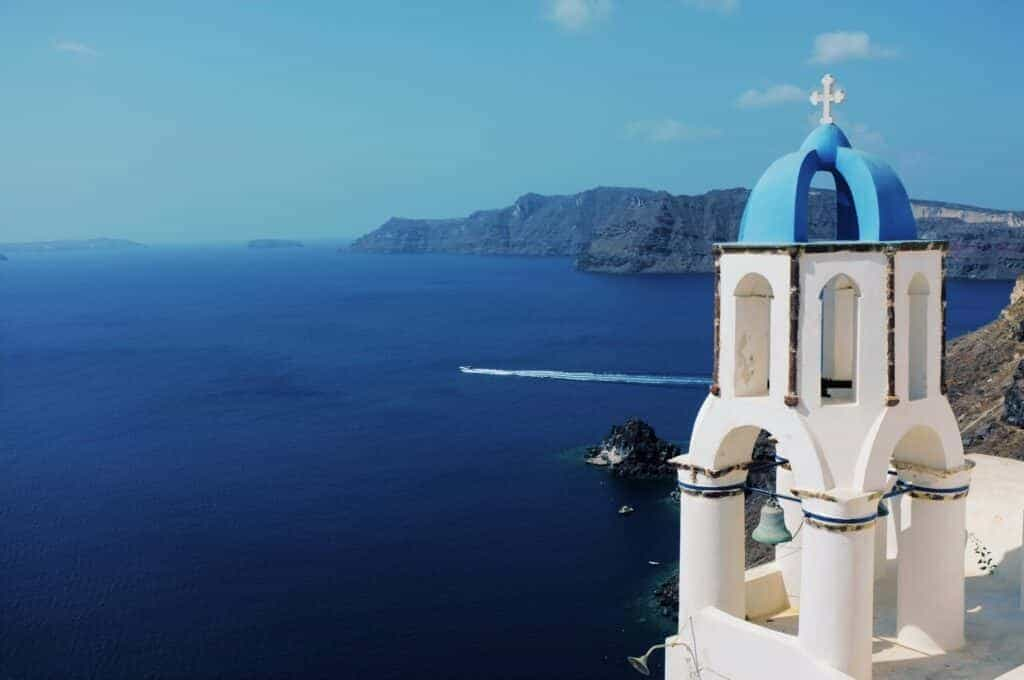
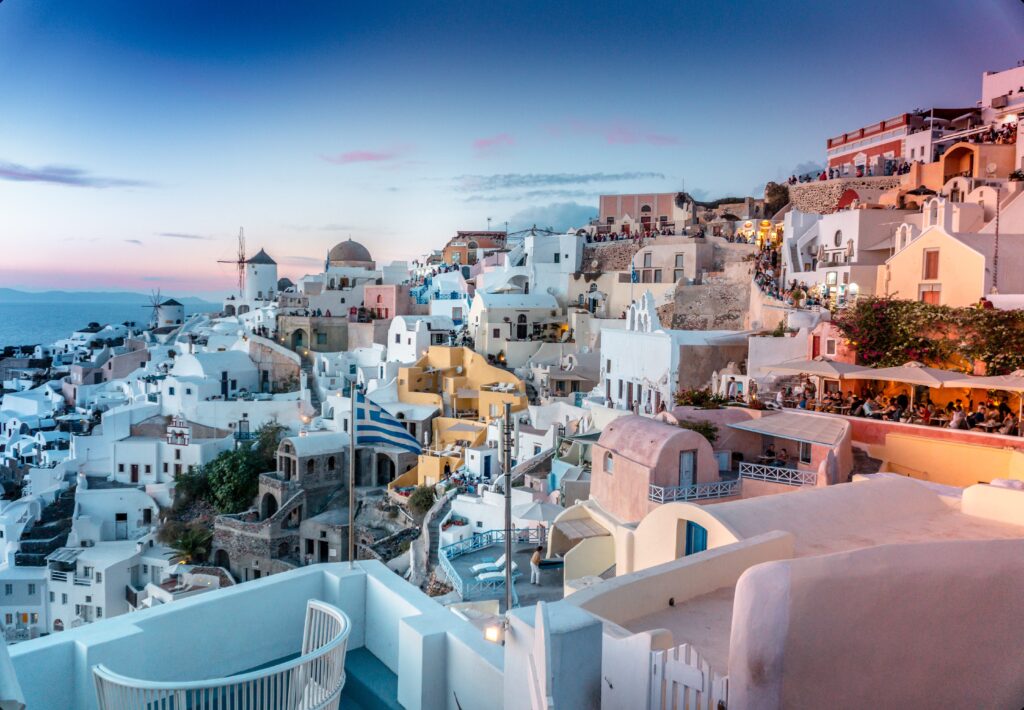
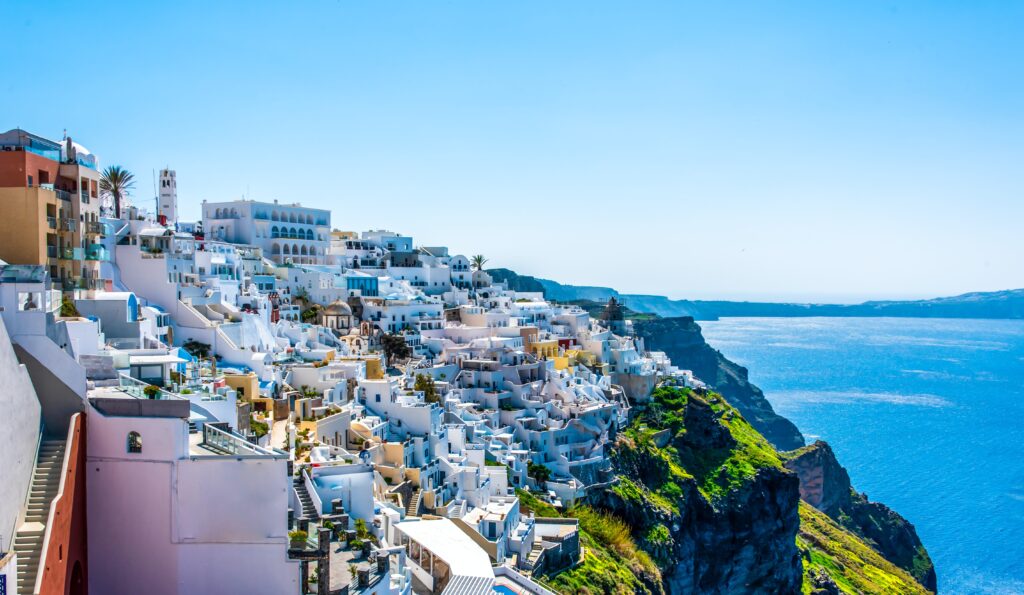
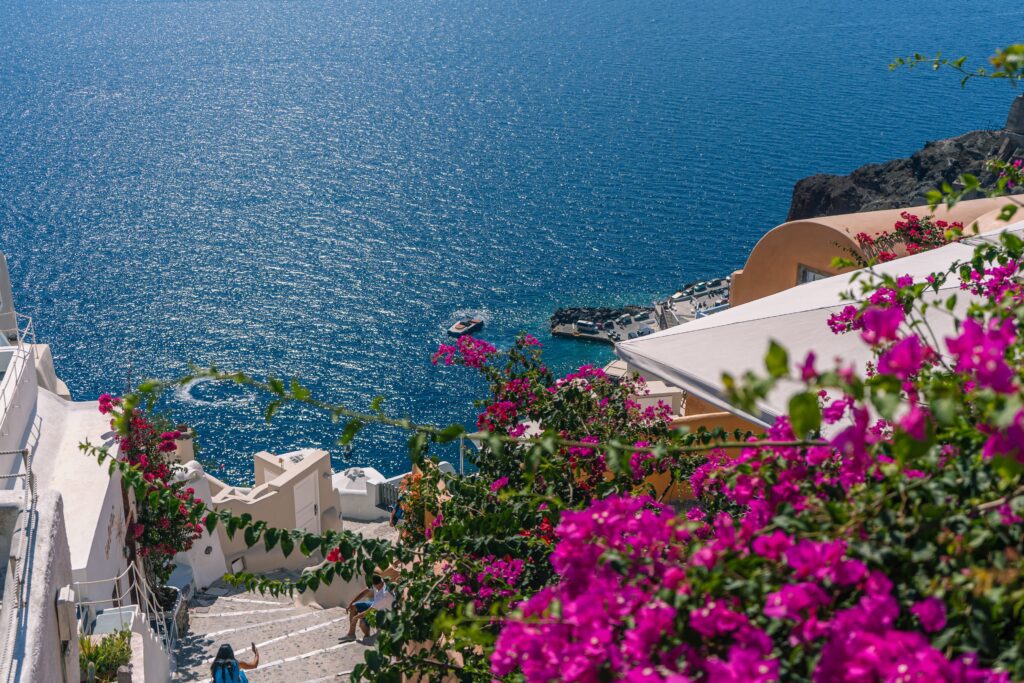
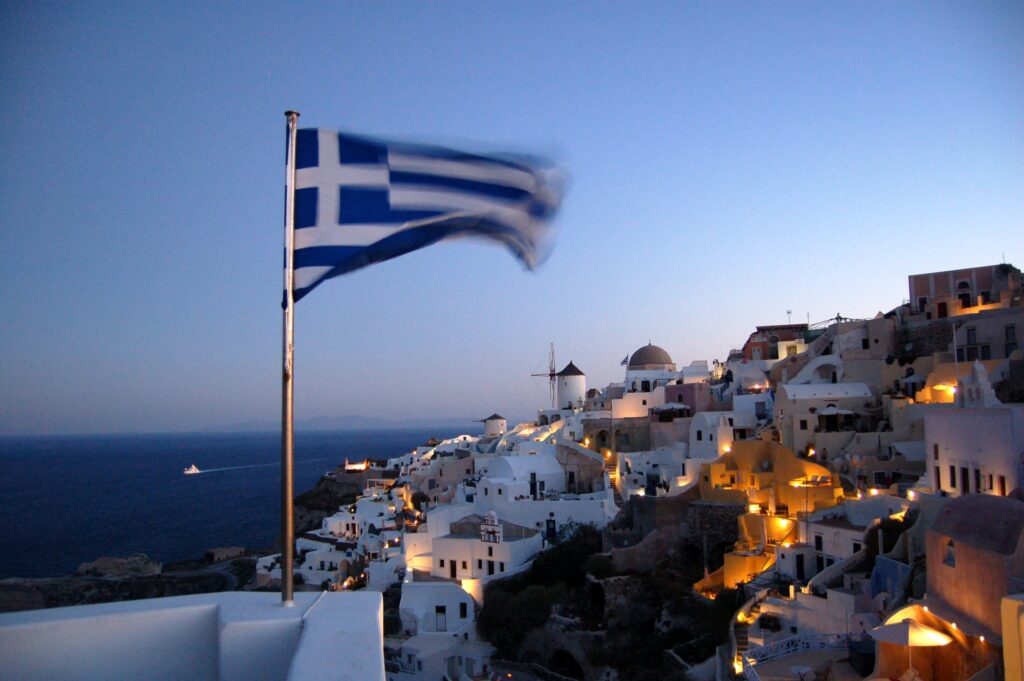
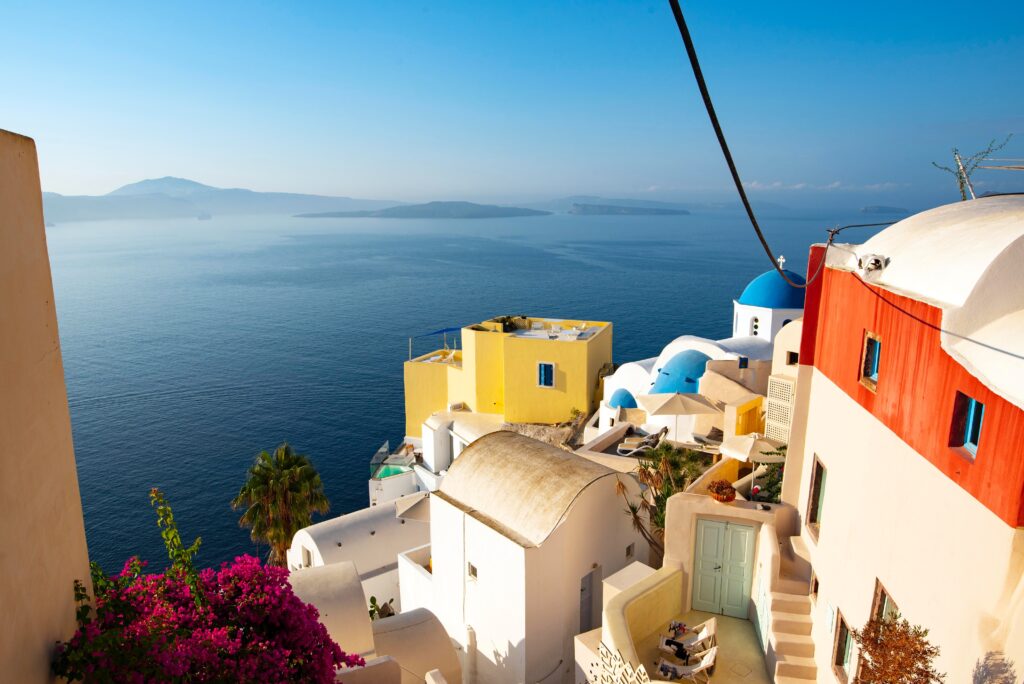
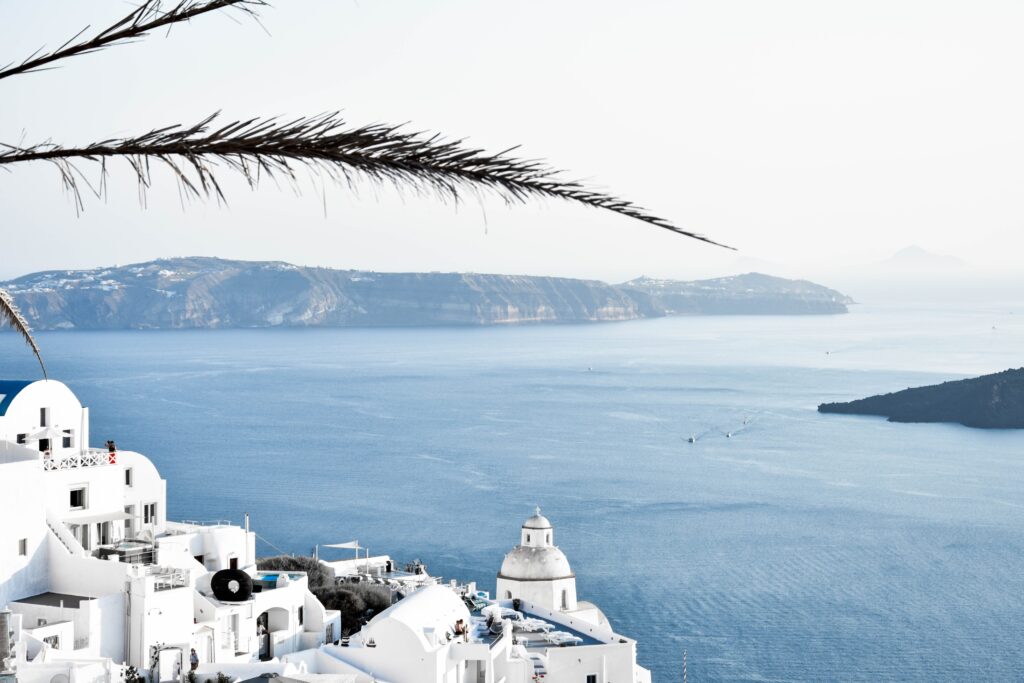
- Santorini a volcanic island in the Aegean Sea, known for its picturesque villages, stunning sunsets, and black sand beaches.
- Meteora a series of monasteries built on top of towering rock formations in central Greece, offering breathtaking views of the surrounding landscape.
- Mykonos a popular island in the Aegean Sea, known for its vibrant nightlife, stunning beaches, and picturesque villages.
- Delphi an ancient site located on the slopes of Mount Parnassus, featuring the Temple of Apollo and the Delphi Archaeological Museum.
- Crete the largest island in Greece, known for its stunning beaches, rugged landscapes, and rich history.
These are just a few examples of the many attractions that Greece has to offer. The country's rich history, vibrant culture, and stunning natural landscapes make it a must-see destination for travelers who are looking for a unique and unforgettable experience.
Greece in pictures

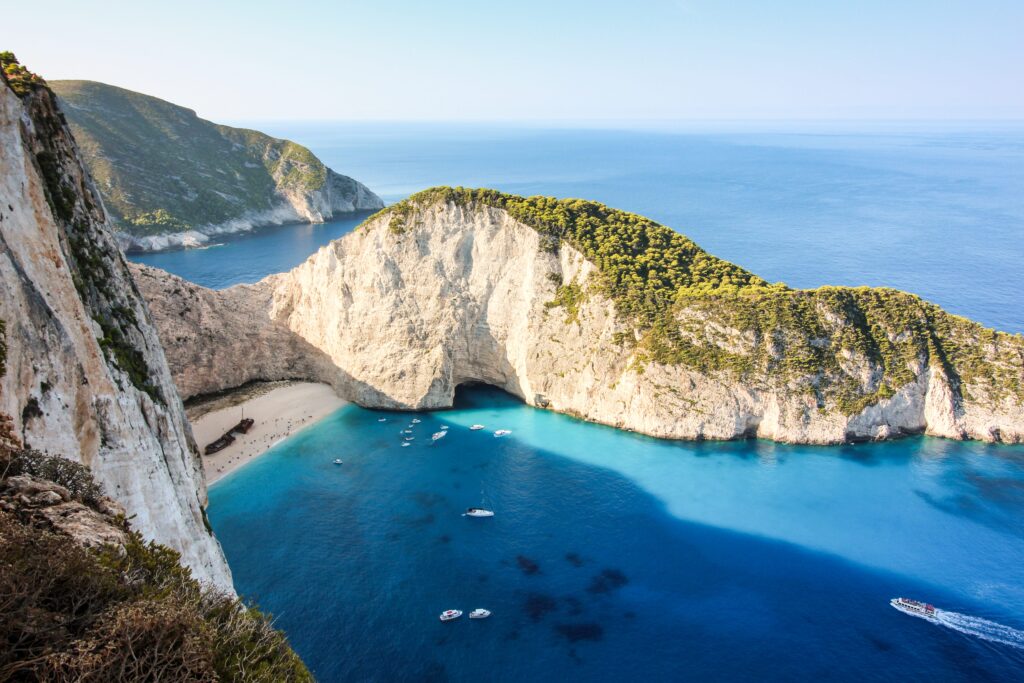
Greece on video
The player loads when you press play — nothing is requested from the video host before that.
Greece compared with its neighbours
How it sits against the other countries of Southern Europe.
| Country | Population | Area | Capital |
|---|---|---|---|
 Portugal | 10.4 million | 92,212 km² | Lisbon |
| Greece | 10.3 million | 131,957 km² | Athens |
 Serbia | 6.6 million | 88,361 km² | Belgrade |
 Croatia | 3.9 million | 56,594 km² | Zagreb |
Ranked 94th of 195 countries by population and 95th by area.
Questions about Greece
What is the capital of Greece?
The capital of Greece is Athens.
How many people live in Greece?
About 10.3 million people. Ranked 94th of 195 countries by population and 95th by area.
How big is Greece?
Greece covers 131,957 km², in Southern Europe.
What is Greece known for?
Greece is best known for The Acropolis, Santorini and Meteora.
What language is spoken in Greece?
Greek is the official language, but English is widely spoken in tourist areas.
What currency is used in Greece?
Euro (EUR).
Is Greece a country?
Yes. Greece is a sovereign state and is counted among the 195 countries this generator draws from.