

Libya
North Africa
Libya is a country in North Africa, home to 7.4 million people, with an area of 1,759,540 km². Its capital is Tripoli.
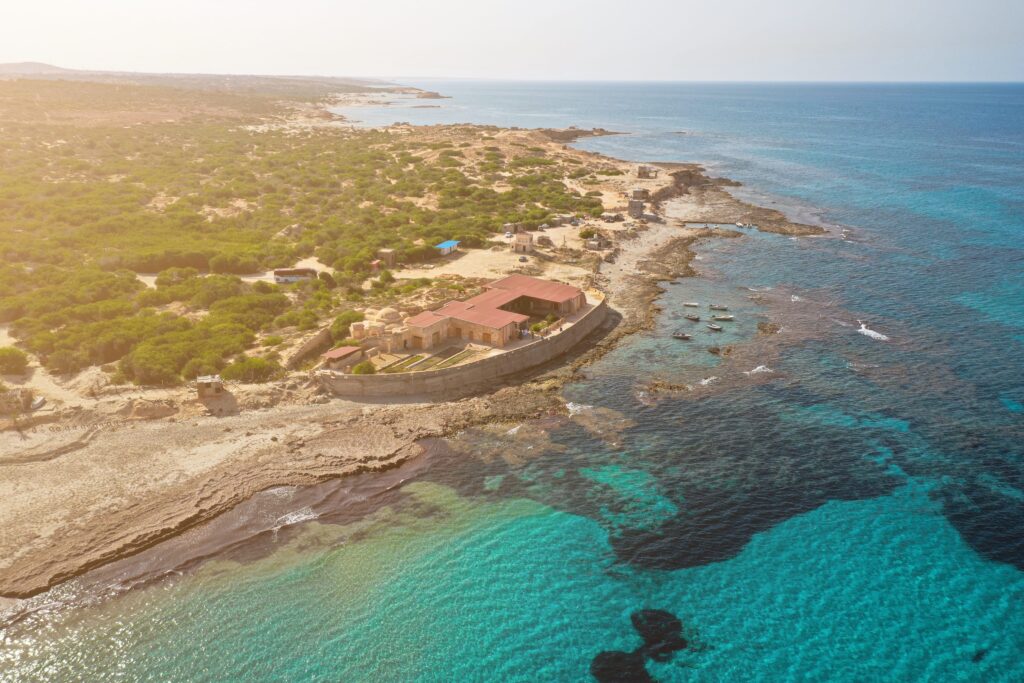
- Capital
- Tripoli
- Population
- 7.4 million
- Area
- 1,759,540 km²
- Region
- North Africa
- Density
- 4.2 / km²
- Status
- Sovereign state
Population: UN World Population Prospects, 2024 revision. Area: CIA World Factbook.
What Libya is known for
Libya is best known for Leptis Magna, Sabratha and The Sahara Desert.
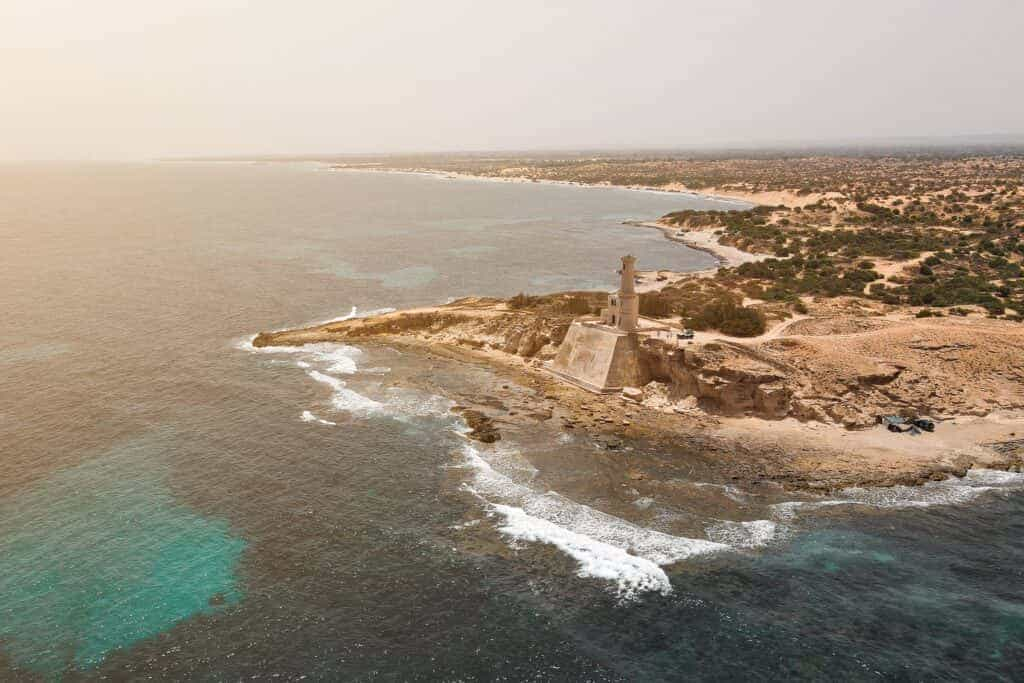
Libya is a country in North Africa bordered by the Mediterranean Sea to the north, Egypt to the east, Sudan to the southeast, Chad to the south, Niger to the southwest, Algeria to the west, and Tunisia to the northwest. The majority of Libya’s population lives along the coast, where most of the country’s cities are located.
Libya at a glance
- Language
- Arabic is the official language, but English and Italian are also spoken
- Currency
- Libyan dinar (LYD)
- Religion
- Islam is the predominant religion in Libya, with Sunni Muslims comprising the majority of the population
- National dish
- Couscous is a popular dish in Libya, typically served with vegetables and meat
- Climate
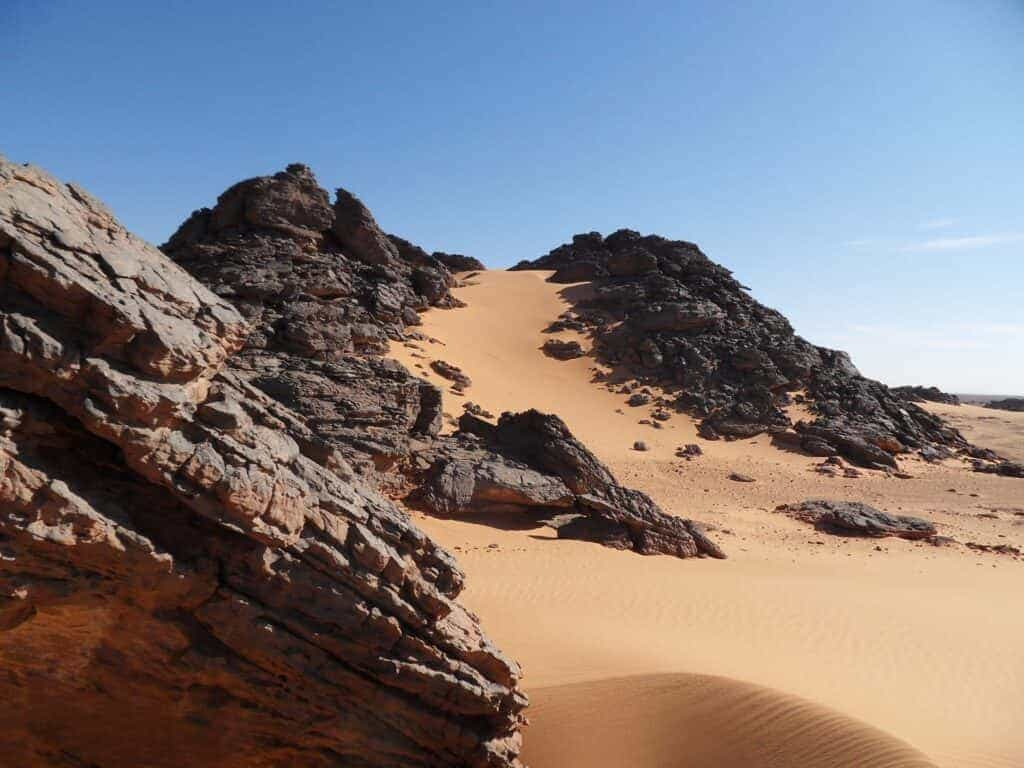
- Libya has a mostly arid and desert climate, with hot summers and mild winters. Coastal areas can be more temperate
- Main industries
- Petroleum, natural gas, and mining industries; manufacturing, including food processing and textiles; service industries, including tourism
- GDP
- $53.8 billion (nominal, 2021 estimate)
- Development
- Libya is classified as a least developed country by the United Nations, with a human development index (HDI) ranking of 106 out of 189 countries (2020)
Things to do in Libya
Some of the main tourist attractions in Libya include:
- Leptis Magna an ancient Roman city located on the coast that is renowned for its well-preserved ruins, including an amphitheater, baths, and a basilica.
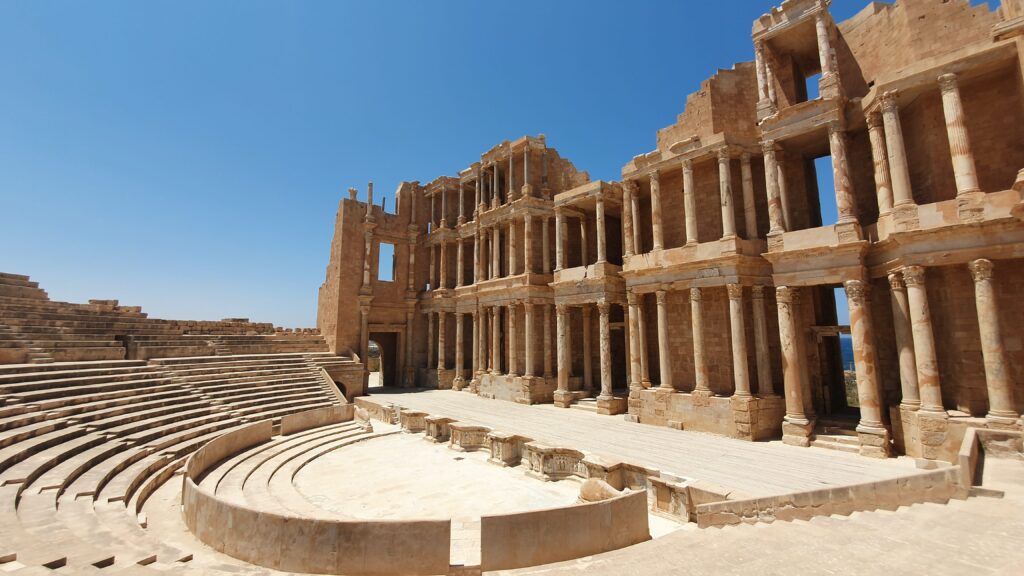
- Sabratha another well-preserved Roman city that is located on the coast and features impressive ruins, including a theater, forum, and temples.
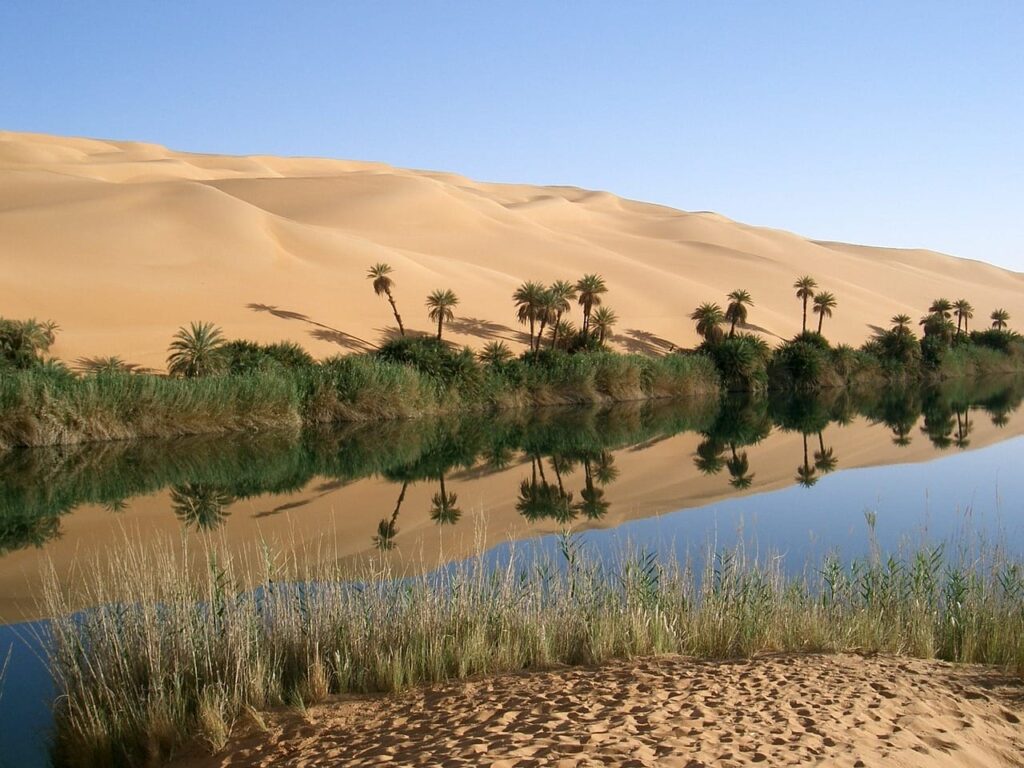
- The Sahara Desert a vast desert that covers much of Libya and offers opportunities for desert safaris and camel rides.
- The Old Town of Tripoli a historic quarter of the capital city that is home to numerous ancient mosques, palaces, and markets.
- The Green Mountains a mountain range in northeastern Libya that features stunning natural scenery and traditional Berber villages.
- Ghadames a UNESCO World Heritage Site known for its well-preserved mud-brick architecture and unique underground irrigation system.
These are just a few examples of the many attractions that Libya has to offer. However, it's important to note that tourism in Libya has been severely impacted by political instability and conflict in recent years.
Libya in pictures
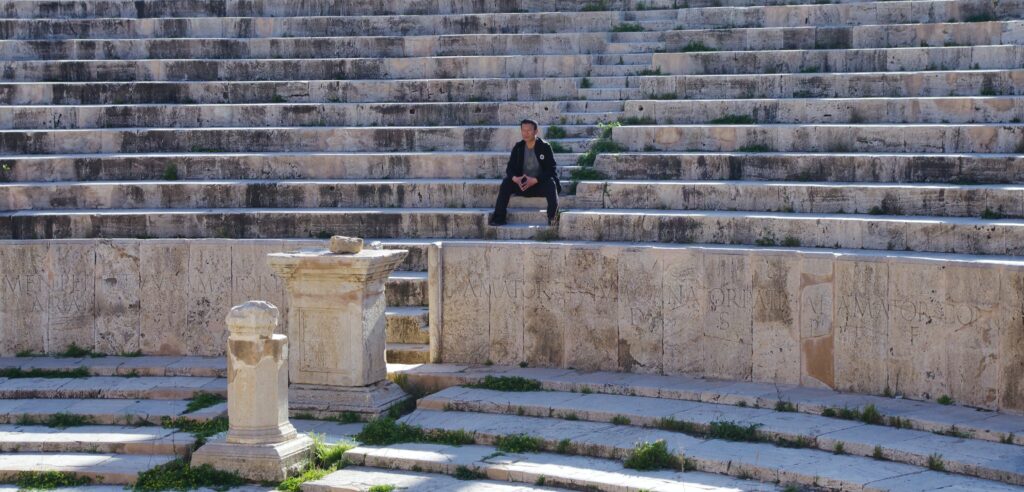
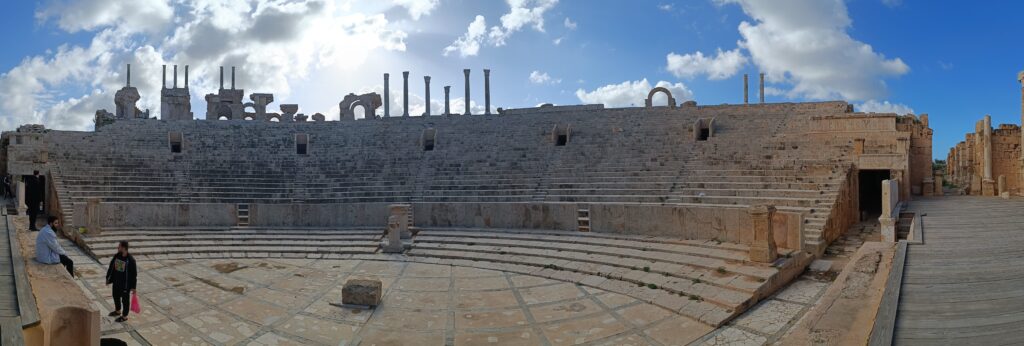
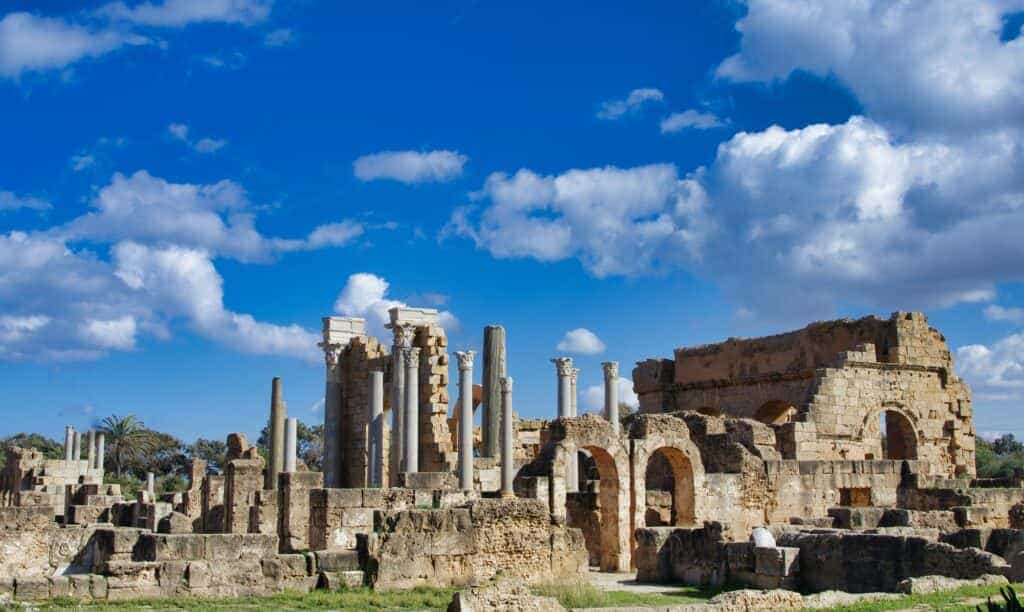
Libya on video
The player loads when you press play — nothing is requested from the video host before that.
Libya compared with its neighbours
How it sits against the other countries of North Africa.
| Country | Population | Area | Capital |
|---|---|---|---|
 Algeria | 46.7 million | 2,381,741 km² | Algiers |
 Morocco | 38.1 million | 446,550 km² | Rabat |
 Tunisia | 12.3 million | 163,610 km² | Tunis |
| Libya | 7.4 million | 1,759,540 km² | Tripoli |
Ranked 104th of 195 countries by population and 16th by area.
Questions about Libya
What is the capital of Libya?
The capital of Libya is Tripoli.
How many people live in Libya?
About 7.4 million people. Ranked 104th of 195 countries by population and 16th by area.
How big is Libya?
Libya covers 1,759,540 km², in North Africa.
What is Libya known for?
Libya is best known for Leptis Magna, Sabratha and The Sahara Desert.
What language is spoken in Libya?
Arabic is the official language, but English and Italian are also spoken.
What currency is used in Libya?
Libyan dinar (LYD).
Is Libya a country?
Yes. Libya is a sovereign state and is counted among the 195 countries this generator draws from.